
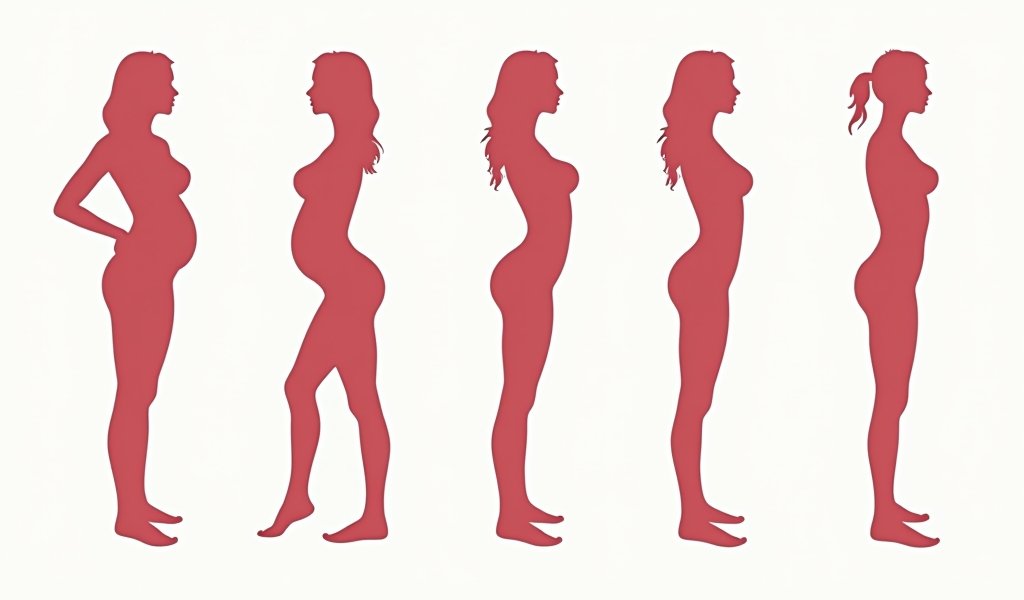
Overview
This article presents ten evidence-based exercises designed to firm and tone the pectoral muscles supporting the breasts, including chest presses, pushups, flyes, cable crossovers, and yoga poses. It emphasizes that while exercise can’t change breast tissue itself, strengthening the underlying muscles creates a more lifted appearance, with additional benefits including improved posture, functional strength, and confidence.
Table of Contents
- Understanding Breast Firmness: Anatomy and Factors
- Benefits of Firming Exercises Beyond Aesthetics
- Chest Press Variations for Superior Results
- Pushup Techniques to Transform Your Upper Body
- Dumbbell Flyes: The Perfect Pectoral Sculptor
- Cable Crossovers for Definition and Strength
- Wall Presses: Accessible Firming for Everyone
- Yoga Poses That Enhance Chest Muscle Tone
- Swimming Strokes for Complete Upper Body Toning
- Resistance Band Exercises for Home Workouts
- Lifestyle Factors That Complement Your Exercise Routine
- Conclusion: Your Journey to a Firmer Upper Body
- Frequently Asked Questions
Looking to enhance the firmness of your bust? You’re not alone. Many women seek effective ways to maintain perkier, more toned breasts as they navigate through different life stages. While we can’t change our natural breast tissue composition, we can definitely strengthen the underlying muscles to create a more lifted appearance. In this comprehensive guide, I’ll walk you through 10 evidence-based exercises specifically designed to target the pectoral muscles that support firm tits and improve overall upper body strength.
As a health professional with over a decade of experience in women’s fitness, I’ve helped countless clients achieve their body confidence goals through these proven techniques. Whether you’re dealing with post-pregnancy changes, weight fluctuations, or simply the natural aging process, these exercises can make a noticeable difference when performed consistently.
Let’s dive into the science behind breast firmness and discover exercises that actually deliver results—no miracle creams or gimmicks required.
Understanding Breast Firmness: Anatomy and Factors
Before jumping into exercises, it’s important to understand what we’re working with. Breasts consist primarily of fatty tissue and milk-producing glands supported by Cooper’s ligaments—natural connective tissues that act as internal suspenders. Unlike what many believe, breasts don’t contain muscles themselves. However, they sit atop the pectoral muscles, which we can absolutely strengthen and tone.
Several factors influence breast firmness throughout life. Genetics play a significant role in determining your natural breast composition and density. Age brings inevitable changes as skin elasticity decreases and Cooper’s ligaments stretch. Hormonal fluctuations during menstruation, pregnancy, breastfeeding, and menopause can all affect breast fullness and firmness.
Weight changes represent another major factor. When you gain weight, breasts often increase in size due to additional fat storage; when you lose weight, they may appear less firm as fat tissue decreases. This is why a comprehensive approach combining targeted strength training with overall healthy lifestyle habits yields the best results.
According to research published in the Journal of Women’s Health, resistance training that targets the chest muscles can improve the appearance of the bust by creating a more lifted profile, even though it doesn’t change the actual breast tissue.
Benefits of Firming Exercises Beyond Aesthetics
Strengthening your chest muscles offers far more than just aesthetic improvements. The pectoralis major and minor—the primary muscles we’ll be targeting—play crucial roles in everyday movements. Strong pectoral muscles improve your posture by pulling your shoulders back, counteracting the forward slouch many of us develop from desk work and smartphone use.
Better posture doesn’t just make you look more confident; it actually creates the optical illusion of firmer breasts. When your shoulders roll forward, your chest caves in, making breasts appear more saggy. By strengthening the chest and improving alignment, you naturally create a more lifted silhouette.
These exercises also enhance functional fitness. Strong chest muscles make daily activities easier—from carrying groceries to picking up children or pushing heavy doors. Plus, a balanced upper body workout routine reduces your risk of injury during other physical activities.
For women who’ve experienced pregnancy and breastfeeding, these targeted exercises can be particularly beneficial for rebuilding strength in chest muscles that have been stretched and weakened. Similarly, women recovering from breast surgery or cancer treatment may find modified versions of these exercises helpful during rehabilitation (always with doctor approval first).
Chest Press Variations for Superior Results
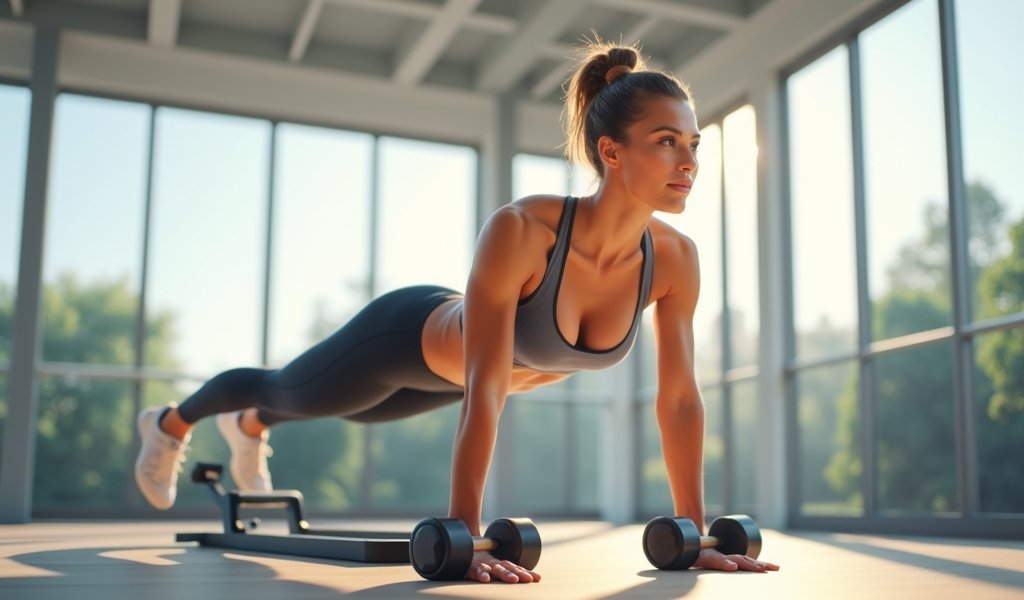
The chest press forms the foundation of any effective breast-firming routine. This powerful movement directly targets the pectoralis major—the fan-shaped muscle that spans your chest and creates that coveted lifted look. Let’s explore three variations that you can progress through as your strength improves.
For beginners, the floor chest press offers a stable starting point. Lie on your back with knees bent and feet flat on the floor. Hold a dumbbell in each hand at chest height with palms facing toward your feet. Press the weights straight up until your arms are extended (but not locked), then slowly lower back to start. Aim for 2-3 sets of 10-12 repetitions using a weight that challenges you by the final rep.
As you build strength, graduate to the bench press. This classic exercise increases the range of motion compared to the floor version, recruiting more muscle fibers for better results. Using a flat bench and dumbbells (or a barbell for more advanced lifters), lower the weights until your elbows form 90-degree angles, then press back up. The combination of strength training with cardio exercise creates the optimal environment for toning and firming.
For those seeking maximum challenge, the incline chest press targets the upper pectoral fibers, which directly influence how lifted your breasts appear. Set an adjustable bench to a 30-45 degree angle and perform the press motion. This variation specifically works the often-neglected upper chest region, creating a more balanced, perky appearance.
Pushup Techniques to Transform Your Upper Body
Don’t underestimate the humble pushup—it’s one of the most effective bodyweight exercises for creating firm tits and a sculpted chest. The beauty of pushups lies in their versatility, as they can be modified for any fitness level while still delivering impressive results.
For those new to fitness, wall pushups provide an accessible entry point. Stand arm’s length from a wall, place your palms flat against it at shoulder height, and bend your elbows to bring your body toward the wall before pushing back to start. This variation reduces the amount of body weight you’re lifting while still activating the chest muscles.
As strength improves, progress to incline pushups using a stable surface like a bench, sturdy chair, or counter. The higher the surface, the easier the exercise. Gradually work toward standard floor pushups, focusing on proper form: hands slightly wider than shoulders, body in a straight line from head to heels, and core engaged throughout the movement.
Advanced exercisers can challenge themselves with decline pushups (feet elevated on a bench or stability ball) or diamond pushups (hands close together to form a diamond shape under your chest). These variations increase the load on the pectoral muscles and add emphasis to the triceps, creating more definition across the entire upper body.
Regardless of which variation you choose, aim for slow, controlled movements that maximize muscle engagement. Quality trumps quantity here—five perfect pushups will do more for your chest than twenty with poor form.
Dumbbell Flyes: The Perfect Pectoral Sculptor
Dumbbell flyes offer something unique that many chest exercises don’t: they isolate the pectoral muscles through a wide range of motion that stretches and contracts the chest fibers completely. This makes them particularly effective for creating that curved, sculpted look that supports firmer breasts.
To perform basic dumbbell flyes, lie on a flat bench holding a dumbbell in each hand directly above your chest, palms facing each other. With a slight bend in your elbows (think soft, not locked), lower your arms out to the sides in a wide arc until you feel a gentle stretch across your chest. Then, using your pectoral muscles, bring the weights back together in the same arc motion, as if you’re hugging a beach ball.
The key to effective flyes lies in the mind-muscle connection. Focus intently on feeling your chest muscles do the work rather than relying on momentum or arm strength. Start with lighter weights than you’d use for chest presses—this is about controlled movement, not maximum load. Begin with 2-3 sets of 10-12 repetitions, resting 60-90 seconds between sets.
For variety, try incline flyes (bench set at 30-45 degrees) to emphasize the upper chest, or stability ball flyes to engage your core simultaneously. These variations prevent plateaus and ensure you’re developing the chest muscles from multiple angles for comprehensive firming.
Cable Crossovers for Definition and Strength
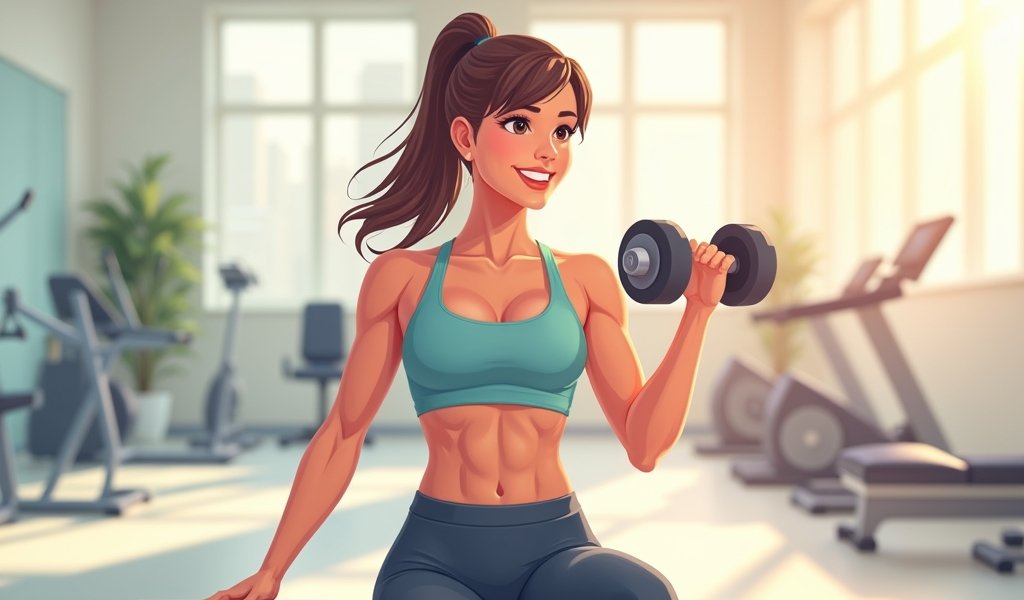
If you have access to a gym with cable machines, cable crossovers should definitely earn a spot in your breast-firming routine. What makes this exercise special is the constant tension it maintains throughout the entire movement, stimulating maximum muscle fiber recruitment in the chest.
To perform cable crossovers, stand between two cable stations with the pulleys set above shoulder height. Grab one handle in each hand and step forward slightly, creating a staggered stance for stability. With a slight bend in your elbows, draw your arms down and together in a wide arc until your hands meet at hip level. The movement resembles a downward hugging motion. Slowly return to the starting position, feeling the controlled stretch across your chest.
The beauty of cable exercises lies in their versatility. By simply changing the pulley height, you can target different portions of the chest muscle. High-to-low crossovers (as described above) emphasize the lower chest fibers, while low-to-high crossovers work the upper chest—perfect for creating that lifted appearance.
For those days when using an exercise bike for weight loss feels too monotonous, cable crossovers offer an engaging alternative that delivers visible toning results. Start with 3 sets of 12-15 repetitions using moderate resistance, focusing on smooth, controlled movements rather than heavy weight.
Wall Presses: Accessible Firming for Everyone
Not everyone has access to gym equipment or feels comfortable performing floor exercises, which is why wall presses deserve special attention. This underrated exercise requires zero equipment yet effectively targets the chest muscles to support firmer breasts—perfect for beginners or those with mobility limitations.
To perform standard wall presses, stand facing a wall at arm’s length. Place your palms flat against the wall at shoulder height, slightly wider than your shoulders. Bend your elbows to bring your chest toward the wall, maintaining a straight line from head to heels. Push back to the starting position, focusing on engaging your chest muscles throughout the movement.
The real advantage of wall presses is their adaptability. You can easily modify the intensity by adjusting your foot position—the farther your feet from the wall, the more challenging the exercise becomes. For an additional challenge, try single-arm wall presses by placing one hand on the wall and the other behind your back, which increases the demand on the working side.
Wall presses also serve as an excellent “anywhere” exercise for consistent training. Perform them during TV commercial breaks, while waiting for the kettle to boil, or even during short work breaks. This frequency can accelerate results, especially when combined with your regularly scheduled workouts.
Yoga Poses That Enhance Chest Muscle Tone
Yoga offers a gentle yet effective approach to developing chest strength and improving the appearance of firm tits. These poses combine strength, flexibility, and mindfulness—creating balanced development throughout the entire upper body while improving posture.
Cobra pose provides a gentle introduction to chest-opening movements. Lie face down with palms placed under your shoulders. Pressing lightly into your hands, lift your chest off the floor while keeping your hips grounded. This stretches the chest while strengthening the upper back muscles that support good posture.
For more intensity, incorporate chaturanga (yoga pushup) into your routine. From a plank position, lower your body halfway to the floor, keeping elbows tucked close to your ribs. This variation intensely targets the pectoral muscles and triceps. Upward facing dog follows naturally from chaturanga and creates a powerful stretch across the entire chest.
Perhaps the most effective yoga pose for chest firming is the humble plank. While primarily known as a core exercise, holding a proper plank position requires significant engagement from the chest muscles. Try holding for 30 seconds initially, gradually increasing to 60-90 seconds as your strength improves.
The advantage of yoga-based chest exercises lies in their dual action—they simultaneously strengthen chest muscles while stretching the shoulders and upper back. This balanced approach creates better overall posture, which instantly improves the appearance of your chest regardless of size.
Swimming Strokes for Complete Upper Body Toning
Swimming delivers exceptional results for those seeking firm tits through low-impact exercise. The water’s resistance creates a perfect environment for toning chest muscles without stressing joints, making it ideal for all ages and fitness levels.
The butterfly stroke offers perhaps the most intense chest workout in the pool. The powerful forward motion of sweeping both arms simultaneously forward and around requires significant pectoral strength. Even modified versions or simply practicing the arm movements while standing in chest-deep water can effectively target these muscles.
Breaststroke provides another excellent option, particularly focusing on the outer chest and shoulders. The characteristic outward sweeping motion directly engages the pectoralis major while also working the shoulders and upper back. For beginners, this stroke tends to be more accessible than the technically demanding butterfly.
Even the basic freestyle (front crawl) stroke contributes to chest firming, especially when performed with proper technique. The reach-and-pull motion repeatedly contracts and stretches the chest muscles. Swimming also delivers impressive cardiovascular benefits similar to using an exercise bike, but with added resistance for upper body toning.
If you’re new to swim training, start with 20-30 minute sessions 2-3 times weekly, alternating strokes to work different muscle groups. According to Harvard Health Publishing, regular swimming can improve overall upper body strength and posture, both critical factors in breast appearance.
Resistance Band Exercises for Home Workouts
Resistance bands offer a convenient, affordable, and highly effective tool for chest-firming exercises at home. These versatile bands provide consistent tension throughout each movement—something that’s harder to achieve with free weights—making them particularly effective for developing the pectoral muscles that support firm tits.
The resistance band chest press mimics the traditional bench press without requiring heavy equipment. Secure the band around a sturdy post or door anchor at chest height. Facing away from the anchor point, grip the handles with both hands and extend your arms forward against the resistance. The band’s increasing tension as you push forward creates an effective stimulus for muscle growth.
For an exercise that mimics the benefits of cable crossovers, try band flyes. Secure the band behind you at shoulder height, hold one end in each hand, and extend your arms out to your sides. Bring your hands together in front of your chest in a hugging motion, feeling the chest muscles contract. The adjustable resistance makes this perfect for all fitness levels.
One unique advantage of band training is the ability to perform dynamic standing exercises that engage multiple muscle groups. The standing chest expansion—where you hold the band in front of your chest and pull it apart by extending your arms—strengthens both the chest and the opposing back muscles for balanced development.
Start with a medium-resistance band and perform 15-20 repetitions of each exercise for 3 sets. As with any resistance training program, consistency yields the best results—aim for at least two dedicated chest workouts weekly while allowing 48 hours between sessions for muscle recovery.
Lifestyle Factors That Complement Your Exercise Routine
While targeted exercises form the foundation of your chest-firming journey, several lifestyle factors significantly influence your results. Nutrition plays a crucial role—adequate protein intake supports muscle repair and growth following your workouts. Aim for at least 0.8 grams of protein per kilogram of body weight daily, emphasizing lean sources like chicken, fish, legumes, and dairy.
Hydration directly impacts skin elasticity throughout the body, including the delicate skin covering the breasts. Maintaining optimal hydration levels (typically 2-3 liters daily) helps preserve skin’s natural resilience and appearance. Similarly, limiting alcohol consumption benefits both skin quality and exercise recovery.
Your sleeping position might seem trivial, but it can influence breast firmness over time. Side sleeping without proper support can stretch Cooper’s ligaments unevenly. If you’re a dedicated side sleeper, consider using a supportive pillow between your breasts to maintain alignment during rest.
Sun protection represents another often-overlooked factor. The thin skin covering the chest area is particularly vulnerable to UV damage, which breaks down collagen and elastin—proteins essential for skin firmness. Always apply sunscreen to exposed chest areas, even during everyday activities.
Finally, proper bra fit and support during exercise cannot be overstressed. A study in the Journal of Sports Sciences found that unsupported breasts during high-impact activities can move up to 14 centimeters in various directions, potentially stretching supportive tissues. Invest in quality sports bras appropriate for your activity level and breast size.
Conclusion: Your Journey to a Firmer Upper Body
The path to firm tits through exercise represents a journey of consistency, patience, and proper technique. By incorporating these ten proven exercises into your regular fitness routine, you’re not just working toward aesthetic goals—you’re building functional strength that supports overall health and confidence.
Remember that visible changes typically emerge after 6-8 weeks of consistent training. Begin with exercises that match your current fitness level, gradually progressing to more challenging variations as your strength improves. The combination of targeted resistance training, proper posture development, and supportive lifestyle habits creates the optimal environment for chest muscle toning.
I encourage you to approach this journey with realistic expectations and self-compassion. Bodies change throughout life due to countless factors—many beyond our control. The goal isn’t perfection but rather strength, health, and the confidence that comes from taking positive action.
Start today with just one or two exercises that feel accessible to you. Build consistency before variety, and celebrate the strength gains you’ll notice long before visual changes appear. Your future self will thank you for the investment in your health and well-being.
Frequently Asked Questions
How long does it take to see results from chest-firming exercises?
Most women notice initial improvements in chest muscle tone after 4-6 weeks of consistent training. Visible changes in breast appearance typically require 8-12 weeks of regular exercise, proper nutrition, and adequate recovery time.
Can exercise prevent sagging after pregnancy or weight loss?
While exercise cannot completely prevent natural changes, strengthening the chest muscles creates a more lifted appearance by improving the underlying muscle support. Combining targeted exercises with proper hydration and skin care maximizes your results.
What exercises should beginners start with?
Wall pushups, floor chest presses with light weights, and resistance band chest exercises offer accessible starting points. Focus on mastering proper form with these foundational moves before progressing to more challenging variations.
How often should I perform these chest-firming exercises?
Aim to train your chest muscles 2-3 times weekly with at least one rest day between sessions. Muscles grow stronger during recovery periods, not during the actual workout, so proper rest is essential.
Will chest exercises make my breasts smaller?
No, chest exercises won’t reduce breast size as they target the pectoral muscles beneath the breast tissue, not the breast tissue itself. These exercises can actually make breasts appear slightly more lifted by improving the supporting muscle structure.