

Overview
Ever wondered if you could get all the benefits of fasting without actually starving yourself? The Fasting Mimicking Diet (FMD) is a 5-7 day low-calorie, plant-based eating plan developed by Dr. Valter Longo that tricks your body into a fasting state while still allowing specific foods, offering benefits like cellular rejuvenation, weight loss, improved cognition, and reduced inflammation through a structured meal plan of 800-1,100 calories that’s typically repeated every 1-3 months.
Table of Contents
- What is the Fasting Mimicking Diet?
- The Science Behind the Fasting Mimicking Diet
- Key Benefits of the Fasting Mimicking Diet
- Preparing for Your Fasting Mimicking Diet
- Complete 7-Day Fasting Mimicking Diet Meal Plan
- Comprehensive Grocery List for Your FMD
- Tips for a Successful Fasting Mimicking Diet
- What to Expect During Your FMD
- Transitioning Back to Normal Eating
- Conclusion
- Frequently Asked Questions
What is the Fasting Mimicking Diet?
The fasting mimicking diet (FMD) is a nutritional approach designed to provide the health benefits of fasting while still allowing you to eat specific foods. Developed by Dr. Valter Longo at the University of Southern California’s Longevity Institute, this 5-7 day reduced-calorie diet tricks your body into a fasting state while minimizing the discomfort of traditional water fasting. If you’ve been searching for a “fasting mimicking diet meal plan PDF” to guide you through this process, you’re in the right place.
Unlike complete food restriction, the FMD allows for carefully measured portions of plant-based foods that are low in protein and carbohydrates but relatively high in healthy fats. This macronutrient composition helps maintain the fasting state’s metabolic pathways while providing essential nutrients. The plan typically reduces caloric intake to around 40% of normal consumption while maintaining proper nutrition.
What makes the FMD particularly attractive is its cyclical nature – you follow the protocol for 5-7 days, then return to your regular eating habits until your next cycle, typically 1-3 months later. This makes it more sustainable than continuous caloric restriction or frequent intermittent fasting protocols for many people who find those elimination diet meal plans too restrictive.
The Science Behind the Fasting Mimicking Diet
The fasting mimicking diet is rooted in extensive scientific research. Research published in Cell Metabolism demonstrated that cycles of the FMD promoted cellular regeneration, reduced markers of aging, and decreased risk factors for diabetes and cardiovascular disease. The magic happens through several biological mechanisms that activate when your body believes it’s in a fasting state.
When calories are restricted in the specific pattern of the FMD, your body initiates autophagy—a cellular “cleaning” process where damaged cells are broken down and recycled. This process helps remove dysfunctional cellular components that could otherwise contribute to aging and disease. Additionally, the FMD has been shown to reduce inflammation, improve insulin sensitivity, and promote stem cell regeneration.
Perhaps one of the most fascinating aspects is how the FMD affects IGF-1 (Insulin-like Growth Factor 1) levels, which play a role in aging and cancer risk. Studies show that the FMD temporarily lowers IGF-1, potentially providing protective effects against certain age-related diseases. The carefully calibrated approach allows these benefits without the extreme hunger or nutritional deficiencies that might occur with complete fasting.

Key Benefits of the Fasting Mimicking Diet
The fasting mimicking diet offers numerous evidence-backed health benefits that extend beyond simple weight management. First and foremost, the FMD has been shown to promote cellular rejuvenation through enhanced autophagy, essentially helping your body clean out damaged cells and regenerate healthier ones. This cellular renewal is particularly beneficial for supporting long-term health.
Weight loss is, of course, a common outcome for many people following the FMD protocol. However, unlike crash diets that often lead to muscle loss, the FMD helps preserve lean muscle mass while primarily targeting visceral fat—the dangerous type that accumulates around organs. Many practitioners report losing 4-7 pounds during a 5-day cycle, with some of this being water weight that returns after resuming normal eating.
Cognitive benefits shouldn’t be overlooked either. Many FMD practitioners report improved mental clarity, focus, and reduced brain fog after completing a cycle. This may be related to the diet’s effect on neurotrophic factors that support brain health. For those dealing with chronic inflammation from conditions like arthritis or inflammatory bowel issues, the anti-inflammatory effects of the FMD can be particularly valuable.
Additionally, preliminary research suggests the FMD may support metabolic health by improving insulin sensitivity and blood glucose regulation. Some studies have even indicated potential benefits for cancer patients, though this should always be discussed with healthcare providers. The beauty of these benefits is that they’re achievable through a temporary dietary change rather than permanent restriction.
Preparing for Your Fasting Mimicking Diet
Before diving into the fasting mimicking diet meal plan PDF, proper preparation is crucial for success. Start by consulting your healthcare provider, especially if you have any pre-existing health conditions, are pregnant or breastfeeding, or take medications. While the FMD is generally considered safe for healthy adults, individual situations vary significantly.
In the week leading up to your FMD, gradually reduce your consumption of caffeine, alcohol, and highly processed foods. This transition period helps minimize withdrawal symptoms and makes the calorie restriction less shocking to your system. Increasing your water intake during this preparation phase is also beneficial for hydration and helping control hunger when you begin the actual protocol.
Plan your FMD for a period when you have relatively low stress and fewer social obligations centered around food. Many people find weekdays work better than weekends for this reason. It’s also wise to clear your schedule of intense physical activity during the FMD days, as your energy levels will likely be lower than normal.
Stock your kitchen with all necessary ingredients from the grocery list below before beginning. Pre-chopping vegetables and organizing meal components can make the process much smoother when energy levels dip. Some people find it helpful to temporarily remove tempting non-FMD foods from sight to reduce willpower challenges during the restricted eating period.
Finally, set realistic expectations. While some people adapt quickly to the reduced calories, others may experience temporary side effects like headaches, fatigue, or irritability, particularly in the first 2-3 days. These typically resolve as your body adjusts to using stored fat for fuel instead of relying on frequent carbohydrate intake for energy.
Complete 7-Day Fasting Mimicking Diet Meal Plan
This comprehensive 7-day fasting mimicking diet meal plan PDF guide provides a carefully structured approach to achieve the benefits of fasting while still consuming essential nutrients. The meal plan follows Dr. Longo’s general principles of being plant-based, low in protein and sugar, and moderately high in healthy fats.
Day 1 (Transition Day: 1,100 calories)
Breakfast: Avocado green smoothie (1/2 avocado, 1 cup spinach, 1/2 cucumber, 1 tbsp chia seeds, water)
Lunch: Kale salad with 1 tbsp olive oil, 1/4 cup walnuts, and lemon juice
Dinner: 1 cup butternut squash soup with 1 tbsp coconut oil and turmeric
Snack: 10 olives and herbal tea
Days 2-6 (Restricted Days: 800 calories each)
Day 2
Breakfast: Herbal tea and 1 tbsp almond butter with celery sticks
Lunch: 2 cups vegetable broth with 1/2 cup steamed broccoli
Dinner: Cauliflower “rice” (3/4 cup) with 1 tbsp olive oil and herbs
Snack: 5 macadamia nuts and herbal tea
Day 3
Breakfast: Green tea and 1/4 avocado with lemon
Lunch: Spinach soup with 1 tsp coconut oil
Dinner: Zucchini noodles (1 cup) with 2 tbsp pesto (oil, basil, pine nuts)
Snack: 1 cup strawberries and herbal tea
Day 4
Breakfast: Herbal tea and 1 tbsp coconut oil
Lunch: Cucumber and tomato salad with 1 tbsp olive oil
Dinner: Roasted asparagus (1 cup) with 1 tbsp tahini sauce
Snack: 7 almonds and peppermint tea
Day 5
Breakfast: Green tea and 1/2 cup blueberries
Lunch: Mushroom broth with shiitake mushrooms
Dinner: Cabbage stir-fry with 1 tbsp sesame oil and ginger
Snack: 6 walnuts and chamomile tea
Day 6
Breakfast: Herbal tea with 1 tbsp flaxseed oil
Lunch: Vegetable broth with kale and lemon
Dinner: Roasted brussels sprouts (3/4 cup) with 1 tbsp olive oil
Snack: 1/4 avocado with sea salt
Day 7 (Transition Day: 1,000 calories)
Breakfast: Green smoothie (spinach, 1/2 banana, 1 tbsp almond butter)
Lunch: Mixed greens salad with 1 tbsp olive oil and lemon
Dinner: 1/2 cup sweet potato with 1 tbsp coconut oil and cinnamon
Snack: 1/4 cup blueberries with 5 almonds
Throughout the entire 7-day plan, ensure you’re drinking plenty of water (at least 8-10 glasses daily) and herbal teas as needed. For those who struggle with digestive sensitivities, modifications can be made while maintaining the core FMD principles.
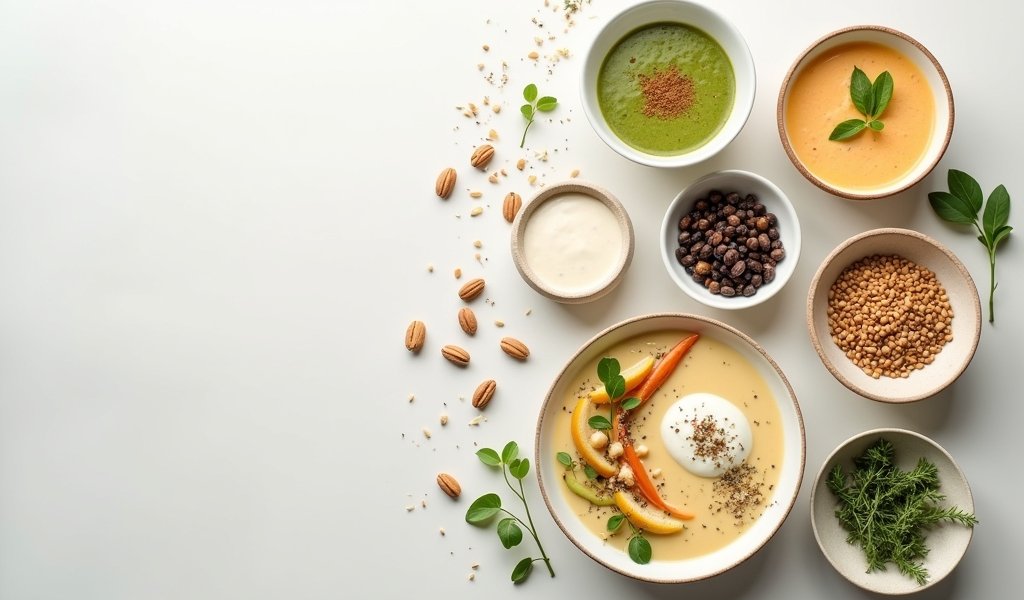
Comprehensive Grocery List for Your FMD
Having all ingredients on hand before starting your fasting mimicking diet is essential for success. Here’s a complete shopping list organized by category to help you prepare:
Vegetables:
- Spinach (fresh and frozen)
- Kale
- Broccoli
- Cauliflower
- Zucchini
- Cucumber
- Tomatoes
- Asparagus
- Brussels sprouts
- Cabbage
- Butternut squash
- Sweet potato (small amount for Day 7)
- Celery
- Mushrooms (especially shiitake)
Fruits (limited quantities):
- Avocados
- Lemons
- Strawberries
- Blueberries
- Banana (half for Day 7 only)
Healthy Fats:
- Extra virgin olive oil
- Coconut oil
- Sesame oil
- Flaxseed oil
- Tahini
Nuts and Seeds (small portions):
- Almonds
- Walnuts
- Macadamia nuts
- Pine nuts (for pesto)
- Chia seeds
Other Items:
- Vegetable broth (low-sodium)
- Mushroom broth
- Herbal teas (various types)
- Green tea
- Almond butter (unsweetened)
- Olives
- Fresh herbs (basil, parsley, etc.)
- Spices (turmeric, ginger, cinnamon, salt, pepper)
For optimal results, choose organic produce when possible and avoid any products with added sugars or preservatives. While this list may seem extensive, many items will last beyond your 7-day protocol and can be used in future FMD cycles or incorporated into your regular diet.
Tips for a Successful Fasting Mimicking Diet
Successfully completing a fasting mimicking diet requires more than just following a meal plan. These practical strategies can make your experience smoother and more rewarding:
Timing your FMD strategically can make a world of difference. Many people find starting on a Monday works well, as weekday routines often have fewer social eating obligations. Additionally, research suggests that meal timing affects metabolic outcomes, so try to eat your limited calories earlier in the day when possible.
Stay well hydrated throughout the protocol. Sometimes what feels like hunger is actually thirst, and drinking water or herbal tea can help manage hunger pangs. Aim for at least 2-3 liters daily, adding lemon or cucumber for flavor if plain water becomes monotonous.
Preparation is crucial for avoiding temptation. Batch-prepare broths and cut vegetables ahead of time so meals are quick to assemble when hunger strikes. Having everything ready means you’re less likely to grab something off-plan when energy levels dip.
Manage hunger by spacing your limited calories throughout the day rather than consuming them all at once. The small but frequent eating approach can help stabilize blood sugar and prevent extreme hunger. Try brushing your teeth after meals as well—the minty freshness can reduce the desire to continue eating.
Adjust your activity level appropriately. While gentle movement like walking or light yoga can be beneficial, this isn’t the time for high-intensity workouts. Your energy reserves are limited, so honor what your body needs. Many find that gentle stretching helps with any muscle stiffness that might occur.
Track your experience in a journal. Note energy levels, mood changes, sleep quality, and any other observations. This information is invaluable for optimizing future cycles and recognizing patterns in how your body responds to the protocol.
What to Expect During Your FMD
Understanding the typical progression of symptoms and experiences during the fasting mimicking diet can help you stay committed when challenges arise. Everyone’s body responds differently, but there are some common patterns worth noting.
Days 1-2 are typically the most challenging for most people. You might experience headaches (especially if you’re withdrawing from caffeine), fatigue, or irritability as your body adjusts to reduced calorie intake. These symptoms are normal and typically subside as your body transitions to using fat stores for energy.
By days 3-4, many people report entering a state of heightened mental clarity and reduced hunger. This is when ketosis typically kicks in—the metabolic state where your body efficiently burns fat for fuel. You might notice a slightly sweet or metallic taste in your mouth, which is a common sign of ketosis.
Energy fluctuations are normal throughout the protocol. Some people experience waves of high energy followed by periods of fatigue. Listen to your body during these fluctuations and rest when needed. Light activity like gentle walking can actually help boost energy when you’re feeling sluggish.
Sleep patterns may temporarily change during the FMD. Some people report needing less sleep but experiencing deeper, more restorative rest. Others might have initial difficulty falling asleep but find this normalizes after a few days. If you experience disrupted sleep, try relaxation techniques like meditation before bedtime.
Digestive changes are also common. You might experience less frequent bowel movements due to reduced food intake, which is normal. However, the high vegetable content should help maintain some regularity. Stay hydrated to support healthy digestion throughout the protocol.
Transitioning Back to Normal Eating
How you break your fasting mimicking diet is just as important as the diet itself. After restricting calories for several days, your digestive system needs a gentle transition back to normal eating to maximize benefits and prevent discomfort.
On the first day after completing your FMD, stick to easily digestible foods like soups, smoothies, and steamed vegetables. Introducing too much food too quickly, particularly heavy proteins or complex carbohydrates, can cause digestive distress and negate some of the benefits you’ve worked hard to achieve.
Gradually increase portion sizes over 2-3 days rather than immediately returning to your pre-FMD caloric intake. This gentle ramping up helps your body readjust and extends some of the metabolic benefits of the fasting period. Pay particular attention to protein reintroduction, starting with plant-based sources before adding animal proteins if they’re part of your regular diet.
Use this transition period as an opportunity to establish healthier eating habits. Many people find that the FMD resets their taste buds and reduces cravings for ultra-processed foods and sugar. Capitalize on this reset by focusing on whole, nutrient-dense foods as you return to normal eating.
Listen carefully to your body’s hunger and fullness cues during this transition. After the FMD, many people report greater awareness of true hunger versus emotional or habitual eating. This heightened awareness can help establish a healthier relationship with food if you maintain attention to these signals.
Plan your next FMD cycle based on your goals and experience. Dr. Longo’s research suggests doing the protocol for 5 consecutive days every 1-3 months for healthy individuals, or more frequently (after consulting healthcare providers) for those addressing specific health concerns.
Conclusion
The fasting mimicking diet offers a scientifically-backed approach to achieving many of fasting’s benefits while minimizing the challenges of complete food restriction. This 7-day fasting mimicking diet meal plan PDF provides a structured yet flexible framework to guide you through the process safely and effectively.
While the caloric restriction may present temporary challenges, the potential rewards—from cellular renewal and reduced inflammation to improved metabolic health—make it worth considering for many health-conscious individuals. The carefully designed meal patterns and food selections ensure you receive essential nutrients while still triggering the body’s fasting-related pathways.
Remember that the FMD is not about permanent deprivation but rather periodic metabolic reset. The cyclical nature of following the protocol for a short period, then returning to normal healthy eating, makes it sustainable for long-term health management. As with any significant dietary change, consulting healthcare providers before beginning is always recommended, particularly for those with existing health conditions.
By approaching the FMD with proper preparation, realistic expectations, and attentiveness to your body’s responses, you can maximize its benefits while minimizing discomfort. Whether your goals involve longevity, weight management, metabolic health, or simply experiencing the clarity many report during controlled fasting, this comprehensive guide provides the framework for your success.
Frequently Asked Questions
Can I drink coffee during the fasting mimicking diet?
Coffee is typically not recommended during the FMD as caffeine can interfere with some of the metabolic pathways. Switch to herbal teas or decaffeinated green tea instead.
How often should I repeat the fasting mimicking diet?
For healthy individuals, Dr. Longo typically recommends following the FMD for 5 consecutive days every 1-3 months. Those with specific health concerns might benefit from more frequent cycles after consulting healthcare providers.
Will I regain the weight lost after completing the FMD?
Some initial weight loss is water weight that may return, but fat loss can be maintained with proper nutrition after the FMD. The key is transitioning to healthy eating habits rather than returning to problematic dietary patterns.
Can I exercise during the fasting mimicking diet?
Light activities like walking and gentle yoga are generally fine during the FMD. Avoid high-intensity workouts as your energy reserves are limited during caloric restriction.
Is there a commercial version of the fasting mimicking diet?
Yes, Dr. Longo created ProLon, a prepackaged 5-day FMD program. Alternatively, this meal plan PDF provides a more affordable, customizable approach while maintaining the core FMD principles.