
Overview
This article explores various exercise classes beneficial for seniors, including water-based exercises, gentle yoga, Tai Chi, Silver Sneakers programs, and dance classes, highlighting how each option improves physical health, cognitive function, and social connection while accommodating different mobility levels. It provides practical guidance on choosing appropriate classes based on individual needs, getting started safely, and finding local options, emphasizing that regular exercise significantly enhances quality of life and independence for older adults.
Table of Contents
- Benefits of Exercise Classes for Seniors
- Water-Based Exercise Classes
- Gentle Yoga and Chair Yoga
- Tai Chi and QiGong for Seniors
- Silver Sneakers and Similar Programs
- Dance Classes for Seniors
- How to Choose the Right Exercise Class
- Getting Started: Tips for Success
- Finding Classes Near You
- Conclusion
- Frequently Asked Questions
As we age, staying active becomes increasingly important for maintaining health, independence, and quality of life. Exercise doesn’t just keep our bodies strong—it helps preserve cognitive function, elevates mood, and creates opportunities for social connection. For many seniors, finding the right exercise class can be transformative, offering benefits that extend far beyond physical fitness.
Specialized exercise classes for seniors provide safe, effective workouts tailored to the unique needs of older adults. Whether you’re managing arthritis, recovering from surgery, or simply looking to stay fit, there’s a class perfectly suited to your goals and abilities. Let’s explore some of the best exercise classes near me for seniors and how they can enhance your golden years.
Benefits of Exercise Classes for Seniors
Regular exercise offers numerous benefits for older adults, many of which are amplified when working out in a group setting. According to the National Institute on Aging, seniors who exercise regularly experience improved strength, balance, and flexibility—three physical attributes that help prevent falls and maintain independence.
Beyond physical benefits, participating in group fitness classes provides crucial social interaction. Many seniors face isolation, which research links to higher risks of depression, cognitive decline, and even mortality. Exercise classes create regular opportunities for meaningful connection while simultaneously improving health.
Additional benefits include:
- Enhanced cardiovascular health and endurance
- Better management of chronic conditions like diabetes and hypertension
- Improved sleep quality
- Reduced anxiety and depression symptoms
- Maintained cognitive function
- Increased confidence in everyday movements
Perhaps most importantly, exercise classes specifically designed for seniors provide these benefits in a safe, supportive environment. Instructors certified in senior fitness understand age-related concerns and modify exercises appropriately, reducing injury risk while maximizing results.
Water-Based Exercise Classes
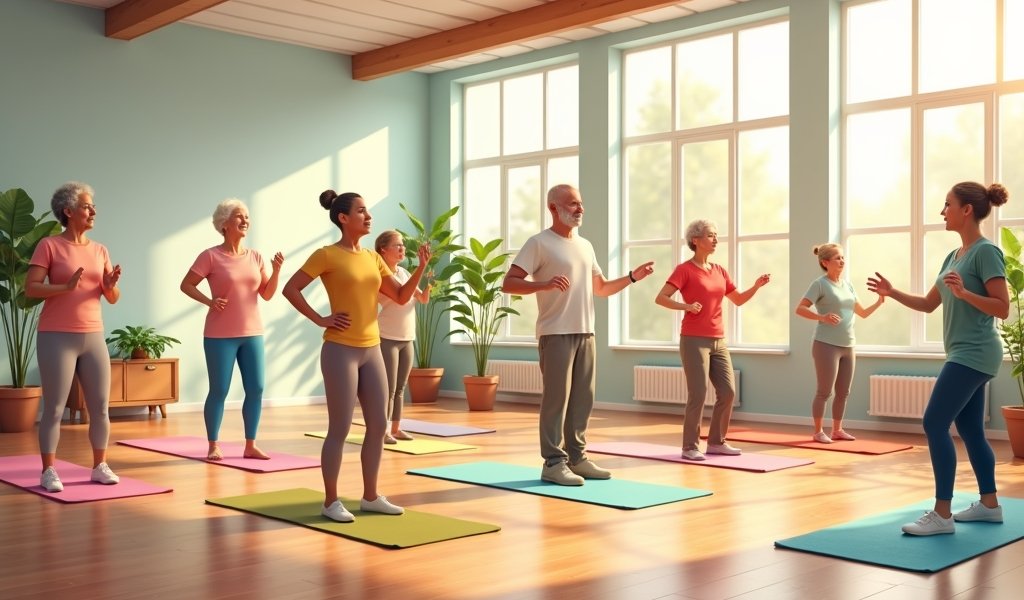
Water-based exercises offer unique advantages for seniors. The buoyancy of water reduces stress on joints while providing natural resistance, making aquatic workouts both gentle and effective. For those with arthritis, osteoporosis, or balance concerns, water exercises can be life-changing.
Aqua aerobics classes typically take place in shallow water where participants perform choreographed movements set to music. The water provides 12 times more resistance than air, creating an effective workout with minimal joint impact. Many seniors who cannot comfortably exercise on land find freedom of movement in the water.
Water walking is another excellent option, particularly for beginners. Simply walking through water—whether in dedicated lanes or during open pool times—provides significant resistance training. Some facilities offer specialized equipment like aquatic dumbbells or resistance gloves to enhance the workout.
Most YMCAs, community recreation centers, and many senior centers offer water exercise programs. Classes typically range from $8-15 per session, though many Medicare Advantage plans cover membership costs. Before attending, check if the pool is heated (ideally 83-88°F for senior classes) and whether the facility has adequate accessibility features like ramps or lifts.
Gentle Yoga and Chair Yoga
Yoga offers extraordinary benefits for seniors, including improved flexibility, balance, and stress reduction. Two modifications—gentle yoga and chair yoga—are particularly well-suited to older adults with varying mobility levels.
Gentle yoga classes feature traditional poses adapted for seniors, with more attention to alignment and proper form. Movements are slower, holds are shorter, and props like blocks and straps are commonly used to make poses accessible. These classes focus on maintaining range of motion, building core strength, and improving balance—all crucial for preventing falls.
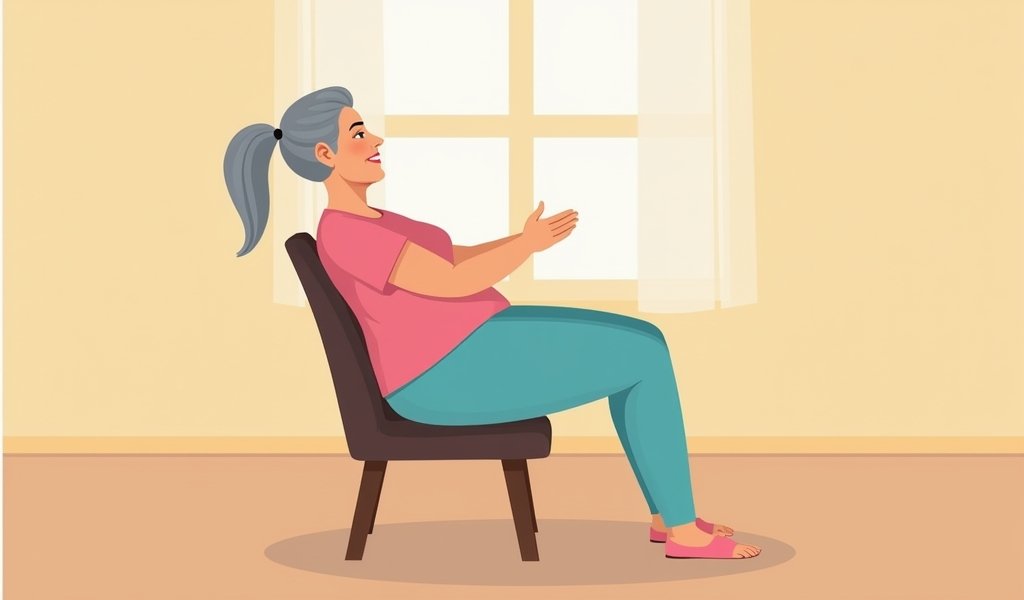
Chair yoga takes adaptation further by using a sturdy chair for support. Participants can perform many yoga poses while seated or using the chair for balance during standing poses. This format works wonderfully for those with limited mobility, balance concerns, or who cannot easily get up from the floor.
Beyond physical benefits, yoga’s emphasis on mindful breathing helps reduce stress and anxiety. Many seniors report improved sleep and decreased pain after regular practice. The research supports these benefits, showing yoga can significantly improve quality of life for older adults.
Local senior centers, yoga studios, and community colleges commonly offer senior-specific yoga classes. Expect to pay $10-15 per class, though many venues offer discounted package rates or free community classes. Before starting, inform your instructor about any health conditions or mobility concerns so they can suggest appropriate modifications.
Tai Chi and QiGong for Seniors
Tai Chi and QiGong—ancient Chinese practices combining gentle movement with mindfulness—are increasingly popular among seniors. These practices emphasize slow, flowing movements coordinated with breath, making them accessible to people of various fitness levels.
Research consistently shows Tai Chi improves balance and reduces fall risk in older adults. A study published in the Journal of the American Geriatrics Society found that seniors who practiced Tai Chi experienced 43% fewer falls than non-practitioners. The controlled movements strengthen legs and core while improving proprioception—your body’s awareness of its position in space.
Both Tai Chi and QiGong offer mental health benefits alongside physical ones. The meditative aspects of these practices reduce stress, lower blood pressure, and improve concentration. Many seniors report feeling more centered and calm after regular practice.
Classes typically progress slowly, with participants learning a series of movements (called forms) over time. The gentle nature of these practices makes them suitable for most seniors, including those with chronic conditions like arthritis or heart disease. Comfortable clothes and flat-soled shoes are all you need to begin.
Parks and recreation departments, senior centers, and community colleges commonly offer Tai Chi and QiGong classes. Many instructors also hold sessions in public parks during warmer months. Classes generally cost $8-12, though some community programs offer free or donation-based options.
Silver Sneakers and Similar Programs
Silver Sneakers, the nation’s leading fitness program for older adults, offers specially designed exercise classes through Medicare Advantage plans. If you’re eligible, you can access thousands of participating gyms and fitness studios near me at no additional cost.
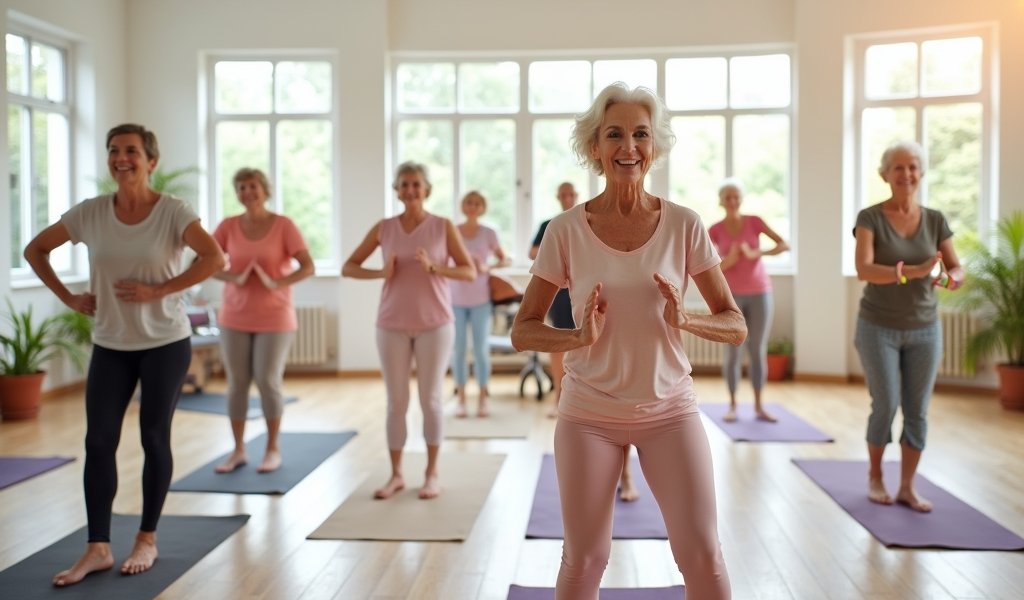
Silver Sneakers Classic, the foundational class, focuses on strengthening muscles and increasing range of motion using hand weights, elastic tubing, and balls. Chairs are available for support, making these classes accessible to nearly everyone. Other offerings include circuit training, cardio fit, and yoga.
Similar programs include Silver&Fit (through certain Medicare Advantage plans) and Renew Active (UnitedHealthcare). Each provides access to fitness facilities and classes specifically designed for seniors. Many also offer online classes for those who prefer or need to exercise at home.
To determine eligibility, contact your Medicare Advantage provider or visit the Silver Sneakers website to check your status. If covered, you’ll receive a membership ID that grants access to participating locations nationwide.
For those without coverage, many gyms offer senior-specific programs with similar formats at reasonable rates. Local YMCAs, for instance, typically offer discounted senior memberships and classes tailored to older adults’ needs.
Dance Classes for Seniors
Dance combines physical activity with social engagement and cognitive stimulation, creating a triple benefit for senior health. Research shows dancing regularly can improve cardiovascular fitness, balance, coordination, and even memory in older adults.
Senior-friendly dance classes come in many forms. Ballroom dancing teaches classic styles like waltz, foxtrot, and swing in partner formats. Line dancing eliminates the need for partners while providing excellent low-impact exercise. Zumba Gold offers Latin-inspired fitness that’s modified for older adults with simpler choreography and lower intensity.
The cognitive benefits of dance are particularly noteworthy. Learning and remembering dance steps challenges the brain in ways that may help prevent cognitive decline. A landmark 21-year study published in the New England Journal of Medicine found dancing was the only physical activity associated with a lower risk of dementia.
Local dance studios, senior centers, and community colleges frequently offer senior dance programs. Costs vary widely, from free community programs to $10-15 per class at private studios. Many venues offer “senior socials” where dancing is combined with refreshments and socializing.
No special equipment is needed beyond comfortable clothing and shoes with smooth (but not slippery) soles. Many classes welcome complete beginners, so previous dance experience isn’t necessary.
How to Choose the Right Exercise Class
Finding the perfect exercise class involves matching the activity to your health status, fitness goals, and personal preferences. Begin by consulting your healthcare provider, especially if you have chronic conditions like heart disease, diabetes, or arthritis. They can advise on appropriate exercise types and necessary precautions.
Consider your fitness level honestly. If you’ve been sedentary, start with gentle classes like chair yoga or water exercise before progressing to more demanding options. Remember that even mild activity provides significant benefits—there’s no need to push too hard too soon.
When evaluating specific classes, ask these questions:
- Is the instructor certified in senior fitness?
- How does the instructor accommodate different ability levels?
- What is the typical age range and fitness level of participants?
- Is the facility accessible (parking, elevator access, etc.)?
- What is the class size? Smaller classes often mean more individual attention.
Most importantly, choose activities you enjoy. Exercise adherence depends largely on finding activities that feel rewarding rather than burdensome. Try several different classes before committing to a regular schedule, and don’t hesitate to switch if a class doesn’t meet your needs or expectations.
Getting Started: Tips for Success
Beginning a new exercise program can feel daunting, but these practical tips can ease the transition:
- Start slowly and progress gradually. One or two classes per week is a reasonable beginning.
- Wear comfortable, non-restrictive clothing and supportive shoes appropriate for your activity.
- Arrive 10-15 minutes early for your first class to meet the instructor and explain any health concerns.
- Bring water and drink regularly, even if you don’t feel thirsty.
- Use proper breathing techniques—never hold your breath during exertion.
- Focus on form rather than intensity, especially when learning new movements.
Listen to your body attentively. Some muscle soreness is normal after exercise, especially when starting something new. However, sharp pain, dizziness, or unusual shortness of breath are signals to stop immediately.
Consider bringing a friend to classes. Having an exercise buddy improves accountability and makes the experience more enjoyable. Many facilities offer referral discounts, making this approach economical as well as motivational.
Set realistic goals and track your progress. Simple metrics like increased walking duration, improved balance, or greater range of motion provide tangible evidence of improvement. Celebrate these victories, no matter how small they might seem.
Finding Classes Near You
Multiple resources exist to help locate senior exercise classes in your area. Start with these common venues:
- Senior centers and community centers
- YMCAs and other fitness facilities
- Parks and recreation departments
- Community colleges (many offer senior fitness through continuing education)
- Retirement communities (which often welcome non-residents to fitness programs)
- Local hospitals and healthcare systems (many offer wellness programs)
Online resources can streamline your search. The Silver Sneakers website allows you to search for participating facilities by zip code. The National Council on Aging’s website provides information about evidence-based fitness programs for seniors. Your local Area Agency on Aging can also direct you to appropriate exercise options.
Don’t overlook online classes, which have expanded dramatically in recent years. Organizations like the National Institute on Aging offer free exercise videos specifically designed for seniors. These can supplement in-person classes or provide alternatives when attendance isn’t possible.
When contacting facilities, ask specific questions about instructor qualifications, class size, and accessibility features. Many places offer free trial classes or observation opportunities so you can assess the fit before committing.
Conclusion
Regular exercise is one of the most powerful tools for maintaining health, independence, and quality of life as we age. The right exercise class does more than strengthen your body—it can brighten your outlook, sharpen your mind, and connect you with a supportive community.
Whether you choose the gentle resistance of water aerobics, the mindful movements of Tai Chi, or the joyful steps of a dance class, the key is consistency. Even moderate activity, when performed regularly, yields remarkable benefits for physical and mental health.
Remember that it’s never too late to begin. Research consistently shows that adults in their 70s, 80s, and beyond can gain significant strength, improve balance, and enhance cardiovascular fitness through appropriate exercise. The human body remains remarkably adaptable throughout life.
Take that first step—find a class that interests you and give it a try. Your future self will thank you for the gift of movement, strength, and community that comes from regular participation in senior exercise classes.
Frequently Asked Questions
How often should seniors exercise?
Healthy adults over 65 should aim for at least 150 minutes of moderate aerobic activity weekly, plus strength training twice weekly. This can be divided into 30-minute sessions five days a week or shorter, more frequent sessions.
Are exercise classes safe for seniors with chronic conditions?
Most seniors with chronic conditions can safely participate in appropriately modified exercise classes. Consult your healthcare provider first, then choose classes specifically designed for older adults with instructors certified in senior fitness.
How much do senior exercise classes typically cost?
Costs range from free community programs to $15-20 per class at private studios. Many Medicare Advantage plans cover fitness programs like Silver Sneakers at no additional cost.
What should I wear to an exercise class?
Wear comfortable, non-restrictive clothing that allows easy movement and shoes appropriate for your activity. Layers are helpful for adjusting to temperature changes during exercise.
How do I know if an exercise class is too strenuous?
You should be able to carry on a conversation during exercise—if you’re too breathless to speak, the intensity is too high. Stop immediately if you experience dizziness, chest pain, or unusual shortness of breath.