
Overview
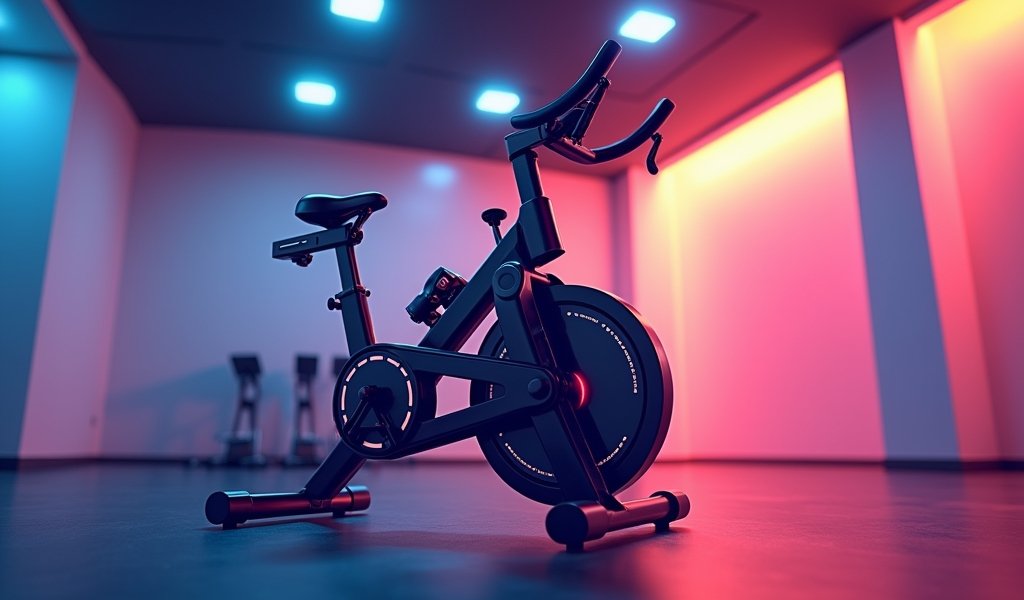
This article provides detailed guidance on using exercise bikes for weight loss, covering bike types, workout routines, proper technique, nutritional considerations, progress tracking methods, and common mistakes to avoid. It emphasizes that exercise bikes are effective for sustainable weight loss due to their accessibility, joint-friendly nature, and ability to provide varied workouts that burn 400-800 calories per hour when used consistently 4-5 times weekly for 30-45 minute sessions.
Table of Contents
- Why Choose Exercise Bikes for Weight Loss?
- The Benefits of Exercise Bikes for Weight Loss
- Types of Exercise Bikes: Finding Your Perfect Match
- Effective Exercise Bike Workout Routines for Weight Loss
- Proper Form and Technique for Maximum Results
- Nutritional Considerations for Enhanced Results
- Tracking Your Progress Effectively
- Common Mistakes to Avoid When Using an Exercise Bike
- Conclusion
- Frequently Asked Questions
Why Choose Exercise Bikes for Weight Loss?
When it comes to effective weight loss tools, exercise bikes stand out as one of the most accessible and efficient options available. As a cardiovascular powerhouse, an exercise bike for weight loss provides a perfect balance of intensity and joint-friendly movement that suits almost everyone—from fitness beginners to seasoned athletes. What makes these stationary wonders particularly appealing is their ability to burn significant calories while being gentle on your knees, hips, and ankles.
Unlike high-impact exercises like running, cycling eliminates jarring movements that can lead to injury, making it a sustainable option for consistent, long-term weight management. The controlled environment also eliminates weather constraints and safety concerns associated with outdoor cycling, allowing you to maintain your weight loss journey year-round without interruption.
The beauty of exercise bikes lies in their versatility. Whether you prefer quick HIIT sessions that maximize calorie burn in minimal time or steady-state cardio that builds endurance while torching fat, an exercise bike accommodates various workout styles. This adaptability makes it easier to stay committed to your weight loss goals without falling into the monotony that often leads to exercise abandonment.
The Benefits of Exercise Bikes for Weight Loss
Exercise bikes offer a remarkable collection of benefits that make them ideal companions on your weight loss journey. First and foremost, they deliver impressive calorie-burning potential—a moderate-intensity session can help you burn between 400-600 calories per hour, depending on your weight and effort level. This caloric deficit is crucial for weight loss when combined with proper nutrition.
Beyond the immediate calorie burn, regular cycling sessions boost your metabolic rate. This means your body continues burning calories at an enhanced rate even after you’ve finished exercising, a phenomenon known as excess post-exercise oxygen consumption (EPOC) or the “afterburn effect.” The lower body focus of cycling also builds lean muscle mass in your quadriceps, hamstrings, calves, and glutes—all large muscle groups that, when strengthened, further increase your resting metabolic rate.
The consistency factor cannot be overstated. Unlike outdoor activities that might be hampered by weather, safety concerns, or seasonal changes, an exercise bike sits reliably in your home, ready whenever you are. This accessibility dramatically increases the likelihood of maintaining a regular exercise routine—the true secret to sustainable weight loss.
Additionally, exercise bikes provide excellent options for interval training, which research has shown to be particularly effective for fat loss. Alternating between periods of high intensity and recovery allows you to push your limits safely while maximizing calorie burn in shorter workout sessions—perfect for busy schedules that might otherwise derail weight loss efforts.
Types of Exercise Bikes: Finding Your Perfect Match
Finding the right type of exercise bike can significantly impact your weight loss success. Each variety offers distinct advantages that might better align with your specific needs and preferences.
Upright bikes most closely mimic traditional outdoor cycling. They engage your core muscles more intensively as you lean forward slightly during your workout. This engagement means you’re not only burning calories through pedaling but also strengthening your abdominal muscles simultaneously. Upright bikes typically take up less space, making them ideal for smaller homes or apartments where exercise space is limited.
Recumbent bikes feature a laid-back, seated position with a larger, more comfortable seat and back support. This design redistributes your weight more evenly and reduces stress on your lower back, making them particularly suitable for individuals with back problems, seniors, or those recovering from injury. While they might engage the core slightly less than upright versions, they excel at targeting the lower body and allow for longer, more comfortable workouts—a critical factor for sustained weight loss efforts.
Spin bikes, designed to replicate the road cycling experience, feature a weighted flywheel and allow for more intense workouts. The ability to stand while pedaling on these bikes means you can significantly increase workout intensity, engage more muscle groups, and potentially burn more calories. Their adjustability also makes them highly customizable to different body types and fitness levels.
Air bikes (or fan bikes) provide full-body workouts by incorporating moving handlebars that engage your upper body. The resistance increases automatically the harder you work, making them extraordinarily effective for high-intensity interval training. These bikes excel at maximizing calorie burn in minimal time—a valuable feature for efficient weight loss.
When selecting your ideal exercise bike for weight loss, consider your fitness level, any physical limitations, available space, budget, and the type of workout experience you prefer. The best exercise bike is ultimately the one you’ll use consistently, as regularity trumps all other factors when it comes to successful weight management.
Effective Exercise Bike Workout Routines for Weight Loss
Creating effective workout routines on your exercise bike is essential to maximize weight loss results while keeping your motivation high. Let’s explore several science-backed approaches that deliver exceptional calorie-burning potential.
Steady-state cardio forms the foundation of many successful weight loss programs. This approach involves maintaining a moderate intensity (about 65-75% of your maximum heart rate) for extended periods, typically 30-60 minutes. This zone optimizes fat utilization as fuel while remaining sustainable enough to perform regularly. For beginners, start with 20-minute sessions three times weekly, gradually increasing duration as your fitness improves.
High-intensity interval training (HIIT) has revolutionized weight loss exercise by delivering maximum results in minimum time. A basic HIIT routine on your exercise bike might include:
- 5-minute warm-up at easy resistance
- 30 seconds of all-out effort (80-90% of maximum capacity)
- 90 seconds of active recovery at low resistance
- Repeat this cycle 8-10 times
- 5-minute cool-down at easy resistance
This approach not only burns significant calories during the workout but also triggers the afterburn effect, where your metabolism remains elevated for hours afterward. According to research published in the Journal of Strength and Conditioning Research, HIIT can burn 25-30% more calories than steady-state exercise in the same time period.
Pyramid workouts offer another effective approach by gradually increasing intensity then decreasing it. A sample pyramid workout might look like:
- 5-minute warm-up
- 1 minute at moderate resistance
- 2 minutes at medium-high resistance
- 3 minutes at high resistance
- 4 minutes at very high resistance
- 3 minutes at high resistance
- 2 minutes at medium-high resistance
- 1 minute at moderate resistance
- 5-minute cool-down
For those with more time, endurance-focused sessions of 45-60 minutes at a moderate intensity build aerobic capacity while steadily burning calories. These longer sessions are particularly effective at training your body to utilize fat stores efficiently—a valuable adaptation for weight loss.
For optimal results, aim to incorporate a mix of these workout styles throughout your week. This variety not only prevents adaptation (which can stall progress) but also reduces the risk of overuse injuries while keeping your motivation high through diversified challenges.
Proper Form and Technique for Maximum Results
Mastering proper form on your exercise bike isn’t just about preventing injury—it’s also about maximizing calorie burn and ensuring you’re targeting the right muscle groups. Let’s break down the essential elements of proper cycling technique that can significantly enhance your weight loss results.
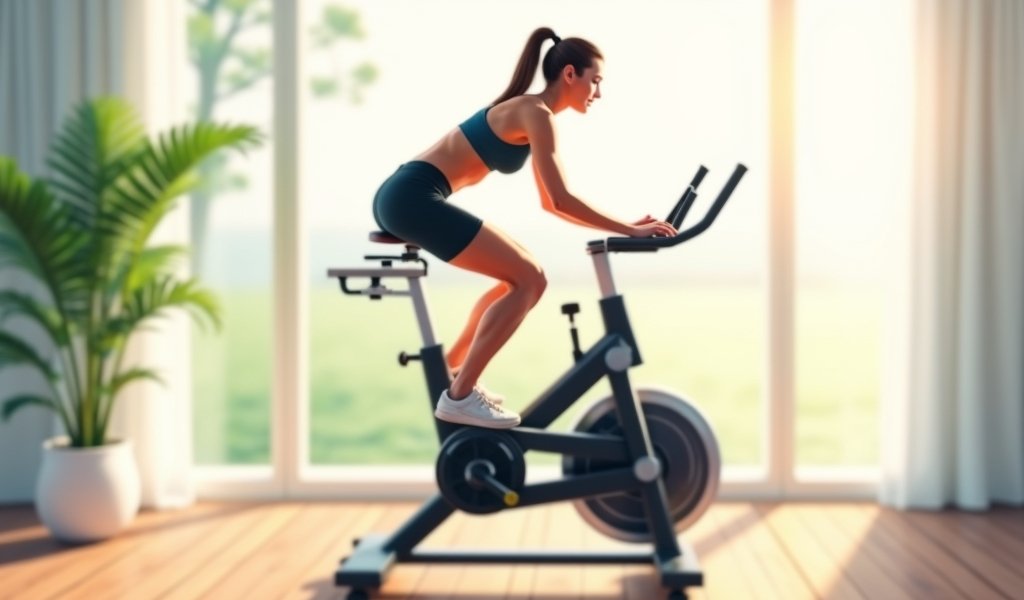
Correct seat height forms the foundation of effective cycling. When your pedal is at its lowest position, your knee should have a slight bend of about 25-30 degrees. If your seat is too low, you’ll not only risk knee strain but also reduce power output and calorie burn. Conversely, if it’s too high, you’ll rock your hips to reach the pedals, potentially causing back pain and reducing workout efficiency.
Handlebar position should allow for a slight forward lean with your back straight, not hunched. This position optimizes breathing capacity and engages your core muscles throughout the workout. Your elbows should remain slightly bent to absorb vibrations and prevent shoulder tension.
Pedaling technique makes a substantial difference in workout effectiveness. Rather than simply pushing down, focus on creating a smooth, circular motion where you’re actively pulling up on the upstroke as well. This full-cycle engagement recruits more muscle fibers, increases caloric expenditure, and develops more balanced leg strength. Visualize scraping mud off the bottom of your shoes as your foot comes through the bottom of the pedal stroke.
Resistance management is crucial for weight loss success. Many beginners make the mistake of setting resistance too low, which can limit muscle engagement and calorie burn. Conversely, setting it too high may force you to compromise form or reduce workout duration. The ideal resistance should challenge you while still allowing you to maintain proper form and cadence for your selected workout style.
Nutritional Considerations for Enhanced Results
While your exercise bike forms a powerful tool for weight loss, combining your cycling routine with appropriate nutritional strategies can dramatically accelerate your results. Remember that sustainable weight loss ultimately depends on creating a calorie deficit—burning more calories than you consume—but the quality of those calories significantly impacts your energy levels, recovery, and overall success.
Timing your meals around your workouts can optimize both performance and recovery. For morning sessions, consider a light, carbohydrate-focused snack about 30 minutes before riding to provide energy without digestive discomfort. Options like a banana, toast with a thin spread of nut butter, or a small yogurt can provide sufficient fuel. For afternoon or evening workouts, ensure your most recent meal was 2-3 hours prior, allowing for digestion while still providing energy reserves.
Post-workout nutrition plays a crucial role in recovery and continued weight loss progress. Within 30-45 minutes after completing your session, consume a combination of protein and carbohydrates to replenish glycogen stores and support muscle repair. This recovery window represents a prime opportunity for nutrient absorption and can help mitigate excessive hunger later in the day.
Hydration deserves special attention when using an exercise bike for weight loss. Even mild dehydration can reduce performance by up to 30% and may masquerade as hunger, potentially leading to unnecessary snacking. Aim to drink 16-20 ounces of water 2 hours before your workout, 7-10 ounces every 20 minutes during exercise, and at least 16 ounces afterward to replace lost fluids.
While creating a calorie deficit is necessary for weight loss, extreme restriction can backfire by slowing your metabolism and reducing exercise performance. Instead, focus on moderate, sustainable calorie reduction (typically 500-750 calories below maintenance level) combined with nutrient-dense food choices that support your increased physical activity. This balanced approach proves far more effective for long-term success than severe restriction.
Tracking Your Progress Effectively
Monitoring your progress while using an exercise bike for weight loss serves multiple crucial functions: it provides objective feedback on your efforts, helps identify what’s working (and what isn’t), and offers powerful motivation when you might otherwise feel discouraged. Implementing a comprehensive tracking system significantly increases your chances of long-term success.
While the scale provides one metric, it shouldn’t be your only progress indicator. Body weight naturally fluctuates due to factors like hydration, muscle glycogen, and hormonal changes—particularly for women. Consider weighing yourself under consistent conditions (same time of day, same clothing) no more than once weekly to observe meaningful trends rather than daily fluctuations.
Measurements often reveal progress when the scale remains stubborn. Monthly measurements of your chest, waist, hips, thighs, and arms can demonstrate body composition changes that weight alone doesn’t capture. Many successful exercise bike users discover they’re losing inches while maintaining stable weight—a positive indication that they’re gaining muscle while losing fat.
Performance metrics provide particularly valuable feedback for exercise bike enthusiasts. Tracking improvements in metrics like distance covered in 30 minutes, resistance levels, recovery heart rate, or watts generated offers concrete evidence of improved fitness—often preceding visible physical changes. Most modern exercise bikes include digital consoles that store this data, or you can use a simple notebook to record key workout parameters.
Consider taking progress photos monthly, wearing similar clothing and using consistent lighting and poses. Our brains struggle to notice gradual changes we see daily in the mirror, but side-by-side comparison photos often reveal dramatic transformations that might otherwise go unrecognized, providing powerful motivation to continue.
Finally, track subjective measures like energy levels, mood, sleep quality, and clothing fit. These real-life indicators often improve rapidly with regular exercise bike use and can sustain motivation during periods when other metrics temporarily plateau—a normal part of any weight loss journey.
Common Mistakes to Avoid When Using an Exercise Bike
Even with the best intentions, certain common mistakes can undermine your exercise bike weight loss efforts. Being aware of these pitfalls allows you to avoid them and maintain steady progress toward your goals.
Setting unrealistic expectations tops the list of common missteps. While exercise bikes provide excellent fat-burning potential, expecting dramatic results in just a week or two sets you up for disappointment. Sustainable weight loss typically occurs at a rate of 1-2 pounds weekly, with some weeks showing less progress due to normal physiological fluctuations. Approach your journey with patience, celebrating consistency rather than demanding overnight transformation.
Maintaining the same routine indefinitely leads to adaptation and plateaus. Your body becomes remarkably efficient at activities you perform regularly, gradually reducing the calorie burn from identical workouts. Combat this by progressively increasing intensity, changing resistance patterns, incorporating interval training, or altering workout duration every 2-3 weeks.
Neglecting resistance settings significantly limits weight loss potential. Many users maintain very light resistance in pursuit of longer workouts, but this approach minimizes both calorie expenditure and muscle-building benefits. Even for endurance-focused sessions, the resistance should feel moderately challenging—approximately 5-6 on a 10-point effort scale.
Improper positioning creates both inefficiency and injury risk. Common positioning errors include seats set too low, handlebars positioned incorrectly, and improper foot placement on pedals. Take time to adjust your bike properly before each session, particularly if others in your household use the same equipment.
Overcompensating with increased food intake often occurs subconsciously after beginning a new exercise routine. While your exercise bike workouts will increase calorie expenditure, they typically don’t burn enough to offset significant dietary increases. Remain mindful of post-workout hunger, satisfying it with nutrient-dense options rather than using exercise as justification for indulgences that exceed the calories you’ve burned.
Finally, many users make the mistake of focusing exclusively on their exercise bike while neglecting complementary activities. While cycling provides excellent cardiovascular benefits and lower body conditioning, incorporating some basic strength training for your upper body and core 2-3 times weekly creates more balanced fitness and enhances overall metabolic health—further supporting your weight loss goals.
Conclusion
The exercise bike stands as one of the most effective, accessible, and sustainable tools for weight loss available today. Its combination of high calorie-burning potential, joint-friendly movement, and year-round availability creates an ideal foundation for transforming your body and health. By understanding the different types of exercise bikes, implementing varied workout routines, maintaining proper form, supporting your efforts with sound nutrition, tracking progress methodically, and avoiding common pitfalls, you’ve now acquired a comprehensive blueprint for success.
Remember that while the exercise bike itself provides the mechanism for change, the true determinants of your success will be consistency, patience, and progressive challenge. Small, sustainable actions performed regularly will always outperform sporadic intense efforts in producing lasting weight loss results. Your exercise bike doesn’t demand perfection—it simply rewards showing up, putting in honest effort, and trusting the process.
As you embark on or continue your weight loss journey with your exercise bike, maintain focus on the numerous benefits beyond weight loss: improved cardiovascular health, enhanced mood, better sleep quality, increased energy, and the profound sense of accomplishment that comes from committing to your wellbeing. These non-scale victories often provide the most meaningful rewards and sustain motivation when weight loss temporarily plateaus.
The path to success is rarely a straight line, but with your exercise bike as a reliable companion and the strategies outlined in this guide, you have everything needed to create sustainable, life-enhancing changes. Your healthier future awaits—one pedal stroke at a time.
Frequently Asked Questions
How many calories can I burn on an exercise bike?
Depending on your weight, intensity level, and workout duration, you can burn between 400-800 calories per hour on an exercise bike. Higher intensity intervals will increase calorie burn, while steady-state moderate cycling falls at the lower end of this range.
How often should I use an exercise bike for weight loss?
Aim for 4-5 sessions per week of 30-45 minutes each for optimal weight loss results. Start with 3 sessions if you’re a beginner and gradually increase frequency and duration as your fitness improves.
Is 30 minutes on an exercise bike enough to lose weight?
Yes, 30-minute sessions can be effective if performed consistently and with appropriate intensity. A 30-minute HIIT workout can burn more calories than a longer steady-state session due to the afterburn effect.
Should I use an exercise bike every day for weight loss?
Daily use isn’t necessary and may increase injury risk for beginners. Allow at least 1-2 recovery days weekly, and consider alternating between higher and lower intensity days if you choose to ride more frequently.
Which is better for weight loss: upright bike or recumbent bike?
Both can be effective, but upright bikes typically engage more muscle groups and allow for higher intensity workouts. Recumbent bikes offer better back support and comfort, potentially enabling longer workout durations for some users.
Pingback: Saggy Titties: Ultimate 7-Day Lift Plan - achievehealthgoals.com
Pingback: How Much Cardio to Lose Weight: 30m Plan - achievehealthgoals.com