
Overview
This article provides a detailed guide on using exercise bikes for fat loss, covering bike selection criteria, top 7 recommended models across different price points, effective HIIT workout protocols, and strategies for creating sustainable exercise routines. Beyond equipment recommendations, it emphasizes that successful fat loss requires combining regular cycling with proper nutrition, adequate recovery, and realistic expectations about the pace of progress.
Table of Contents
- Why Exercise Bikes for Fat Loss?
- How to Choose the Right Exercise Bike
- Top 7 Exercise Bikes for Fat Loss
- HIIT Workouts for Maximum Fat Burn
- Creating a Sustainable Routine
- Tips for Maximizing Fat Loss
- Conclusion
- Frequently Asked Questions
Why Exercise Bikes for Fat Loss?
When it comes to burning fat and getting fit, an exercise bike can be your best friend. As a fitness professional, I’ve seen countless success stories from people who’ve transformed their bodies using these versatile machines. Exercise bikes provide an effective low-impact cardio workout that’s gentle on your joints while still delivering serious calorie-burning potential.
The beauty of cycling for fat loss lies in its ability to create a substantial calorie deficit without overwhelming your body. A moderate 30-minute session can burn anywhere from 200-300 calories, while more intense workouts can torch upwards of 500 calories. Plus, regular cycling helps build lean muscle in your lower body, which increases your resting metabolic rate—meaning you’ll burn more calories even when you’re not exercising.
Unlike treadmills or ellipticals, exercise bikes allow you to sit while working out, making them perfect for longer sessions. This seated position also makes them accessible for people of all fitness levels, including those with mobility issues or excess weight. Research published in the Journal of Sports Medicine and Physical Fitness confirms that indoor cycling provides comparable cardiovascular benefits to other forms of exercise while putting less stress on your body.
Ready to pedal your way to a leaner physique? Let’s explore how to choose the right bike for your fat loss journey.
How to Choose the Right Exercise Bike
Finding the perfect exercise bike can feel overwhelming with so many options available. Here’s what to consider when making your decision:
Type of Resistance: Magnetic resistance offers a smooth, quiet ride with precise adjustment levels. Air resistance (found in fan bikes) increases as you pedal harder, providing unlimited resistance for HIIT workouts. Both can be effective for fat loss, but air bikes typically burn more calories per minute due to their full-body engagement.
Comfort Features: Look for an adjustable seat and handlebars to match your body dimensions. The right fit prevents discomfort and injury, especially during longer sessions. A well-designed seat with proper cushioning will make your workouts more enjoyable and sustainable.
Workout Programs: Built-in programs like interval training, hill climbs, and fat burn modes can keep your workouts varied and challenging. Many modern bikes also offer virtual classes and tracking features that can boost motivation and consistency—key factors for successful fat loss.
Space and Portability: Consider your available space before purchasing. Folding bikes are great for small apartments, while more robust stationary bikes offer better stability for intense sessions. Make sure to check the dimensions and weight capacity before buying.
Remember that the best exercise bike benefits come from consistent use, so prioritize features that will keep you coming back day after day. Your perfect bike should feel inviting, not intimidating.
Top 7 Exercise Bikes for Fat Loss
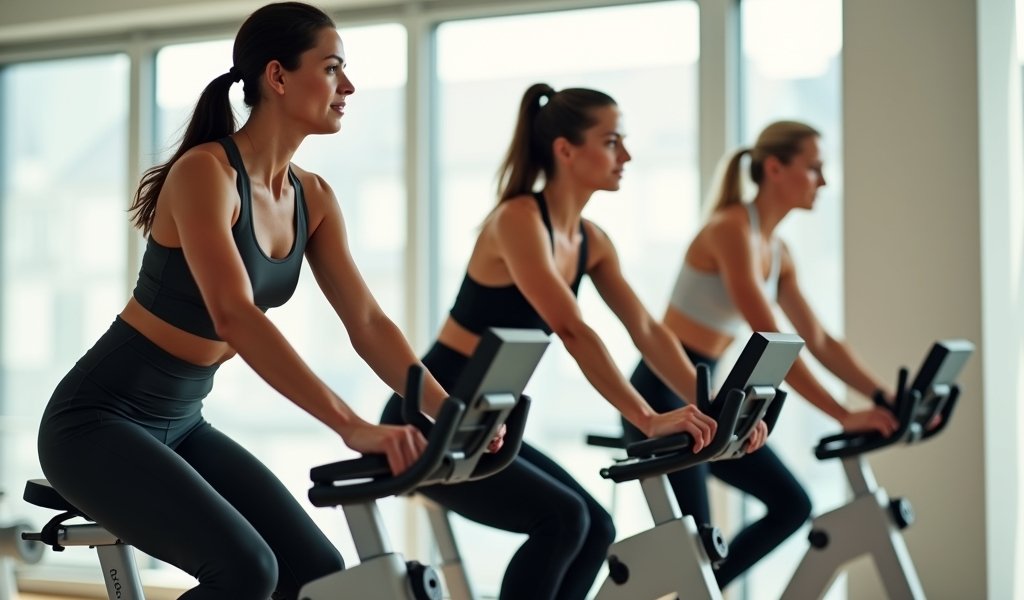
After testing dozens of models and consulting with other fitness professionals, I’ve compiled this list of the best exercise bikes specifically for fat loss goals. Each offers unique advantages for different types of riders.
1. Peloton Bike+
The Peloton Bike+ remains the gold standard for immersive cycling experiences. Its main fat-burning advantage is the highly motivating live and on-demand classes that push you to your limits. The auto-follow resistance feature automatically adjusts to match instructor cues, ensuring you’re always working at optimal intensity. While expensive ($1,995+), the accountability and community aspects help maintain consistency—crucial for long-term fat loss.
2. Assault AirBike Classic
This commercial-grade air bike is a fat-burning powerhouse. The fan resistance increases the harder you push, and the moving handlebars engage your entire body for maximum calorie burn. In testing, the Assault Bike consistently produced the highest calorie expenditure per minute of any bike on this list. At around $699, it’s a serious investment in your fat loss goals, especially effective for HIIT workouts.
3. Schwinn IC4 Indoor Cycling Bike
The IC4 offers premium features at a midrange price point ($799). With 100 levels of magnetic resistance, it provides smooth, quiet operation and enough challenge for any fitness level. What makes it great for fat loss is its compatibility with fitness apps like Peloton and Zwift without the premium price tag. The included heart rate monitor helps you stay in optimal fat-burning zones during workouts.
4. Echelon Connect EX-5s
Similar to Peloton but more affordable ($1,499), the EX-5s features a 22″ HD touchscreen with live and on-demand classes. The rotating screen allows for off-bike workouts, creating a complete fitness solution. For fat loss, the variety of workout styles keeps your body guessing and prevents adaptation, which can stall weight loss progress over time.
5. Sunny Health & Fitness SF-B1805
At just $599, this magnetic resistance bike offers exceptional value. While it doesn’t have built-in programs, it provides a stable, smooth ride with a 44-pound flywheel that creates substantial resistance for challenging workouts. The heavy flywheel allows for intense sprints and climbs that are particularly effective for fat-burning interval training. Perfect for those who prefer to follow their own workouts or use a tablet for guided sessions.
6. Rogue Echo Bike
Similar to the Assault Bike but with an even sturdier build quality, the Echo Bike ($795) is practically indestructible. The belt drive system makes it slightly quieter while still delivering punishing resistance. Its ability to quickly ramp up resistance makes it ideal for Tabata and other short-burst protocols that have been shown by research to significantly increase post-exercise calorie burn.
7. NordicTrack Commercial S22i
What sets the S22i ($1,899) apart for fat loss is the iFit-powered automated incline/decline feature, which can adjust from -10% to 20% to simulate outdoor riding conditions. This variable terrain training engages different muscle groups and prevents workout plateaus. The instructor-controlled resistance changes keep you working at optimal intensity without having to make manual adjustments during challenging portions of your workout.
When reviewing exercise bike reviews, remember that consistency trumps features. The best bike for fat loss is ultimately the one you’ll use regularly and enthusiastically.
HIIT Workouts for Maximum Fat Burn
High-Intensity Interval Training (HIIT) is scientifically proven to be one of the most effective approaches for fat loss. These workouts alternate between periods of maximum effort and brief recovery, creating an “afterburn effect” that keeps your metabolism elevated for hours after exercising.
Here’s a simple but effective 20-minute HIIT workout you can do on any exercise bike:
- Warm-up: 5 minutes of easy pedaling at low resistance
- Sprint: 30 seconds at maximum effort (resistance high enough that you’re struggling by the end)
- Recover: 90 seconds of easy pedaling at low resistance
- Repeat: Complete 8 rounds of sprint/recovery
- Cool-down: 5 minutes of easy pedaling
For those new to HIIT, start with just 4 rounds and gradually build up. The key is true maximum effort during sprint intervals—you should feel like you couldn’t possibly maintain that pace for even 5 seconds longer.
Another effective protocol is Tabata training—20 seconds of all-out effort followed by 10 seconds of rest, repeated for 8 rounds (just 4 minutes total). While brutally challenging, Tabata has been shown to significantly improve both aerobic and anaerobic capacity while burning substantial calories.
For fat loss, aim to incorporate 2-3 HIIT sessions per week, allowing at least 48 hours between sessions for proper recovery. Overtraining can actually hinder fat loss by elevating stress hormones like cortisol, which can promote fat storage, particularly around the abdomen.
Creating a Sustainable Routine
The most effective fat loss plan is one you can stick with long-term. Here’s how to create a sustainable exercise bike routine:
Start Small, Build Gradually: Begin with just 10-15 minutes, 3 times per week. As your fitness improves, gradually increase duration and intensity. This prevents burnout and reduces injury risk while giving your body time to adapt.
Mix It Up: Alternate between different types of sessions to prevent boredom:
- HIIT workouts (2-3 times weekly) for maximum calorie burn
- Steady-state rides (1-2 times weekly) for recovery and endurance building
- Virtual classes or scenic rides for enjoyment and motivation
Schedule It: Treat your workouts like important appointments. Block out specific times in your calendar and honor these commitments to yourself. Morning sessions tend to have higher compliance rates, as they happen before the day’s distractions arise.
Track Your Progress: Keep a simple workout journal or use a fitness app to record your sessions. Seeing improvement over time—whether in workout duration, resistance levels, or recovery heart rate—provides powerful motivation to continue.
Find Accountability: Consider joining online communities related to your specific bike model, finding a workout buddy, or sharing your goals with supportive friends and family. External accountability significantly increases adherence to fitness programs.
Remember that consistency trumps perfection. A sustainable routine might mean choosing moderate workouts you can maintain rather than extreme sessions that leave you exhausted and unmotivated to return to your bike.
Tips for Maximizing Fat Loss
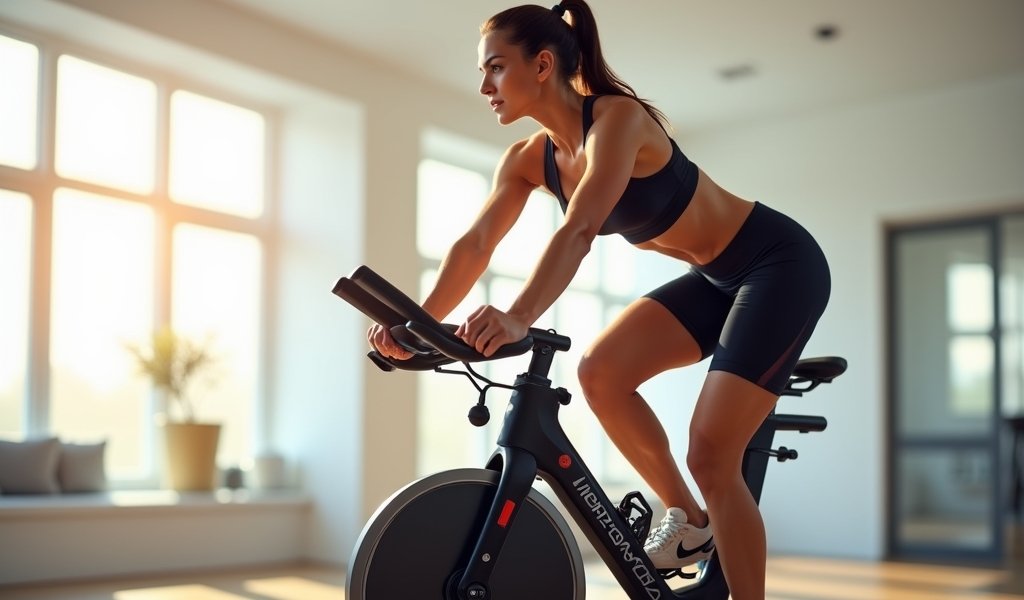
While having the right exercise bike is important, maximizing your fat loss requires a comprehensive approach. Here are evidence-based strategies to amplify your results:
Focus on Nutrition: Exercise alone rarely produces significant fat loss without dietary changes. Create a moderate calorie deficit (about 500 calories below maintenance) through a balanced diet rich in protein, fiber, and whole foods. Protein is particularly important as it preserves muscle mass during fat loss and increases satiety, making your calorie deficit more comfortable.
Prioritize Recovery: Adequate sleep (7-9 hours nightly) is crucial for fat loss. Sleep deprivation disrupts hunger hormones and increases cravings for calorie-dense foods. It also impairs workout performance and recovery. Consider gentle rides on recovery days rather than skipping exercise entirely.
Add Strength Training: Complement your cycling with 2-3 strength training sessions weekly. Building muscle increases your resting metabolic rate, meaning you’ll burn more calories even at rest. Focus on compound movements like squats, deadlifts, push-ups, and rows for maximum effectiveness.
Stay Hydrated: Proper hydration optimizes metabolism and exercise performance. Aim for at least half your body weight (in pounds) in ounces of water daily, with additional fluid during and after workouts.
Be Patient and Consistent: Healthy, sustainable fat loss typically occurs at 1-2 pounds per week. Focus on consistency rather than perfection, and remember that the process isn’t linear—weight naturally fluctuates day to day due to factors like hydration, hormones, and glycogen levels.
According to Dr. John Berardi, founder of Precision Nutrition, “The best exercise for fat loss is the one you’ll do consistently.” This simple truth underscores why finding an exercise bike you genuinely enjoy using is so crucial to long-term success.
Conclusion
Finding the right exercise bike for fat loss isn’t just about features or price—it’s about discovering a tool that will become a consistent part of your healthy lifestyle. Whether you choose the immersive experience of a Peloton, the full-body challenge of an air bike, or the budget-friendly functionality of a basic magnetic resistance model, your commitment to regular use will ultimately determine your success.
Remember that sustainable fat loss combines regular exercise with proper nutrition, adequate recovery, and patience. An exercise bike provides an accessible, effective way to create the calorie deficit necessary for fat loss while building cardiovascular fitness and lower body strength.
As you begin your journey, focus less on perfection and more on consistency. Even short, regular sessions will yield better results than occasional marathon workouts. Start where you are, use what you have, and build momentum gradually.
Your ideal exercise bike is waiting to become your partner in health and fitness. Choose wisely, ride consistently, and enjoy the transformation that follows!
Frequently Asked Questions
How long should I ride an exercise bike to lose weight?
Aim for 150-300 minutes weekly, divided into sessions of 30-60 minutes. Consistency matters more than duration, so even 15-20 minute sessions are beneficial if done regularly.
Are exercise bikes good for belly fat?
Yes, exercise bikes help reduce overall body fat, including belly fat, by creating a calorie deficit. Combine with proper nutrition and core-strengthening exercises for best results.
Is it better to ride an exercise bike fast or with high resistance?
A combination approach is most effective—use moderate resistance with comfortable cadence for longer sessions and high resistance with lower cadence for strength building. HIIT workouts should alternate between both.
How soon will I see results from using an exercise bike?
Most people notice improved energy and mood within 1-2 weeks. Physical changes typically become visible after 4-6 weeks of consistent use, assuming appropriate nutrition.
Can I use an exercise bike if I have knee problems?
Yes, exercise bikes are generally joint-friendly and often recommended for those with knee issues. Ensure proper bike setup and start with low resistance, gradually increasing as comfort allows.