

Overview
Ever wondered what doctors are mumbling about when they mention ERCP? This article explains that Endoscopic Retrograde Cholangiopancreatography is a procedure combining endoscopy and fluoroscopy to diagnose and treat conditions affecting the bile ducts, gallbladder, and pancreas. It covers everything from preparation and recovery to post-procedure nutrition and physical activity guidelines, emphasizing the importance of proper aftercare for optimal healing after this common digestive health procedure.
Table of Contents
- Understanding ERCP: What Does This Medical Abbreviation Mean?
- The Importance of ERCP in Digestive Health
- Preparing for an ERCP Procedure: What to Expect
- 7 Essential Recovery Tips After an ERCP Procedure
- Nutrition Guidelines: Eating Well After an ERCP
- Physical Activity Recommendations Following ERCP
- Monitoring Your Health After an ERCP
- Conclusion
- Frequently Asked Questions
Understanding ERCP: What Does This Medical Abbreviation Mean?
ERCP medical abbreviation stands for Endoscopic Retrograde Cholangiopancreatography. This procedure combines endoscopy and fluoroscopy to diagnose and treat conditions affecting the bile ducts, gallbladder, and pancreas. As a gastroenterologist with over 15 years of experience, I’ve performed hundreds of these procedures and understand both the medical significance and the patient concerns that come with an ERCP recommendation.
The term might sound intimidating, but breaking it down helps demystify the procedure. “Endoscopic” refers to the use of an endoscope—a flexible tube with a light and camera—that allows visualization of the digestive tract. “Retrograde” indicates the direction of the contrast dye that’s injected, which flows opposite to the normal direction of bile and pancreatic juices. “Cholangio” refers to the bile ducts, while “pancreatography” involves imaging the pancreatic ducts.
When your doctor recommends an ERCP, they’re suggesting a specialized procedure that can both diagnose problems and potentially treat them in the same session. This dual capability makes ERCP particularly valuable in modern medicine, especially for issues like gallstones in the bile duct, strictures (narrowing), leaks due to trauma or surgery, and certain types of pancreatic conditions.
The Importance of ERCP in Digestive Health
ERCP plays a crucial role in diagnosing and treating various digestive system conditions. Unlike purely diagnostic procedures, ERCP offers the distinct advantage of allowing therapeutic intervention during the same session. This capability can significantly reduce the need for more invasive surgical procedures.
Common conditions diagnosed and treated with ERCP include bile duct stones (choledocholithiasis), bile duct strictures or blockages, pancreatic duct abnormalities, and certain types of cancer. According to a comprehensive study published in the World Journal of Gastrointestinal Endoscopy, ERCP has revolutionized the management of biliary and pancreatic diseases, with success rates exceeding 90% for certain interventions.
The procedure is particularly valuable for elderly patients or those with multiple health conditions who might not be good candidates for traditional surgery. By accessing the bile and pancreatic ducts through natural body openings, ERCP avoids external incisions, potentially reducing complications and recovery time.
For patients experiencing jaundice (yellowing of the skin and eyes), unexplained abdominal pain, or abnormal liver function tests, ERCP can provide crucial answers. The procedure allows for tissue sampling (biopsy) when cancerous conditions are suspected, helping to establish accurate diagnoses that guide further treatment decisions.

Preparing for an ERCP Procedure: What to Expect
Proper preparation is essential for a successful ERCP procedure. If you’re scheduled for an ERCP, your doctor will provide specific instructions, but I’ll outline the general preparation process to help you feel more comfortable and informed.
First, you’ll need to fast for at least 8 hours before the procedure. This ensures your upper digestive tract is empty, providing better visualization and reducing the risk of aspiration. Be sure to inform your healthcare provider about all medications you’re taking, including over-the-counter drugs and supplements, as some may need to be temporarily discontinued.
Blood-thinning medications require special attention. Medications like aspirin, warfarin, clopidogrel, and newer direct oral anticoagulants may need to be adjusted or stopped temporarily. However, never stop these medications without explicit instructions from your healthcare provider, as this could pose significant risks.
On the day of the procedure, wear comfortable clothing and leave jewelry at home. You’ll need someone to drive you home afterward, as the sedation used during ERCP affects your coordination and judgment for up to 24 hours. The American Society for Gastrointestinal Endoscopy recommends arriving at least an hour before your scheduled procedure time to complete necessary paperwork and preparation.
Before the procedure begins, you’ll change into a hospital gown, and a healthcare provider will insert an IV for delivering sedation. They’ll also place monitoring devices to track your heart rate, blood pressure, and oxygen levels throughout the procedure. Many patients worry about being awake during ERCP, but rest assured that moderate to deep sedation is used, meaning you’ll be very drowsy and unlikely to remember the procedure.
7 Essential Recovery Tips After an ERCP Procedure
Recovering from an ERCP procedure typically takes 24-48 hours, though everyone’s experience varies. Following these seven essential tips can help ensure a smooth recovery and reduce the risk of complications.
- Rest adequately the first day. Your body needs time to recover from both the procedure and sedation. Arrange for a quiet, comfortable environment and avoid strenuous activities for at least 24 hours.
- Stay hydrated with clear fluids. Once your doctor gives permission to drink, start with small sips of water or clear broths. Adequate hydration supports healing and helps flush the contrast dye used during the procedure.
- Follow a progressive diet. Begin with clear liquids, then advance to soft foods before returning to your normal diet. This gradual progression gives your digestive system time to adjust.
- Monitor for complications. While serious complications are rare, occurring in less than 5% of cases according to UpToDate clinical resources, watch for signs like severe abdominal pain, fever, vomiting, or jaundice. Contact your healthcare provider immediately if these develop.
- Take medications as prescribed. Your doctor may prescribe antibiotics to prevent infection or pancreatic enzymes to reduce inflammation. Taking these exactly as directed is crucial for your recovery.
- Avoid alcohol and tobacco. Both can irritate your digestive system and interact with medications. Abstain from these substances for at least 24-48 hours or as advised by your doctor.
- Attend follow-up appointments. These visits allow your healthcare provider to monitor your recovery and address any emerging concerns. Bring a list of questions or observations about your recovery to discuss.
Most patients experience some throat discomfort, bloating, or gas following the procedure. These symptoms typically resolve within a day or two and can be managed with simple measures like throat lozenges and avoiding carbonated beverages. If you had a therapeutic ERCP with intervention such as stone removal or stent placement, you might experience more discomfort and require more recovery time.
Nutrition Guidelines: Eating Well After an ERCP
Proper nutrition plays a significant role in your recovery after an ERCP procedure. Initially, your healthcare provider will guide you on when to resume eating, typically starting with clear liquids once you’re fully alert after sedation.
For the first 24 hours, focus on gentle, easily digestible foods. Clear broths, gelatin, popsicles, and diluted fruit juices without pulp are excellent starting options. As you begin to feel more comfortable, gradually introduce soft foods like applesauce, mashed potatoes, yogurt, and scrambled eggs.
Staying hydrated is particularly important after an ERCP. Aim for at least 8-10 glasses of water daily, unless your doctor advises otherwise. Proper hydration supports overall healing and helps your body process and eliminate the contrast dye used during the procedure.
If your ERCP was performed to address gallbladder or bile duct issues, you may benefit from adopting a lower-fat diet temporarily. The National Institute of Diabetes and Digestive and Kidney Diseases suggests that reducing fat intake can ease the workload on your biliary system during recovery.
Consider incorporating these beneficial foods into your post-ERCP diet:
- Lean proteins like fish, skinless poultry, and tofu
- Whole grains such as brown rice, oatmeal, and whole wheat bread
- Fresh fruits and vegetables (well-cooked initially if you have digestive sensitivity)
- Probiotic-rich foods like yogurt and kefir to support gut health
- Small, frequent meals rather than three large ones to reduce digestive stress
Avoid spicy, fried, and heavily processed foods for at least a week after your procedure, as these can cause digestive discomfort. Similarly, caffeine, alcohol, and carbonated beverages may irritate your system and are best avoided during the initial recovery period.
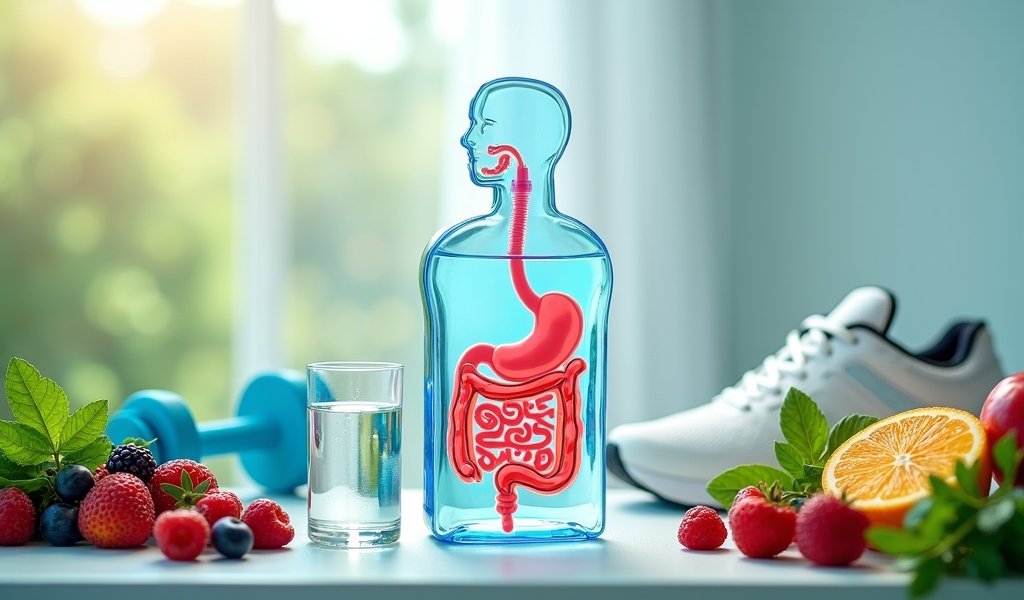
Physical Activity Recommendations Following ERCP
Returning to physical activity after an ERCP procedure requires a balanced approach. While rest is essential initially, gradual movement helps prevent complications and promotes overall recovery. Understanding how to safely reintroduce physical activity can make a significant difference in your healing process.
For the first 24 hours after your procedure, prioritize rest. The sedation used during ERCP affects your coordination and judgment, making even simple activities potentially risky. During this period, limit yourself to gentle movements around your home, always with someone nearby for assistance if possible.
By the second day, assuming you’re experiencing no complications, you can begin light activities. Short walks around your home or neighborhood provide excellent low-impact movement that promotes blood circulation without straining your body. According to Mayo Clinic guidelines, most patients can resume normal activities within 24-48 hours if the procedure was purely diagnostic.
If your ERCP included therapeutic interventions like stone removal, stent placement, or tissue sampling, your return to physical activity may need to be more gradual. In these cases, follow your doctor’s specific recommendations, which might include avoiding heavy lifting (anything over 10 pounds) for up to a week.
Listen to your body throughout the recovery process. If an activity causes pain, dizziness, or excessive fatigue, stop immediately and rest. Gradually increase your activity level as your comfort permits, but avoid rushing the process.
For those accustomed to regular exercise, patience is key. A good rule of thumb is to wait at least 72 hours before returning to moderate exercise, and at least a week before resuming vigorous workouts. When you do resume exercising, start at about 50% of your normal intensity and duration, gradually working back to your usual routine over 1-2 weeks.
Monitoring Your Health After an ERCP
After undergoing an ERCP procedure, vigilant health monitoring becomes an essential part of your recovery process. Knowing what changes to watch for—and which warrant medical attention—can help ensure any potential complications are addressed promptly.
Temperature monitoring is particularly important following ERCP. Check your temperature twice daily for the first few days, as fever (above 100.4°F or 38°C) may indicate infection or inflammation. Most post-ERCP infections develop within 24-72 hours after the procedure, according to research published in the Gastrointestinal Endoscopy journal.
Pay close attention to any abdominal pain. While mild discomfort and bloating are normal for 1-2 days after the procedure, severe or worsening pain could signal pancreatitis—inflammation of the pancreas—which occurs in approximately 3-5% of ERCP cases. This pain typically centers in the upper abdomen and may radiate to your back.
Monitor your bowel movements for several days following the procedure. Mild diarrhea can occur due to the preparation and procedure itself, but persistent loose stools, especially if accompanied by fever, could indicate an infection. Conversely, the absence of bowel movements for more than three days might suggest a blockage.
Watch for signs of jaundice (yellowing of the skin or eyes), which could indicate a blocked bile duct. This is particularly important if you had a stent placed during your ERCP, as stent migration or blockage can occur. Dark urine or clay-colored stools may accompany jaundice and should also prompt medical evaluation.
Keep track of your energy levels and general sense of well-being. While some fatigue is expected after any medical procedure, persistent weakness or malaise lasting beyond a few days warrants a conversation with your healthcare provider. Many patients find it helpful to maintain a simple symptom diary during recovery to track their progress and identify any concerning patterns.
Conclusion
Understanding the ERCP medical abbreviation and what this procedure entails empowers you to take an active role in your digestive health. Whether you’re preparing for an upcoming ERCP, recovering from one, or simply expanding your health knowledge, the information covered in this guide provides a solid foundation for navigating this important diagnostic and therapeutic tool.
Remember that while ERCP is a common and generally safe procedure, proper preparation and attentive aftercare significantly influence your recovery experience. The seven essential tips we’ve explored—from adequate rest and proper hydration to gradual reintroduction of physical activity and mindful nutrition—create a comprehensive framework for optimal healing.
Your healthcare provider remains your best resource for personalized guidance. Don’t hesitate to ask questions about your specific situation, as individual health histories and the reason for your ERCP may necessitate modifications to the general recommendations outlined here.
By approaching your ERCP with knowledge, attention to recovery best practices, and good communication with your healthcare team, you’re positioning yourself for the best possible outcome. This balanced approach to preparation and recovery not only supports your immediate healing but contributes to your long-term digestive health and overall wellness.
Frequently Asked Questions
What exactly does the ERCP medical abbreviation stand for?
ERCP stands for Endoscopic Retrograde Cholangiopancreatography. It’s a procedure that combines endoscopy and X-ray imaging to diagnose and treat conditions of the bile ducts, gallbladder, and pancreas.
How long does an ERCP procedure typically take?
An ERCP procedure usually takes between 30 minutes to 2 hours, depending on complexity. The duration varies based on findings and whether therapeutic interventions are performed during the procedure.
Is ERCP painful?
You shouldn’t feel pain during an ERCP as you’ll receive sedation or anesthesia. Some throat soreness and abdominal discomfort may occur afterward, but these symptoms are typically mild and temporary.
What are the most common reasons for performing an ERCP?
Common reasons include removing gallstones from bile ducts, treating strictures or blockages, diagnosing pancreatic or biliary diseases, and placing stents. ERCP is also used to evaluate unexplained abdominal pain or jaundice when other tests are inconclusive.
What’s the recovery time after an ERCP?
Most patients resume normal activities within 24-48 hours after a diagnostic ERCP. If therapeutic interventions were performed, recovery may take slightly longer, typically 3-7 days depending on the specific procedure.