

Overview
Mother Nature isn’t just your hippie aunt—she’s your ultimate personal trainer, as this article reveals through ten environmental wellness hacks that significantly boost fitness results by optimizing everything from light exposure and air quality to digital habits and workout spaces. The article demonstrates how our surroundings profoundly impact our physical performance, recovery, and motivation, emphasizing that creating an environment that supports wellness makes healthy choices more automatic and sustainable.
Table of Contents
- What is Environmental Wellness?
- The Connection Between Environment and Fitness
- Hack #1: Optimize Your Natural Light Exposure
- Hack #2: Embrace Green Exercise
- Hack #3: Improve Your Indoor Air Quality
- Hack #4: Implement Regular Digital Detox Periods
- Hack #5: Adopt Sustainable Nutrition Practices
- Hack #6: Create an Inspiring Home Workout Environment
- Hack #7: Incorporate Biophilic Design Elements
- Hack #8: Practice Strategic Noise Management
- Hack #9: Choose Eco-Friendly Fitness Gear
- Hack #10: Foster Environmental Community Connections
- Conclusion
- Frequently Asked Questions
What is Environmental Wellness?
Environmental wellness is the awareness of our interconnectedness with the world around us and the active engagement in creating harmonious, sustainable environments that support our health and wellbeing. As a health professional who has guided hundreds of clients toward holistic fitness, I’ve observed firsthand how our surroundings profoundly influence our physical performance, mental clarity, and overall wellness journey.
Think about it—have you ever noticed how a cluttered room can make your thoughts feel equally jumbled? Or how a breath of fresh forest air can instantly energize you? These aren’t coincidences. Environmental wellness encompasses everything from the quality of the air we breathe and the spaces we inhabit to our relationship with nature and the sustainability of our lifestyle choices.
When we optimize our environmental wellness, we create the ideal conditions for our bodies to thrive. This dimension of wellness doesn’t exist in isolation—it works synergistically with physical, emotional, and social aspects of health to create a foundation for peak performance and vibrant living.
The Connection Between Environment and Fitness
Your environment shapes your fitness journey more than you might realize. Research published in the Journal of Environmental Psychology demonstrates that our surroundings can either facilitate or hinder healthy behaviors. Environmental factors influence everything from our motivation to exercise to our recovery quality.
Consider this: a study found that people who exercised with views of nature reported 12% higher levels of enjoyment and significantly lower perceived exertion compared to those exercising in built environments without natural elements. Your brain processes environmental cues that either energize you or drain your willpower reserves.
The air quality in your workout space affects oxygen delivery to your muscles. The lighting impacts your hormone regulation and energy levels. Even the colors surrounding you can influence your mood and exercise intensity. Environmental wellness isn’t just complementary to fitness—it’s foundational.
By strategically optimizing your surroundings, you can create an upward spiral where your environment encourages better fitness choices, which in turn motivates you to further enhance your environment. This positive feedback loop is what makes environmental wellness hacks so powerful for achieving peak fitness.

Hack #1: Optimize Your Natural Light Exposure
Natural light exposure is arguably the most underrated fitness enhancer. Morning sunlight exposure synchronizes your circadian rhythm, which controls everything from your metabolism to your recovery processes. I advise my clients to spend at least 10-15 minutes outside shortly after waking, regardless of the weather.
This morning light ritual triggers a cascade of hormonal responses, including suppressing melatonin and boosting cortisol (in a good way) to properly energize you for the day. Research from Nature Scientific Reports shows that proper light exposure timing can improve sleep quality by up to 23%, directly impacting your fitness recovery.
Beyond morning exposure, try these practical strategies:
- Position your desk near a window if possible
- Take brief outdoor breaks every 90-120 minutes
- Schedule outdoor workouts during daylight hours when feasible
- Use full-spectrum lights during winter months to supplement natural light
The vitamin D production from sunlight exposure also plays a crucial role in muscle function and bone health. However, moderation is key—protect your skin with appropriate sunscreen after your initial morning exposure window.
Hack #2: Embrace Green Exercise
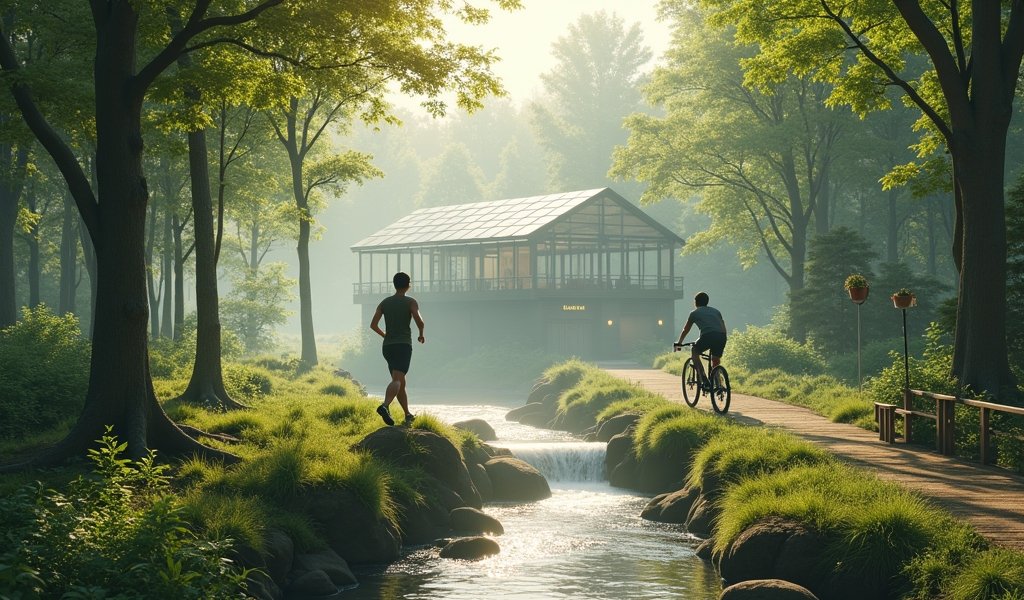
Green exercise—physical activity performed in natural environments—delivers compounding benefits for both your body and mind. When you exercise in natural settings like parks, forests, or beaches, you experience what researchers call a “nature boost” on top of your workout benefits.
Studies consistently show that green exercise leads to greater reductions in stress hormones compared to indoor workouts. One particularly impressive finding from the University of Essex demonstrated that just five minutes of exercise in a green space resulted in measurable improvements in mood and self-esteem.
Make green exercise practical with these approaches:
- Replace one gym session weekly with an outdoor workout
- Explore local hiking trails for weekend activity
- Join a community garden to combine physical activity with connection to plants
- Try “blue exercise” near water bodies, which shows even stronger mental health benefits
The varied terrain of natural environments also creates beneficial instability that engages more muscle groups and improves proprioception. If you’re following a plant-based meal plan, green exercise perfectly complements your environmental wellness approach, creating cohesion between what fuels your body and how you move it.
Hack #3: Improve Your Indoor Air Quality
The air you breathe while working out and recovering has a direct impact on your performance and adaptation. Indoor air is often significantly more polluted than outdoor air, with concerning levels of VOCs (volatile organic compounds), particulate matter, and carbon dioxide that can impair cognitive function and respiratory efficiency.
For optimal environmental wellness and fitness results, implement these air quality improvements:
- Incorporate air-purifying plants like snake plants, peace lilies, and spider plants throughout your home
- Invest in a HEPA air purifier for your main living and exercise spaces
- Replace chemical cleaning products with natural alternatives to reduce VOC exposure
- Ensure proper ventilation during and after workouts
An often-overlooked aspect is humidity levels. Maintaining indoor humidity between 40-60% supports optimal respiratory function and immune response. During dry winter months, consider using a humidifier in your bedroom to support better recovery during sleep.
If you exercise indoors, monitor carbon dioxide levels, which can build up quickly in enclosed spaces during vigorous activity. Opening windows periodically or using mechanical ventilation can prevent the concentration levels that lead to decreased cognitive performance and exercise capacity.
Hack #4: Implement Regular Digital Detox Periods
Your digital environment affects your fitness journey as significantly as your physical surroundings. Constant connectivity creates a chronically stimulated nervous system that can interfere with recovery, sleep quality, and even movement patterns due to tech-induced postures.
I recommend establishing structured digital boundaries to support your environmental wellness:
- Create a “device sunset” ritual 60-90 minutes before bedtime
- Designate one day monthly as a “low-tech day” with minimal screen use
- Establish phone-free meals to improve digestion through mindful eating
- Use airplane mode during workout sessions to maintain focus and proper form
The blue light emitted from screens suppresses melatonin production, potentially delaying sleep onset by up to 3 hours according to research from Harvard Medical School. By creating digital boundaries, you’ll experience improved sleep quality—the foundation of fitness recovery.
While technology can enhance fitness through tracking and guided workouts, balance is essential. Consider using nature sounds instead of music occasionally during workouts to further boost your connection to the natural environment. Many find that these digital detox periods naturally lead to more movement as the brain seeks stimulation from physical rather than virtual sources.
Hack #5: Adopt Sustainable Nutrition Practices
Sustainable nutrition creates a powerful intersection between environmental wellness and fitness performance. What’s good for the planet is typically good for your body. Focusing on locally grown, seasonal whole foods reduces environmental impact while maximizing nutritional density—a win-win approach.
Consider these sustainable nutrition strategies:
- Shop at farmers’ markets to reduce food miles and access fresher produce
- Incorporate more plant foods using a flexible vegetarian Mediterranean diet approach
- Grow simple herbs or greens at home (even in apartments)
- Practice meal planning to reduce food waste and save money
Seasonal eating naturally cycles your nutrient intake throughout the year, providing different antioxidants and phytonutrients that support various aspects of health and recovery. Research shows that produce can lose up to 30% of nutrients within three days of harvest, making local, fresh options nutritionally superior.
Reducing highly processed foods also minimizes packaging waste while eliminating artificial ingredients that may interfere with optimal hormonal function and recovery. A plant-based diet meal plan can be an excellent framework for those looking to simultaneously improve their fitness outcomes and environmental impact.
Hack #6: Create an Inspiring Home Workout Environment
The physical setup of your exercise space dramatically influences your workout consistency and quality. Even a small, thoughtfully designed area can become a powerful environmental wellness tool that pulls you toward fitness rather than requiring willpower to get started.
For an optimal home workout environment, consider these elements:
- Maximize natural light with strategic equipment placement
- Incorporate plants or natural views when possible
- Use mirrors strategically to improve form and create a sense of spaciousness
- Select colors that energize you—blues and greens for calm focus, reds and oranges for high intensity
Temperature regulation is crucial yet often overlooked. Research indicates that the ideal workout temperature range is between 68-72°F (20-22°C), with slightly cooler temperatures supporting higher intensity work. Ensure adequate ventilation to maintain optimal oxygen levels and humidity.
The principle of “choice architecture” applies powerfully here—make fitness equipment visible and accessible while keeping potential distractions out of sight. Even visual cues like motivational imagery or progress tracking can subconsciously reinforce your fitness identity and make workouts feel more automatic and less effortful.
Hack #7: Incorporate Biophilic Design Elements
Biophilic design—incorporating elements of nature into built environments—has profound effects on stress reduction, cognitive function, and physiological responses that support fitness. This approach to environmental wellness leverages our innate connection to natural elements to create spaces that promote health and vitality.
Practical biophilic elements to introduce include:
- Natural materials like wood, stone, and bamboo in your living and exercise spaces
- Water features such as small fountains that provide both visual appeal and beneficial negative ions
- Nature-inspired patterns and textures in your home decor
- Varied lighting that mimics natural rhythms throughout the day
These design elements have been shown to reduce cortisol levels and increase parasympathetic nervous system activity—exactly what you need for better recovery between workouts. According to research from the Journal of Environmental Psychology, even brief exposure to biophilic environments can reduce heart rate and blood pressure.
You don’t need expensive renovations to benefit from biophilic design. Simple additions like a small tabletop fountain, natural fiber textiles, or photographs of nature scenes can trigger similar physiological responses that support your fitness journey.
Hack #8: Practice Strategic Noise Management
The soundscape of your environment significantly impacts stress levels, focus, and even physiological functions like heart rate variability—all of which influence fitness performance and recovery. Environmental wellness includes creating acoustic environments that support different phases of your fitness journey.
For effective noise management, try these approaches:
- Use nature sounds (flowing water, forest ambiance) during recovery sessions or yoga
- Create workout playlists with tempos that match your desired intensity (faster beats for HIIT, slower for strength)
- Incorporate white or pink noise machines to improve sleep quality
- Experiment with noise-canceling headphones during meditation or deep stretching
Research from the International Journal of Environmental Research and Public Health demonstrates that natural soundscapes can accelerate recovery from psychological stress and enhance cognitive performance. This can be particularly valuable during active recovery days or when transitioning from work to workout mode.
Interestingly, brief periods of complete silence have been shown to promote neurogenesis (the formation of new brain cells). Incorporating 5-10 minutes of silence into your daily routine can support cognitive function and stress reduction, both essential components of fitness progress.
Hack #9: Choose Eco-Friendly Fitness Gear
The equipment you use for fitness affects both your health and the planet’s wellbeing. Many conventional fitness products contain phthalates, BPA, and other endocrine-disrupting chemicals that can potentially interfere with hormonal function and recovery. Environmental wellness includes being mindful about what touches your body during exercise.
Consider these sustainable fitness gear options:
- Natural rubber or cork yoga mats instead of PVC versions
- Stainless steel or glass water bottles rather than plastic
- Organic cotton or recycled polyester workout clothes
- Biodegradable or recyclable equipment when possible
Beyond the environmental benefits, natural materials often provide performance advantages. Cork yoga mats offer superior grip when wet compared to synthetic alternatives. Natural fiber clothing typically provides better breathability and odor resistance than petroleum-based fabrics.
When purchasing equipment, consider durability and versatility to reduce consumption. A well-made adjustable kettlebell might cost more initially but replaces multiple fixed-weight versions and lasts for decades. This mindful consumption approach aligns your fitness practice with broader environmental wellness principles.
Hack #10: Foster Environmental Community Connections
Social environments are as influential as physical ones when it comes to fitness success. Environmental wellness includes creating supportive social ecosystems that reinforce healthy behaviors and sustainable practices. The people surrounding you shape your norms, expectations, and ultimately your actions.
Build supportive environmental connections through:
- Joining local hiking, running, or outdoor fitness groups
- Participating in community garden projects that combine movement with purpose
- Organizing cleanup activities that combine fitness with environmental stewardship
- Finding workout partners with shared values around health and sustainability
Research consistently shows that social support is one of the strongest predictors of exercise adherence. When that support also reinforces environmental values, you create powerful behavioral synergy. Activities like plogging (picking up trash while jogging) provide meaningful context for fitness while directly improving your surroundings.
These community connections also provide psychological benefits that enhance recovery and stress management. Volunteering for environmental causes has been linked to reduced inflammation markers and improved mood, creating a positive feedback loop between giving back and personal wellness.
Conclusion
Environmental wellness is the often-overlooked dimension of fitness that can dramatically enhance your results and enjoyment. By implementing these ten proven hacks, you’re not just optimizing your surroundings—you’re creating a comprehensive ecosystem that supports peak physical and mental performance.
Remember that environmental wellness isn’t about perfection. It’s about making incremental improvements to your surroundings that collectively create powerful momentum. Start with the hacks that resonate most strongly with you, then gradually expand your approach as these practices become habitual.
The beauty of environmental wellness lies in its compound effects. When you optimize your light exposure, surround yourself with nature, purify your air, manage digital influences, eat sustainably, create inspiring spaces, incorporate biophilic elements, manage your soundscape, choose mindful gear, and connect with supportive communities—the whole becomes far greater than the sum of its parts.
Your environment either works for you or against you in your fitness journey. By taking control of these influential factors, you create a path of least resistance toward your health goals—where the healthy choice becomes the easy choice. That’s the true power of environmental wellness for peak fitness.
Frequently Asked Questions
What is the most important aspect of environmental wellness?
There is no single “most important” aspect as environmental wellness is holistic, but natural light exposure provides foundational benefits that influence hormones, sleep, and energy. Morning sunlight particularly impacts circadian rhythm, which affects nearly all bodily functions.
How long does it take to see fitness benefits from environmental wellness changes?
Some benefits like improved mood and focus are immediate, while cumulative effects on recovery and performance typically become noticeable within 2-4 weeks. Consistent environmental optimization creates compounding benefits over time.
Can I practice environmental wellness in an urban setting?
Absolutely! Urban dwellers can incorporate houseplants, natural materials, nature sounds, visit parks, and create micro-nature experiences. Urban environmental wellness may require more intentionality but can be equally effective.
How does environmental wellness affect fitness recovery?
Your environment directly impacts sleep quality, stress levels, and nervous system regulation—all critical recovery factors. Optimized light exposure, air quality, soundscapes, and natural elements can significantly accelerate recovery between workouts.
Is environmental wellness expensive to implement?
Many powerful environmental wellness strategies cost nothing—repositioning furniture for better light, exercising outdoors, or establishing digital boundaries. Start with free or low-cost interventions and invest strategically in quality items like air purifiers or sustainable gear as your budget allows.