

Overview
This 5-day gut reset elimination diet temporarily removes common trigger foods (gluten, dairy, eggs, soy, corn, processed foods, alcohol, nightshades, and nuts) to identify food sensitivities while reducing inflammation and improving digestive health. The article provides a complete framework including preparation strategies, day-by-day meal plans with recipes, symptom tracking guidance, and a structured approach for reintroducing foods after the reset to create personalized dietary insights.
Table of Contents
- Introduction
- Understanding Elimination Diets
- Preparing for Your 5-Day Gut Reset
- Day-by-Day Meal Plan
- Recipe Collection
- Monitoring Your Progress
- After the 5-Day Reset
- Conclusion
- Frequently Asked Questions
Introduction
Ever felt like your digestive system was waving a white flag, begging for mercy? That’s where an elimination diet meal plan comes in—think of it as hitting the reset button on your gut health.
An elimination diet temporarily removes potential troublemakers from your meals, giving your digestive system a much-needed break. It’s not about deprivation; it’s about discovery. By removing specific trigger foods and then strategically reintroducing them, you create a personalized roadmap to better health.
The benefits extend far beyond just feeling less bloated. Improved energy, clearer skin, better sleep, reduced inflammation, and enhanced mental clarity are all potential rewards waiting on the other side of this 5-day journey. Well, guess what? Your gut isn’t called the “second brain” for nothing—it’s intricately connected to virtually every aspect of your health.
Who stands to gain from this reset? Almost everyone! If you’re experiencing digestive discomfort, unexplained fatigue, skin issues, or simply want to identify which foods might be silently causing problems, this plan provides valuable insights. According to recent research, food sensitivities are far more common than previously thought, affecting up to 20% of the population.
During these five days, your body will undergo changes as it adjusts. Some people notice immediate improvements in energy and digestion, while others might experience mild detox symptoms like headaches in the first couple of days. Here’s the thing—these symptoms typically fade quickly as your body adjusts to cleaner fuel sources.
Understanding Elimination Diets
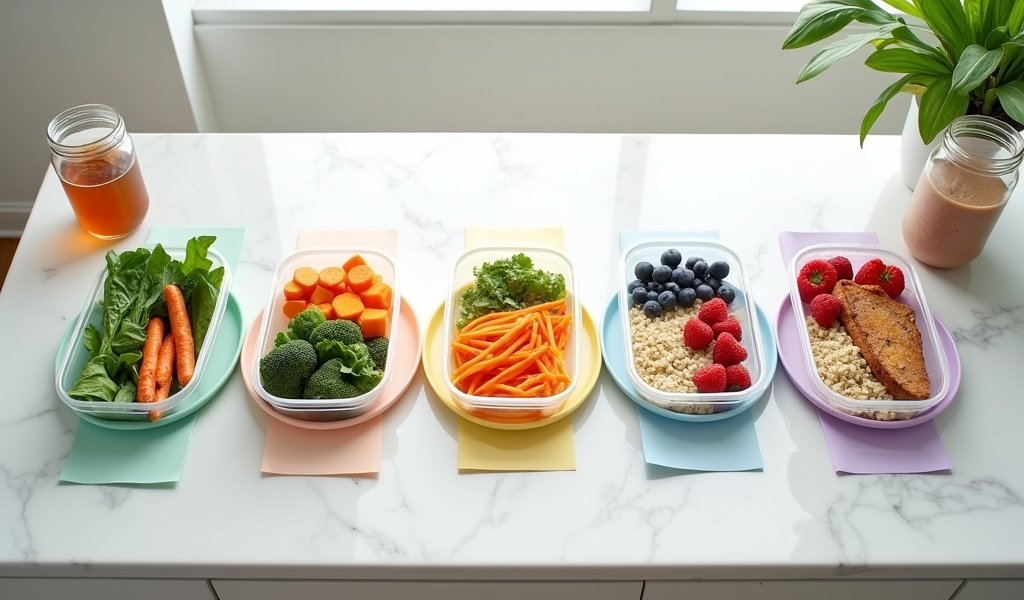
The elimination diet concept is beautifully straightforward yet remarkably effective. Remove potential trigger foods, allow your gut to heal, then strategically reintroduce foods to identify specific sensitivities based on your body’s responses. It’s like being a detective in your own health mystery.
Common food triggers typically include gluten, dairy, soy, corn, eggs, nuts, and nightshade vegetables. These seemingly innocent foods can spark inflammatory responses in sensitive individuals, leading to symptoms that range from digestive distress to skin problems and chronic fatigue. Processed foods, refined sugars, and alcohol are also removed during this reset due to their known inflammatory effects.
How does our 5-day plan differ from traditional elimination protocols? Traditional approaches often span 3-8 weeks—quite a commitment! Our condensed 5-day plan offers an accessible introduction to the concept, focusing on removing the most common triggers while remaining realistic about duration. It’s the difference between dipping your toe in the water versus diving into the deep end.
Let’s set realistic expectations: this brief reset can help reduce inflammation, improve digestion, and identify obvious food sensitivities. For more complex issues or subtle reactions, a longer protocol under professional guidance may be necessary. That said, it’s amazing how many people experience significant improvements in just five days of mindful eating.
Preparing for Your 5-Day Gut Reset
Success on an elimination diet meal plan hinges on preparation. Let’s set you up for a smooth experience by getting your kitchen ready for this healing journey.
Kitchen Essentials and Pantry Prep
First, gather these basic tools:
- A reliable blender for nutritious smoothies and soups
- Storage containers for efficient meal prep
- A journal to track your symptoms and meals
For the next five days, you’ll be eliminating these potential troublemakers:
- Gluten (wheat, barley, rye)
- Dairy products (milk, cheese, yogurt, butter)
- Eggs
- Soy products
- Corn and corn derivatives
- Processed foods and refined sugars
- Alcohol and caffeine
- Nightshade vegetables (tomatoes, peppers, eggplant, potatoes)
- Nuts and peanuts
Shopping List of Approved Ingredients
Stock up on these nourishing alternatives:
- Proteins: Grass-fed beef, organic chicken, wild-caught fish, turkey
- Grains/Starches: Brown rice, quinoa, buckwheat, sweet potatoes
- Vegetables: Leafy greens, broccoli, cauliflower, carrots, cucumber, zucchini
- Fruits: Berries, apples, pears, citrus fruits
- Healthy fats: Olive oil, coconut oil, avocados
- Herbs and spices: Turmeric, ginger, oregano, basil, rosemary
- Beverages: Filtered water, herbal teas, bone broth
- Others: Coconut milk, apple cider vinegar, flaxseeds, chia seeds
Meal Prep Strategies for Success
The key to making this reset doable? Strategic preparation!
- Dedicate 2-3 hours before starting to prep basics like washed greens, cooked grains, and portioned proteins
- Batch cook soups or stews that you can enjoy throughout the week
- Pre-portion snacks so you’re not caught hungry with nothing compliant to eat
- Make double batches of dinner to repurpose as the next day’s lunch
Remember, it’s just five days—you’ve absolutely got this! Having food ready when hunger strikes makes the difference between success and reaching for that forbidden snack that might set you back.
Day-by-Day Meal Plan
Day 1: Gentle Introduction
Breakfast
Tropical Green Smoothie: Blend 1 cup spinach, ½ banana, ½ cup pineapple, 1 tablespoon chia seeds, and 1 cup coconut milk.
Lunch
Nourishing Roasted Vegetable Buddha Bowl with 1 cup roasted sweet potato, zucchini, and carrots over ½ cup cooked quinoa, drizzled with olive oil and fresh herbs.
Dinner
Herb-Roasted Chicken with Root Vegetables: 4-6 oz organic chicken breast with rosemary and thyme, alongside carrots, parsnips, and beets.
Snack
Cucumber slices with homemade guacamole.
Hydration
Aim for at least 80 ounces of water today. Start with warm lemon water to gently stimulate digestion, then incorporate herbal teas throughout the day.
Day 2: Stabilizing Your System
Breakfast
Anti-Inflammatory Porridge: ½ cup gluten-free buckwheat topped with cinnamon, coconut oil, and a handful of berries.
Lunch
Detox Salad: Massaged kale with grated carrots, beets, avocado, and a simple olive oil and lemon dressing.
Dinner
Wild-Caught Salmon with Lemon and Dill, served with steamed asparagus and ½ cup brown rice.
Snack
Apple slices with a teaspoon of sunflower seed butter.
Managing Detox Symptoms
You might experience mild detox symptoms today as your body adjusts. Headaches, fatigue, or slight digestive changes are normal. Increase water intake and consider a warm Epsom salt bath if you’re uncomfortable. These symptoms typically resolve within 24 hours.
Day 3: Building Momentum
Breakfast
Gut-Healing Smoothie Bowl: Blend 1 cup berries, ½ banana, 1 tablespoon flaxseeds, a handful of spinach, and coconut milk. Top with cinnamon.
Lunch
Warming Carrot Ginger Soup with a side of steamed broccoli drizzled with olive oil.
Dinner
Turkey and Vegetable Stir-Fry with coconut aminos, broccoli, carrots, and snow peas over cauliflower rice.
Snack
Homemade vegetable broth with added healing herbs like turmeric and ginger.
Tracking Your Body’s Responses
By now, you might notice positive changes. Are you experiencing better digestion? More energy? Clearer skin? Note these in your journal alongside your meals. This tracking creates valuable data for when you begin reintroducing foods.
Day 4: Healing Focus
Breakfast
Anti-Inflammatory Turmeric Scramble: Sautéed vegetables (spinach, zucchini) with turmeric, black pepper, and ground turkey.
Lunch
Rainbow Nutrient Bowl: Steamed and raw vegetables including beets, carrots, cucumber, and leafy greens with olive oil and lemon dressing, topped with avocado.
Dinner
Healing Bone Broth Soup with shredded chicken, carrots, celery, and fresh herbs.
Snack
½ cup berries with 2 tablespoons coconut yogurt.
Incorporating Gut-Healing Foods
Today emphasizes specific gut-healing foods. Bone broth provides collagen for gut lining repair, while turmeric and ginger offer powerful anti-inflammatory benefits. Cooked vegetables provide gentle fiber that nourishes beneficial gut bacteria.
Day 5: Preparing for Transition
Breakfast
Coconut Chia Pudding: 3 tablespoons chia seeds soaked overnight in coconut milk, topped with fresh berries.
Lunch
Leftover bone broth soup from Day 4 with a side salad of mixed greens.
Dinner
Celebration Meal: Herb-Roasted Grass-Fed Beef Tenderloin with roasted sweet potatoes, sautéed greens, and a drizzle of olive oil.
Snack
Green apple sprinkled with cinnamon.
Planning for Reintroduction
Congratulations on reaching Day 5! Tomorrow begins the crucial reintroduction process. Plan which food group you’ll reintroduce first (typically eggs, then dairy, gluten, etc.), giving each 2-3 days before adding the next. This methodical approach helps clearly identify which foods may be problematic for your unique body.
Recipe Collection
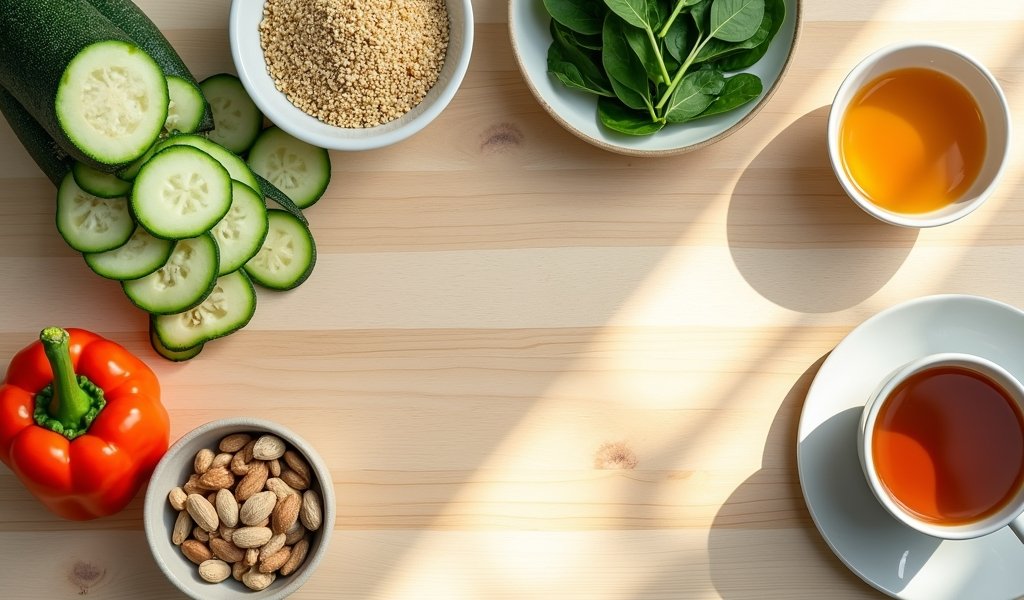
Breakfast Recipes
Tropical Green Smoothie
- 1 cup spinach
- ½ banana
- ½ cup pineapple chunks
- 1 cup coconut milk
- 1 tablespoon chia seeds
- Optional: ¼ teaspoon ginger powder
Blend until smooth and enjoy immediately.
Anti-Inflammatory Porridge
- ½ cup buckwheat groats
- 1 ½ cups water
- ½ teaspoon cinnamon
- ¼ teaspoon turmeric
- 1 tablespoon coconut oil
- ½ cup mixed berries
Cook buckwheat in water until soft, stir in spices and coconut oil, then top with berries.
Lunch Options
Detox Salad
- 2 cups kale, destemmed and chopped
- 1 tablespoon olive oil
- Pinch of salt
- ½ cup grated carrots
- ½ cup grated beets
- ½ avocado, sliced
- Juice of half a lemon
- 1 tablespoon extra virgin olive oil
Massage kale with oil and salt until softened. Add remaining ingredients, toss and serve.
Carrot Ginger Soup
- 1 lb carrots, chopped
- 1 onion, diced
- 2 tablespoons ginger, minced
- 4 cups vegetable broth
- 1 cup coconut milk
- 2 tablespoons olive oil
Sauté onion in olive oil until translucent. Add carrots and ginger, cook 2 minutes. Add broth, bring to boil, then simmer until carrots are tender. Blend with coconut milk until smooth.
Dinner Recipes
Turkey and Vegetable Stir Fry
- 1 lb ground turkey
- 2 cups mixed vegetables (broccoli, carrots, snow peas)
- 2 tablespoons coconut oil
- 2 tablespoons coconut aminos
- 1 teaspoon ginger, grated
- 1 clove garlic, minced
- 2 cups cauliflower rice
Sauté turkey until cooked through. Remove from pan. Add more oil if needed, then cook vegetables, garlic, and ginger until tender. Add turkey back in, toss with coconut aminos, and serve over cauliflower rice.
Healing Bone Broth Soup
- 8 cups bone broth (chicken or beef)
- 2 cups shredded cooked chicken
- 2 carrots, diced
- 2 celery stalks, diced
- 1 onion, diced
- 2 cloves garlic, minced
- 1 tablespoon apple cider vinegar
- Fresh herbs (parsley, thyme)
Sauté onion, garlic, carrots, and celery until softened. Add remaining ingredients and simmer for 30 minutes.
Snacks and Beverages
Simple Guacamole
- 1 ripe avocado
- Juice of ½ lime
- ¼ teaspoon salt
- 2 tablespoons cilantro, chopped
Mash together and serve with cucumber slices.
Ginger Turmeric Tea
- 1-inch piece fresh ginger, sliced
- ½ teaspoon turmeric powder
- 1 cup hot water
- 1 teaspoon honey (optional)
Steep ginger and turmeric in hot water for 5-10 minutes, strain and add honey if desired.
Substitution Options for Common Allergens
- Instead of eggs: Use flaxseed “eggs” (1 tablespoon ground flaxseed mixed with 3 tablespoons water)
- Instead of dairy: Use coconut milk, coconut yogurt, or avocado for creaminess
- Instead of gluten-containing grains: Use quinoa, buckwheat, or rice
- Instead of nuts: Use seeds like sunflower, pumpkin, or hemp seeds
These versatile nutrient-dense recipes provide a foundation that you can adapt to your preferences while still maintaining the integrity of the elimination diet.
Monitoring Your Progress
Symptoms to Track During the Reset
During these five days, pay close attention to:
- Energy levels throughout the day
- Digestive function (bloating, gas, regularity)
- Skin appearance (clarity, redness, breakouts)
- Sleep quality
- Mood and mental clarity
- Headaches or pain
- Food cravings
Journaling Techniques for Food Responses
Create a simple daily log that captures:
- What you ate at each meal
- How you felt physically before and after eating
- Any symptoms that appeared or disappeared
- Your overall energy and mood
- Quality of sleep
This detailed tracking becomes your personal health database when you begin reintroducing foods, helping you connect specific foods with how your body responds. As Harvard Medical School researchers note, this systematic approach helps identify triggers that might otherwise go unnoticed.
When to Consult a Healthcare Provider
While this elimination diet is generally safe for most people, certain situations warrant professional guidance:
- If you have a diagnosed medical condition
- If you’re pregnant or breastfeeding
- If you experience severe reactions during the elimination or reintroduction phases
- If you have a history of disordered eating
- If you need to be on the elimination phase longer than two weeks
Working with a healthcare provider offers personalized advice, especially if you have complex health concerns. They can help ensure you’re meeting nutritional needs while navigating food eliminations.
After the 5-Day Reset
Proper Food Reintroduction Methods
Now comes the detective work! Follow this methodical approach to reintroduction:
- Choose one food group to reintroduce (start with the least likely suspect)
- Eat a normal portion of this food 2-3 times on day one of reintroduction
- Return to the elimination diet for the next 2 days while monitoring for reactions
- If no reaction occurs, move on to the next food group
- If you notice symptoms, make note and avoid that food group for at least 30 days before trying again
Take your time with this process—rushing through reintroductions makes it nearly impossible to connect symptoms with specific foods. Patience now yields clarity later.
Creating a Sustainable Long-Term Plan
After completing your reintroductions, you’ll have valuable information about which foods work for your body and which don’t. Use this knowledge to create a sustainable eating plan that:
- Minimizes or eliminates foods that cause negative reactions
- Emphasizes foods that make you feel your best
- Includes occasional treats in a balanced way
- Provides adequate nutrition for your unique needs
Remember, this isn’t about perfection—it’s about learning your body’s language and respecting its needs most of the time.
Maintaining Gut Health Improvements
To maintain your improved gut health long-term:
- Stay hydrated with plenty of filtered water
- Incorporate probiotic foods like fermented vegetables
- Include prebiotic fibers that feed beneficial gut bacteria
- Manage stress through meditation, yoga, or other relaxation techniques
- Prioritize quality sleep
- Continue to minimize highly processed foods
- Consider occasional “mini resets” when you feel symptoms returning
Conclusion
Embarking on this 5-day elimination diet meal plan isn’t just about following a set of food rules—it’s about developing a deeper relationship with your body and understanding its unique language. By temporarily removing common inflammatory foods and focusing on nutrient-dense, healing options, you’re creating space for your body to communicate more clearly with you.
This brief but powerful reset can be the beginning of profound changes in your health journey. The insights you gain might explain symptoms you’ve been experiencing for years without understanding their source. Many of my patients report that this process was the missing piece in their health puzzle, finally connecting the dots between what they eat and how they feel.
Remember that this elimination diet is just one tool in your wellness toolkit. The real power comes in what you do with the information you gather. By honoring your body’s individual needs and preferences, you create a personalized approach to nutrition that supports your optimal well-being.
As you move forward, maintain that curious, compassionate approach to your body’s signals. There’s no such thing as a one-size-fits-all diet, and your needs may change over time. The body literacy you develop through this process will serve you for years to come.
Have you tried an elimination diet before? What discoveries did you make about your body and its unique needs? I’d love to hear your experiences in the comments below!
Frequently Asked Questions
How long should I stay on an elimination diet?
Most elimination phases last between 2-4 weeks, with our 5-day plan serving as an introduction. For complex health issues, a longer elimination period under professional guidance may be necessary.
Will I feel hungry during the elimination diet?
You shouldn’t feel hungry if you’re eating adequate portions of the allowed foods. The meal plan includes plenty of nutrient-dense options that provide satiety and balanced nutrition.
Can I exercise during the elimination diet?
Yes, but consider gentler forms of movement during the first few days as your body adjusts. Listen to your body and reduce intensity if you feel unusually fatigued.
What if I accidentally eat a restricted food?
Simply return to the elimination protocol and continue. One small slip won’t ruin the entire process, though it may delay your results slightly.
How do I know if the elimination diet is working?
Improvements in energy, digestion, sleep, skin clarity, and reduced inflammation are common indicators of success. Your detailed symptom tracking will reveal patterns that confirm the diet’s effectiveness.