

Overview
Just like how that one friend who always orders dessert somehow makes your diet disappear, this article explains how your social circle profoundly shapes your wellness journey—for better or worse. Research confirms that surrounding yourself with health-conscious peers creates a “new normal” that makes healthy choices easier through social learning, accountability, and emotional support, while the right wellness community (whether in-person or digital) can transform what feels like an uphill battle into a meaningful shared adventure.
Table of Contents
- Why Peer Groups Matter for Your Wellness Journey
- The Science of Social Connection and Health
- How Positive Peer Influence Transforms Health Habits
- Finding the Right Wellness Community
- Overcoming Challenges in Social Wellness
- Building a Supportive Wellness Network
- Digital Communities and Virtual Support
- Conclusion
- Frequently Asked Questions
Why Peer Groups Matter for Your Wellness Journey
When discussing the importance of your peer group with regard for striving toward wellness, I can’t emphasize enough how profoundly our social connections shape our health behaviors. As a health professional, I’ve witnessed countless transformations that began when someone found the right support network. The people you surround yourself with can either elevate your wellness journey or derail it entirely. This isn’t just anecdotal—it’s backed by robust research showing that health behaviors spread through social networks like ripples in a pond.
Think about it: when your friend starts talking about their new morning yoga routine or shares how much better they feel after cutting down on processed foods, you become more likely to try these behaviors yourself. Our human tendency to mirror those around us is incredibly powerful. In fact, research from the Framingham Heart Study found that if a friend becomes obese, your chances of becoming obese increase by 57%—that’s how significant peer influence can be.
But here’s the encouraging flip side: positive health behaviors spread just as effectively. When you connect with people who prioritize wellness, their habits gradually become yours through a natural process of social learning and accountability. This is why deliberately choosing your wellness peer group matters enormously.
The Science of Social Connection and Health
The link between social connections and health outcomes isn’t just feel-good psychology—it’s hard science. Studies published in the Harvard Health Publications have consistently shown that strong social ties correlate with reduced mortality risk, better immune function, and lower rates of depression and anxiety.
Here’s what happens physiologically when we experience positive social support:
- Reduced cortisol (stress hormone) production
- Lower inflammatory markers in the bloodstream
- Improved cardiovascular responses to stress
- Increased oxytocin release (the “bonding” hormone)
When we discuss the importance of your peer group with regard for striving toward wellness, we’re really talking about a powerful biological mechanism. Your social environment directly influences your body’s biochemistry, creating either a foundation for health or a pathway to illness.
Dr. Robert Waldinger, director of the Harvard Study of Adult Development (one of the longest-running studies on happiness), explains that “good relationships don’t just protect our bodies; they protect our brains.” The study found that people who maintained strong social connections were happier, physically healthier, and lived longer than those who were less well-connected.
What’s particularly fascinating is how this plays out in wellness pursuits specifically. When you join a fitness club near you, you’re not just gaining access to equipment—you’re potentially entering a community that normalizes regular exercise and makes it feel achievable. This social reinforcement is often what transforms a short-term health kick into a sustainable lifestyle.
How Positive Peer Influence Transforms Health Habits
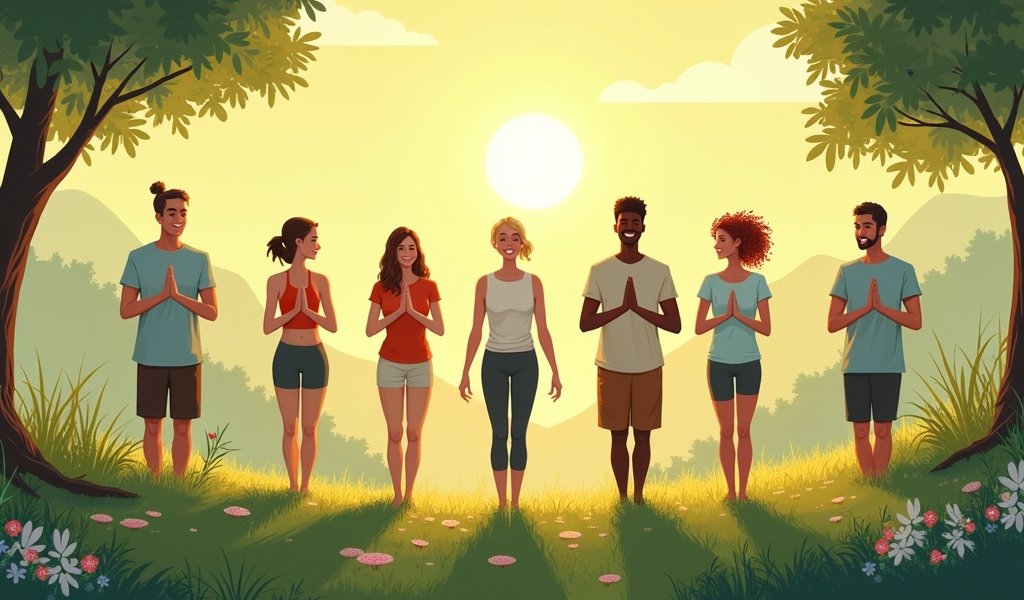
Let me share something I’ve observed repeatedly in my practice: positive peer influence creates a “new normal” that makes healthy choices easier. When your social circle regularly discusses nutritious eating, enjoys active outings, or practices stress management, these behaviors start feeling like the default rather than the exception.
This works through several psychological mechanisms:
- Social learning: We naturally observe and adopt behaviors modeled by those around us
- Accountability: Knowing others expect us to show up or follow through increases commitment
- Identity shift: As group norms influence us, we begin to see ourselves differently (“I’m someone who prioritizes health”)
- Reduced friction: When wellness activities become social events, they require less willpower
Consider the difference between attempting to maintain a walking routine alone versus joining a neighborhood walking group. In the group scenario, you have appointment-like commitment, conversation that makes the activity enjoyable, and social recognition for your consistency. These elements transform what might feel like a chore into a rewarding social experience.
Research published in the Journal of Obesity found that participants in weight management programs who had social support lost significantly more weight than those attempting to lose weight independently. The support created both practical assistance (like workout partners) and emotional reinforcement that sustained motivation.
The quality of influence matters tremendously too. A peer group that promotes balanced, sustainable approaches to wellness will serve you better than one fixated on extreme measures or appearance-focused outcomes. The healthiest peer influences encourage progress over perfection and celebrate all aspects of wellbeing, not just physical metrics.
Finding the Right Wellness Community
Finding the right wellness community requires intentionality. When discussing the importance of your peer group with regard for striving toward wellness, it’s crucial to recognize that not all social groups will support your specific health goals and values.
Start by getting clear about what you’re looking for in a wellness community:
- What specific health goals are you working toward?
- What kind of support do you find most motivating?
- What wellness values matter most to you (e.g., balance, consistency, evidence-based approaches)?
- What communication style helps you thrive?
Once you’ve clarified these elements, you can begin exploring communities that might align with your needs. The right wellness peer group should feel both challenging and comfortable—pushing you to grow while still accepting you as you are.
Here are some practical ways to connect with wellness-oriented peers:
- Join activity-based groups (running clubs, dance classes, hiking groups)
- Attend workshops or retreats focused on aspects of wellbeing
- Participate in community gardens or cooking classes
- Explore fitness studio communities that offer small group training
- Consider a fitness retreat for immersive experience and connection
- Use apps that connect people with similar wellness interests
Pay attention to how you feel after spending time in different groups. Do you leave feeling inspired and capable, or drained and inadequate? The former suggests you’ve found a positive influence, while the latter might indicate a mismatch with your needs or values.
Remember that finding your wellness community might take time and experimentation. You might connect with different groups for different aspects of wellbeing—perhaps a meditation group for mental wellness and a cycling club for physical activity. The goal is building a network that supports your whole-person wellbeing, not just one dimension of it.
Overcoming Challenges in Social Wellness
Let’s be honest—building a supportive wellness peer group isn’t always straightforward. Many of us face real obstacles in this area, and acknowledging these challenges is part of addressing them effectively.
Common challenges include:
- Geographic isolation or limited local options
- Time constraints that make regular social connection difficult
- Anxiety about joining established groups
- Existing social circles that actively undermine wellness goals
- Financial barriers to participation in certain wellness communities
If you’re struggling with limited local options, consider starting small—even connecting with just one wellness-minded person can make a significant difference. Research published in the Journal of Experimental Social Psychology found that having just one exercise partner increased workout consistency by 200%.
When discussing the importance of your peer group with regard for striving toward wellness, we must recognize that sometimes the most important step is gradually shifting existing relationships rather than seeking entirely new ones. This might involve having conversations with current friends or family about your wellness goals and how they could support you.
For those facing time constraints, consider how you might combine social connection with activities you already do—perhaps inviting a colleague for a walking meeting or joining a family member for meal prep sessions. These “connection combos” maximize limited time while still providing social reinforcement for healthy behaviors.
For those who experience social anxiety, structured activities often provide an easier entry point than open-ended social situations. A class or workshop with a clear purpose can take pressure off the purely social aspects while still allowing connections to form naturally around shared interests.
Building a Supportive Wellness Network
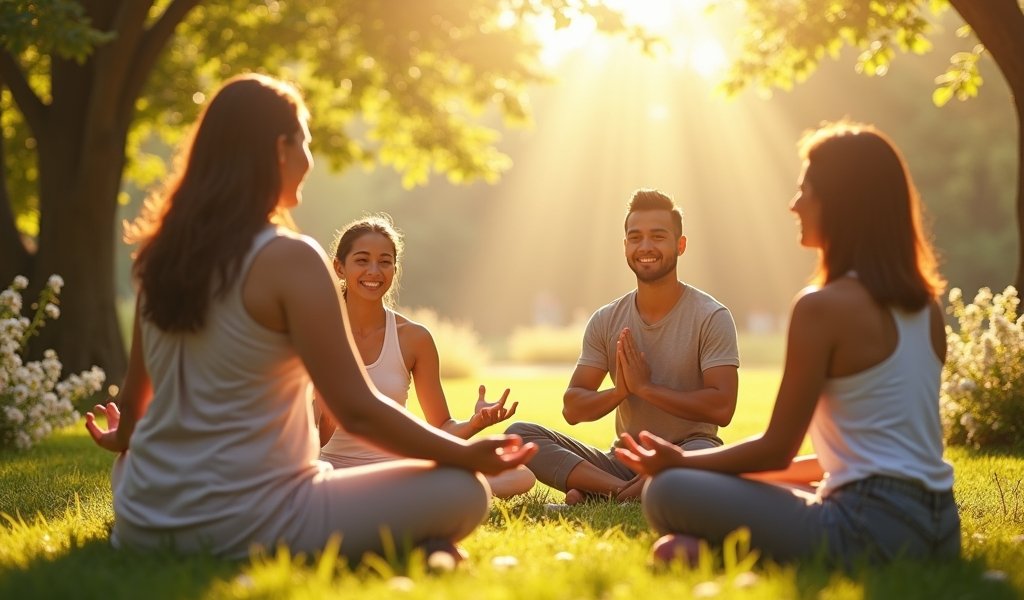
Building a robust wellness network often requires a multi-layered approach. Think of your wellness support system like a garden with different plants serving various purposes—some provide daily nourishment, while others offer seasonal blooms or structural support.
Here’s a framework for developing this network:
Core Daily Support
These are the people you interact with regularly who can provide consistent reinforcement for your wellness habits. This might include:
- A walking partner who expects you every Tuesday and Thursday
- A colleague who shares healthy lunch breaks with you
- A family member who participates in meal planning and preparation
The consistency of these interactions creates powerful habit-building momentum, making healthy choices increasingly automatic rather than effortful.
Specialized Guidance
These connections provide expertise and specific direction for particular aspects of wellness:
- Health professionals who understand your individual needs
- Coaches or instructors who provide skilled feedback
- Mentors who have successfully navigated similar wellness journeys
These relationships might be more formal or scheduled less frequently, but they provide crucial course-correction and advancement in your practices.
Inspirational Connections
These are the people who expand your vision of what’s possible:
- Those slightly ahead of you on similar paths
- Individuals who embody the balanced wellness approach you aspire to
- Communities that celebrate achievements and normalize continuous growth
When discussing the importance of your peer group with regard for striving toward wellness, we should emphasize that inspiration works best when it’s relatable. Someone who has overcome similar challenges to yours often provides more actionable inspiration than someone whose circumstances seem entirely different.
Building this network requires both intentional outreach and openness to unexpected connections. Sometimes the most supportive relationships develop in surprising contexts—a conversation after a community event, a chance meeting at a farmers market, or a thoughtful exchange in an online forum.
Digital Communities and Virtual Support
In today’s connected world, we can’t discuss the importance of your peer group with regard for striving toward wellness without acknowledging the powerful role of digital communities. Virtual wellness spaces have democratized access to support, allowing people to find like-minded individuals regardless of geography, schedule constraints, or mobility limitations.
Digital wellness communities offer unique advantages:
- 24/7 availability when motivation wanes or challenges arise
- Access to diverse perspectives and approaches
- Reduced barriers to entry for those with social anxiety
- Options for both passive consumption and active participation
- Connection with others facing similar specific challenges
Research published in the Journal of Medical Internet Research found that online support groups can significantly impact health behaviors, particularly when they include elements of accountability and regular interaction.
However, digital wellness spaces require discernment. Some online communities promote unsustainable or even harmful approaches to wellness, while others provide balanced, evidence-based support. As you evaluate online wellness communities, consider:
- Do they emphasize quick fixes or sustainable changes?
- Is diversity in approaches and body types celebrated?
- Do community leaders have appropriate qualifications?
- Is the tone supportive and constructive rather than judgmental?
- Are commercial interests transparently disclosed?
Many people benefit from a hybrid approach, combining in-person connections with digital support. You might attend local yoga classes while also participating in an online meditation group, or work with a local nutritionist while finding recipe inspiration in a virtual community.
The key is recognizing that virtual connections can provide real support—they’re not merely “second-best” alternatives to in-person community. Many people report that their online wellness relationships provide crucial understanding that may be missing in their immediate physical environment.
Conclusion
When we discuss the importance of your peer group with regard for striving toward wellness, we’re really examining one of the most powerful influences on our health behaviors and outcomes. The research is clear: your social connections can either be your greatest wellness asset or your most significant obstacle.
The people surrounding you shape your perception of what’s normal, desirable, and achievable in your wellness journey. They provide both practical support (like workout partners or meal-sharing opportunities) and emotional reinforcement that sustains motivation through challenges.
Building a supportive wellness community isn’t a luxury—it’s a fundamental component of sustainable health. Whether through in-person connections, digital communities, or a combination of both, intentionally cultivating relationships that nurture your wellness goals creates a foundation for lasting change.
Remember that this isn’t about abandoning existing relationships or seeking a perfect social circle. It’s about gradually expanding your connections to include people who support your growth while navigating existing relationships with clearer boundaries and communication.
Your wellness journey is uniquely yours, but you don’t have to walk it alone. In fact, the research suggests you shouldn’t. The right peer influences can transform what might feel like an uphill battle into a meaningful shared adventure—one where progress is celebrated, setbacks are met with compassion, and the path itself becomes rewarding.
As you reflect on your current social influences, consider one small step you might take this week to strengthen your wellness community. Perhaps it’s reaching out to a potential workout buddy, joining an online support group, or having a conversation with a friend about your wellness goals. These small actions, over time, build the social ecosystem that makes wellness not just possible but natural.
Frequently Asked Questions
How quickly can peer influence affect my health habits?
Peer influence can begin affecting your behaviors almost immediately through social mirroring and reinforcement. Research shows that consistent exposure to wellness-oriented peers typically shows measurable impacts within 2-3 months.
What if my current friends don’t support my wellness goals?
You don’t need to abandon existing relationships, but consider expanding your circle to include wellness-supportive connections. Clear communication about your goals with current friends can also help them understand how to better support you.
Is online wellness support as effective as in-person communities?
Studies show online communities can be highly effective, especially when they include regular interaction and accountability features. Many people benefit from combining both virtual and in-person support for different aspects of their wellness journey.
How many wellness-focused friends do I need?
Quality matters more than quantity. Research indicates having just one or two consistent wellness supporters significantly improves outcomes compared to going it alone.
What if I feel intimidated joining established wellness groups?
Start with beginner-friendly options or bring a friend along for moral support. Most wellness communities welcome newcomers warmly, and many offer specific programs designed for those just starting their journey.