

Overview
This article presents seven evidence-based dietary approaches for treating fatty liver disease: Mediterranean, DASH, plant-based, low-carb, intermittent fasting, MIND, and low-glycemic diets. It emphasizes avoiding foods that harm the liver (like added sugars and processed foods) while embracing liver-supporting foods (such as cruciferous vegetables, fatty fish, and berries) and maintaining proper hydration, noting that most patients see improvements within 3-6 months of consistent dietary changes.
Table of Contents
- Understanding Fatty Liver Disease
- The Role of Diet in Healing Fatty Liver
- Mediterranean Diet for Fatty Liver
- DASH Diet: Balanced Approach to Liver Health
- Plant-Based Diet for Fatty Liver Recovery
- Low-Carbohydrate Diet Plan
- Intermittent Fasting for Liver Health
- MIND Diet: Brain and Liver Connection
- Low-Glycemic Diet for Fatty Liver
- Foods to Avoid with Fatty Liver
- Foods to Embrace for Liver Recovery
- The Importance of Hydration
- Conclusion
- Frequently Asked Questions
Understanding Fatty Liver Disease
Fatty liver disease, or hepatic steatosis, occurs when excess fat accumulates in the liver cells. This increasingly common condition affects nearly 25% of adults worldwide and can progress silently without symptoms until significant liver damage occurs. There are two main types: non-alcoholic fatty liver disease (NAFLD) and alcoholic fatty liver disease, with NAFLD being the most prevalent in our modern society.
The good news? A targeted diet for fatty liver can significantly reverse this condition and promote healing. As a hepatologist with over 15 years of clinical experience, I’ve witnessed remarkable recoveries when patients commit to dietary changes that support liver health.
When fat makes up more than 5% of your liver weight, inflammation can develop, potentially leading to more serious conditions like non-alcoholic steatohepatitis (NASH), fibrosis, and eventually cirrhosis. Understanding this progression helps emphasize why early intervention through diet is crucial for preventing irreversible damage.
The Role of Diet in Healing Fatty Liver
Diet plays a pivotal role in both developing and healing fatty liver disease. Your liver processes everything you consume, making food choices directly impactful to liver health. When we consume excessive calories, especially from processed carbohydrates and unhealthy fats, the liver converts this excess into fat storage within its cells.
The right diet for fatty liver works through multiple mechanisms: reducing overall fat accumulation, decreasing inflammation, improving insulin sensitivity, and promoting the elimination of toxins. Research from the World Journal of Gastroenterology confirms that dietary modifications can reduce liver fat by 40-80% in just six months.
What makes a diet effective for fatty liver isn’t just what you eliminate but the nutrient-rich foods you introduce. Antioxidants, fiber, healthy fats, and plant compounds called polyphenols all work synergistically to support liver cell regeneration and reduce oxidative stress that damages liver tissue.
Mediterranean Diet for Fatty Liver
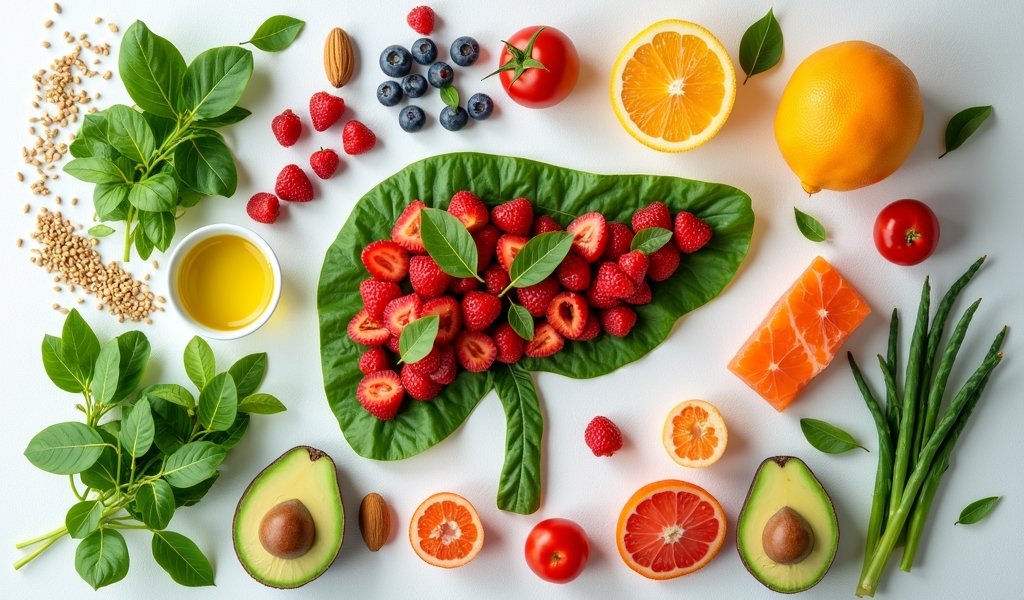
The Mediterranean diet consistently ranks among the most effective dietary patterns for reversing fatty liver disease. This approach emphasizes olive oil, fish, nuts, whole grains, and abundant fruits and vegetables, creating a nutrient profile perfectly suited for liver recovery.
Studies show that following a Mediterranean diet for fatty liver can reduce liver fat even without significant weight loss. The high monounsaturated fat content from olive oil helps decrease liver fat accumulation while reducing harmful inflammation. Meanwhile, the omega-3 fatty acids found in fish like salmon and sardines directly combat the inflammatory processes driving liver damage.
A typical Mediterranean meal plan includes:
- Breakfast: Greek yogurt with berries, walnuts, and a drizzle of honey
- Lunch: Large salad with mixed greens, cherry tomatoes, cucumber, olives, feta cheese, and olive oil dressing
- Dinner: Baked fish with roasted vegetables and a small portion of whole grain pasta or brown rice
- Snacks: Fresh fruit, a small handful of unsalted nuts, or hummus with vegetable sticks
The Mediterranean approach isn’t just a diet—it’s a sustainable lifestyle that promotes gradual healing without feeling restrictive or complicated. Research from the University of Barcelona found that liver enzymes normalized in 90% of NAFLD patients following this eating pattern for just 12 weeks.
DASH Diet: Balanced Approach to Liver Health
The Dietary Approaches to Stop Hypertension (DASH) diet, originally designed to lower blood pressure, has emerged as an effective plan for fatty liver patients. This approach focuses on reducing sodium while increasing intake of nutrients that support overall metabolic health—particularly potassium, calcium, and magnesium.
The DASH diet’s emphasis on whole foods and limited added sugars makes it particularly beneficial for fatty liver, as it naturally reduces insulin resistance—a key driver in fat accumulation within liver cells. The controlled portion sizes also support gradual weight loss, which is critical for reducing liver fat percentage.
A day on the DASH diet includes:
- 4-5 servings of vegetables
- 4-5 servings of fruits
- 6-8 servings of whole grains
- 2-3 servings of low-fat dairy
- 6 or fewer servings of lean protein
- 2-3 servings of healthy fats and oils
- Limited sweets (no more than 5 servings per week)
What makes this approach particularly effective is its focus on blood sugar regulation. By maintaining steady glucose levels throughout the day, the DASH diet prevents the insulin spikes that trigger fat storage in the liver. Clinical trials have demonstrated improvements in liver enzyme levels within just 8 weeks of following this balanced eating plan.
Plant-Based Diet for Fatty Liver Recovery
Plant-based diets have shown remarkable results for fatty liver patients, with research indicating they can reduce liver fat and inflammation more effectively than many other approaches. This eating pattern emphasizes fruits, vegetables, legumes, whole grains, nuts, and seeds while minimizing or eliminating animal products.
The power of plant-based eating comes from its naturally high fiber content and abundance of phytonutrients. Fiber acts as a prebiotic, feeding beneficial gut bacteria that produce short-chain fatty acids—compounds that directly benefit liver metabolism. Meanwhile, plant compounds like curcumin (found in turmeric) and resveratrol (in grapes) have specific liver-protective properties.
A sample plant-based meal plan includes:
- Breakfast: Overnight oats with chia seeds, berries, and plant-based milk
- Lunch: Hearty lentil soup with mixed vegetables and a side of whole grain bread
- Dinner: Buddha bowl with quinoa, roasted sweet potatoes, steamed broccoli, chickpeas, and tahini sauce
- Snacks: Apple slices with almond butter or carrot sticks with hummus
The plant-based approach doesn’t require strict veganism to be effective. Even incorporating several meatless meals per week can significantly reduce liver fat content. A study published in the Journal of Hepatology found that patients who shifted to predominantly plant-based eating reduced their NAFLD activity score by an average of 2.3 points in just 6 months.
Low-Carbohydrate Diet Plan
Low-carbohydrate diets have gained substantial evidence as effective interventions for fatty liver disease. By reducing carbohydrates—especially refined grains and added sugars—this approach directly addresses insulin resistance, which is closely linked to fat accumulation in the liver.
The beauty of a low-carb diet for fatty liver is its rapid impact. Patients often see improvements in liver enzyme levels within just 2-4 weeks of reducing carbohydrate intake. One clinical trial showed a 42% reduction in liver fat after just 14 days of carbohydrate restriction, demonstrating how quickly the liver can respond to dietary changes.
A sustainable low-carb approach includes:
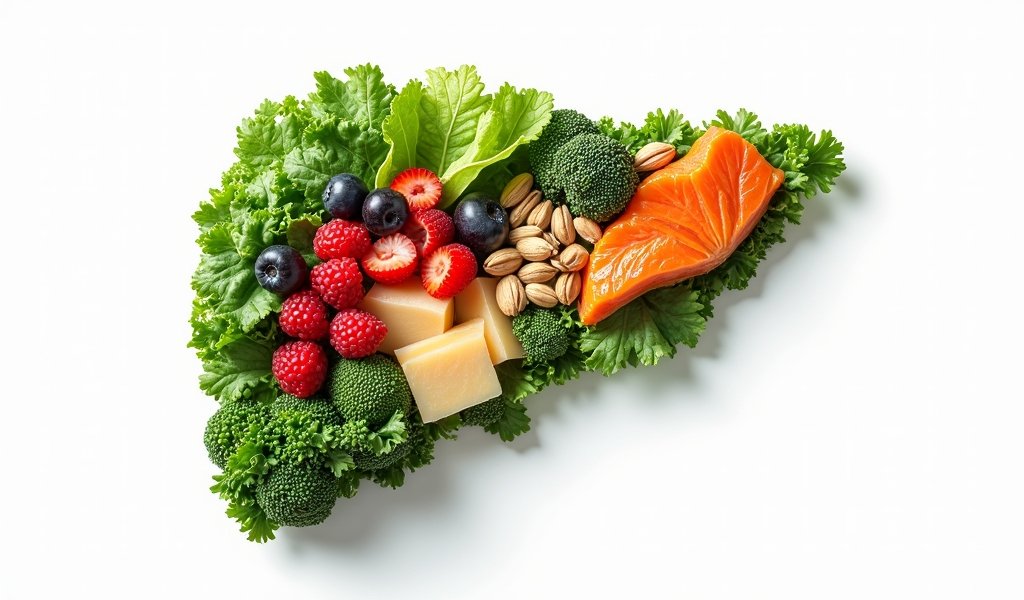
- Ample non-starchy vegetables (leafy greens, bell peppers, broccoli, cauliflower)
- Moderate protein from quality sources (eggs, fish, poultry, grass-fed meat)
- Healthy fats (avocado, olive oil, nuts, seeds)
- Limited fruit (primarily berries and other low-sugar options)
- Minimal grains, focusing on small portions of whole, unprocessed varieties
The key to success with this approach is focusing on carbohydrate quality rather than eliminating them entirely. Complex carbohydrates from vegetables and small amounts of whole grains provide essential nutrients and fiber while avoiding the blood sugar spikes that trigger liver fat storage.
Intermittent Fasting for Liver Health
Intermittent fasting isn’t just a weight loss trend—it’s a powerful therapeutic approach for fatty liver disease. This eating pattern involves cycling between periods of eating and fasting, giving your liver time to process stored fat rather than constantly managing incoming nutrients.
Research has shown that even short fasting periods can activate liver autophagy—the process by which liver cells clean out damaged components and regenerate themselves. A study from the University of Sydney found that time-restricted eating reduced liver fat by 14% in just 12 weeks, even without calorie restrictions.
Common intermittent fasting approaches beneficial for fatty liver include:
- 16:8 method: Eating within an 8-hour window each day (e.g., 11am-7pm)
- 5:2 approach: Eating normally five days a week and reducing calories to 500-600 on two non-consecutive days
- Time-restricted eating: Consuming all meals within a consistent 10-12 hour window
The metabolic benefits extend beyond just weight loss. Fasting periods increase adiponectin—a hormone that improves insulin sensitivity and reduces liver inflammation. Many of my patients report not just improved liver health but better energy levels and mental clarity after adopting intermittent fasting as part of their recovery plan.
MIND Diet: Brain and Liver Connection
The Mediterranean-DASH Intervention for Neurodegenerative Delay (MIND) diet combines the best elements of Mediterranean and DASH diets with specific foods shown to support brain health. Interestingly, this approach also provides exceptional benefits for fatty liver patients due to the strong connection between brain and liver metabolism.
The MIND diet emphasizes 10 brain-healthy food groups: green leafy vegetables, other vegetables, nuts, berries, beans, whole grains, fish, poultry, olive oil, and wine (in moderation). It simultaneously limits red meat, butter, cheese, pastries, sweets, and fried foods—all known contributors to liver fat accumulation.
What makes this diet particularly effective for fatty liver is its focus on antioxidant-rich foods that combat oxidative stress—a major driver of liver cell damage. The emphasis on berries (especially blueberries) provides powerful polyphenols that have been shown to improve liver enzyme profiles and reduce inflammation markers.
For optimal liver protection, the MIND diet recommends:
- At least 6 servings of green leafy vegetables weekly
- Other vegetables at least once daily
- Berries at least twice weekly
- Whole grains three times daily
- Fish at least once weekly
- Beans more than three times weekly
- Nuts at least five times weekly
The antioxidant power of this diet creates a protective shield around liver cells, allowing them to heal and regenerate while reducing the inflammatory burden driving fatty liver progression.
Low-Glycemic Diet for Fatty Liver
A low-glycemic diet focuses on foods that have minimal impact on blood sugar levels, directly addressing the insulin resistance that underlies most cases of fatty liver disease. This approach doesn’t require counting calories or strict elimination but rather emphasizes food choices that release glucose slowly into the bloodstream.
Foods with a low glycemic index (below 55) include most non-starchy vegetables, legumes, nuts, and some fruits like berries and apples. These foods trigger smaller insulin responses, preventing the hormonal cascade that promotes fat storage in the liver. Medium-glycemic foods (56-69) can be included in moderation, while high-glycemic options (70+) like white bread, potatoes, and sweetened drinks should be limited.
The benefits of this approach include:
- Stabilized blood sugar levels throughout the day
- Reduced insulin production and improved insulin sensitivity
- Decreased triglyceride formation in the liver
- Better satiety and natural portion control
- Sustainable energy levels without crashes
What makes this approach particularly effective is its sustainability—patients don’t feel deprived or restricted but rather learn to make food choices that naturally support their liver health. The focus on quality rather than rigid rules makes this diet adaptable to various cultural preferences and lifestyles.
Foods to Avoid with Fatty Liver
When healing fatty liver, understanding what to eliminate is just as important as knowing what to include. Certain foods directly contribute to liver fat accumulation, inflammation, and impaired liver function. Removing these from your diet can accelerate healing and prevent further damage.
The primary foods to avoid include:
- Added sugars and high-fructose corn syrup (found in sodas, candies, and many processed foods)
- Refined carbohydrates (white bread, white rice, conventional pasta)
- Fried foods and foods high in trans fats
- Processed meats (hot dogs, bacon, sausage, deli meats)
- Alcohol (even moderate consumption can impair liver recovery)
- Excessive salt (which contributes to fluid retention and liver stress)
- Artificial sweeteners (which can disrupt gut bacteria and metabolism)
The impact of fructose deserves special mention. Unlike glucose, which can be used by cells throughout the body, fructose is primarily processed by the liver. Excessive fructose consumption—particularly from added sugars rather than whole fruits—overloads liver metabolism and directly contributes to fat formation within liver cells. Studies show that reducing fructose intake alone can decrease liver fat by up to 22% in just 9 days.
Foods to Embrace for Liver Recovery
Certain foods have remarkable liver-protective properties that can accelerate healing from fatty liver disease. These “liver superfoods” contain compounds that reduce inflammation, support detoxification pathways, and even help regenerate damaged liver cells.
The most powerful foods for liver recovery include:
- Cruciferous vegetables (broccoli, Brussels sprouts, cauliflower) – contain sulforaphane, which activates liver detoxification enzymes
- Fatty fish (salmon, sardines, mackerel) – provide omega-3 fatty acids that reduce liver inflammation
- Berries (especially blueberries and cranberries) – contain antioxidants that protect liver cells from damage
- Nuts (particularly walnuts) – provide healthy fats and the amino acid arginine, which helps detoxify ammonia
- Garlic and onions – contain allicin and selenium, compounds that activate liver enzymes and flush out toxins
- Green tea – contains catechins that improve liver fat metabolism
- Olive oil – provides anti-inflammatory compounds and helps reduce fat accumulation
- Turmeric – contains curcumin, which has powerful anti-inflammatory and antioxidant properties
Incorporating these foods daily creates a foundation for liver healing. Their compounds work synergistically, addressing multiple aspects of fatty liver disease simultaneously—from reducing inflammation to supporting the regeneration of healthy liver tissue. For optimal results, aim to include at least 4-5 of these liver-supporting foods in your daily diet.
The Importance of Hydration
Proper hydration is often overlooked in fatty liver recovery, yet it’s absolutely essential for optimal liver function. The liver requires adequate fluid to perform its 500+ vital functions, including processing nutrients and eliminating toxins from the body.
Water helps maintain the fluidity of blood, allowing it to flow freely through the liver and facilitating efficient nutrient delivery and waste removal. Studies have shown that even mild dehydration can reduce the liver’s ability to metabolize fat and filter toxins by up to 40%.
Beyond plain water, certain beverages offer additional liver benefits:
- Green tea provides catechins that improve liver enzyme levels and reduce fat storage
- Coffee (in moderation, without sugar) has been shown to reduce liver stiffness and inflammation
- Lemon water helps stimulate bile production, supporting fat digestion
- Dandelion tea acts as a natural diuretic, helping the liver eliminate toxins
Aim for at least 8-10 cups of fluids daily, primarily from water and beneficial beverages. A simple hydration goal: your urine should be pale yellow throughout the day. This consistent hydration creates the optimal environment for liver cells to repair and regenerate while efficiently processing nutrients from your liver-friendly diet.
Conclusion
Implementing the right diet for fatty liver disease can dramatically transform your health and potentially reverse this condition entirely. The seven evidence-based dietary approaches outlined here—Mediterranean, DASH, plant-based, low-carbohydrate, intermittent fasting, MIND, and low-glycemic—each offer unique benefits for liver healing. Rather than viewing them as competing approaches, consider them complementary tools in your recovery journey.
The most successful patients combine elements from multiple plans based on their personal preferences, cultural background, and lifestyle factors. What matters most is consistency and the elimination of the most harmful foods—added sugars, refined carbohydrates, and processed fats—while embracing nutrient-dense options that actively support liver health.
Remember that healing takes time. While some patients see improvements in liver enzyme levels within weeks, visible changes in liver fat content typically take 3-6 months of consistent dietary changes. Be patient with your body as it heals, and celebrate small victories along the way.
With the right dietary approach and lifestyle modifications, fatty liver disease doesn’t have to be a permanent condition. Your liver has remarkable regenerative capacity—give it the nutritional support it needs, and it will reward you with improved energy, better metabolic health, and enhanced overall wellbeing for years to come.
Frequently Asked Questions
How long does it take to reverse fatty liver with diet?
Most patients see measurable improvements in liver fat content within 3-6 months of consistent dietary changes. Complete resolution can take 6-12 months depending on severity and adherence to the diet.
Can fatty liver be completely cured?
Yes, early-stage fatty liver can be completely reversed with appropriate dietary and lifestyle changes. Even more advanced cases can show significant improvement, though some fibrosis may remain.
Is fruit juice good for fatty liver?
No, fruit juices are not recommended for fatty liver due to their concentrated fructose content without the beneficial fiber. Whole fruits, especially berries and apples, are much better choices.
Should I completely avoid carbohydrates with fatty liver?
Complete carbohydrate avoidance isn’t necessary or recommended. Focus instead on choosing complex carbohydrates from vegetables, legumes, and limited whole grains while avoiding refined carbs and added sugars.
Can I drink coffee with fatty liver disease?
Yes, moderate coffee consumption (1-3 cups daily) without added sugar has been shown to benefit fatty liver disease. Studies indicate coffee may reduce liver inflammation and decrease fat accumulation.