

Overview
This article provides five essential dietary strategies for patients recovering from gallbladder removal surgery: gradually reintroduce foods, focus on low-fat options, balance fiber intake, eat smaller frequent meals, and maintain proper hydration. It offers specific food recommendations to enjoy and avoid during recovery, emphasizing that most dietary restrictions are temporary as the body adapts to functioning without a gallbladder.
Table of Contents
- Understanding Gallbladder Removal
- Importance of Diet After Surgery
- Tip 1: Gradual Reintroduction of Foods
- Tip 2: Low-Fat Focus
- Tip 3: Fiber-Friendly Approach
- Tip 4: Smaller, More Frequent Meals
- Tip 5: Hydration is Key
- Foods to Enjoy After Gallbladder Removal
- Foods to Avoid After Gallbladder Removal
- Conclusion
- Frequently Asked Questions
Understanding Gallbladder Removal
Adjusting to life after gallbladder removal (cholecystectomy) can feel like navigating uncharted waters. As a nutritionist who has guided hundreds of patients through post-surgery recovery, I understand the challenges that come with adapting your diet after gallbladder removal. Your gallbladder might be gone, but your digestive journey is just taking a new path – one that requires some thoughtful navigation.
The gallbladder serves as a storage unit for bile, which helps break down fats. When this tiny organ is removed, bile flows directly from your liver to your small intestine instead of being stored and concentrated. This shift affects how your body processes certain foods, especially those high in fat. But don’t worry – with the right dietary approach, you’ll be back to enjoying meals with comfort and confidence.
Recovery doesn’t happen overnight, but implementing targeted dietary changes can significantly speed up the process. In this comprehensive guide, I’ll walk you through five essential tips that will help you navigate your diet after gallbladder removal, minimize discomfort, and promote faster healing.
Importance of Diet After Surgery
Following gallbladder removal surgery, your diet becomes more than just a matter of preference – it transforms into a crucial healing tool. The right nutritional choices can be the difference between a smooth recovery and weeks of unnecessary discomfort. Your digestive system is essentially learning to function without its trusty bile storage assistant, and your food choices can either support or hinder this adaptation process.
In the immediate aftermath of surgery, your body is particularly vulnerable to digestive upset. Without the gallbladder’s bile-storing function, fat digestion becomes less efficient, which can lead to symptoms like diarrhea, bloating, and abdominal pain – collectively known as postcholecystectomy syndrome. Research shows that approximately 10-15% of patients experience these symptoms, but proper dietary management can significantly reduce their occurrence.
Think of your post-surgery diet as a gentle reintroduction to eating – similar to how you’d gradually return to exercise after an injury. Your digestive system needs time to adjust and strengthen before handling its full normal workload. This temporary dietary shift isn’t about deprivation; it’s about strategic nutrition that supports healing while minimizing strain on your recovering system.

Tip 1: Gradual Reintroduction of Foods
The journey back to normal eating after gallbladder removal is less of a sprint and more of a thoughtful walk. Your digestive system has just undergone a significant change, and rushing back to your pre-surgery diet could trigger uncomfortable symptoms. Instead, think of reintroducing foods as a three-act play, where each stage builds upon the success of the previous one.
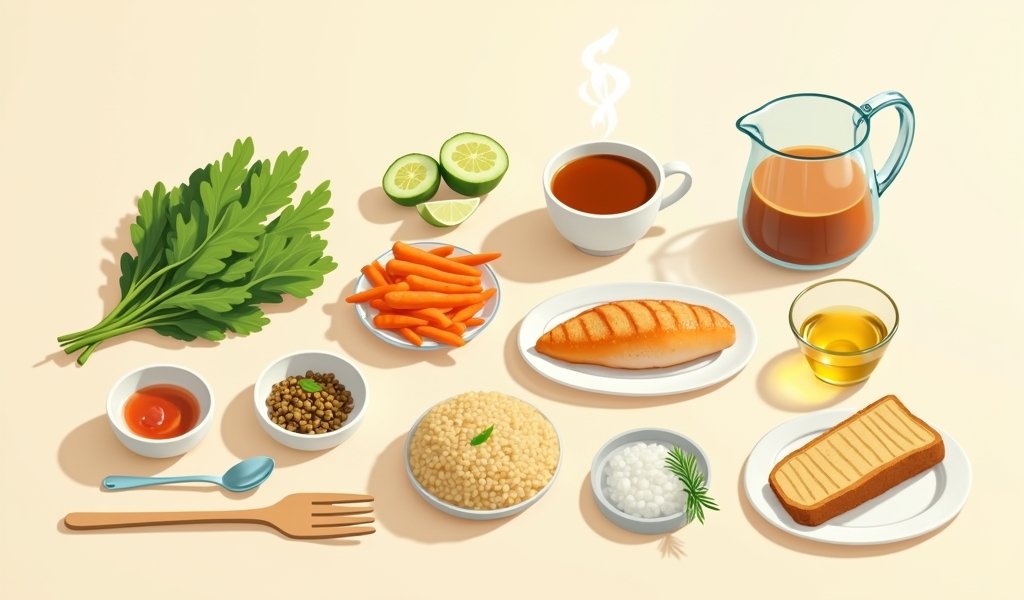
In the first 48 hours post-surgery, a full liquid diet provides gentle nourishment while giving your digestive tract time to begin healing. Clear broths, strained fruit juices, gelatin, and herbal teas become your temporary allies. This liquid foundation allows for easy digestion while maintaining hydration – crucial factors in early recovery.
As comfort increases, typically within 3-5 days, transition to a bland diet incorporating easily digestible foods. This stage might include:
- Plain toast or crackers
- Boiled or baked skinless chicken
- Plain rice or pasta
- Cooked vegetables (without skins)
- Bananas and applesauce
This approach is like dipping your toes in the water before diving in – it allows you to test your body’s responses to different foods gradually. Keep a food journal during this phase to track any reactions, noting both comfortable foods and those that trigger symptoms.
After 1-2 weeks of successful bland eating, begin carefully expanding your menu. Add one new food every few days rather than multiple items at once. This methodical approach makes it easier to identify any specific triggers. Many patients find that a soft food diet provides a helpful intermediate step before returning to more textured options.
Remember, patience with this process pays dividends. Your body is adapting to a new normal, and giving it time to adjust is one of the kindest things you can do for your recovery.
Tip 2: Low-Fat Focus
After gallbladder removal, your relationship with dietary fat undergoes a necessary transformation. Without your gallbladder’s storage capacity, bile flows directly from your liver to your small intestine, but in smaller, less concentrated amounts. This creates a situation where high-fat meals can overwhelm your digestive capacity, leading to discomfort that ranges from mild indigestion to more severe symptoms like urgent diarrhea.
Imagine your digestive system as a highway during rush hour – before surgery, your gallbladder acted like a traffic regulator, releasing concentrated bile exactly when needed to process fatty foods. Now, without this regulation, a sudden influx of fatty foods creates digestive traffic jams, with fat molecules waiting for sufficient bile to process them.
According to Mayo Clinic guidelines, limiting dietary fat intake to 30-40 grams daily during the recovery period provides an optimal balance. This doesn’t mean eliminating fat entirely – your body still needs healthy fats for proper function – but rather distributing this limited amount throughout your day.
Here’s how to practically implement this low-fat approach:
- Choose lean proteins like skinless poultry, fish, egg whites, and legumes
- Opt for low-fat dairy or plant-based alternatives
- Use cooking methods that require minimal added fat (baking, steaming, grilling)
- Measure oil when cooking rather than pouring freely
- Read nutrition labels carefully, watching for hidden fats in processed foods
When you do consume fats, focus on easier-to-digest sources like avocados, olive oil, and fatty fish rich in omega-3s. These options provide nutritional benefits while generally causing less distress than saturated and trans fats found in fried foods, full-fat dairy, and fatty meats.
Many patients find they can gradually increase fat intake as months pass post-surgery. Your liver will eventually compensate somewhat for the missing gallbladder, but the immediate recovery period demands this more cautious approach to fats.
Tip 3: Fiber-Friendly Approach
Balancing fiber intake becomes a delicate art after gallbladder surgery. Like a skilled tightrope walker, you’ll need to find the perfect balance – too little fiber can lead to constipation, while too much, too soon might trigger digestive distress. The key lies in a strategic, incremental approach to fiber consumption.
In the immediate post-surgery period (first 1-2 weeks), modest amounts of soluble fiber work best. This type of fiber dissolves in water to form a gel-like substance that’s gentle on your digestive system. Think of soluble fiber as the diplomatic negotiator of the fiber world – it helps regulate digestion without causing disruption.
Excellent sources of soluble fiber include:
- Oatmeal and oat bran
- Ripe bananas
- Applesauce (not raw apples initially)
- Well-cooked carrots
- Avocados (in small amounts, despite their fat content)
As your recovery progresses, gradually incorporate insoluble fiber – the structural component found in vegetable skins, seeds, and whole grains. This type of fiber adds bulk to stool and promotes regularity, but introducing it too quickly can overwhelm your healing digestive tract.
A thoughtful fiber progression might look like this:
- Weeks 1-2: Focus primarily on soluble fiber sources
- Weeks 3-4: Begin adding small amounts of insoluble fiber
- Weeks 5+: Work toward a balanced mix of both fiber types
Hydration works synergistically with fiber – without adequate fluid intake, fiber can actually worsen constipation rather than relieve it. Aim for at least 8-10 cups of fluid daily to help fiber perform its intended function.
If you notice persistent constipation despite adequate fiber and hydration, speak with your healthcare provider. Some patients temporarily benefit from a gentle stool softener during recovery, though dietary measures should be the first approach. According to Johns Hopkins Medicine, most patients can return to a normal fiber intake within a month of surgery.
Tip 4: Smaller, More Frequent Meals
The days of three square meals might need to take a temporary backseat after gallbladder surgery. Without your gallbladder’s ability to store and concentrate bile, your digestive system now receives a steady but diluted bile flow directly from the liver. This new arrangement works best when processing smaller amounts of food at a time, rather than larger meals that demand significant digestive resources all at once.
Think of your post-surgery digestive capacity like a small sink with a moderate drain – small, steady amounts of water (food) flow through easily, but a sudden large volume causes overflow and backup. By dividing your daily nutritional intake into 5-6 smaller meals instead of 3 larger ones, you align your eating pattern with your body’s new digestive reality.
This approach offers multiple benefits beyond just preventing digestive distress:
- More stable blood sugar levels throughout the day
- Reduced burden on your digestive enzymes
- Decreased likelihood of triggering diarrhea or pain
- Better energy distribution throughout your day
- Improved nutrient absorption as food is processed more thoroughly
A practical meal schedule might include three modest core meals with small, nutrient-dense snacks between them. For instance:
- 7:00 AM: Small breakfast (oatmeal with berries)
- 10:00 AM: Mid-morning snack (low-fat yogurt)
- 12:30 PM: Light lunch (soup and half sandwich)
- 3:00 PM: Afternoon snack (apple slices with almond butter)
- 6:00 PM: Modest dinner (baked fish, rice, vegetables)
- 8:00 PM: Evening snack if needed (small smoothie or crackers)
Pay special attention to your eating pace as well. Eating slowly and mindfully gives your digestive system time to process food gradually and signals fullness appropriately. Rushing through meals can lead to overconsumption before your body registers satiety, potentially overwhelming your digestive capacity.
Many patients find this eating pattern so beneficial that they maintain elements of it long after recovery, as it supports optimal digestion even when the immediate post-surgery period has passed.
Tip 5: Hydration is Key
Water becomes your unsung recovery hero after gallbladder surgery. While medication manages pain and rest supports healing, proper hydration facilitates every aspect of your recovery process. Many patients underestimate this critical element, focusing on food adjustments while overlooking the power of adequate fluid intake.
In the post-cholecystectomy period, proper hydration serves multiple essential functions. It helps thin bile, making it easier for your digestive system to process foods without your gallbladder’s concentrated bile release. Adequate fluids also combat constipation – a common recovery complaint – by keeping stool soft and supporting digestive transit.
Aim for a minimum of 8-10 cups (64-80 ounces) of fluid daily, increasing this amount if you experience diarrhea, which can lead to dehydration. While water should comprise the majority of your fluid intake, these options also contribute to hydration:
- Herbal teas (particularly ginger or peppermint, which may ease digestive discomfort)
- Clear broths (which provide both hydration and gentle nutrition)
- Diluted fruit juices (limit to 4-6 ounces daily due to sugar content)
- Coconut water (which provides electrolytes for enhanced hydration)
Time your fluid consumption strategically by drinking most liquids between meals rather than with meals. Large amounts of fluid consumed while eating can dilute digestive enzymes, potentially making digestion less efficient when your system is already adjusting to changes.
Monitor your hydration status through urine color – pale yellow indicates proper hydration, while darker yellow suggests you need more fluids. Some patients find that carrying a marked water bottle helps them track their intake throughout the day, ensuring they meet their hydration goals.
Certain beverages warrant caution during recovery. Alcohol can irritate your digestive tract and tax your liver, which is now working harder to produce bile continuously. Caffeinated and carbonated drinks may trigger discomfort in some patients, though tolerance varies individually. If you reintroduce these beverages, do so gradually and observe your body’s response.
Foods to Enjoy After Gallbladder Removal
Building your post-surgery meal plan around gallbladder-friendly foods creates a foundation for comfortable eating and optimized recovery. These digestive allies provide nutrition without overwhelming your newly adjusted digestive system. As you plan your meals, consider emphasizing these supportive food categories.
Lean proteins serve as cornerstone recovery foods, providing essential amino acids for healing without excess fat that could trigger discomfort. Excellent options include:
- Skinless poultry (chicken and turkey)
- White fish and shellfish
- Egg whites or egg substitutes
- Tofu and tempeh
- Legumes like lentils and chickpeas
Non-starchy vegetables deliver fiber, vitamins, and minerals with minimal digestive burden. Initially, well-cooked vegetables may be easier to tolerate than raw ones. Beneficial choices include:
- Spinach and other leafy greens
- Carrots and sweet potatoes
- Zucchini and summer squash
- Bell peppers (cooked initially)
- Asparagus and green beans
Whole grains provide sustainable energy while supporting digestive health through their fiber content. Focus on:
- Oats and oatmeal
- Brown rice
- Quinoa
- Barley
- Whole grain pasta (in moderation)
Low-fat dairy and alternatives offer calcium and protein without excessive fat content:
- Skim or 1% milk
- Low-fat yogurt (particularly with live cultures for probiotic benefits)
- Reduced-fat cheese in small amounts
- Unsweetened almond or soy milk
Heart-healthy fats in controlled portions support overall health and provide essential fatty acids. Consider:
- Avocado (¼ to ½, depending on tolerance)
- Olive oil (limit to 1-2 teaspoons per meal)
- Nuts and seeds in small portions
- Fatty fish like salmon (rich in anti-inflammatory omega-3s)
Fruits offer natural sweetness, vitamins, and fiber. Initially, focus on lower-fiber options and cooked preparations:
- Bananas
- Applesauce or baked apples
- Melon varieties
- Peeled pears
- Berries (in smaller amounts initially)
As your body adapts, you’ll likely find you can expand this list considerably. The key is starting with these easier-to-digest options and gradually testing your individual tolerance as recovery progresses.
Foods to Avoid After Gallbladder Removal
While your dietary horizons will expand as recovery progresses, certain foods may remain challenging even months after surgery. These potential troublemakers typically fall into several categories that overtax your altered digestive system. Being mindful of these foods can help you avoid unnecessary discomfort during your healing journey.
High-fat foods pose the greatest challenge without your gallbladder’s bile storage capacity. Consider limiting or avoiding:
- Fried foods of all types (french fries, fried chicken, donuts)
- Fatty cuts of meat (marbled steaks, bacon, sausage)
- Full-fat dairy products (ice cream, cream, whole milk)
- Heavy sauces and gravies
- Creamy soups and dressings
Highly spiced foods can irritate your digestive tract during the sensitive recovery period:
- Hot peppers and hot sauces
- Heavily spiced curries
- Dishes with substantial black pepper
- Garlic and onion in large amounts (particularly raw)
Gas-producing foods may cause temporary discomfort, especially in the early recovery stages:
- Cruciferous vegetables (broccoli, cauliflower, Brussels sprouts)
- Beans and lentils in large portions
- Carbonated beverages
- Artificial sweeteners (particularly sugar alcohols like sorbitol)
Processed foods often combine multiple challenging elements (fat, additives, sugar) that can complicate digestion:
- Fast food meals
- Packaged snack foods (chips, crackers, processed cheese products)
- Pre-made frozen meals
- Processed meats (salami, bologna, hot dogs)
Caffeine and alcohol can stimulate digestive activity and potentially irritate your system:
- Coffee (both regular and decaffeinated can be acidic)
- Energy drinks
- Alcoholic beverages of all types
- Strong black tea
Remember that individual tolerance varies significantly. Some patients might comfortably enjoy certain foods from this list while finding others problematic. The key is mindful experimentation – reintroduce these potentially challenging foods one at a time, in small amounts, once your initial recovery is complete.
Your personal “avoid” list will likely shrink over time as your body adapts to life without a gallbladder. Many patients report that their most significant dietary restrictions ease within 3-6 months, though some sensitivity to very high-fat meals may persist longer-term.
Conclusion
Navigating your diet after gallbladder removal might initially feel overwhelming, but remember that this adjustment period is temporary for most people. Your body possesses remarkable adaptability, and with each passing week, your digestive system will continue refining its new patterns of functioning without your gallbladder.
By implementing these five essential strategies – gradually reintroducing foods, focusing on lower-fat options, balancing fiber intake, eating smaller frequent meals, and prioritizing hydration – you’re providing your body with the optimal environment for healing and adaptation. Think of these approaches as training wheels that will help steady your digestive system until it gains confidence in its new normal.
The journey of recovery varies for each individual. Some patients find they return to near-normal eating within weeks, while others require several months to expand their dietary comfort zone fully. Be patient with your body and resist comparing your progress to others’ experiences. Your unique healing timeline deserves respect and understanding.
As you move forward, maintain open communication with your healthcare providers about any persistent symptoms. While some adjustment discomfort is expected, ongoing severe symptoms warrant medical attention to ensure proper healing and rule out complications.
Would you like to share your own gallbladder recovery experience or learn from others on the same journey? Join our supportive community of post-cholecystectomy patients who share tips, recipes, and encouragement. Your insights might be exactly what another recovering patient needs to hear today.
Remember, this dietary transition isn’t about permanent restriction but rather about finding your new path to comfortable, enjoyable eating. With mindful attention to these guidelines and respect for your body’s signals, you’ll be savoring diverse, delicious meals with confidence before you know it.
Frequently Asked Questions
How long will I need to follow a special diet after gallbladder removal?
Most people need to follow dietary modifications for 2-4 weeks after surgery, though some may require adjustments for 3-6 months. Your body will gradually adapt to functioning without a gallbladder, allowing you to expand your diet over time.
Can I ever eat fatty foods again after gallbladder surgery?
Yes, most people can eventually reintroduce moderate amounts of fat into their diet. Start with small portions of healthy fats like avocado or olive oil before attempting higher-fat foods, and increase quantities gradually based on your tolerance.
Why am I experiencing diarrhea after gallbladder removal?
Post-cholecystectomy diarrhea occurs because bile now flows directly into your intestine rather than being stored and concentrated. This continuous bile flow can have a laxative effect, especially when processing fatty meals, but typically improves within 2-4 weeks as your body adapts.
Are there supplements I should take after gallbladder removal?
Some patients benefit from digestive enzyme supplements or ox bile supplements, particularly when consuming higher-fat meals. Consult with your healthcare provider before starting any supplement, as individual needs vary based on specific symptoms and overall health.
Can I drink alcohol after gallbladder surgery?
It’s best to avoid alcohol for at least two weeks after surgery while your body is healing. After recovery, moderate alcohol consumption is acceptable for most patients, but monitor your body’s response carefully, as some individuals experience increased sensitivity.