
Overview
Imagine your tooth decided to play hide and seek with itself – that’s essentially what a cracked tooth is doing when it causes that unpredictable, sometimes excruciating pain. This article provides a complete guide to understanding cracked tooth pain, covering causes (grinding, trauma, age), immediate relief strategies (salt water rinses, OTC pain relievers), professional treatment options (bonding, crowns, root canals), and prevention methods (night guards, avoiding hard foods), emphasizing that while temporary pain management is possible at home, professional dental care is essential for proper healing.
Table of Contents
- Understanding Cracked Tooth Pain
- Common Causes of Cracked Teeth
- Symptoms of a Cracked Tooth
- Immediate Relief Strategies
- Over-the-Counter Pain Management
- Home Remedies for Cracked Tooth Pain
- When to Seek Professional Help
- Dental Treatments for Cracked Teeth
- Prevention Tips
- Recovery and Aftercare
- Conclusion
- Frequently Asked Questions
Understanding Cracked Tooth Pain
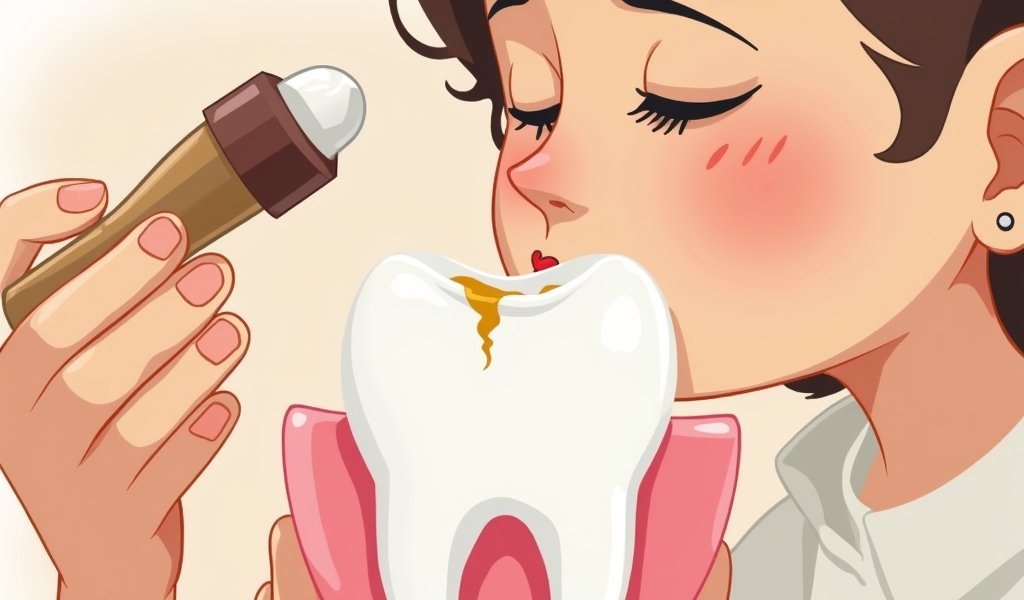
Cracked tooth pain can range from mildly annoying to downright excruciating. If you’re experiencing this discomfort, you’re not alone – cracked teeth are the third leading cause of tooth loss in industrialized nations. The pain typically stems from the exposure of sensitive inner tooth layers or from the movement of the fractured pieces irritating the pulp (the tooth’s nerve center). When you bite down, these fragments may shift, causing sharp pain that often subsides immediately after releasing pressure.
What makes cracked tooth pain particularly tricky is its inconsistent nature. You might feel intense discomfort when eating certain foods or biting in specific ways, but then experience complete relief moments later. This intermittent characteristic often leads to delayed diagnosis and treatment, which can unfortunately worsen the condition.
Not all cracks are created equal. They can range from superficial craze lines (tiny cracks in the enamel) to complete fractures extending into the root. The depth and location of the crack significantly influence both your symptoms and treatment options. Understanding the specific nature of your cracked tooth is essential for effective pain management and proper healing.
Common Causes of Cracked Teeth
Our teeth, despite being incredibly strong, aren’t indestructible. Several factors can compromise their structural integrity and lead to cracks. Teeth grinding (bruxism) is a major culprit, with the National Institutes of Health reporting that up to 31% of adults suffer from this often unconscious habit. The constant pressure weakens teeth over time, making them more susceptible to fractures.
Large fillings can also predispose teeth to cracking. When a significant portion of your natural tooth structure is replaced with filling material, the remaining tooth becomes more vulnerable. This is especially true for older silver (amalgam) fillings, which don’t bond to teeth and can act like wedges when you bite down, potentially splitting the tooth.
Temperature extremes create another hazard. Rapidly alternating between hot coffee and ice water, for example, causes thermal expansion and contraction that can eventually lead to small fractures. Our tooth enamel and the dentin underneath expand at different rates, creating microscopic stress points that may develop into cracks.
Trauma is perhaps the most obvious cause. Direct impacts from sports injuries, falls, or accidents can immediately crack teeth. Even seemingly harmless habits like chewing ice, hard candies, or popcorn kernels can deliver the final blow to a tooth that’s already compromised by other factors.
Age also plays a significant role. As we get older, our teeth naturally accumulate decades of wear and stress, making them more prone to cracking. This is particularly true after age 50, when many people begin experiencing cracked teeth even without obvious traumatic incidents.
Symptoms of a Cracked Tooth
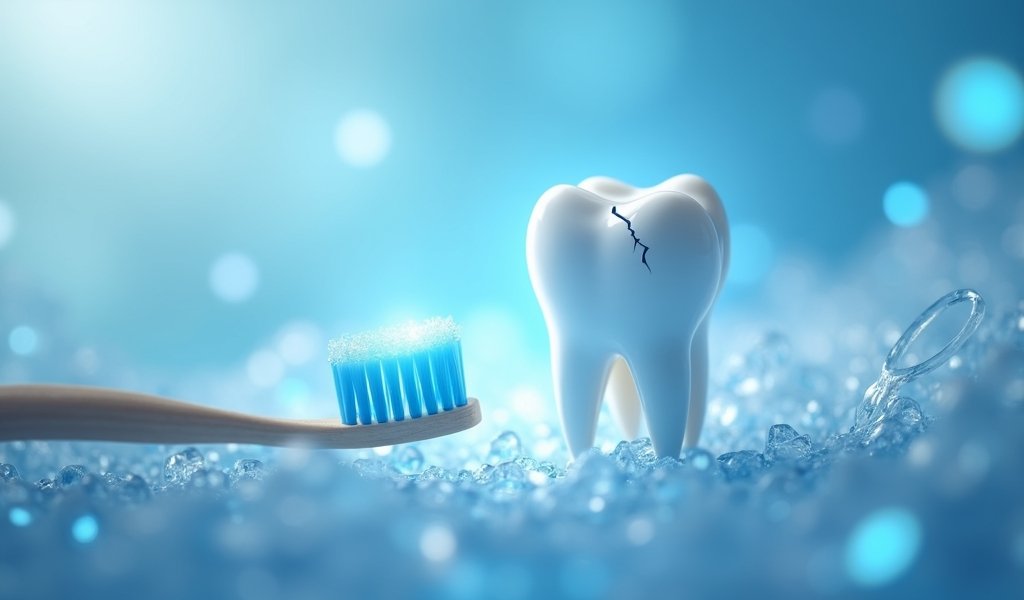
Identifying a cracked tooth isn’t always straightforward, as symptoms can vary widely depending on the severity and location of the crack. The most telltale sign is pain when chewing or biting, especially when you release the pressure rather than during the bite itself. This distinctive pattern occurs because biting down can temporarily separate the cracked segments, and the release allows them to snap back, irritating the nerve.
Temperature sensitivity is another common indicator. If you wince when consuming hot coffee, ice cream, or even breathing in cold air, a crack might be exposing the sensitive inner layers of your tooth. This sensitivity often comes on suddenly, unlike the gradual sensitivity that might develop with gum recession or enamel wear.
Intermittent pain is particularly characteristic of cracked teeth. You might experience sharp, sudden pain that mysteriously disappears, only to return hours or days later. This unpredictable pattern can make diagnosis challenging, even for experienced dental professionals.
Some patients report a feeling of roughness when running their tongue over the affected tooth. In more obvious cases, you might actually see a visible line on your tooth, though many cracks aren’t visible to the naked eye and may require special dental instruments or imaging to detect.
Gum inflammation around a specific tooth can also indicate a crack, especially if the fracture extends below the gumline. You might notice localized swelling, redness, or tenderness in the gum tissue adjacent to the affected tooth.
Immediate Relief Strategies
When cracked tooth pain strikes, quick action can make a world of difference in your comfort level. First, avoid chewing on the affected side immediately. This simple step prevents further irritation and potential widening of the crack. If you need to eat, stick to soft foods that require minimal chewing pressure.
Rinsing with warm salt water (about half a teaspoon of salt in 8 ounces of water) serves as a gentle, natural disinfectant while reducing inflammation. This age-old remedy helps clean the area and can provide substantial temporary relief.
Cold compression works wonders for reducing pain and swelling. Apply an ice pack to your cheek for 15 minutes on, then 15 minutes off. Always wrap the ice in a thin cloth to protect your skin, and repeat as needed throughout the day.
For immediate physical protection, dental wax from your local pharmacy can temporarily cover sharp edges that might be irritating your tongue or cheek. While not a permanent solution, it can make a significant difference in your comfort while you arrange professional dental care.
Breathing exercises may seem unrelated to dental pain, but they’re surprisingly effective for managing acute discomfort. Deep, controlled breathing triggers your body’s relaxation response and can help dampen pain signals. Try inhaling slowly for a count of four, holding for two, and exhaling for six.
Remember that these immediate strategies are stopgap measures, not substitutes for proper dental treatment. They can make you more comfortable while you arrange to see a dental professional, but the underlying issue still requires attention.
Over-the-Counter Pain Management
When dealing with cracked tooth pain, over-the-counter medications can provide significant relief until you can see your dentist. Nonsteroidal anti-inflammatory drugs (NSAIDs) like ibuprofen (Advil, Motrin) not only address pain but also reduce inflammation, making them particularly effective for dental discomfort. The standard adult dosage is typically 200-400mg every 4-6 hours, not exceeding 1200mg in 24 hours unless directed by a healthcare provider.
Acetaminophen (Tylenol) offers an alternative if you can’t take NSAIDs due to stomach issues, bleeding disorders, or other contraindications. While effective for pain, it doesn’t reduce inflammation, so it may be less effective for some aspects of dental pain. The standard adult dose is 500-1000mg every 4-6 hours, not exceeding 3000mg daily.
Combination approaches sometimes work better than single medications. Many dentists recommend alternating between ibuprofen and acetaminophen for more consistent pain control, though you should always confirm this approach with a healthcare provider before trying it.
Topical anesthetics containing benzocaine (like Orajel) can provide targeted relief when applied directly to the painful area. These products temporarily numb the site for about 30-45 minutes, offering a quick respite from intense pain. For best results, dry the area with a clean tissue before application, and avoid eating or drinking for at least 30 minutes afterward.
Clove oil deserves special mention as it bridges the gap between over-the-counter products and natural remedies. Available at most pharmacies, it contains eugenol, a natural anesthetic and anti-inflammatory. Apply a small amount to a cotton ball and gently hold it against the affected area for temporary numbing relief.
Home Remedies for Cracked Tooth Pain
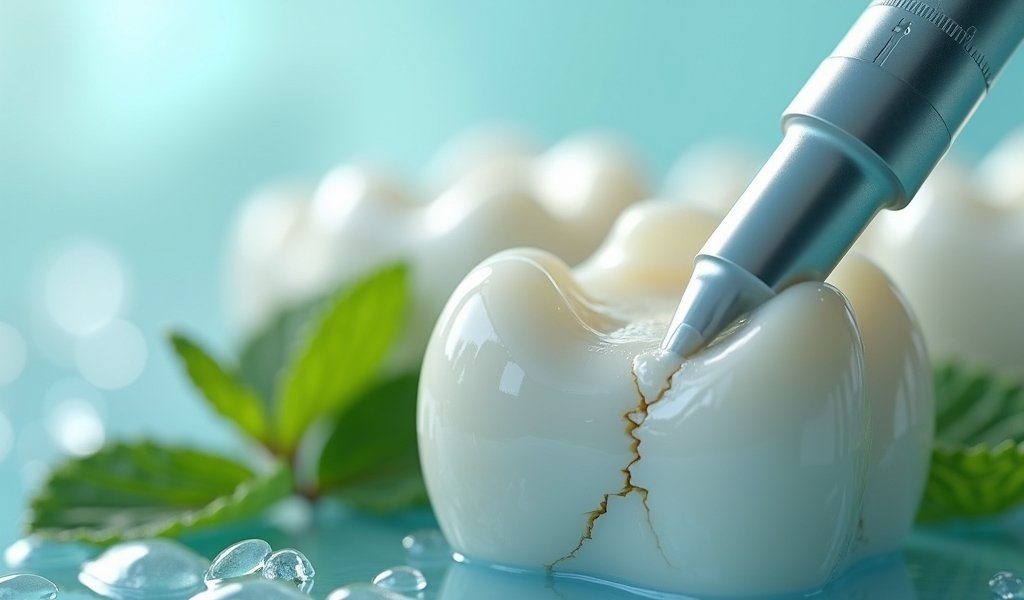
While professional treatment is essential for cracked teeth, several home remedies can provide meaningful relief in the interim. Peppermint tea bags offer dual benefits: the mild numbing effect of peppermint oil plus the warm compress action of the moist bag. Simply brew a cup of peppermint tea, let the bag cool slightly so it’s warm but not hot, then apply it directly to the affected area for 5-10 minutes.
Turmeric paste has gained recognition for its powerful anti-inflammatory properties. Mix a half teaspoon of turmeric powder with a few drops of water to form a paste, then apply directly to the affected tooth and surrounding gums. Its active compound, curcumin, has been shown to reduce inflammatory markers and provide pain relief.
Vanilla extract contains alcohol (a mild disinfectant) and the pleasant-smelling compound vanillin, which has surprising analgesic properties. Dab a small amount on your fingertip or a cotton ball and apply it directly to the cracked tooth for temporary numbing relief.
A cucumber slice held against the painful area provides cooling relief through its high water content. The coolness constricts blood vessels, reducing inflammation and pain signals. For enhanced effect, refrigerate the cucumber before use, but avoid freezing it as extreme cold could worsen tooth sensitivity.
Ginger root has natural anti-inflammatory and antibacterial properties that can help manage pain and prevent infection. Chew a small piece of fresh ginger near the affected area, or make a paste by grinding ginger and applying it directly to the site.
While these remedies can provide temporary comfort, they don’t replace professional dental care. Always use them as complementary approaches while arranging to see your dentist as soon as possible.
When to Seek Professional Help
While temporary pain management is helpful, certain situations demand immediate professional attention. Persistent, severe pain that doesn’t respond to over-the-counter medications indicates potential nerve involvement or infection that requires prompt treatment. Don’t wait it out if the pain becomes overwhelming or prevents you from sleeping.
Visible swelling, especially if accompanied by redness, warmth, or fever, suggests infection has developed. Dental infections can spread quickly to surrounding tissues and even become life-threatening if left untreated. The American Association of Endodontists emphasizes that dental infections require urgent attention, particularly if they’re causing facial swelling.
If you notice pus around the cracked tooth or experience a foul taste in your mouth, these are clear signs of infection requiring immediate care. Similarly, difficulty opening your mouth or swallowing warrants emergency dental attention, as these symptoms suggest the infection may be spreading to surrounding tissues.
Large, visible fractures should be evaluated promptly, even if they aren’t currently painful. These significant cracks can worsen rapidly under normal biting forces and may lead to irreparable damage if neglected. Your dentist can assess whether the crack is likely to progress and recommend appropriate preventive measures.
When a piece of your tooth breaks off entirely, save the fragment if possible. Place it in milk or saliva (by keeping it in your cheek) and bring it to your emergency dental appointment. In some cases, the fragment can be reattached, though this depends on several factors including the size of the fragment and the condition of the remaining tooth.
Dental Treatments for Cracked Teeth
The appropriate dental treatment for your cracked tooth will depend on the location, depth, and extent of the crack. For minor, superficial cracks that are primarily cosmetic, dental bonding offers a quick, minimally invasive solution. Your dentist applies a tooth-colored composite resin to the affected area, sculpts it to match your natural tooth shape, and hardens it with a special light. This procedure typically takes just one visit and effectively seals small cracks while restoring appearance.
Dental crowns are the treatment of choice for more substantial cracks. These custom-made porcelain or ceramic caps fit over your entire tooth, holding the fractured pieces together and protecting against further damage. The process usually requires two visits: one for preparation and impressions, and a second to place the permanent crown. Modern materials create incredibly natural-looking results that blend seamlessly with your smile.
When a crack extends into the pulp (the nerve center of your tooth), root canal therapy becomes necessary. This procedure involves removing the damaged nerve tissue, cleaning the interior of the tooth, and sealing it with a rubber-like material. Contrary to popular myths, modern root canal techniques are typically no more uncomfortable than getting a filling, thanks to effective anesthetics and improved techniques.
For severe cracks extending below the gumline or splitting the tooth in half, extraction may unfortunately be the only viable option. However, your dentist can discuss replacement alternatives like dental implants, bridges, or partial dentures to restore both function and aesthetics after the extraction heals.
In some cases, a specialized procedure called crown lengthening might be recommended before other treatments. This minor surgical procedure adjusts the gumline to expose more of the tooth structure, making it possible to place a crown on a tooth that’s severely cracked near or below the gumline.
Prevention Tips
Preventing cracked teeth is far easier and less costly than treating them. If you grind your teeth (bruxism), a custom-fitted night guard creates a protective barrier between your upper and lower teeth, absorbing the forces that would otherwise stress your tooth structure. These guards are far more effective and comfortable than over-the-counter options because they’re precisely molded to your unique dental anatomy.
Your dietary choices significantly impact your dental health. Avoid biting down on ice, hard candies, olive pits, or popcorn kernels, which can deliver concentrated force to a small area of your tooth. Even seemingly innocuous habits like chewing pen caps or fingernails can gradually stress your teeth to the breaking point.
Sports enthusiasts should always use appropriate protective equipment. A proper-fitting sports mouthguard absorbs impact and distributes force, dramatically reducing the risk of dental injuries during contact sports or activities with fall risks.
Regular dental check-ups allow your dentist to identify early warning signs before they develop into full-blown cracks. Small issues can often be addressed with minimal intervention when caught early. The American Dental Association recommends check-ups every six months for most patients, though your dentist may suggest a different schedule based on your individual needs.
Maintaining excellent oral hygiene preserves the strength of your teeth. Brush twice daily with fluoride toothpaste, floss daily, and consider using an antimicrobial mouthwash. Research shows that strong, well-mineralized teeth are more resistant to cracking under stress.
Recovery and Aftercare
After treatment for a cracked tooth, proper aftercare is essential for optimal healing and long-term success. During the initial recovery period, favor soft foods that require minimal chewing pressure. Yogurt, smoothies, soups, mashed potatoes, and well-cooked vegetables allow your treated tooth to heal without stress. Gradually reintroduce firmer foods as directed by your dentist.
Maintain impeccable oral hygiene, but be gentle around the treated area. Your dentist might recommend a soft-bristled toothbrush and careful flossing techniques to avoid disrupting the healing process. Some situations may call for prescription-strength fluoride toothpaste to strengthen the surrounding tooth structure.
Temperature sensitivity is common following treatment for cracked teeth, particularly after procedures like dental bonding or crown placement. This typically resolves within a few weeks, but avoiding extreme temperatures during this period can enhance your comfort. If sensitivity persists beyond a month, consult your dentist.
Follow-up appointments are crucial for monitoring your tooth’s recovery and making any necessary adjustments. Don’t skip these checkups even if your tooth feels fine – problems can develop silently before becoming symptomatic.
For teeth that have received root canal treatment followed by crowns, the success rate is excellent – over 90% of such teeth remain functional for many years. However, understand that even with the best treatment, a previously cracked tooth may never be quite as strong as an undamaged one, so continued protection through appropriate lifestyle choices remains important.
Conclusion
Cracked tooth pain can be debilitating, but with the right approach, both immediate relief and long-term resolution are achievable. The key is understanding that while temporary measures can manage discomfort, professional dental evaluation is essential for proper diagnosis and treatment. Different types of cracks require different interventions, and only a dental professional can determine the most appropriate course of action for your specific situation.
The good news is that modern dentistry offers highly effective solutions for cracked teeth, from simple bonding procedures to advanced root canal therapy and custom crowns. With proper care and timely intervention, most cracked teeth can be saved and restored to full function and appearance.
Remember that prevention remains your best strategy. Protective measures like night guards for teeth grinding, appropriate sports protection, and mindful eating habits significantly reduce your risk of dental fractures. Combined with regular dental check-ups, these preventive approaches help maintain your natural smile for years to come.
Whether you’re currently managing cracked tooth pain or looking to prevent future problems, a proactive partnership with your dental professional offers the surest path to oral health and comfort. Don’t hesitate to reach out to your dentist with any concerns – your smile is worth protecting.
Frequently Asked Questions
Can a cracked tooth heal on its own?
No, unlike bones, teeth cannot heal themselves once cracked. Professional dental treatment is always necessary to prevent further damage and potential infection.
How quickly do I need to see a dentist for a cracked tooth?
You should see a dentist within 1-2 days for most cracks. If you’re experiencing severe pain, swelling, or the crack is large, seek emergency dental care immediately.
Will I need a root canal for my cracked tooth?
Root canal treatment is necessary only if the crack extends into the pulp (nerve) of the tooth. Your dentist will determine this through examination and possibly x-rays.
Is it safe to use numbing gels like Orajel for cracked tooth pain?
Yes, over-the-counter numbing gels are safe for temporary relief when used as directed. Don’t exceed the recommended dosage or frequency of application.
Can cracked teeth cause headaches or ear pain?
Yes, the pain from a cracked tooth can radiate to your ear, jaw, and head due to shared nerve pathways. This referred pain often leads people to initially misidentify the source of their discomfort.