

Overview
This article presents seven protein-rich carnivore diet meals designed to promote fat loss, including ribeye steak with bone marrow, salmon and sardine plates, and ground beef dishes, while explaining how the all-animal-products approach works by eliminating carbs, increasing protein intake, and enhancing satiety. The diet works through metabolic pathways that promote fat-burning through ketosis, high protein thermogenesis, and natural appetite regulation, with the article also addressing meal timing, supplementation, and addressing common misconceptions about cholesterol and nutrition.
Table of Contents
- Introduction
- Understanding the Carnivore Diet for Fat Loss
- Meal #1: Ribeye Steak with Bone Marrow
- Meal #2: Salmon and Sardine Plate
- Meal #3: Ground Beef and Egg Bowl
- Meal #4: Lamb Chops with Liver
- Meal #5: Beef Chuck Roast
- Meal #6: Carnivore Breakfast Plate
- Meal #7: Carnivore Burger Stack
- Meal Timing and Frequency on Carnivore
- Supplementation Considerations
- Conclusion
- Frequently Asked Questions
Introduction
The sizzle of a perfect steak hitting a hot pan. The rich aroma of roasting meat. The satisfaction that follows a meal that keeps you full for hours. Welcome to the carnivore diet – arguably the most straightforward eating approach in today’s complex nutrition landscape.
At its core, the carnivore diet menu is exactly what it sounds like: eating only animal products. No plants. No carbs. Just meat, fish, eggs, and certain animal-derived foods. While it might sound extreme to the uninitiated, this approach has gained remarkable traction among those looking to shed stubborn fat and optimize their health.
The carnivore diet has exploded in popularity over the past few years, with thousands reporting dramatic transformations in body composition, mental clarity, and overall vitality. But can an all-meat diet really be the key to unlocking your body’s fat-burning potential?
In this article, we’ll explore seven proven carnivore meals that can help accelerate your fat loss journey. Whether you’re a carnivore veteran or just curious about this unconventional approach, these meal ideas will provide delicious options while supporting your body’s natural fat-burning mechanisms.
Understanding the Carnivore Diet for Fat Loss
Before diving into specific meals, let’s understand why the carnivore diet can be so effective for fat loss. Unlike many dietary approaches that focus on calorie restriction, the carnivore diet works through several powerful metabolic pathways.
First, by eliminating carbohydrates entirely, your body’s forced to become efficient at burning fat for fuel. This metabolic state, similar to ketosis, allows for steady energy levels throughout the day while accessing your stored body fat. The absence of insulin spikes means your body remains in fat-burning mode rather than fat-storage mode.
Second, protein has the highest thermic effect of all macronutrients, meaning your body burns significant calories just digesting it. A high-protein diet can increase your metabolic rate by up to 30% compared to high-fat or high-carb diets, according to research published in the Journal of the American College of Nutrition.
Third, the satiety factor can’t be overstated. The combination of protein and fat in animal foods triggers powerful signals to your brain that you’re full, making overeating much less likely compared to diets with processed foods or even plant foods.
Common misconceptions about the carnivore diet include concerns about cholesterol (which often improves for many followers), nutritional deficiencies (animal products contain nearly all essential nutrients humans need), and sustainability (many find the diet surprisingly easy to maintain long-term due to reduced hunger and cravings).
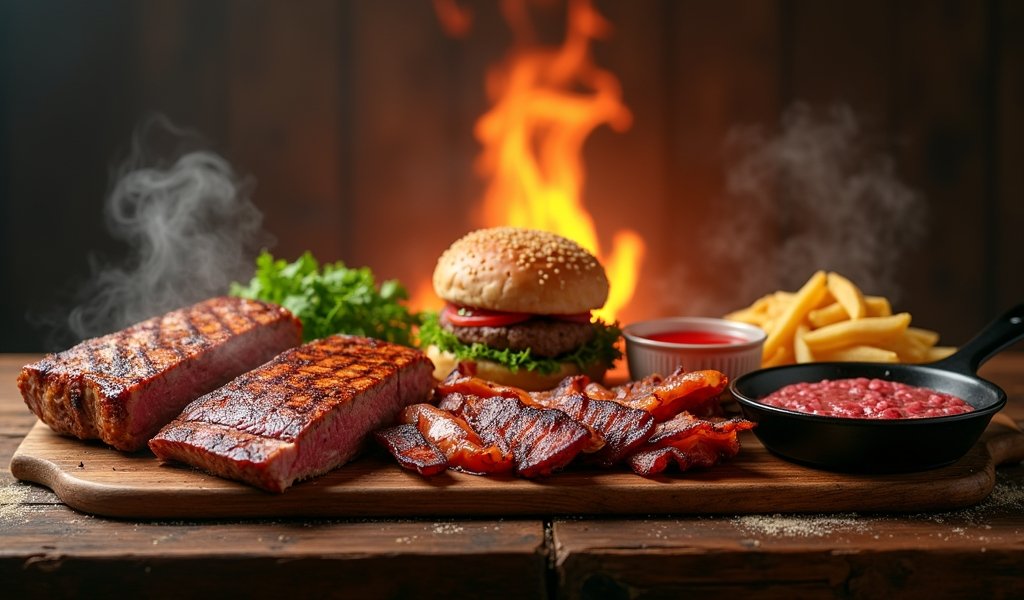
Meal #1: Ribeye Steak with Bone Marrow
The ribeye steak with bone marrow might be considered the crown jewel of carnivore meals. This nutrient-dense combination provides the perfect ratio of protein to fat while delivering a wealth of vitamins and minerals.
A typical 12-ounce ribeye delivers approximately 70g of protein and 60g of fat, making it incredibly satiating. The marbled fat throughout the steak provides a steady release of energy, while the bone marrow offers additional fat-soluble vitamins and healthy fatty acids that support hormone production – including those involved in fat metabolism.
For optimal results, prepare your ribeye with minimal intervention. Season with sea salt and cook to medium-rare for maximum nutrient preservation. Add roasted bone marrow on the side – its rich concentration of glycine and collagen supports gut health, which is increasingly recognized as crucial for weight management.
This meal is ideal for dinner, as the combination of protein and fat promotes deep sleep by providing the building blocks for sleep-regulating hormones. Quality sleep is a critical and often overlooked component of effective fat loss.
Meal #2: Salmon and Sardine Plate
While red meat often takes center stage in the carnivore diet, fatty fish deserves special attention for its unique fat-burning properties.
A salmon and sardine plate combines two of the most nutrient-dense seafood options. Wild-caught salmon provides approximately 22g of protein and 13g of fat per 3.5-ounce serving, with an impressive omega-3 profile. Sardines complement this with additional omega-3s and the benefit of edible bones, providing crucial calcium.
The omega-3 fatty acids in these fish directly activate fat-burning by upregulating genes involved in fat metabolism and reducing inflammation that can otherwise impair weight loss. Studies have shown that omega-3 supplementation can increase fat oxidation during exercise and at rest, as demonstrated by research published in Scientific Reports.
Prepare this meal simply – pan-sear the salmon with the skin on (where many nutrients reside) and serve alongside tinned sardines in olive oil. Add a pinch of salt and a squeeze of lemon if you’re including minimal plant foods in your carnivore approach.
This meal works well for lunch, providing sustained energy for afternoon activities while the anti-inflammatory effects of omega-3s help mitigate any stress response that might otherwise trigger fat storage.
Meal #3: Ground Beef and Egg Bowl
For those on a budget or short on time, the ground beef and egg bowl offers exceptional nutrition without breaking the bank.
Combining a half-pound of 80/20 ground beef (20% fat content) with 3-4 whole eggs creates a perfect balance of protein, fat, and micronutrients. This combination delivers approximately 50g of protein and 40g of fat, plus essential nutrients like iron, B vitamins, and choline – the latter being crucial for fat metabolism and often deficient in standard diets.
The preparation couldn’t be simpler: brown the ground beef in its own fat, then create a well in the center of the pan and crack in your eggs. Cook to your preferred doneness (though less cooking preserves more nutrients), and season with salt.
This versatile meal works for any time of day. As breakfast, it provides steady energy without the crash associated with carb-heavy morning meals. As a post-workout meal, the complete amino acid profile supports muscle recovery, which is essential for maintaining metabolic rate during fat loss.
Meal #4: Lamb Chops with Liver
If you’re looking to supercharge your fat loss with micronutrients, few meals can compare to lamb chops paired with beef liver.
Lamb is rich in conjugated linoleic acid (CLA), a fatty acid shown in studies to reduce body fat while preserving lean muscle mass. With its ideal fat-to-protein ratio and complete amino acid profile, lamb provides the building blocks for both energy and tissue repair.
The real star here, however, is the liver. Just 3 ounces of beef liver contains more nutrients than almost any other food on the planet, including vitamin A, all B vitamins (especially B12), iron, zinc, and copper – all critical for optimal metabolism and energy production.
For preparation, grill or pan-sear lamb chops to medium-rare. For the liver, the key is not to overcook it – quick searing on high heat for just 60-90 seconds per side preserves nutrients and improves palatability. If you’re new to liver, start with a small portion (1-2 ounces) alongside the more familiar lamb chops.
This power-packed meal is ideal for consumption early in the day when your body can best utilize the energy-boosting nutrients for activity rather than storage.
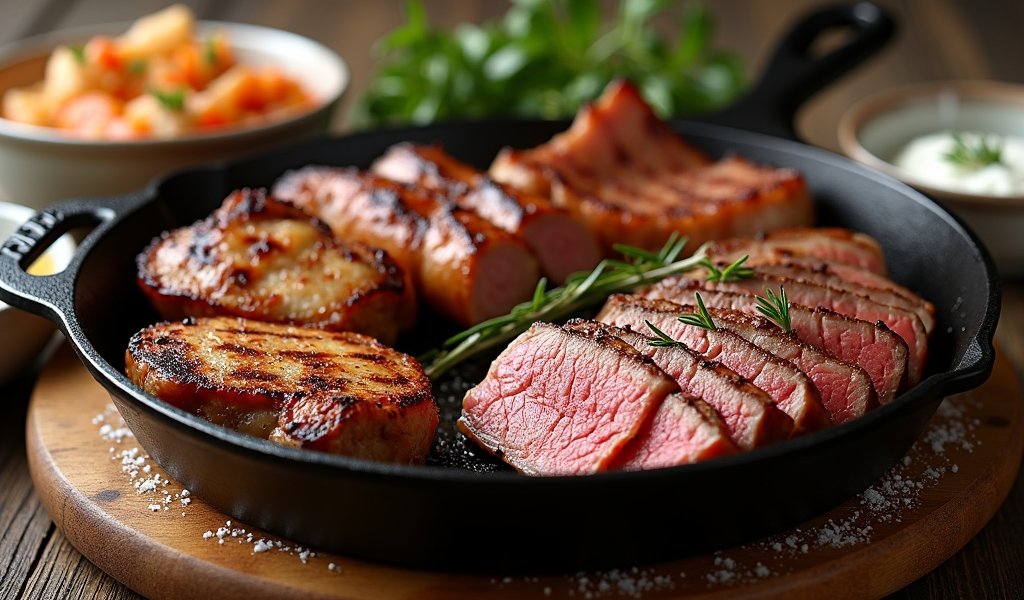
Meal #5: Beef Chuck Roast
Sometimes the simplest approaches yield the best results, and the humble beef chuck roast exemplifies this principle.
This affordable cut transforms into a melt-in-your-mouth meal when cooked slowly, with the added benefit of breaking down tough connective tissue into gelatin and collagen – compounds that support gut health and joint function. A 6-ounce portion typically provides around 43g of protein and 35g of fat.
The slow cooking method preserves nutrients while making the protein more digestible. This matters for fat loss because your body can more efficiently use these pre-broken-down proteins for muscle maintenance rather than storing excess as fat.
For preparation, season a 3-4 pound chuck roast with salt, then cook in a slow cooker or Dutch oven on low heat for 8-10 hours. The patience required yields dividends in both flavor and nutritional value.
Chuck roast works exceptionally well as a make-ahead meal. Batch cooking ensures you’ll always have fat-burning fuel ready to go, eliminating the temptation to reach for convenient but carb-heavy alternatives when hunger strikes.
Meal #6: Carnivore Breakfast Plate
While many carnivore dieters naturally gravitate toward intermittent fasting, a well-designed morning meal can activate metabolism and set the stage for all-day fat burning.
The carnivore breakfast plate combines the trifecta of eggs, bacon, and a small steak (typically sirloin or another leaner cut). This combination provides immediate energy from the easily digestible egg proteins, sustained energy from the steak, and flavor satisfaction from the bacon – all without triggering the insulin response that would shut down fat-burning.
Aim for 2-3 whole eggs, 3-4 slices of thick-cut bacon, and a 4-6 ounce steak for a total of approximately 50g of protein and 40g of fat. This ratio helps activate diet-induced thermogenesis – the calorie-burning process of digestion.
The timing of this meal matters. Consuming it within an hour of waking jumpstarts your metabolism after the overnight fast. Additionally, morning protein consumption has been shown to reduce cravings throughout the day, making it easier to maintain your carnivore approach.
Meal #7: Carnivore Burger Stack
For those times when you crave variety without compromising your carnivore principles, the burger stack delivers satisfaction and fat-burning benefits.
The foundation is a half-pound burger patty made from 75/25 ground beef (25% fat). Top it with a fried egg, two slices of bacon, and a slice of aged cheddar if dairy is part of your carnivore approach. This combination delivers approximately 55g of protein and 60g of fat.
The variety of protein sources provides a broad spectrum of amino acids, supporting everything from muscle maintenance to hormone production. The different fat sources (beef fat, egg yolk, bacon fat, and possibly dairy fat) each bring unique fatty acid profiles that support cellular health and metabolism.
Season your burger with salt, pepper, and carnivore-approved seasonings like garlic powder or smoked paprika. Cook to medium for optimal nutrient preservation and food safety.
This satisfying meal works well as a post-workout option when your body’s primed to use protein for recovery rather than storage, and glycogen stores are depleted, maximizing fat utilization.
Meal Timing and Frequency on Carnivore
One of the carnivore diet’s greatest strengths is how it naturally regulates hunger signals, making meal timing more intuitive than prescribed.
Many successful carnivore dieters find that two meals per day – often in an 8-hour eating window – provides optimal results. This creates a daily mini-fast that enhances fat mobilization while still providing adequate nutrition.
The typical pattern that emerges for many is a substantial late morning meal (around 11 am) followed by a larger dinner (6-7 pm). This allows for 16-17 hours of fasting daily, which enhances autophagy (cellular cleanup) and fat burning.
However, individual needs vary based on activity level, body composition goals, and personal schedule. Those with high activity levels or physically demanding jobs may benefit from three meals, while sedentary individuals might thrive on a single daily feast.
The key is consistency in your approach, allowing your body to adapt to your eating pattern and optimize hormone production accordingly. For more structure, check out our comprehensive carnivore diet meal plan that’s helped thousands optimize their results.
Supplementation Considerations
While the carnivore diet provides most essential nutrients, certain supplements may enhance your fat-burning results.
Electrolytes top the list for most carnivore dieters. The absence of carbohydrates leads to lower insulin levels, which changes how your kidneys retain sodium. Supplementing with sodium, potassium, and magnesium can prevent the fatigue and muscle cramps that might otherwise derail your progress.
Some carnivore dieters find benefit in supplementing vitamin C, especially during the adaptation phase. While meat contains some vitamin C (particularly fresh, rare meat), levels are lower than in plant-based diets.
Digestive enzymes can be helpful for those new to high-fat eating, supporting more efficient fat digestion and absorption. This is typically a temporary need as your body increases its own enzyme production.
Remember that supplements should complement, not replace, a well-designed carnivore approach. The majority of your nutrition should come from whole animal foods.
Conclusion
The seven proven meals we’ve explored represent the cornerstone of an effective carnivore approach to fat loss. From the luxurious ribeye with bone marrow to the economical ground beef and egg bowl, these options provide the nutritional foundation for transforming your body composition.
The beauty of the carnivore diet lies in its simplicity and adaptability. As you incorporate these meals into your routine, you’ll likely discover your own variations and preferences. Some may thrive with more beef, while others might feel best with more seafood or eggs.
For optimal success, focus on food quality when possible. Grass-fed, pasture-raised animal products typically have superior fatty acid profiles that better support fat metabolism. However, conventional options still provide tremendous benefits compared to standard Western diets.
Remember that adaptation to a carnivore diet takes time – typically 2-4 weeks. During this transition, you might experience fluctuations in energy and appetite as your body becomes efficient at using fat for fuel. Stay consistent, and you’ll likely discover why so many find this approach sustainable for long-term fat loss and health.
Ready to explore more creative ways to enjoy the carnivore lifestyle? Check out our collection of delicious carnivore diet recipes that make sticking to this way of eating both enjoyable and sustainable.
Remember, while the carnivore diet has helped many achieve remarkable fat loss results, individual responses vary. Consult with a healthcare provider before making significant dietary changes, especially if you have existing health conditions.
Frequently Asked Questions
Will eating so much fat make me gain weight on the carnivore diet?
Surprisingly, the high fat content typically promotes fat loss, not gain. By eliminating carbohydrates, your body switches to burning fat for fuel (both dietary and body fat), which often leads to significant weight loss when followed consistently.
How long before I see results on the carnivore diet?
Most people notice significant changes within the first 2-4 weeks, including reduced bloating and water weight loss. More substantial fat loss typically becomes apparent from weeks 4-8, depending on your starting point and consistency.
Do I need to count calories on the carnivore diet?
Most successful carnivore dieters find calorie counting unnecessary as the high satiety of protein and fat naturally regulates appetite. Your body becomes quite good at signaling when you’ve had enough, making overeating much less common than on carb-heavy diets.
Can I exercise on the carnivore diet?
Not only can you exercise, but many find their performance improves after the initial 2-3 week adaptation period. The steady energy from fat metabolism suits both endurance and strength training, with many athletes reporting better recovery and performance.
Is the carnivore diet safe long-term?
While research on long-term carnivore dieting is still emerging, many anthropological studies suggest humans thrived on animal-dominant diets throughout evolutionary history. Regular bloodwork can help monitor individual responses, with many practitioners reporting sustained or improved health markers after years on the diet.
Pingback: 10 Proven Carnivore Diet Foods for Peak Health & Fitness - achievehealthgoals.com