

Overview
The carnivore diet focuses exclusively on animal-based foods like red meat, organ meats, fatty fish, eggs, bone broth, and other animal products while eliminating all plant foods, with potential benefits including weight management, reduced inflammation, and improved mental clarity. The article outlines the top 10 nutrient-dense carnivore foods (with red meat as the cornerstone and organ meats as “nature’s multivitamin”), addresses practical implementation guidelines, and emphasizes that individual responses vary based on genetics, health history, and metabolic factors.
Table of Contents
- What is the Carnivore Diet?
- Benefits of the Carnivore Diet
- Top 10 Carnivore Diet Foods for Optimal Health
- 1. Red Meat: The Cornerstone of Carnivore Nutrition
- 2. Organ Meats: Nature’s Multivitamin
- 3. Fatty Fish: Essential Omega-3 Powerhouse
- 4. Eggs: The Perfect Protein Package
- 5. Bone Broth: Gut-Healing Elixir
- 6. Full-Fat Dairy: For Dairy-Tolerant Carnivores
- 7. Tallow and Lard: Traditional Cooking Fats
- 8. Poultry: Versatile Protein Options
- 9. Seafood: Mineral-Rich Variety
- 10. Lamb and Game Meats: Nutritional Diversity
- Getting Started on the Carnivore Diet
- Conclusion
- Frequently Asked Questions
What is the Carnivore Diet?
The carnivore diet represents one of nutrition’s most straightforward approaches: eat only animal products and eliminate everything else. At its core, this way of eating focuses exclusively on consuming foods from animal sources while completely avoiding plants. Unlike many other dietary strategies that emphasize moderation or balance across food groups, the carnivore diet embraces animal-based nutrition in its purest form.
As a nutritionist who’s worked with hundreds of clients exploring various eating patterns, I’ve observed growing interest in the carnivore diet food list as people seek solutions for chronic health issues. The fundamental premise is simple: humans evolved primarily as meat-eaters, and our bodies may be optimally designed to process animal foods. Proponents suggest that by returning to this ancestral pattern of eating, we can eliminate dietary triggers for inflammation and support our body’s natural healing mechanisms.
While some follow a strict “nose-to-tail” approach consuming only meat, others include a broader range of carnivore diet foods like eggs, dairy, and seafood. The unifying factor remains the absence of plants—no fruits, vegetables, grains, nuts, seeds, or plant oils. This approach stands in stark contrast to conventional nutrition advice but has garnered attention for potentially dramatic health improvements in some individuals.
Benefits of the Carnivore Diet
Many carnivore diet enthusiasts report significant improvements in their overall health and wellbeing. While research is still emerging, clinical experience and anecdotal evidence suggest several potential benefits that deserve attention. Let’s explore what makes this approach compelling for those seeking alternative paths to wellness.
Weight management becomes more intuitive for many people following a carnivore approach. The diet naturally eliminates all processed carbohydrates and sugar, which are primary drivers of insulin resistance and fat storage. Furthermore, the high protein content promotes satiety and helps preserve lean muscle mass during weight loss. I’ve witnessed clients who struggled with constant hunger on other diets find lasting satisfaction and steady energy when focusing on carnivore diet foods.
Perhaps most notably, many report remarkable improvements in inflammatory conditions. Research has begun to explore how elimination diets that remove potential plant-based irritants may reduce systemic inflammation. Patients with autoimmune conditions like rheumatoid arthritis, psoriasis, and inflammatory bowel disease sometimes experience dramatic symptom reduction. The absence of plant compounds like lectins, oxalates, and phytates may contribute to these improvements by reducing intestinal permeability and immune system triggers.
Mental clarity and improved mood stability are other commonly reported benefits. The brain thrives on healthy fats, and the consistent energy provided by a fat-adapted metabolism can eliminate the energy crashes associated with carbohydrate-heavy diets. Additionally, some experience relief from anxiety, depression, and even more serious neurological conditions when adopting a carnivore approach.
Top 10 Carnivore Diet Foods for Optimal Health
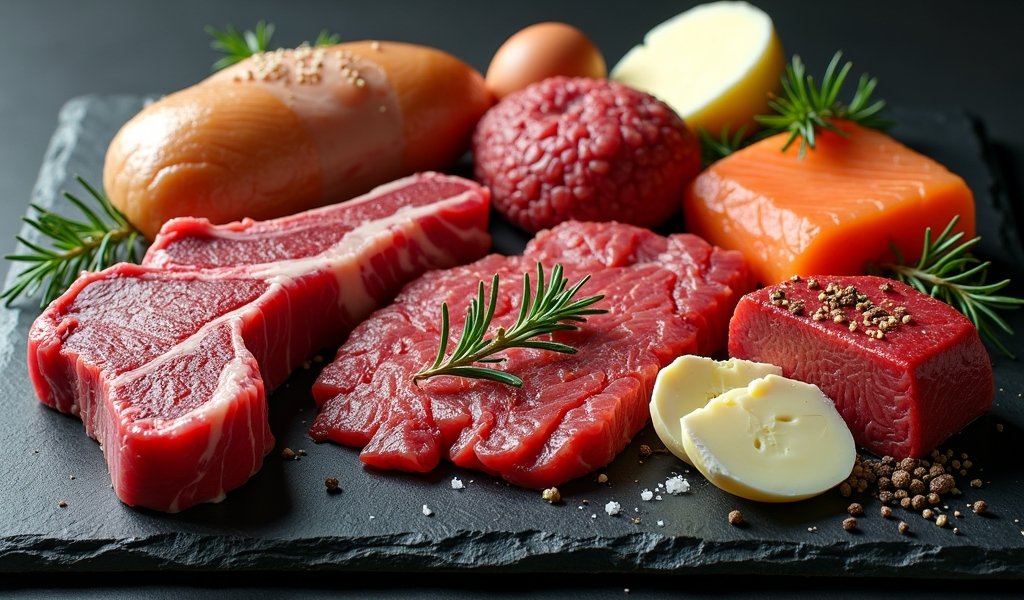
Building a sustainable carnivore diet requires understanding which foods offer the most nutritional value. When helping clients transition to this way of eating, I emphasize quality and variety to ensure they receive a complete spectrum of nutrients. The following ten carnivore diet foods form the foundation of a well-formulated approach that can support long-term health and fitness goals.
Each food category brings unique nutritional benefits to the table, and together they create a comprehensive framework for carnivore nutrition. While some people thrive on a limited selection, incorporating a wider range typically improves adherence and nutritional completeness. Let’s explore each of these powerhouse options in detail.
1. Red Meat: The Cornerstone of Carnivore Nutrition
Red meat stands as the nutritional foundation of the carnivore diet, providing complete protein, essential fats, and a wealth of bioavailable nutrients. Grass-finished beef, in particular, offers an impressive nutrient profile that includes heme iron, zinc, selenium, B vitamins (especially B12), and conjugated linoleic acid (CLA). These nutrients support energy production, immune function, hormone synthesis, and cellular repair—all critical processes for optimal health.
When selecting red meat for a carnivore approach, quality matters tremendously. Grass-finished options typically contain more omega-3 fatty acids and CLA compared to grain-finished alternatives. For budget-conscious individuals, conventional beef still provides excellent nutrition, but prioritizing at least some grass-finished options can enhance the overall nutritional value of your carnivore diet menu.
Beyond beef, other red meats like bison, venison, and elk offer variety while maintaining similar nutritional benefits. These options tend to be leaner than beef but still provide high-quality protein and nutrients. I recommend incorporating different cuts and preparation methods to ensure both nutrient diversity and sustained enjoyment of your meals.
2. Organ Meats: Nature’s Multivitamin
If there’s a nutritional superstar in the carnivore diet, it’s undoubtedly organ meats. These nutritional powerhouses contain concentrated amounts of vitamins, minerals, and unique compounds that are difficult to obtain from muscle meat alone. Liver, for instance, provides more vitamin A, copper, and B vitamins than virtually any other food on the planet. Just 100 grams weekly can dramatically improve nutritional status for many individuals.
Beyond liver, other valuable organ meats include heart (rich in CoQ10), kidney (high in selenium), brain (abundant in omega-3 fats), and bone marrow (packed with collagen and stem cell-supporting compounds). For those new to organ meats, heart often serves as an approachable starting point since its taste and texture more closely resemble muscle meat than other organs.
Many clients initially hesitate to incorporate organ meats due to unfamiliarity or taste concerns. If this sounds like you, consider these strategies for inclusion:
- Start with small amounts mixed into ground beef
- Try freeze-dried organ supplements if fresh options are unpalatable
- Use traditional preparation methods like pâté or liverwurst
- Explore organ meats from different animal sources (chicken liver is milder than beef)
3. Fatty Fish: Essential Omega-3 Powerhouse
Fatty fish provides crucial nutrients that complement red meat perfectly on a carnivore diet. Fish like salmon, mackerel, sardines, and herring deliver exceptional amounts of EPA and DHA—long-chain omega-3 fatty acids that support brain health, reduce inflammation, and promote cardiovascular function. These nutrients are particularly valuable on a diet that might otherwise skew toward omega-6 fatty acids found in land animal fats.
The mineral content of fatty fish also deserves attention. Small fish consumed with bones (like sardines) provide calcium and phosphorus that support bone health. Additionally, fish offers selenium and iodine—minerals that play essential roles in thyroid function and antioxidant protection. Including fatty fish 2-3 times weekly brings valuable diversity to your carnivore diet foods.
When selecting fish, wild-caught options typically contain higher omega-3 levels and fewer contaminants than farmed varieties. However, quality farmed salmon can still be nutritious if wild options exceed your budget. For convenience, canned sardines, mackerel, and salmon (with bones) offer excellent nutrition at accessible price points.
4. Eggs: The Perfect Protein Package
Eggs represent one of nature’s most complete foods, providing high-quality protein, healthy fats, and an impressive range of micronutrients. The yolk contains most of the nutritional value, including choline (essential for brain health), lutein and zeaxanthin (for eye health), and fat-soluble vitamins A, D, E, and K. Meanwhile, the whites offer easily digestible protein with a complete amino acid profile.
Many carnivore dieters find eggs to be an invaluable daily staple due to their versatility, affordability, and nutritional density. They’re particularly beneficial for those who may not tolerate dairy but want additional variety beyond meat. As with all animal products, quality matters—pasture-raised eggs typically contain more omega-3 fatty acids and fat-soluble nutrients than conventional alternatives.
Some individuals report sensitivity to egg whites while tolerating yolks well. If you notice digestive discomfort or inflammatory symptoms after consuming whole eggs, you might experiment with eating only the nutrient-rich yolks. Most egg sensitivities relate to proteins in the white rather than components in the yolk.
5. Bone Broth: Gut-Healing Elixir
Bone broth stands out as one of the most therapeutic additions to a carnivore protocol, especially for those with digestive or autoimmune concerns. This ancestral superfood contains gelatin, collagen, glycine, proline, glutamine, and minerals that support gut healing, joint function, and overall recovery. The slow simmering process extracts these nutrients from bones, connective tissue, and cartilage, creating a highly bioavailable form.
Regular consumption of bone broth provides compounds that may help repair intestinal permeability (leaky gut), support detoxification pathways, and improve sleep quality. The glycine content, in particular, helps balance the methionine found abundantly in muscle meat, creating a more complete amino acid profile. This balance is particularly important for those consuming large amounts of muscle meat without organ variety.
Making bone broth at home allows for quality control and customization. Simply simmer bones (ideally including joint bones with cartilage) in water with a splash of apple cider vinegar for 12-48 hours, depending on the bones used. For convenience, quality commercial options are increasingly available, though checking ingredients to ensure no plant additives is essential for strict carnivore adherence.

6. Full-Fat Dairy: For Dairy-Tolerant Carnivores
While dairy tolerance varies significantly between individuals, full-fat dairy products can be valuable additions to a carnivore diet for those who digest them well. Butter, ghee, heavy cream, cheese, and yogurt provide fat-soluble vitamins, calcium, and additional caloric options that enhance enjoyment and sustainability. Butter and ghee, in particular, offer concentrated butyrate—a short-chain fatty acid that supports gut health and cellular function.
When incorporating dairy, quality becomes especially important. Grass-fed sources typically contain more beneficial fatty acids, including CLA and omega-3s, alongside higher concentrations of vitamins A, D, and K2. For those sensitive to the proteins in dairy, ghee offers a nearly lactose-free and casein-free option that retains the nutritional benefits of butterfat.
It’s worth noting that dairy represents one of the more common food sensitivities, even among otherwise carnivore-compatible foods. Signs of dairy intolerance may include digestive discomfort, skin issues, sinus congestion, or joint pain. Many carnivore practitioners recommend eliminating dairy initially, then carefully reintroducing it after several weeks to assess tolerance clearly.
7. Tallow and Lard: Traditional Cooking Fats
Traditional animal fats like tallow (beef fat) and lard (pork fat) provide stable, nutrient-rich cooking options that align perfectly with carnivore principles. These fats have nourished humans for thousands of years before the introduction of industrial seed oils. Their high smoke points and molecular stability make them ideal for high-heat cooking methods without producing harmful oxidation products.
Beyond their cooking benefits, these fats deliver fat-soluble nutrients and contribute to the overall calorie density needed to sustain energy on a carnivore diet. Tallow, in particular, contains a fatty acid profile remarkably similar to our own body fat, making it easily metabolized. When rendered from grass-fed animals, it also provides modest amounts of vitamins A, D, E, and K.
Making tallow and lard at home allows you to control quality while being remarkably cost-effective. Simply request fat trimmings from your butcher (often available at minimal cost), then slowly melt them down at low temperatures before straining and storing. The resulting cooking fat will enhance flavor while providing clean-burning energy perfectly suited to carnivore metabolism.
8. Poultry: Versatile Protein Options
Chicken, turkey, duck, and other poultry provide leaner protein options that add welcome variety to a carnivore approach. While less nutrient-dense than red meat or organs, these options offer different amino acid profiles and flavor experiences that help prevent dietary monotony. Dark meat, in particular, provides more nutrients and fat than white meat, making it generally preferable for carnivore nutrition.
Skin-on poultry delivers valuable fats that improve satiety and support fat-soluble vitamin absorption. Additionally, poultry brings selenium, B vitamins, and smaller amounts of minerals like iron and zinc. For optimal nutrition, consider consuming the entire bird, including organs (especially liver and heart) and making bone broth from the carcass.
As with all animal foods, quality significantly impacts nutritional value. Pasture-raised poultry typically contains more omega-3s and fewer inflammatory compounds than conventional alternatives. However, conventional poultry still provides quality protein and can be part of a budget-conscious approach to carnivore eating.
9. Seafood: Mineral-Rich Variety
Beyond fatty fish, other seafood options bring unique nutrients to the carnivore table. Shellfish like oysters, clams, and mussels contain exceptional concentrations of zinc, copper, selenium, and B12—often exceeding levels found in any other foods. Just two oysters provide several times the daily zinc requirement, supporting immune function, testosterone production, and wound healing.
Crustaceans such as shrimp, crab, and lobster offer high-quality protein with significant amounts of iodine, selenium, and astaxanthin (a powerful antioxidant). These sea-derived options provide welcome variety and unique nutrient profiles that complement land animal products. Even occasional inclusion can significantly enhance the overall nutritional completeness of a carnivore approach.
While fresh seafood is ideal, frozen options retain most nutrients and often provide better value. For those without access to quality fresh seafood, canned options like oysters, clams, and sardines deliver exceptional nutrition in shelf-stable, convenient forms. When selecting seafood, considering both sustainability and mercury content helps balance environmental concerns with nutritional benefits.
10. Lamb and Game Meats: Nutritional Diversity
Expanding beyond beef into lamb and game meats like venison, elk, and bison provides nutritional variety that can enhance a carnivore approach. These meats typically offer unique fatty acid profiles, different mineral concentrations, and novel flavor experiences that prevent palate fatigue. Lamb, in particular, contains more omega-3 fats than most beef, along with significant amounts of CLA and a full spectrum of B vitamins.
Game meats generally provide leaner options with distinctive nutrient profiles reflecting the animals’ natural diets. Venison, for example, offers high levels of B vitamins, iron, and selenium with very little fat. Meanwhile, elk provides exceptional protein quality with modest fat content. These options can be particularly valuable for those seeking to diversify their amino acid intake while maintaining lower fat consumption.
As research continues to support the importance of dietary variety even within animal foods, incorporating different species becomes increasingly important for long-term health. Each animal brings slightly different nutrient packages, potentially addressing various micronutrient needs that might otherwise be missed when consuming a limited selection of foods.
Getting Started on the Carnivore Diet
Transitioning to a carnivore diet represents a significant shift for most people, and thoughtful implementation can dramatically improve your experience. Based on my clinical experience guiding clients through this process, I recommend a gradual approach for most individuals. Begin by eliminating processed foods, grains, and sugars while increasing animal food intake for 2-4 weeks before removing all plant foods.
During the initial adaptation period, which typically lasts 2-6 weeks, your body undergoes significant metabolic changes. Increased salt intake becomes essential as insulin levels drop, causing the kidneys to excrete more sodium. Aim for 5-7 grams of salt daily, adjusting based on energy levels, hydration status, and physical activity. This simple adjustment prevents many of the common adaptation symptoms like fatigue, headaches, and muscle cramps.
Meal frequency and timing should align with your hunger signals rather than arbitrary schedules. Many carnivore practitioners naturally settle into one or two meals daily as their metabolism adapts to consistent energy from fat and protein. This pattern often emerges naturally as the diet improves metabolic flexibility and reduces hunger volatility.
For optimal results, consider these practical guidelines:
- Focus on fatty cuts of meat to provide sufficient energy
- Incorporate organ meats at least 2-3 times weekly
- Stay adequately hydrated but drink according to thirst
- Don’t fear salt—electrolyte balance is crucial
- Expect an adaptation period and adjust expectations accordingly
- Consider working with a healthcare provider familiar with carnivore approaches
Conclusion
The carnivore diet, centered around nutrient-dense animal foods, offers a compelling alternative for those seeking improved health, reduced inflammation, and simplified nutrition. While it challenges conventional dietary wisdom, the clinical results many experience cannot be dismissed. The ten carnivore diet foods outlined here—red meat, organ meats, fatty fish, eggs, bone broth, full-fat dairy, traditional animal fats, poultry, seafood, and lamb/game meats—provide a comprehensive nutritional framework that can support optimal health when properly implemented.
Remember that individual responses to any dietary approach vary significantly based on genetics, health history, activity levels, and metabolic status. What works beautifully for one person may require modification for another. This reality underscores the importance of self-experimentation, careful observation, and possibly working with knowledgeable healthcare providers who understand carnivore nutrition.
Whether you’re considering a strict carnivore approach or simply looking to increase your intake of nutrient-dense animal foods, focusing on quality, variety, and sustainable implementation will serve you well. By embracing these proven carnivore diet foods and adapting the approach to your unique needs, you may discover newfound vitality, clarity, and freedom from health challenges that have resisted other interventions.
Frequently Asked Questions
Can I lose weight on the carnivore diet?
Yes, many people experience significant weight loss on the carnivore diet due to improved insulin sensitivity and natural appetite regulation. The high protein content helps preserve muscle mass while the body burns stored fat for energy.
Do I need to supplement vitamins on a carnivore diet?
Most people can obtain all necessary nutrients from a well-formulated carnivore diet that includes organ meats and diverse animal products. Some individuals may benefit from vitamin D supplementation depending on sun exposure and geographic location.
Is the carnivore diet dangerous for heart health?
Contrary to conventional concerns, many people experience improved cardiovascular markers on a carnivore diet, including better HDL/LDL ratios and reduced inflammation. Recent research challenges the traditional view that saturated fat consumption necessarily increases heart disease risk.
Can I drink coffee on the carnivore diet?
Technically, coffee comes from plants and isn’t part of a strict carnivore diet. Many practitioners allow it as an exception if well-tolerated, while others eliminate it temporarily before reintroducing to assess individual response.
How long should I try the carnivore diet?
Most health professionals recommend a minimum 30-day trial to fully experience potential benefits beyond the initial adaptation period. Many people find 90 days provides a clearer picture of how this approach affects their unique physiology.