

Overview
This article presents the top 10 essential meat cuts for the carnivore diet, highlighting nutritional benefits of choices like ribeye steak, organ meats, fatty fish, and bone marrow, while emphasizing the importance of quality sourcing and proper preparation methods. It provides practical guidance on budget considerations, storage tips, and addresses common questions for those following this animal-product-only dietary approach that reportedly improves autoimmune conditions, mental clarity, and metabolic health.
Table of Contents
- What Is the Carnivore Diet?
- Quality Matters: Choosing the Best Meat
- Top 10 Essential Cuts for the Carnivore Diet
- Ribeye Steak: The Crown Jewel
- Beef Liver: Nature’s Multivitamin
- Fatty Fish: Ocean’s Gift
- Bone Marrow: Ancient Superfood
- Chuck Roast: Budget-Friendly Powerhouse
- Lamb Shoulder: Flavorful Variety
- Egg Yolks: Portable Nutrition
- Ground Beef: Versatile Staple
- Pork Belly: Satisfying Indulgence
- Oxtail: Collagen-Rich Treasure
- Budget Considerations
- Storage and Preparation Tips
- Conclusion
- Frequently Asked Questions
What Is the Carnivore Diet?
The carnivore diet has emerged from nutritional obscurity like a lone wolf finding its pack, capturing attention in health circles for its simplicity and potential benefits. At its heart, this approach is refreshingly straightforward: eat only animal products. No plants, no exceptions.
Many who embrace this way of eating report improvements in autoimmune conditions, mental clarity, and metabolic health. As a nutrition specialist who’s guided many through this dietary transition, I’ve witnessed remarkable transformations firsthand. The inflammatory markers that once blazed like forest fires often dwindle to mere embers. Energy levels that previously resembled a flickering candle often burn steadily like a well-tended hearth.
But make no mistake – not all carnivore diets are created equal. The quality and variety of your animal foods can make the difference between merely surviving and genuinely thriving. This carnivore diet food list will serve as your compass through what may initially seem like unfamiliar territory.
Quality Matters: Choosing the Best Meat
Before diving into specific cuts, let’s establish what separates exceptional quality meat from mediocre options. Think of your body as a high-performance vehicle – it deserves premium fuel, not whatever’s cheapest at the pump.
The gold standard for ruminant animals (like cattle and sheep) is grass-fed and grass-finished. These animals feast on their natural diet – fresh pasture – resulting in meat with a superior fatty acid profile. This includes higher levels of inflammation-fighting omega-3s and conjugated linoleic acid (CLA), which research links to reduced inflammation and improved metabolic health.
Fat quality becomes particularly crucial on a carnivore diet since it serves as your primary energy source. Healthy animals produce healthy fat – look for cream-colored fat with a firm texture in beef, and soft, clean-smelling fat in pork.
Building relationships with local farmers and butchers is like finding treasure. These connections often lead to better prices, insider knowledge about the best cuts, and reassurance about raising practices. Terms like “pasture-raised,” “grass-finished,” and relevant certifications are your allies in this quest.
Top 10 Essential Cuts for the Carnivore Diet
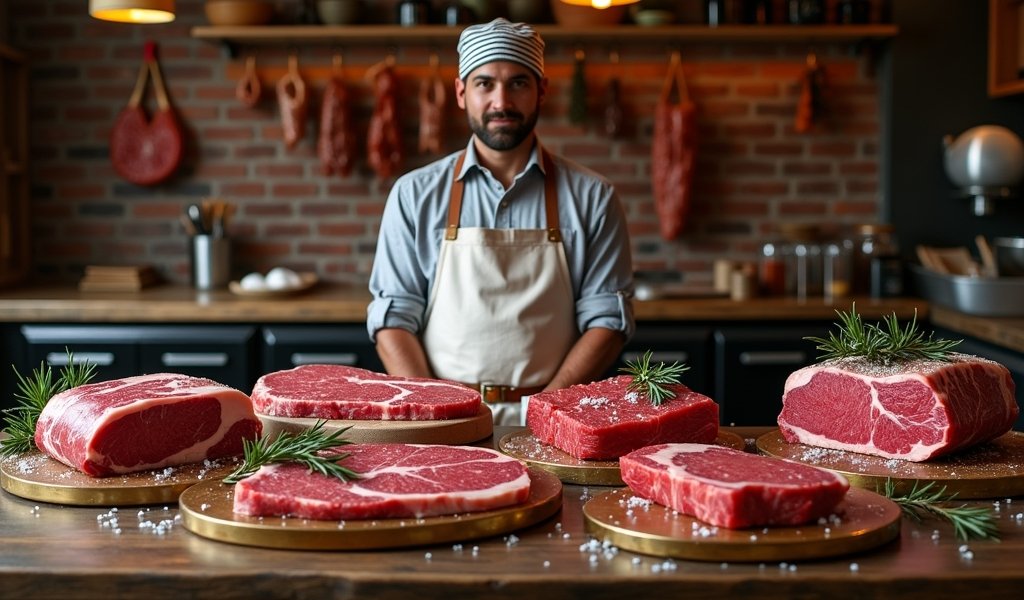
Now let’s explore the ten meat cuts that should form the backbone of your carnivore approach. I’ve selected these based on their nutritional profiles, versatility, taste, and the collective experiences of hundreds of carnivore enthusiasts I’ve worked with over the years.
Ribeye Steak: The Crown Jewel
If the carnivore diet had royalty, the ribeye would wear the crown. This magnificent cut offers the perfect marriage of protein and fat, providing all essential amino acids alongside energy-rich fatty acids that keep hunger at bay like a fortress wall.
The ribeye’s nutritional resume is impressive – rich in zinc for immune support, phosphorus for bone health, and B vitamins (especially B12) that fuel your energy production and support nerve function. Its natural marbling means it’s essentially self-basting, resulting in juicy, satisfying meals that many carnivores could happily eat exclusively.
For optimal results, cook your ribeye in a scorching hot cast-iron skillet or over open flame to medium-rare perfection (130-135°F internal). Let it rest for at least five minutes before cutting – this isn’t just chef talk, it actually allows the juices to redistribute rather than spilling onto your plate. Many carnivore veterans prefer simply salting their steaks generously, allowing the meat’s natural flavor symphony to play uninterrupted.
Beef Liver: Nature’s Multivitamin
I won’t sugarcoat it – liver isn’t winning any popularity contests based on taste alone. Yet nutritionally speaking, it’s like having a supplement store condensed into food form. Liver contains more concentrated nutrients than virtually any other food on our planet.
A modest 3-ounce serving delivers your entire day’s requirement of vitamin A, all B vitamins (with B12 levels that dwarf any plant food), plus iron, copper, zinc, and CoQ10. It’s also one of the best sources of choline – a crucial nutrient for brain health that many Americans lack.
If liver’s flavor profile seems overwhelming, try these training-wheel approaches: start with small amounts (1-2 ounces) mixed into ground beef, or soak it in milk for a few hours before cooking to tame its intensity. Quick cooking over high heat prevents the metallic taste that makes many people swear off this nutritional goldmine.
Due to its high vitamin A content, consuming liver once or twice weekly is sufficient for most people – think of it as your nutritional insurance policy.
Fatty Fish: Ocean’s Gift
The sea offers unique treasures to carnivore dieters, with fatty fish like salmon swimming to the forefront. These aquatic allies provide omega-3 fatty acids EPA and DHA in their most bioavailable form, supporting brain health, reducing inflammation, and promoting cardiovascular function in ways that complement land-animal nutrition.
Wild-caught salmon, with its deep orange-red flesh, generally contains more omega-3s and fewer contaminants than farmed alternatives. However, high-quality farmed salmon from responsible operations can be a more affordable option while still offering substantial benefits. That rich color isn’t just for show – it indicates high levels of astaxanthin, a powerful antioxidant that protects those delicate omega-3 fats.
Prepare salmon gently to preserve its delicate nutrient profile: bake at 350°F until just opaque throughout, pan-sear with the skin on for a crispy textural contrast, or enjoy high-quality salmon raw (if properly sourced). The skin contains additional nutrients and healthy fats – think of it as the salmon’s gift wrap that’s meant to be enjoyed rather than discarded.
Bone Marrow: Ancient Superfood
Long before superfood became a marketing buzzword, our ancestors prized bone marrow as one of nature’s most nourishing foods. This buttery tissue hidden within bones is rich in unique compounds that modern diets sorely lack.
Marrow delivers alkylglycerols that support immune function, along with collagen, glycine, and conjugated linoleic acid. It provides fat-soluble vitamins and minerals in forms your body recognizes and can easily use – no synthetic supplements required.
Roasting marrow bones at 450°F for 15-20 minutes until they bubble and simmer brings out their rich, almost decadent flavor. The result should spread like butter but not completely liquefy. A simple sprinkle of salt is all the enhancement this natural delicacy needs.
While marrow can stand alone in carnivore meals, it pairs wonderfully with other meats. Try using cooled marrow as a spread on sliced steak or mixing it into ground beef for added richness and nutritional depth. Your taste buds and body will thank you for this ancestral indulgence.
Chuck Roast: Budget-Friendly Powerhouse
Not all nutritional champions come with premium price tags. Chuck roast proves that exceptional nutrition can be accessible to virtually any budget – it’s the working-class hero of the carnivore world.
This affordable cut offers an excellent nutrition-to-cost ratio, providing abundant protein, fat, and collagen. Its rich flavor develops beautifully through slow cooking, transforming what might seem tough and ordinary into something extraordinary.
The magic of chuck roast emerges through patience. Slow cooker or Dutch oven methods (275°F for 3-4 hours) break down the connective tissues, resulting in fork-tender meat that practically melts in your mouth. Cooking with bone broth rather than water adds additional nutrients and depth of flavor.
Nutritionally, chuck roast provides complete protein, B vitamins, iron, zinc, and significant amounts of glycine and proline from connective tissue. These amino acids support joint health, gut integrity, and collagen production – benefits that aren’t as abundant in leaner, more expensive cuts that often steal the spotlight.
Lamb Shoulder: Flavorful Variety
Dietary diversity doesn’t require plants – introducing different animal proteins provides both nutritional variety and new flavor profiles. Lamb shoulder brings unique benefits to your carnivore table, preventing the palate fatigue that can derail any dietary approach.
Nutritionally, lamb contains more omega-3 fatty acids than conventional beef, along with higher levels of CLA. Its tallow is rich in bioavailable fat-soluble nutrients like vitamins D and K2, especially when the animals are pasture-raised under natural sunshine.
Slow roasting lamb shoulder at low temperatures (275-300°F) for several hours produces meat that falls apart with the slightest touch. Alternatively, cubing and braising creates rich, satisfying meals with minimal effort. The fat cap should remain intact during cooking – it’s nature’s basting mechanism, not something to be trimmed away.
Many people who occasionally find beef fat heavy report that lamb fat digests more easily while providing similar satiety. This distinction likely comes from unique bioactive compounds in lamb fat not found in other ruminant animals.
Egg Yolks: Portable Nutrition
Though not technically a meat cut, egg yolks earn their place in the carnivore pantry through exceptional nutrition and versatility. These golden orbs are nature’s perfect nutrient packages – concentrated nourishment designed to grow an entire organism.
Egg yolks contain nearly all the egg’s nutrition, including choline for brain health, lutein and zeaxanthin for eye health, and easily absorbed fat-soluble vitamins. They provide complete protein with an ideal amino acid profile and healthy fats that support hormone production – all in a portable, convenient package.
Quality matters tremendously with eggs. Pasture-raised eggs from chickens allowed to forage naturally produce yolks with deeper orange color, indicating higher carotenoid content. These eggs typically contain more omega-3s and fat-soluble vitamins than their pale conventional counterparts.
Beyond simply eating soft-boiled or fried eggs, many carnivore dieters use raw egg yolks as a nutritious sauce for meat (similar to a simplified hollandaise). Others blend yolks into warm bone broth for a nourishing, simple soup. The versatility of egg yolks makes them an invaluable addition to the carnivore arsenal.
Ground Beef: Versatile Staple
The humble ground beef might lack the glamour of prime steaks, but its practical benefits earn it a rightful place in our top ten. This everyday hero makes the carnivore diet sustainable long-term through both affordability and versatility.
Economically, ground beef puts carnivore nutrition within reach regardless of budget constraints. It provides complete protein and can be purchased with varying fat percentages to suit your nutritional needs and preferences.
Few cuts can transform into as many different meal formats as ground beef. From patties to meatballs to simple loose-cooked meat, it adapts to your culinary mood and time constraints. This flexibility prevents diet fatigue – the silent killer of most nutritional approaches.
For most carnivore dieters, 80/20 (80% lean, 20% fat) represents a good starting point, though many eventually prefer 75/25 or even 70/30 for higher fat content. Some specialty butchers can create custom blends incorporating organ meats for enhanced nutrition without the strong flavors of pure organs – think of it as nutritional training wheels.
Pork Belly: Satisfying Indulgence
This luxuriously fatty cut has risen from relative obscurity to prominence in culinary circles – and carnivore dieters have taken notice. Like a well-kept secret finally revealed, pork belly offers a unique fat profile and eating experience that diversifies the carnivore menu.
Pork belly’s fat is primarily monounsaturated (similar to olive oil) with a good balance of saturated fat. Pasture-raised pork contains higher levels of vitamin D and omega-3s compared to conventionally raised alternatives – another reason why sourcing matters tremendously.
Slow roasting pork belly at 275°F until tender followed by a brief high-heat finish creates the perfect combination of melting fat and crispy exterior – a textural paradise that satisfies on a primal level. Alternatively, slice it thinly and pan-fry until crisp for a bacon-like experience without added preservatives.
Beyond its healthy fat profile, pork belly provides complete protein and surprising amounts of thiamine (vitamin B1), which supports energy metabolism and nervous system function – nutrients sometimes harder to obtain from beef alone.
Oxtail: Collagen-Rich Treasure
Our final essential cut represents the perfect marriage of flavor and nutrition, though it requires patience to reveal its full potential. Oxtail is like the slow-burning romance that ultimately proves more satisfying than love at first sight.
This traditional cut contains abundant collagen that transforms into gelatin during slow cooking, providing glycine, proline, and glutamine – amino acids that support gut health, joint function, and skin elasticity. These nutrients complement the muscle meat-heavy nature of many carnivore diets, creating balance where it’s often missing.
Braising oxtail for 4-6 hours at low temperature (275-300°F) allows the tough connective tissues to break down completely. The resulting meat becomes fork-tender while releasing rich gelatin into the cooking liquid – a two-for-one nutritional bonus.
Beyond its amino acid profile, oxtail provides minerals including calcium, phosphorus, and magnesium from the bone and surrounding tissues. Its high fat content makes it satisfying even in smaller portions, though most find its rich flavor worthy of generous servings.
Budget Considerations
Following a carnivore diet doesn’t require a premium budget if approached strategically. Think of your food budget as an investment portfolio – allocate funds where they’ll generate the highest nutritional returns.
Direct the bulk of your budget toward everyday staples like ground beef and eggs, with strategic purchases of nutrient-dense organs and specialty cuts. Even consuming liver once weekly provides substantial micronutrient benefits that complement your daily staples.
Consider nutrition rather than simply price per pound. Liver at $5/lb offers significantly more micronutrients than chicken breast at the same price. Similarly, fattier cuts often provide more usable energy and satisfaction than their leaner counterparts – they’re actually better value when viewed through this lens.
Explore cost-saving strategies like buying in bulk through meat CSAs (Community Supported Agriculture), cow-sharing programs, or wholesale clubs. Investing in a dedicated freezer allows you to purchase quarter or half animals directly from farmers at substantially reduced prices – often 30-50% less than retail. Developing relationships with local butchers can also lead to deals on less popular but highly nutritious cuts.
Storage and Preparation Tips
Maximizing both nutrition and convenience requires thoughtful handling of your carnivore staples. With proper storage and preparation techniques, you can minimize waste and maximize flavor.
Vacuum sealing is ideal for long-term freezer storage, preventing freezer burn and preserving quality. For shorter storage periods (1-2 months), heavy-duty freezer paper tightly wrapped around meats works well. Always label everything with cut name and freezing date – your future self will thank you for this simple organization.
Consider batch cooking larger quantities of slower-cooking items like chuck roast or oxtail, portioning and refrigerating for 3-4 days of convenient meals. Ground beef can be cooked in bulk and quickly reheated as needed. Some cuts, like ribeye, are best cooked fresh for optimal texture and flavor – treat these as special meals rather than prep-ahead options.
Gentler cooking methods generally retain more nutrients. Consider using lower temperatures and moisture-preserving methods when possible. For example, pressure cooking creates tender meat while maintaining water-soluble nutrients better than boiling or slow-cooking with the lid off.
Conclusion
The carnivore diet, like any nutritional approach, thrives on quality ingredients properly prepared. The ten cuts we’ve explored represent a balanced approach to carnivore nutrition—providing complete protein, healthy fats, essential vitamins and minerals, and beneficial amino acids from various animal tissues.
From the luxurious simplicity of ribeye to the nutritional powerhouse of liver, from the everyday practicality of ground beef to the traditional wisdom of bone marrow and oxtail, these selections offer both nutritional excellence and enough variety to sustain long-term dietary satisfaction.
Your personal carnivore journey may favor certain cuts over others based on your taste preferences, digestive responses, and specific health goals. Experimentation within this framework allows you to customize your approach while maintaining the fundamental nutritional principles that make the carnivore diet effective for so many.
Quality sourcing remains paramount—seek the best your budget allows, prioritizing animals raised in their natural environments eating their natural diets. Your body will reward this investment with improved health, steady energy, and satisfaction that comes from honoring traditional nutritional wisdom in our modern world.
The carnivore diet isn’t merely about eliminating plants—it’s about embracing the extraordinary nutrition that quality animal foods provide. With this comprehensive carnivore diet food list as your guide, you’re well-equipped to begin or refine your own nutritional journey.
Frequently Asked Questions
Can I eat dairy on the carnivore diet?
Many people include high-fat dairy like butter, heavy cream, and aged cheeses on their carnivore diet, particularly if they tolerate dairy well. Start with the cleanest forms (butter, ghee) and monitor how your body responds before adding more varieties.
How often should I eat organ meats on the carnivore diet?
Consuming organ meats 1-3 times weekly provides substantial nutritional benefits without excess vitamin A accumulation. Liver is the most nutrient-dense option, but heart, kidney and brain offer unique nutritional profiles worth exploring.
Is seafood necessary on a carnivore diet?
Seafood isn’t strictly necessary but provides beneficial nutrients like omega-3 fatty acids and iodine that complement land animal nutrition. Including fatty fish 1-2 times weekly adds valuable nutritional diversity to your carnivore approach.
Can I lose weight on a carnivore diet?
Many people experience significant weight loss on the carnivore diet due to improved satiety, reduced insulin levels, and normalized hunger signals. The diet naturally eliminates hyperpalatable processed foods that drive overconsumption while providing nutrient density that satisfies true hunger.
Do I need to supplement on a carnivore diet?
A properly formulated carnivore diet with variety (including organs and different animal types) generally provides complete nutrition without supplements. Some individuals benefit from supplemental electrolytes during the adaptation phase or vitamin D during winter months in northern climates.
Pingback: Ultimate carnivore diet before and after: 7 Proven Results - achievehealthgoals.com
Pingback: carnivore diet almost killed me: 5 Ultimate Recovery Secrets - achievehealthgoals.com
Pingback: Ultimate Raccoon Diet Review: 7 Proven Fitness Tips - achievehealthgoals.com