

Overview
Choosing the right wrist brace is crucial for recovering from breaks and sprains, with the article highlighting 8 top options ranging from the budget-friendly Vive ($15-25) to the medical-grade Ossur Formfit ($75-95). Beyond just wearing a brace, proper recovery involves following the R.I.C.E protocol, doing rehabilitation exercises once cleared by a doctor, maintaining good nutrition, and knowing when to seek professional help for more serious symptoms like visible deformity or persistent numbness.
Table of Contents
- Understanding Wrist Injuries: Types and Symptoms
- Choosing the Right Wrist Brace for Your Injury
- 8 Top Wrist Braces for Broken and Sprained Wrists
- How to Properly Use Your Wrist Brace
- Additional Recovery Strategies
- When to Seek Professional Help
- Conclusion
- Frequently Asked Questions
Understanding Wrist Injuries: Types and Symptoms
Wrist injuries can transform simple daily activities into painful challenges. Whether you’ve fallen on an outstretched hand or overextended your wrist during physical activity, the resulting pain can significantly impact your quality of life.
The wrist is a complex joint consisting of eight small bones (carpals) connected to your forearm and hand bones by ligaments and tendons. This intricate structure makes your wrist incredibly versatile but also vulnerable to injury.
Broken wrists (fractures) occur when one or more of these small bones crack or break. They range from hairline fractures to complete breaks where bones shift out of position. Fractures commonly result from falls, sports injuries, or direct impacts.
Sprains, on the other hand, involve stretching or tearing of the ligaments that connect bones. They’re graded by severity:
- Grade 1: Mild stretching with microscopic tearing
- Grade 2: Partial tears with moderate pain and swelling
- Grade 3: Complete ligament tears causing significant instability
Common symptoms of both injuries include pain, swelling, tenderness, and limited range of motion. However, broken wrists often present with visible deformity, while sprains typically maintain normal alignment despite pain.
Regardless of the specific injury, proper support during healing is crucial. This is where a quality wrist brace becomes invaluable—providing stability, protection, and the optimal environment for recovery.
Choosing the Right Wrist Brace for Your Injury
Selecting the appropriate wrist brace depends largely on your specific injury type and severity. The right brace acts as your wrist’s personal bodyguard, protecting it from further harm while facilitating proper healing.
When shopping for a wrist brace, consider these essential factors:
Support Level
Different injuries require different levels of immobilization:
- Mild sprains benefit from light compression sleeves or wrap-style braces
- Moderate injuries need semi-rigid braces with removable stays
- Severe sprains or fractures require rigid braces with comprehensive immobilization
Material and Comfort
The difference between a brace you’ll actually wear and one that collects dust often comes down to comfort. Look for:
- Breathable fabrics to prevent excessive sweating
- Hypoallergenic materials if you have sensitive skin
- Moisture-wicking properties for active individuals
- Padding around pressure points to prevent irritation
Adjustability
Your injury will change throughout the healing process, and your brace should adapt accordingly:
- Velcro straps allow customized compression
- Removable splints provide adjustable support levels
- Multiple sizing options ensure proper fit
Durability and Quality
A quality brace should last throughout your entire recovery period without losing its supportive properties. Premium materials and construction may cost more initially but provide better value over time.
Remember that the right brace complements proper medical care at a wellness clinic. Always follow your healthcare provider’s recommendations regarding the appropriate level of support for your specific condition.
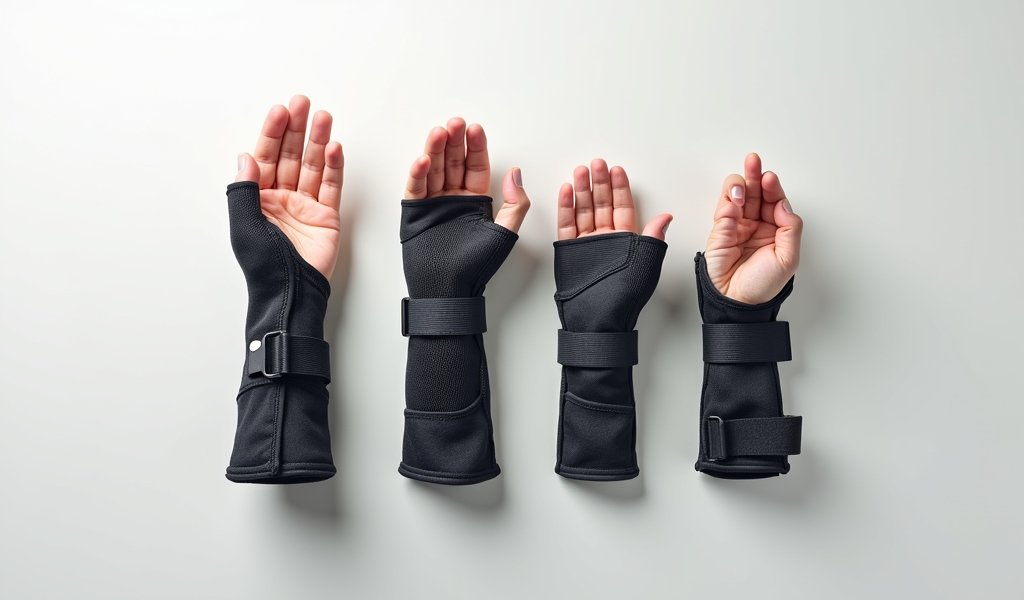
8 Top Wrist Braces for Broken and Sprained Wrists
1. Mueller Green Fitted Wrist Brace
The Mueller Green combines exceptional support with environmental consciousness. Its adjustable steel stays provide customizable support while maintaining proper wrist alignment.
Best for: Moderate sprains and stable fractures
Key features: Antimicrobial treatment, breathable materials, and adjustable compression straps
Price range: $25-35
2. Ossur Formfit Wrist Brace
When maximum immobilization is necessary, the Ossur Formfit delivers medical-grade support. Its aluminum stays prevent wrist movement in all planes, making it ideal for serious injuries.
Best for: Severe fractures and post-surgical recovery
Key features: Removable aluminum palmar stay, circumferential strapping, and breathable padding
Price range: $75-95
3. Vive Wrist Brace
The Vive offers an excellent balance of support and value. Its removable splint and adjustable compression make it versatile enough for various injury types.
Best for: Mild to moderate sprains and carpal tunnel syndrome
Key features: Removable aluminum splint, breathable neoprene blend, and ambidextrous design
Price range: $15-25
4. DonJoy ComfortForm Wrist Support
The DonJoy ComfortForm provides exceptional customization for progressive healing. Its unique three-strap system allows precise tension adjustment as swelling changes.
Best for: Recovery from moderate wrist injuries
Key features: Contoured aluminum stay, low-profile design, and anatomical fit
Price range: $35-50
5. BraceUP Wrist Support Brace
The BraceUP excels in comfort for extended wear. Its cushioned neoprene construction provides support without sacrificing comfort during daily activities.
Best for: Mild sprains and repetitive stress injuries
Key features: Cushioned neoprene, adjustable hook-and-loop fasteners, and contoured fit
Price range: $15-25
6. McDavid Wrist Brace
Athletes and active individuals appreciate the McDavid’s balance of support and functionality. It restricts harmful movements while allowing enough mobility for modified activities.
Best for: Athletes recovering from mild to moderate injuries
Key features: Adjustable straps, lightweight design, and moisture-management technology
Price range: $20-40
7. Futuro Night Wrist Sleep Support
Nighttime protection is crucial during recovery, and the Futuro Sleep Support excels in this domain. Its cushioned design prevents painful wrist positions during sleep.
Best for: Nighttime support during recovery from sprains and mild fractures
Key features: Cushioned beads for comfort, adjustable fit, and breathable materials
Price range: $15-25
8. Copper Fit Hand and Wrist Compression Sleeve
For those who find traditional braces too restrictive, the Copper Fit provides light compression and warmth. Its seamless design prevents the skin irritation that sometimes occurs with bulkier braces.
Best for: Mild sprains, arthritis, and preventive support
Key features: Copper-infused fabric, seamless design, and 4-way stretch material
Price range: $15-20
Each of these options offers unique benefits for specific injury types. Research shows that the proper brace can significantly improve healing outcomes and reduce recovery time when used correctly.
How to Properly Use Your Wrist Brace
Even the best brace won’t help if used incorrectly. Follow these guidelines to maximize your recovery:
Correct Application
Position your wrist in a neutral position—not bent forward or backward—before applying your brace. The brace should fit snugly but not tight enough to restrict circulation or cause numbness.
Most braces feature adjustable straps. Start from the bottom and work your way up, ensuring even pressure throughout. You should be able to slide one finger between your skin and the brace.
Wearing Schedule
Follow your healthcare provider’s specific recommendations regarding wear time. Generally:
- Acute phase (first 24-72 hours): Wear continuously except during bathing
- Early recovery: Wear during all waking hours and potentially during sleep
- Progressive recovery: Gradually decrease wear time as directed
Remove the brace periodically (if approved by your doctor) to check for skin irritation, perform prescribed exercises, and allow for proper hygiene.
Maintaining Your Brace
A clean brace prevents skin issues and maintains effectiveness:
- Follow manufacturer’s cleaning instructions
- Remove rigid components when possible before cleaning
- Allow to dry completely before rewearing
- Replace your brace if it loses structural integrity
Consistent and proper use of your wrist brace creates the stable environment needed for optimal healing. This approach to physical wellness ensures you’ll return to normal activities as quickly and safely as possible.
Additional Recovery Strategies
While a quality wrist brace provides essential support, comprehensive recovery requires a multifaceted approach:
R.I.C.E. Protocol
The classic recovery method remains effective for acute injuries:
- Rest: Avoid activities that cause pain
- Ice: Apply cold packs for 15-20 minutes several times daily
- Compression: Your brace provides this element
- Elevation: Keep your wrist above heart level when possible
Rehabilitation Exercises
Once cleared by your healthcare provider, gentle exercises help restore function:
- Wrist flexion and extension: Gently bend wrist forward and backward
- Pronation and supination: Rotate palm up and down
- Grip strengthening: Squeeze a soft ball or putty
- Finger exercises: Spread fingers wide, then make a fist
Clinical studies show that early, appropriate exercise improves long-term outcomes and reduces stiffness. However, always follow professional guidance regarding when to begin these activities.
Nutritional Support
Proper nutrition accelerates the healing process. Focus on:
- Protein for tissue repair
- Calcium and vitamin D for bone healing
- Vitamin C for collagen formation
- Anti-inflammatory foods like fatty fish and berries
Staying well-hydrated also supports circulation and nutrient delivery to healing tissues.
Pain Management
Controlling pain improves comfort and promotes better sleep during recovery:
- Over-the-counter pain relievers as recommended by your doctor
- Topical analgesics for localized pain
- Cold therapy for acute pain
- Heat therapy for stiffness (only after acute inflammation resolves)
Many patients find additional relief through chiropractic wellness approaches that address alignment issues that may impact proper healing.
When to Seek Professional Help
While minor sprains may heal with home care, many wrist injuries require professional assessment. Seek immediate medical attention if you experience:
- Visible deformity or bone protrusion
- Intense pain that doesn’t improve with rest and ice
- Numbness or tingling in your fingers
- Inability to move your wrist or grip objects
- Skin discoloration beyond normal bruising
Even after treatment begins, watch for these red flags that indicate complications:
- Increasing pain or swelling despite following treatment recommendations
- Signs of infection (increased warmth, redness, fever)
- Progressive weakness in the hand or fingers
- Pain that persists beyond expected recovery timeframes
Different healthcare providers offer specialized expertise for wrist injuries:
- Primary care physicians for initial assessment
- Orthopedic specialists for complex fractures
- Physical therapists for rehabilitation
- Occupational therapists for functional adaptations
Follow-up care is essential for proper healing. Orthopedic specialists recommend regular assessment to ensure bones and ligaments heal in proper alignment and function returns appropriately.
Conclusion
Finding the right wrist brace for your broken or sprained wrist represents a crucial step in your recovery journey. The perfect brace provides the optimal balance of support and comfort specific to your injury type, severity, and lifestyle needs.
Remember that a brace works best as part of a comprehensive approach to healing. Proper medical assessment, appropriate rest, targeted exercises, and patience all contribute to successful recovery. What seems like a frustrating setback today can become tomorrow’s distant memory with the right care approach.
As you navigate the healing process, listen to your body and follow professional medical guidance. Rushing recovery often leads to reinjury or prolonged healing times. With the right brace and proper care, you’ll soon return to the activities you love—wiser about protecting this vital joint in the future.
Frequently Asked Questions
How long should I wear a wrist brace for a sprain?
Most mild to moderate sprains require brace support for 2-6 weeks. Follow your healthcare provider’s specific recommendations based on your injury severity and healing progress.
Can I shower with my wrist brace on?
Most standard wrist braces shouldn’t get wet. Remove your brace for showering unless you have a waterproof model or a protective cover specifically designed for bathing.
Should a wrist brace be tight?
A properly fitted wrist brace should feel snug but not tight enough to cause numbness or discoloration. You should be able to slide one finger between the brace and your skin.
Can I drive while wearing a wrist brace?
Driving with a wrist brace may be unsafe and could potentially violate insurance requirements. Consult both your doctor and local driving regulations before attempting to drive with a brace.
What’s the difference between a wrist splint and a wrist brace?
Splints typically provide rigid immobilization and are often used for fractures or severe sprains. Braces offer varying degrees of support with more flexibility for different injury types and stages of healing.
## The 8 Best Wrist Braces for a Broken Wrist or Sprained Injury
Wrist injuries strike when you least expect them, turning routine tasks into painful challenges. Whether from a fall on an icy sidewalk or overextension during weekend activities, a broken or sprained wrist can severely limit your daily function.
Finding the right support becomes crucial for recovery. A quality wrist brace serves as your wrist’s personal bodyguard, protecting it while facilitating healing. In this guide, I’ll help you navigate the world of wrist braces to find your perfect match, from budget options to professional-grade supports for severe injuries.
Table of Contents
- Understanding Wrist Injuries: Types and Symptoms
- Choosing the Right Wrist Brace for Your Injury
- 8 Top Wrist Braces for Broken and Sprained Wrists
- How to Properly Use Your Wrist Brace
- Additional Recovery Strategies
- When to Seek Professional Help
- Conclusion
- Frequently Asked Questions
Understanding Wrist Injuries: Types and Symptoms
Wrist injuries can transform simple daily activities into painful challenges. Whether you’ve fallen on an outstretched hand or overextended your wrist during physical activity, the resulting pain can significantly impact your quality of life.
The wrist is a complex joint consisting of eight small bones (carpals) connected to your forearm and hand bones by ligaments and tendons. This intricate structure makes your wrist incredibly versatile but also vulnerable to injury.
Broken wrists (fractures) occur when one or more of these small bones crack or break. They range from hairline fractures to complete breaks where bones shift out of position. Fractures commonly result from falls, sports injuries, or direct impacts.
Sprains, on the other hand, involve stretching or tearing of the ligaments that connect bones. They’re graded by severity:
- Grade 1: Mild stretching with microscopic tearing
- Grade 2: Partial tears with moderate pain and swelling
- Grade 3: Complete ligament tears causing significant instability
Common symptoms of both injuries include pain, swelling, tenderness, and limited range of motion. However, broken wrists often present with visible deformity, while sprains typically maintain normal alignment despite pain.
Regardless of the specific injury, proper support during healing is crucial. This is where a quality wrist brace becomes invaluable—providing stability, protection, and the optimal environment for recovery.
Choosing the Right Wrist Brace for Your Injury
Selecting the appropriate wrist brace depends largely on your specific injury type and severity. The right brace acts as your wrist’s personal bodyguard, protecting it from further harm while facilitating proper healing.
When shopping for a wrist brace, consider these essential factors:
Support Level
Different injuries require different levels of immobilization:
- Mild sprains benefit from light compression sleeves or wrap-style braces
- Moderate injuries need semi-rigid braces with removable stays
- Severe sprains or fractures require rigid braces with comprehensive immobilization
Material and Comfort
The difference between a brace you’ll actually wear and one that collects dust often comes down to comfort. Look for:
- Breathable fabrics to prevent excessive sweating
- Hypoallergenic materials if you have sensitive skin
- Moisture-wicking properties for active individuals
- Padding around pressure points to prevent irritation
Adjustability
Your injury will change throughout the healing process, and your brace should adapt accordingly:
- Velcro straps allow customized compression
- Removable splints provide adjustable support levels
- Multiple sizing options ensure proper fit
Durability and Quality
A quality brace should last throughout your entire recovery period without losing its supportive properties. Premium materials and construction may cost more initially but provide better value over time.
Remember that the right brace complements proper medical care at a wellness clinic. Always follow your healthcare provider’s recommendations regarding the appropriate level of support for your specific condition.
8 Top Wrist Braces for Broken and Sprained Wrists
1. Mueller Green Fitted Wrist Brace
The Mueller Green combines exceptional support with environmental consciousness. Its adjustable steel stays provide customizable support while maintaining proper wrist alignment.
Best for: Moderate sprains and stable fractures
Key features: Antimicrobial treatment, breathable materials, and adjustable compression straps
Price range: $25-35
2. Ossur Formfit Wrist Brace
When maximum immobilization is necessary, the Ossur Formfit delivers medical-grade support. Its aluminum stays prevent wrist movement in all planes, making it ideal for serious injuries.
Best for: Severe fractures and post-surgical recovery
Key features: Removable aluminum palmar stay, circumferential strapping, and breathable padding
Price range: $75-95
3. Vive Wrist Brace
The Vive offers an excellent balance of support and value. Its removable splint and adjustable compression make it versatile enough for various injury types.
Best for: Mild to moderate sprains and carpal tunnel syndrome
Key features: Removable aluminum splint, breathable neoprene blend, and ambidextrous design
Price range: $15-25
4. DonJoy ComfortForm Wrist Support
The DonJoy ComfortForm provides exceptional customization for progressive healing. Its unique three-strap system allows precise tension adjustment as swelling changes.
Best for: Recovery from moderate wrist injuries
Key features: Contoured aluminum stay, low-profile design, and anatomical fit
Price range: $35-50
5. BraceUP Wrist Support Brace
The BraceUP excels in comfort for extended wear. Its cushioned neoprene construction provides support without sacrificing comfort during daily activities.
Best for: Mild sprains and repetitive stress injuries
Key features: Cushioned neoprene, adjustable hook-and-loop fasteners, and contoured fit
Price range: $15-25
6. McDavid Wrist Brace
Athletes and active individuals appreciate the McDavid’s balance of support and functionality. It restricts harmful movements while allowing enough mobility for modified activities.
Best for: Athletes recovering from mild to moderate injuries
Key features: Adjustable straps, lightweight design, and moisture-management technology
Price range: $20-40
7. Futuro Night Wrist Sleep Support
Nighttime protection is crucial during recovery, and the Futuro Sleep Support excels in this domain. Its cushioned design prevents painful wrist positions during sleep.
Best for: Nighttime support during recovery from sprains and mild fractures
Key features: Cushioned beads for comfort, adjustable fit, and breathable materials
Price range: $15-25
8. Copper Fit Hand and Wrist Compression Sleeve
For those who find traditional braces too restrictive, the Copper Fit provides light compression and warmth. Its seamless design prevents the skin irritation that sometimes occurs with bulkier braces.
Best for: Mild sprains, arthritis, and preventive support
Key features: Copper-infused fabric, seamless design, and 4-way stretch material
Price range: $15-20
Each of these options offers unique benefits for specific injury types. Research shows that the proper brace can significantly improve healing outcomes and reduce recovery time when used correctly.
How to Properly Use Your Wrist Brace
Even the best brace won’t help if used incorrectly. Follow these guidelines to maximize your recovery:
Correct Application
Position your wrist in a neutral position—not bent forward or backward—before applying your brace. The brace should fit snugly but not tight enough to restrict circulation or cause numbness.
Most braces feature adjustable straps. Start from the bottom and work your way up, ensuring even pressure throughout. You should be able to slide one finger between your skin and the brace.
Wearing Schedule
Follow your healthcare provider’s specific recommendations regarding wear time. Generally:
- Acute phase (first 24-72 hours): Wear continuously except during bathing
- Early recovery: Wear during all waking hours and potentially during sleep
- Progressive recovery: Gradually decrease wear time as directed
Remove the brace periodically (if approved by your doctor) to check for skin irritation, perform prescribed exercises, and allow for proper hygiene.
Maintaining Your Brace
A clean brace prevents skin issues and maintains effectiveness:
- Follow manufacturer’s cleaning instructions
- Remove rigid components when possible before cleaning
- Allow to dry completely before rewearing
- Replace your brace if it loses structural integrity
Consistent and proper use of your wrist brace creates the stable environment needed for optimal healing. This approach to physical wellness ensures you’ll return to normal activities as quickly and safely as possible.
Additional Recovery Strategies
While a quality wrist brace provides essential support, comprehensive recovery requires a multifaceted approach:
R.I.C.E. Protocol
The classic recovery method remains effective for acute injuries:
- Rest: Avoid activities that cause pain
- Ice: Apply cold packs for 15-20 minutes several times daily
- Compression: Your brace provides this element
- Elevation: Keep your wrist above heart level when possible
Rehabilitation Exercises
Once cleared by your healthcare provider, gentle exercises help restore function:
- Wrist flexion and extension: Gently bend wrist forward and backward
- Pronation and supination: Rotate palm up and down
- Grip strengthening: Squeeze a soft ball or putty
- Finger exercises: Spread fingers wide, then make a fist