
Overview
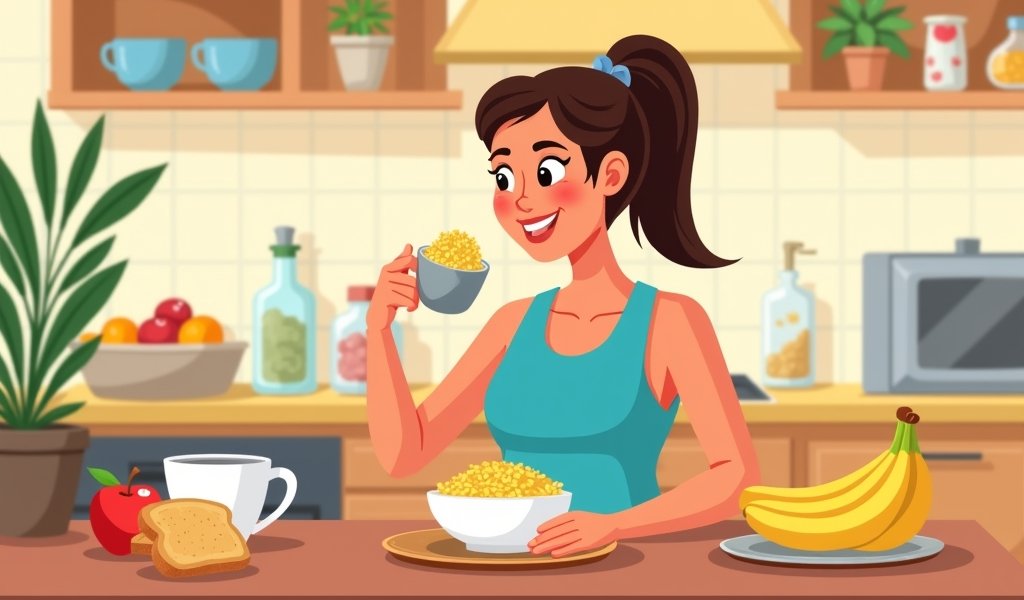
The BRAT diet (Bananas, Rice, Applesauce, Toast) is a short-term therapeutic approach for adults experiencing digestive distress, designed to be followed for only 24-48 hours while maintaining proper hydration. This gentle dietary regimen helps ease gastrointestinal issues by providing bland, easily digestible foods that give the digestive system a chance to recover, with careful guidance for transitioning back to normal eating once symptoms improve.
Table of Contents
- Understanding the BRAT Diet
- When to Use the BRAT Diet
- 7 Proven Relief Tips
- What to Eat on the BRAT Diet
- What to Avoid on the BRAT Diet
- Transitioning Back to Normal Eating
- The Importance of Hydration
- Wrapping Up
- Frequently Asked Questions
Understanding the BRAT Diet
When your stomach feels like it’s doing somersaults and your digestive system has essentially thrown in the towel, the BRAT diet might just be your new best friend. You know what I mean? That feeling when even the thought of food makes you queasy, but you know you need nourishment to recover? That’s where this gentle dietary approach comes in.
The BRAT diet for adults is like a soothing lullaby for your angry digestive tract. The acronym stands for Bananas, Rice, Applesauce, and Toast – four gentle, binding foods that give your gastrointestinal system a much-needed break. As a gastroenterologist with over 15 years of clinical experience, I’ve recommended this approach countless times, and with good reason.
Here’s the thing about the BRAT diet: it’s not a long-term eating plan or a weight loss strategy. Rather, it’s a short-term intervention designed to ease digestive distress, reduce diarrhea, and help your body recover from gastrointestinal upheaval. These foods are bland, low in fiber, and easy to digest – exactly what you need when your digestive system is in rebellion mode.
When to Use the BRAT Diet
Let’s be crystal clear – the BRAT diet isn’t something you should follow for kicks and giggles. It’s a therapeutic approach for specific situations when your digestive system needs extra TLC. Think of it as the equivalent of putting your feet up after running a marathon – it’s recovery time for your gut.
The most common scenarios when the BRAT diet makes sense include:
- Acute bouts of diarrhea
- Recovery from stomach viruses
- After a nasty food poisoning episode
- During the initial phase of recovering from severe nausea and vomiting
- Mild cases of irritable bowel flare-ups
But here’s the kicker – this diet isn’t meant to be followed for more than 24-48 hours in most cases. Your body needs a variety of nutrients that the BRAT diet simply doesn’t provide. Research has shown that prolonged restrictive diets can lead to nutritional deficiencies, which is the last thing your recovering body needs.
If your symptoms persist beyond a couple of days, or if you’re experiencing severe symptoms like high fever, bloody stools, or signs of dehydration, forget the BRAT diet and head straight to your healthcare provider. Some things just shouldn’t be self-treated, you know?

7 Proven Relief Tips
When it comes to implementing the BRAT diet effectively, there are some insider tricks that can make a world of difference. Think of these as your digestive rescue toolkit – ready to deploy when your stomach is in crisis mode.
1. Start with Clear Liquids
Before diving into the BRAT foods, give your system a chance to settle by sticking with clear liquids for the first 6-12 hours. Water, diluted fruit juices, clear broth, or herbal teas like ginger or chamomile can help maintain hydration without irritating your stomach further. It’s like dipping your toe in the water before jumping into the pool – a gentle introduction is key.
2. Introduce BRAT Foods Gradually
Don’t go from fasting to a full plate of rice and toast. Start with small portions – maybe half a banana or a quarter slice of toast – and see how your body responds. Your digestive system is like a shy child after a tantrum; it needs gentle coaxing to come around.
3. Opt for Room Temperature Foods
Extremes of hot or cold can trigger spasms in an irritated digestive tract. Room temperature applesauce or banana might seem less appetizing, but your stomach will thank you. Trust me on this one – I’ve seen patients who swore their recovery accelerated once they stopped eating foods straight from the refrigerator.
4. Add Electrolytes
Diarrhea and vomiting deplete your body’s electrolytes faster than a summer day drains your water bottle. Consider an oral rehydration solution or a diluted sports drink without the artificial colors and excessive sugar. Your cells need these minerals to function properly, especially when you’re on a limited diet.
5. Incorporate Probiotics
Once you’re tolerating BRAT foods well, consider introducing probiotic-rich options like plain yogurt (if dairy is tolerable). According to Mayo Clinic experts, probiotics can help restore the good bacteria in your gut that illness may have disrupted.
6. Monitor Your Body’s Response
Keep a simple food journal during this recovery period. Note what you ate, when you ate it, and how your symptoms responded. This personalized data is invaluable – what works for one person’s digestive system might be different for another’s.
7. Rest Your Body, Not Just Your Gut
Physical rest complements digestive rest beautifully. Your body diverts energy to healing when you’re not active, so take this as permission to binge that show, nap with abandon, or lose yourself in a good book while your gut recovers.
What to Eat on the BRAT Diet
The traditional BRAT diet is pretty straightforward, but there’s room for some strategic additions that can help make this restricted approach more nutritionally balanced and effective. Let’s break down the core components and some smart additions:
The Core BRAT Foods:
Bananas: Not just any banana – slightly underripe ones are best as they contain more resistant starch and less sugar. Bananas are like nature’s antidiarrheal medication, helping to firm up loose stools while providing potassium that you may have lost through diarrhea.
Rice: White rice, not brown, is the star here. It’s low in fiber and acts like a sponge, absorbing excess fluid in the intestines. Think of it as the blotting paper for your digestive tract – soaking up the excess and helping form more solid stools.
Applesauce: The pectin in applesauce is a binding agent that can help reduce diarrhea. Unsweetened is best – your irritated gut doesn’t need the extra sugar right now. It’s like nature’s glue for your digestive contents.
Toast: Plain, white toast without butter is easily digestible and provides some much-needed carbohydrates for energy. Skip the whole grain varieties for now – their fiber content might be too stimulating for your sensitive system.
Smart Additions to Consider:
As your symptoms improve, you might consider carefully incorporating these gentle foods to provide more nutritional support:
- Plain, boiled chicken (no skin or seasoning)
- Bone broth
- Plain crackers
- Boiled or steamed carrots
- Plain baked potato (no skin)
- Plain, non-fat yogurt (if dairy is tolerable)
- Weak tea
I often tell my patients to think of their digestive system during recovery like a sensitive musical instrument that needs careful tuning. Each food introduction is like plucking a string – you want to ensure it produces the right note before moving on to the next one.
What to Avoid on the BRAT Diet
Just as important as knowing what to eat is understanding what to avoid. Your digestive system during recovery is like a temperamental artist – one wrong move and the whole performance could be ruined. These foods are the equivalent of heckling that artist – best avoided until full recovery:
- Dairy products: With the possible exception of plain yogurt, dairy can be difficult to digest when your system is compromised.
- Fatty foods: Fried items, oils, butter, and fatty meats can stimulate strong digestive contractions – the last thing your sensitive gut needs.
- High-fiber foods: Normally healthy items like whole grains, beans, nuts, and raw vegetables can be too much work for your recovering digestive tract.
- Spicy foods: These can irritate the digestive lining, which may already be inflamed.
- Alcohol and caffeinated beverages: Both can stimulate the gut and increase fluid loss, potentially worsening diarrhea.
- Sugary foods and drinks: Excess sugar can draw water into the intestines and worsen diarrhea.
- Gas-producing foods: Beans, cabbage, broccoli, and carbonated drinks can increase discomfort.
I had a patient once who was recovering beautifully on the BRAT diet, then decided to “reward” herself with an iced coffee and a spicy Thai noodle dish. Let’s just say her recovery clock reset to zero. Don’t be like Martha (that’s what we’ll call her). Respect the process, and your gut will reward you with a faster return to normal.

Transitioning Back to Normal Eating
The BRAT diet is like training wheels for your digestive system – absolutely necessary when you’re wobbly, but not meant to stay on forever. Transitioning back to regular eating should be a methodical process, not a headlong dive into your favorite buffet.
Here’s a gradual approach that I recommend to my patients:
Days 1-2: Strict BRAT
Stick to the core BRAT foods and clear liquids. Your gut is like a startled deer during this phase – approach with caution and minimal stimulation.
Days 3-4: BRAT Plus
If symptoms are improving, carefully add plain, low-fat proteins like poached chicken, soft-cooked eggs, or tofu. Consider well-cooked, peeled vegetables like carrots or zucchini. Mediterranean-style preparations (minus the garlic and spices) can offer gentle flavors at this stage.
Days 5-7: Expanded Menu
Start reintroducing more food groups, but keep portions small and preparations simple. Lean proteins, well-cooked grains, and more cooked vegetables can come back. This is like opening the curtains gradually after a migraine – let the light in slowly.
Beyond Week 1:
Assuming all symptoms have resolved, begin returning to your normal diet. However, you might want to keep potentially problematic foods (very spicy dishes, alcohol, fried foods) as occasional treats rather than daily staples to avoid retriggering issues.
A word to the wise: if symptoms return during this transition, take two steps back in the process and proceed more slowly. Your body is communicating with you – the smart patient listens.
The Importance of Hydration
If the BRAT diet is the main act in your recovery show, hydration is the unsung hero working behind the scenes to make everything possible. Without proper fluid intake, even the most perfectly executed BRAT protocol will fall short.
Dehydration during digestive illnesses is like trying to clean a dirty house without water – you simply don’t have the necessary resources to get the job done. Diarrhea and vomiting can cause rapid fluid loss, creating a dangerous situation that can actually worsen your symptoms and delay recovery.
Here’s my hydration playbook for BRAT diet success:
- Sip, don’t gulp: Small, frequent sips of fluid are less likely to trigger nausea or vomiting than large amounts at once.
- Aim for clear or light-colored urine: This is your body’s way of signaling adequate hydration.
- Go beyond plain water: Oral rehydration solutions contain the perfect balance of sugar and salt to optimize fluid absorption. You can make a simple version at home by adding 1/2 teaspoon salt and 6 teaspoons sugar to 1 liter of water.
- Try ice chips: Sometimes these are more tolerable than liquids when nausea is severe.
- Monitor for dehydration signs: Dry mouth, decreased urination, dizziness, or extreme fatigue warrant medical attention.
According to CDC recommendations, maintaining proper hydration is critical during gastrointestinal illnesses. One of my colleagues describes fluid intake during recovery as “lubricating the healing machine” – your body simply works better with adequate hydration.
Wrapping Up
The BRAT diet for adults isn’t flashy or complicated – it’s more like that reliable friend who shows up with soup when you’re sick without being asked. Simple, effective, and exactly what you need in a moment of digestive distress.
Remember that this dietary approach is a short-term solution, not a lifestyle. Its purpose is specific: to give your irritated digestive system a chance to recover while preventing further complications. Like training wheels, it’s meant to come off once you’ve regained your balance.
As you recover, pay attention to how your body responds to different foods. This experience, though unpleasant, offers a unique opportunity to understand your digestive system better. Maybe you’ll discover that certain foods you regularly consumed before weren’t actually agreeing with you. Many of my patients have had such “aha” moments during their recovery process.
Above all, be patient with your body. Healing isn’t linear, and your digestive system has been through a lot. Give it the time and gentle care it needs, and it will return the favor with improved function and resilience.
Next time your stomach starts doing the rumba and your bathroom becomes your new best friend, you’ll have this trusty BRAT framework ready to deploy. Your future uncomfortable self will thank you for it!
Frequently Asked Questions
How long should I stay on the BRAT diet?
Most adults should follow the BRAT diet for only 24-48 hours. Extending beyond this period can lead to nutritional deficiencies and delayed recovery.
Can I drink coffee while on the BRAT diet?
No, coffee should be avoided as it can stimulate the digestive tract and worsen diarrhea. Stick to water, weak tea, and clear broths instead.
Is the BRAT diet suitable for pregnant women?
Pregnant women should consult their healthcare provider before starting the BRAT diet. Their nutritional needs are more complex and may require medical supervision during illness.
Can I take medications while on the BRAT diet?
Yes, continue taking prescribed medications unless advised otherwise by your doctor. Take them with a small amount of food if needed to prevent stomach upset.
When should I see a doctor instead of trying the BRAT diet?
See a doctor if you experience high fever, bloody stools, severe abdominal pain, signs of dehydration, or if symptoms persist beyond 48 hours. These may indicate a condition requiring medical intervention.
Pingback: Alcohol When Sick: 7 Essential Rules for Quick Recovery - achievehealthgoals.com