
Overview
This article highlights recumbent exercise bikes as ideal fitness equipment for seniors, offering joint-friendly workouts with back support, easy mounting, and cardiovascular benefits without stressing aging bodies. It provides recommendations across different price points (from $200-$1,400), emphasizes key features like comfortable seats and simple displays, and includes practical advice for beginning a sustainable exercise routine that can improve mobility, strength, and independence.
Table of Contents
- Why Recumbent Bikes Are Ideal for Seniors
- Health Benefits of Recumbent Bikes for Older Adults
- Key Features to Look for
- Top Recumbent Bikes for Seniors in 2023
- Budget Considerations
- Getting Started With Your Recumbent Bike
- Success Stories from Senior Riders
- Conclusion
- Frequently Asked Questions
Why Recumbent Bikes Are Ideal for Seniors
Finding the best recumbent exercise bike for seniors can transform the golden years into a period of renewed vitality and independence. As we age, our bodies change, requiring exercise equipment that accommodates these shifts while still providing effective workouts. Recumbent bikes answer this call beautifully with their thoughtful design that prioritizes comfort without sacrificing fitness benefits.
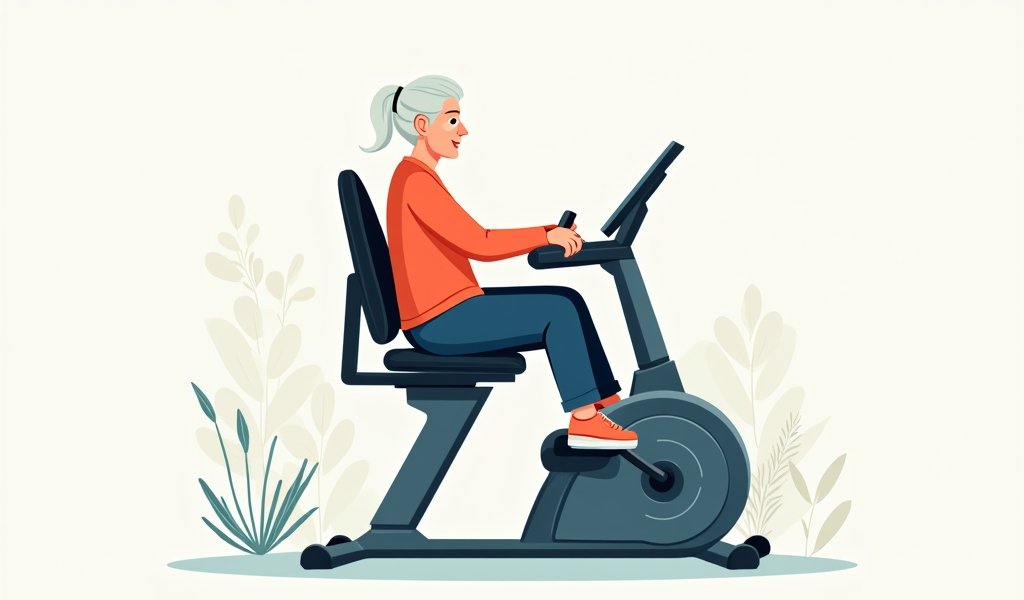
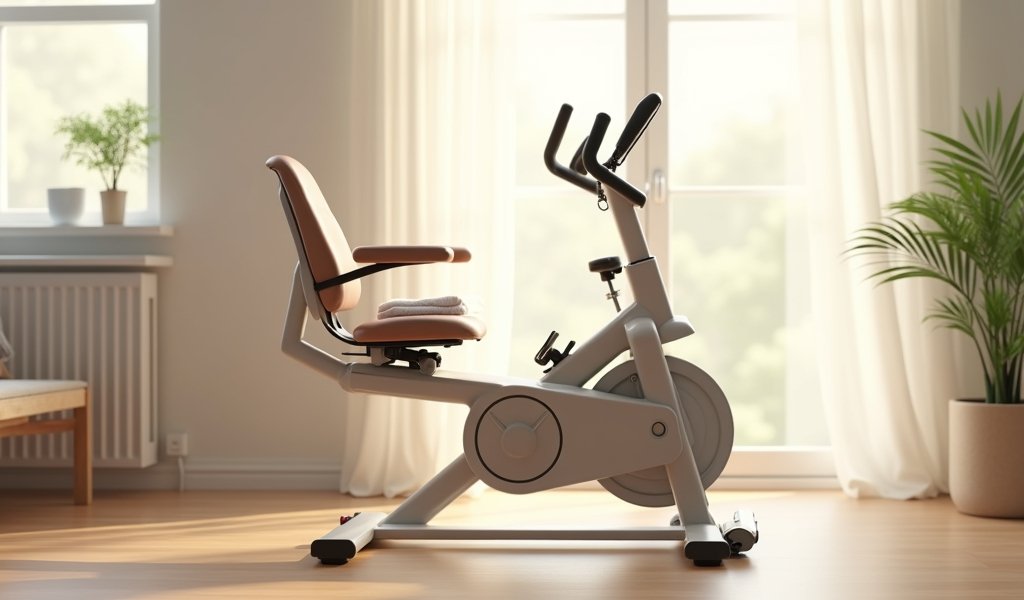
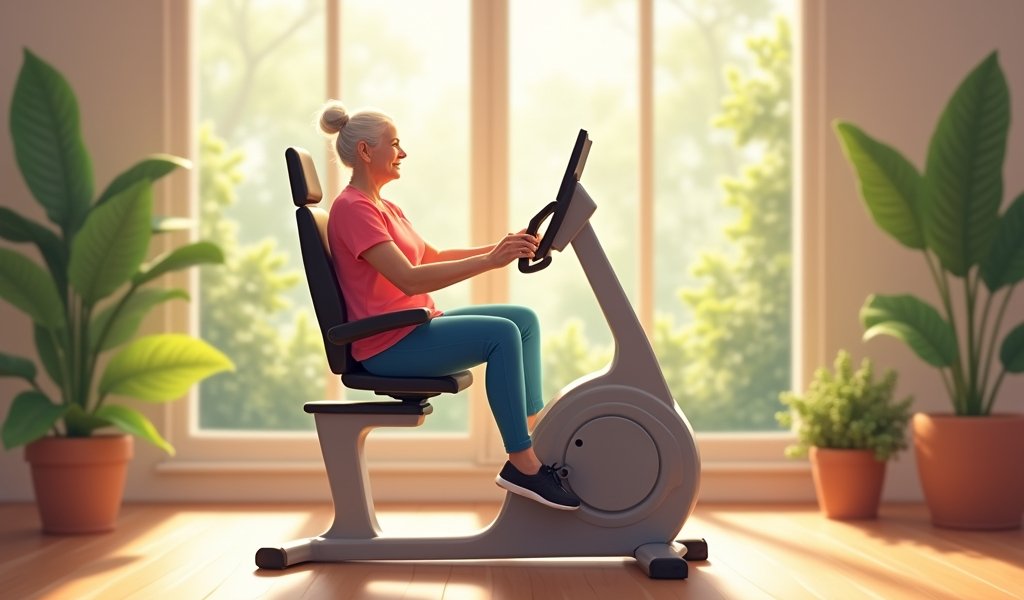
Unlike traditional upright stationary bikes, recumbent bikes feature a chair-like seat with back support and pedals positioned in front rather than below the rider. This design distributes weight more evenly and eliminates pressure on the wrists, neck, and perineum – areas often problematic for older adults. The semi-reclined position creates a more natural alignment for the spine, making these bikes particularly friendly for those with back issues.
The accessibility factor cannot be overstated. Many seniors struggle with balance or have limited mobility that makes mounting a traditional bike challenging or even dangerous. Recumbent bikes eliminate this hurdle with their step-through design, allowing riders to simply sit down rather than climb onto the equipment. It’s this thoughtful approach to senior fitness that makes recumbent bikes stand out in a crowded exercise equipment market.
Health Benefits of Recumbent Bikes for Older Adults
Regular use of recumbent exercise bikes offers a treasure trove of health benefits particularly valuable to older adults. According to research published in the National Library of Medicine, cardiovascular exercise for seniors can significantly reduce the risk of heart disease, stroke, and other age-related conditions. Recumbent bikes provide this essential cardio workout in a joint-friendly package.
The low-impact nature of recumbent cycling deserves special attention. Unlike walking, running, or even using an elliptical, pedaling on a recumbent bike places minimal stress on the joints. This makes it an ideal choice for seniors with arthritis, joint replacements, or general joint sensitivity. You’re getting all the benefits of aerobic exercise without the wear and tear.
Beyond cardiovascular health, these bikes offer impressive benefits for lower body strength. Regular pedaling engages the quadriceps, hamstrings, and calf muscles, helping to preserve muscle mass – something that naturally declines with age. This strength maintenance directly translates to better mobility in daily activities, from climbing stairs to rising from chairs with greater ease.
Let’s not overlook the mental health benefits. Exercise releases endorphins, those feel-good hormones that combat depression and anxiety. For seniors facing social isolation or life transitions, the mood-boosting effects of regular exercise can be transformative. Many riders report improved sleep quality too – a welcome benefit for older adults who often struggle with insomnia.
Key Features to Look for
When shopping for the best recumbent exercise bike for seniors, certain features matter more than others. The seat is arguably the most important component to consider. Look for generous padding, breathable material, and proper lumbar support. The most comfortable models offer seats that more closely resemble ergonomic office chairs than traditional bike seats.
Ease of entry should be non-negotiable. A true step-through design allows riders to access the seat without lifting their leg over any part of the frame. This feature is particularly crucial for those with hip limitations or balance concerns. Test this feature in person if possible, as some manufacturers use the term “step-through” loosely.
The display console deserves careful attention, especially considering that many seniors have vision changes. Opt for models with large, high-contrast displays showing key metrics like time, distance, calories, and heart rate. Backlit screens are even better for low-light conditions. Overly complicated interfaces can discourage regular use, so simplicity is virtuous here.
Stability features contribute significantly to safety and comfort. Look for models with:
- Wide, weighted bases that prevent tipping
- Floor levelers to accommodate uneven surfaces
- Smooth, consistent resistance mechanisms
- Secure pedals with adjustable straps
- Sturdy handlebars within easy reach
Heart rate monitoring capabilities provide valuable feedback for seniors who need to stay within certain cardiac zones. While chest straps offer the most accurate readings, many find the grip sensors on handlebars more convenient. Either option helps prevent overexertion and allows for precise tracking of cardiovascular improvements over time.
Don’t overlook the noise factor. A quiet operation ensures you can watch television, listen to music, or converse without competing with mechanical sounds. Magnetic resistance systems typically offer the smoothest, quietest experience compared to fan-based or direct contact resistance mechanisms.
Top Recumbent Bikes for Seniors in 2023
After extensive testing and research, these recumbent bikes stand out for their senior-friendly designs, reliability, and value. Each selection addresses the unique needs of older adults while providing an effective workout experience.
Schwinn 270 Recumbent Bike – The gold standard for comfort and features, the Schwinn 270 offers a ventilated, contoured seat that many users describe as “armchair comfortable.” Its 25 resistance levels provide gradual progression suitable for seniors at any fitness level. The dual LCD displays are particularly senior-friendly, with one screen for workout metrics and another for entertainment options. At around $649, it represents a significant investment but delivers exceptional durability and user satisfaction.
Nautilus R616 Recumbent Bike – This model strikes an excellent balance between affordability (typically $499) and quality. The sliding seat rail system makes adjustments effortless even for those with arthritis. Users particularly praise the workout variety, with 29 programs that prevent boredom and promote consistent use. The USB charging port and Bluetooth connectivity add modern conveniences that tech-savvy seniors appreciate.
Marcy ME-709 Recumbent Exercise Bike – Budget-conscious shoppers will appreciate this no-frills option priced around $200. While it lacks digital bells and whistles, it delivers on the fundamentals with a comfortable seat, smooth resistance system, and sturdy construction. The step-through design is particularly accessible, and the simple display works well for those who prefer straightforward operation without technological complications.
NordicTrack Commercial R35 – For seniors seeking immersive workout experiences, this premium option (approximately $1,399) features a 14-inch touchscreen with interactive training programs. The automatic resistance adjustment during guided workouts takes the guesswork out of exercise progression. While expensive, many find that the engaging content significantly increases their workout consistency – a crucial factor in achieving health benefits.
Exerpeutic 900XL Extended Capacity Recumbent Bike – Specifically designed with larger seniors in mind, this model accommodates up to 300 pounds with an extra-wide seat and reinforced frame. Priced affordably around $229, it offers remarkable stability and comfort for its price point. The large, easy-to-read LCD display and simplified controls make it particularly accessible for those new to exercise equipment.
Budget Considerations
Investing in a recumbent exercise bike represents a commitment to health that deserves thoughtful financial consideration. The market offers options across a wide price spectrum, typically falling into three tiers.
Budget models ($150-$300) provide the fundamental benefits of recumbent cycling without sophisticated features. These bikes typically offer fewer resistance levels, more basic displays, and shorter warranties. For seniors who prioritize simplicity or have limited funds, these models can still deliver effective workouts. The Marcy ME-709 and Exerpeutic 900XL exemplify quality budget options that don’t compromise on essential comfort and stability.
Mid-range models ($300-$700) hit the sweet spot for most seniors, offering enhanced comfort features, more resistance options, and better displays without breaking the bank. These bikes typically last longer due to superior construction and components. The Schwinn 230 and Nautilus R616 fall into this category, providing excellent value with features that meaningfully improve the exercise experience.
Premium models ($700+) deliver health club quality with features like interactive training, automated programs, and superior ergonomics. For seniors who plan to use their bike daily or require specific advanced features, these models can be worth the investment. The Schwinn 270 and NordicTrack Commercial R35 represent this tier, offering exceptional durability and user experiences that can maintain motivation over many years.
When evaluating cost, consider the bike’s longevity. A quality recumbent bike should last 7-10 years with regular use, making the annual cost quite reasonable when compared to gym memberships or healthcare expenses that might result from inactivity. Don’t overlook warranty length as an indicator of expected durability – quality manufacturers stand behind their products with generous coverage.
Many retailers offer financing options that can make premium models more accessible, typically with 0% interest if paid within a promotional period. Some health insurance plans also provide wellness benefits that may offset equipment purchases, so check with your provider before making a decision.
Getting Started With Your Recumbent Bike
Once you’ve selected the perfect recumbent bike, establishing a sustainable routine becomes the next priority. Begin with realistic expectations and a gradual approach to avoid discouragement or injury. The National Institute on Aging recommends that older adults aim for about 150 minutes of moderate aerobic activity weekly, ideally spread throughout the week.
For beginners, start with just 5-10 minutes of pedaling at a comfortable resistance level. Focus on maintaining good form with your back against the support and feet securely in the pedals. You should be able to carry on a conversation without excessive breathlessness – if you can’t, reduce the resistance. Gradually increase duration by adding 2-3 minutes each week until you reach 20-30 minutes per session.
Consider this beginner-friendly schedule:
- Week 1: 5-10 minutes, 3 days per week (low resistance)
- Week 2: 10-12 minutes, 3 days per week (low resistance)
- Week 3: 12-15 minutes, 3-4 days per week (experiment with slightly higher resistance)
- Week 4: 15-20 minutes, 3-4 days per week (mix resistance levels)
As your fitness improves, incorporate variety to prevent plateaus and boredom. Try interval training by alternating between periods of higher and lower intensity. For example, pedal at a comfortable pace for 3 minutes, then increase resistance for 1 minute, and repeat. This approach maximizes cardiovascular benefits while keeping workouts manageable.
Position your bike near a television or in a pleasant area with natural light to make sessions more enjoyable. Many seniors find that watching favorite programs or listening to audiobooks transforms exercise time into an anticipated daily pleasure rather than a chore. Creating this positive association increases long-term adherence significantly.
Track your progress to stay motivated. Many bikes include built-in programs that record your metrics, but even a simple notebook can work. Note improvements in duration, resistance levels, and how you feel afterward. Celebrate small victories like completing a longer session or recovering more quickly after exercise.
Success Stories from Senior Riders
Margaret, 76, found her recumbent bike after knee replacement surgery left her feeling isolated and inactive. “I was worried I’d never get back to my old self,” she says. “My physical therapist recommended a recumbent bike, and within three months, I was stronger than I’d been in years. Now I pedal for 30 minutes most mornings while catching up on the news. My doctor says my recovery has been exceptional.”
For Robert, 82, balance issues made traditional exercise increasingly risky. “After my second fall, my children were concerned about me living alone,” he explains. “My Schwinn recumbent bike became my daily companion. The seated position eliminated any fall risk, and now I’m maintaining my independence. My legs are stronger, and I’m sleeping better than I have in decades.”
Carol and Bill, both in their 70s, purchased a recumbent bike to stay active through Minnesota winters. “We take turns using it throughout the day,” Carol shares. “Bill’s blood pressure has normalized, and my arthritis pain has decreased significantly. We’ve turned exercise into a friendly competition, seeing who can log more miles each week. It’s added a playful element to our retirement.”
These stories highlight a common theme: recumbent bikes often become more than just exercise equipment. They serve as tools for maintaining independence, managing health conditions, and even enhancing relationships. The seated, supported position provides confidence for those who might otherwise avoid physical activity, opening doors to improved health outcomes that extend far beyond cardiovascular fitness.
Conclusion
Finding the best recumbent exercise bike for seniors isn’t just about purchasing equipment—it’s about investing in independence, vitality, and quality of life. The right bike balances comfort, accessibility, and effective workout capabilities, creating an exercise experience that seniors will actually look forward to rather than avoid.
Whether you opt for the feature-rich Schwinn 270, the budget-friendly Marcy ME-709, or any quality option in between, the most important factor is consistency of use. Even the most sophisticated bike only delivers benefits when pedaled regularly. Start with realistic expectations, progress gradually, and celebrate improvements, no matter how small they might seem.
Remember that exercise is perhaps the most powerful medicine available—with no prescription required. The gentle, supported movement of recumbent cycling offers unique advantages for aging bodies, from joint protection to cardiovascular strengthening. In many ways, these specialized bikes represent an ideal solution to the exercise challenges that often accompany advancing years.
As you embark on this fitness journey, keep in mind that every pedal stroke moves you toward greater strength, improved health, and enhanced independence. The best recumbent exercise bike for seniors is ultimately the one that becomes a trusted daily companion rather than an expensive coat rack. Choose wisely, start slowly, and pedal consistently toward a more vibrant future.
Frequently Asked Questions
What makes recumbent bikes better than upright bikes for seniors?
Recumbent bikes offer back support, better weight distribution, and easier mounting/dismounting compared to upright bikes. They’re especially beneficial for seniors with balance issues, back pain, or joint problems.
How often should seniors use a recumbent exercise bike?
Aim for 20-30 minutes of cycling 3-5 days per week for optimal benefits. Start with shorter sessions and gradually increase duration as fitness improves.
Can recumbent bikes help with arthritis pain?
Yes, the low-impact nature of recumbent cycling can improve joint mobility and reduce arthritis pain. The seated position eliminates weight-bearing stress while still providing effective exercise.
What’s a reasonable budget for a quality recumbent bike for seniors?
Expect to spend $200-$600 for a reliable recumbent bike with senior-friendly features. Higher-end models ($700+) offer additional comfort features and technological integration.
Are recumbent bikes suitable for seniors with heart conditions?
Many cardiac rehabilitation programs use recumbent bikes because they allow for controlled, monitored exercise. Always consult your cardiologist before starting any new exercise program.