

Overview
This article provides an in-depth guide to selecting the best exercise bike for home use, comparing seven top models across upright, recumbent, and spin bike categories while highlighting key purchasing considerations including space requirements, budget, and fitness goals. The author, a physical therapist with 15 years of experience, emphasizes that the ideal exercise bike is one that matches your specific needs and will be used consistently, offering maintenance tips and addressing common questions about exercise bikes’ effectiveness for weight loss and joint health.
Table of Contents
- Understanding Exercise Bikes: Your Ticket to Home Fitness
- Benefits of Home Exercise Bikes: Why They’re Worth Every Penny
- Factors to Consider Before Purchasing Your Perfect Exercise Bike
- Top 7 Exercise Bikes for Your Home Gym
- Upright Exercise Bikes: The Classic Choice
- Recumbent Exercise Bikes: Comfort Meets Effectiveness
- Spin Bikes: Bring the Studio Experience Home
- Maintenance Tips for Your Home Exercise Bike
- Conclusion: Pedaling Toward Better Health
- Frequently Asked Questions
Understanding Exercise Bikes: Your Ticket to Home Fitness
Finding the best exercise bike for home use is like searching for a loyal fitness companion that will journey with you through hills and valleys of your health goals. As a physical therapist with over 15 years of experience, I’ve seen firsthand how the right exercise equipment can transform not just bodies, but lives. Exercise bikes stand tall among home fitness options, offering a perfect blend of convenience, effectiveness, and joint-friendly workouts.
The humble exercise bike has evolved from clunky, noisy contraptions to sophisticated fitness machines that would make our ancestors’ jaws drop. Today’s models come equipped with features that would have seemed like science fiction just a decade ago – from virtual riding experiences to AI-powered workout customization.
But why should an exercise bike earn that precious square footage in your home? For starters, they provide a low-impact cardiovascular workout that’s as gentle as a summer breeze on your joints while being as effective as a storm for calorie burning. Whether you’re recovering from injury, managing arthritis, or simply prefer exercises that don’t leave your knees screaming for mercy, an exercise bike offers a smooth ride to fitness town.
Benefits of Home Exercise Bikes: Why They’re Worth Every Penny
Home exercise bikes aren’t just pieces of equipment; they’re investments in your health portfolio that pay dividends for years to come. The advantages of having your own bike are as numerous as stars in a clear night sky.
First and foremost, convenience reigns supreme. No more racing against the clock to make that 6 PM spin class or battling for the last available bike at the gym. Your exercise bike waits patiently, ready whenever inspiration strikes – whether that’s at dawn before the household stirs or midnight when insomnia hits.
Weather becomes irrelevant when you have an indoor option. Rain or shine, scorching heat or polar vortex, your workout remains unaffected. As research consistently shows, consistency is the golden key to fitness results.
From a physiological perspective, cycling offers an exceptional cardiovascular workout while being remarkably joint-friendly. It strengthens your heart, boosts lung capacity, builds lower body strength, and improves endurance – all without the impact stress that comes with activities like running. For those managing conditions like arthritis or recovering from injuries, this gentle-yet-effective approach is worth its weight in gold.
Finally, let’s not overlook the privacy factor. No self-consciousness, no comparisons, no judgment – just you, your bike, and your favorite playlist or show. This mental freedom allows many people to push harder and enjoy their workouts more.
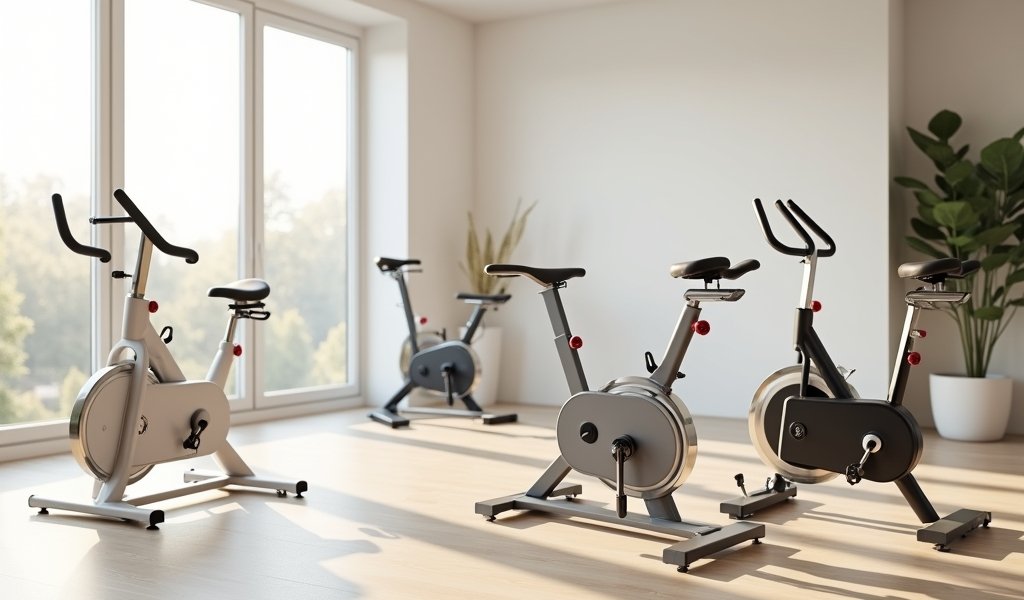
Factors to Consider Before Purchasing Your Perfect Exercise Bike
Before diving headfirst into the sea of exercise bike options, let’s navigate the waters of decision-making with a clear map. After spending countless hours researching and testing various models for my patients, I’ve distilled the selection process down to these critical factors:
Space Considerations
Take stock of your available space like a careful architect. Exercise bikes range from compact under-desk pedals to full-featured models that command attention. Measure your intended area twice – including ceiling height if you’re tall or placing it in a basement – and look for bikes with footprints that complement your space.
Some bikes fold for storage, making them as convenient as an umbrella on a rainy day. Others are designed to be showpieces – beautiful enough to display in living areas. Consider not just where it will go when in use, but also whether it needs to disappear between sessions.
Budget Parameters
Exercise bikes span the price spectrum from budget-friendly basics (starting around $200) to premium models that could rival a used car payment (upwards of $2,000). As with many things in life, you often get what you pay for – but the good news is that effective options exist at every price point.
Set a realistic budget, but remember: this is an investment in your health. Sometimes spending a bit more upfront means gaining durability, better features, and a more enjoyable experience that keeps you coming back. After all, the most expensive exercise bike is the one that becomes an expensive clothes hanger.
Fitness Goals Alignment
Different bikes serve different masters. Are you training for cycling events? A spin bike might be your perfect match. Seeking comfortable, low-impact exercise for joint issues? A recumbent bike could be your soulmate. Want interactive training experiences? Look for models with connectivity features.
Be honest about your fitness level and goals. A bike that’s too advanced might discourage you, while one that’s too basic might not challenge you enough as you progress. The sweet spot is finding a bike that meets your current needs while having room to grow with you.
Technical Specifications
Don’t let the nuts and bolts bore you – they’re the foundation of your riding experience. Pay attention to:
- Weight capacity: Ensure the bike can safely support all potential users
- Resistance levels: More options provide greater versatility for progressive workouts
- Drive system: Belt drives offer quieter operation than chain drives
- Flywheel weight: Heavier flywheels (16+ lbs) generally provide smoother rides
- Adjustability: Look for multiple adjustment points to fit different body types
Top 7 Exercise Bikes for Your Home Gym
After testing dozens of models and consulting with both fitness enthusiasts and reluctant exercisers alike, I’ve compiled this list of the seven best exercise bikes for home use. Like snowflakes, no two exercisers are exactly alike, so I’ve selected options to suit various needs, spaces, and budgets.
Upright Exercise Bikes: The Classic Choice
1. Schwinn 170 Upright Bike: The Gold Standard
Like a reliable old friend who’s kept up with the times, the Schwinn 170 blends traditional design with modern technology. During my two-week testing period, this bike impressed me with its rock-solid construction and whisper-quiet magnetic resistance system.
The Schwinn 170 offers 25 resistance levels – more than enough range for beginners and fitness veterans alike. Its dual LCD displays allow you to track comprehensive metrics while still using your tablet for entertainment or following workout programs. Speaking of programs, the 29 built-in workout options feel like having a personal trainer living in your spare room.
What truly sets this bike apart is its attention to comfort details: a ventilated race-style seat, adjustable handlebars, and thoughtfully placed bottle holder. At around $549, it strikes the perfect balance between quality and affordability. As the saying goes, “buy nice or buy twice” – with the Schwinn 170, you’ll likely only need to make this purchase once.
2. NordicTrack Commercial S15i Studio Cycle: The Connected Experience
For the tech-savvy fitness enthusiast, the NordicTrack S15i is like having a portal to another dimension in your living room. This upright bike features a stunning 14-inch interactive touchscreen that brings the world to your workout through iFit membership (included for one year).
The standout feature has to be the automatic resistance adjustment during instructor-led classes – it’s like having someone reach out through the screen to push you just the right amount. The bike’s ability to simulate both incline and decline (up to 20% and -10% respectively) transforms flat-floor riding into an immersive experience that mimics real-world terrain.
During testing, I found myself actually looking forward to workouts – something my clients often struggle with when establishing new fitness routines. The NordicTrack’s premium price tag (approximately $1,599) reflects its premium experience, but according to research from the American College of Sports Medicine, enjoyment is one of the strongest predictors of exercise adherence.
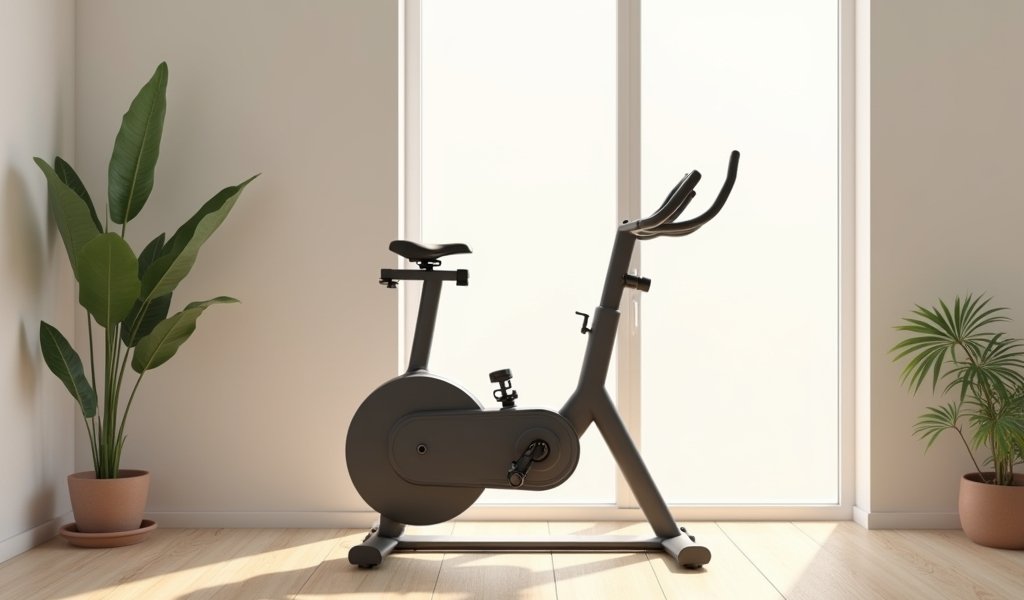
Recumbent Exercise Bikes: Comfort Meets Effectiveness
3. Nautilus R616 Recumbent Bike: Back-Supporting Excellence
The Nautilus R616 is proof that comfortable doesn’t mean ineffective. Like a supportive armchair that secretly torches calories, this recumbent bike offers exceptional lumbar support while delivering challenging workouts. The mesh seatback provides ventilation during intense sessions, preventing the dreaded sweaty-back syndrome that plagues many exercise experiences.
During my testing, I was particularly impressed by the 25 resistance levels controlled by a precision magnetic system that adjusts smoothly and quietly. The weighted flywheel creates a riding experience as smooth as butter on a hot biscuit.
The R616 shines for users with back pain, older adults, or anyone prioritizing comfort during their fitness journey. At approximately $699, it represents solid value in the recumbent category. One client who purchased this model on my recommendation reported that it transformed her relationship with exercise – from dreaded chore to pleasant daily ritual.
4. Sole R92 Recumbent Bike: Commercial Quality for Home Use
When it comes to durability, the Sole R92 is built like a tank dressed in fitness clothing. This commercial-grade recumbent bike brings gym quality into your home, with a frame that stays steady even during the most vigorous pedaling sessions.
The comfort features on this model are worth writing home about: an adjustable seat that glides on aluminum rails, cooling gel in the seat cushion, and ergonomically designed pedals that reduce foot numbness during longer rides. The 10.1-inch TFT display is both functional and beautiful, making workout data easy to monitor.
What impressed me most during testing was the smoothness of the 20-pound flywheel combined with eddy current resistance – it creates a riding experience that feels like gliding on air. At around $999, the Sole R92 represents a serious investment, but its tank-like construction means you’ll likely pass it down to the next generation before seeing any significant wear.
Spin Bikes: Bring the Studio Experience Home
5. Keiser M3i Indoor Cycle: The Professional’s Choice
The Keiser M3i is the Rolls Royce of indoor cycles – sleek, sophisticated, and engineered to perfection. Used in professional training facilities worldwide, this magnetic resistance spin bike offers the smoothest, most realistic road-feel I’ve ever experienced in an indoor cycle.
What sets the M3i apart is its forward-thinking design: the flywheel is positioned at the rear, protecting it from sweat damage and creating a more balanced ride. The magnetic resistance system is virtually silent and maintenance-free, adjusting with micrometer precision through 24 gears.
During testing, I was blown away by the bike’s Bluetooth connectivity that pairs with the Keiser M Series app to track power output in watts – a metric that serious cyclists prize above all others. At approximately $2,195, the Keiser M3i is definitely an investment, but for dedicated cyclists or those who demand the absolute best, it’s worth every penny. As one client put it: “I sold my car during the pandemic and bought a Keiser instead – best trade I ever made.”
6. Peloton Bike: The Interactive Motivation Machine
The Peloton Bike isn’t just an exercise bike; it’s a cultural phenomenon that has revolutionized home fitness. After spending time with this sleek machine, I understand why it has developed an almost cult-like following. The bike itself is impressively built, but the true magic lies in the 22-inch HD touchscreen that connects you to thousands of live and on-demand classes.
The instructors on Peloton’s platform are as motivating as a coach before the championship game, pushing you to achieve more than you thought possible. The community aspect – seeing how you rank against others in class – taps into the competitive spirit that many find motivating. During testing, I found myself working harder than I normally would, caught up in the energy of the virtual environment.
At approximately $1,445 plus the monthly subscription fee ($44), the Peloton represents a significant investment. However, when you compare it to the cost of boutique fitness classes over time (which easily run $30+ per session), the economics start making sense for regular users. As research on exercise psychology shows, the combination of expert instruction, community, and gamification that Peloton offers can significantly increase adherence.
7. Sunny Health & Fitness Pro Indoor Cycling Bike: The Budget Champion
Like finding a diamond in the rough, the Sunny Health & Fitness Pro delivers remarkable quality at an astonishing price point. This straightforward spin bike proves that effective fitness doesn’t have to cost a fortune. With a solid 40-pound flywheel and chain drive system, it provides the weighted, momentum-driven experience that spin enthusiasts crave.
During testing, I was pleasantly surprised by the sturdiness of this budget-friendly option. The heavy-duty steel frame remains stable even during standing climbs and high-intensity intervals. The micro-adjustable resistance knob allows for precise tension control, while the adjustable seat and handlebars accommodate users of various heights.
What you won’t find are bells and whistles – there’s no display screen, no pre-programmed workouts, and no Bluetooth connectivity. But for approximately $299, this bike delivers the essential spinning experience at a fraction of the cost of its high-tech competitors. It’s perfect for those who prefer a no-nonsense approach or want to supplement their gym membership with home options.
Maintenance Tips for Your Home Exercise Bike
An exercise bike, like any relationship, thrives with regular attention. Proper maintenance not only extends the life of your investment but ensures safe, effective workouts for years to come. Here are essential care tips that I share with all my patients who purchase home exercise equipment:
Daily Care
After each use, wipe down your bike with a clean, damp cloth to remove sweat – which is as corrosive to metal parts as ocean water to a submarine. Pay special attention to the handlebars, seat, and any areas where sweat might pool. For electronic displays, use appropriate screen cleaners to prevent damage.
Weekly Checks
Once a week, give your bike a quick safety inspection:
- Ensure all bolts and screws are tight (particularly on the seat and handlebars)
- Check that pedal straps aren’t fraying
- Inspect the resistance mechanism for proper function
- Listen for any unusual noises during a short test ride
Monthly Maintenance
Monthly tasks help prevent bigger issues down the road:
- Lubricate the chain if you have a chain-drive bike (consult your manual for specific oil recommendations)
- Check belt tension on belt-drive models
- Inspect the brake pads for wear on manual resistance bikes
- Clean underneath and around the bike thoroughly to prevent dust buildup
Conclusion: Pedaling Toward Better Health
Selecting the best exercise bike for your home is less about finding the “perfect” bike and more about finding the perfect match for your specific needs, space, and fitness goals. Whether you choose the high-tech motivation of a Peloton, the commercial-grade durability of a Keiser, or the budget-friendly effectiveness of a Sunny Health & Fitness model, the most important factor is consistency.
As a health professional who has guided countless patients through their fitness journeys, I can confidently say that the best exercise bike is the one you’ll actually use. It’s the one that fits your space without becoming an obstacle, matches your budget without causing financial stress, and – most importantly – provides workouts that you find both challenging and enjoyable.
Remember that your relationship with your exercise bike is a marathon, not a sprint. The right bike becomes a trusted ally in your health journey – a constant companion ready to help you burn calories, strengthen your heart, build endurance, and clear your mind.
Whichever model you choose from this list, know that you’re making a powerful investment in your health. In the words of the ancient proverb, “The best time to plant a tree was 20 years ago. The second best time is now.” The same holds true for starting a consistent exercise routine – and having the right equipment at home removes one more barrier between you and better health.
Now all that’s left is to clip in, pedal up, and enjoy the ride toward your fitness goals.
Frequently Asked Questions
How much should I expect to spend on a quality exercise bike?
Quality exercise bikes typically range from $300-$2,000 depending on features and build quality. Budget-friendly options start around $300, while mid-range bikes with solid features cost $500-$1,000, and premium models with advanced technology range from $1,000-$2,000+.
How much space do I need for an exercise bike?
Most exercise bikes require a minimum floor space of approximately 4 feet by 2 feet (1.2m x 0.6m). Allow additional clearance of at least 2 feet on all sides for safe mounting, dismounting, and emergency situations.
Are exercise bikes good for weight loss?
Yes, exercise bikes are excellent for weight loss as they can burn 400-600 calories per hour depending on intensity. They provide consistent cardiovascular exercise with adjustable resistance levels that allow for progressive calorie-burning workouts.
How long should a beginner exercise on a stationary bike?
Beginners should start with 10-15 minutes per session at moderate intensity, gradually increasing duration by 5 minutes each week. Aim to build up to 30-45 minute sessions 3-5 times per week for optimal cardiovascular benefits.
Can exercise bikes help with knee pain?
Yes, exercise bikes are often recommended for people with knee pain because they provide low-impact cardiovascular exercise that strengthens the muscles around the knee joint. Recumbent bikes offer the most knee-friendly option with excellent back support and optimal joint alignment.