

Overview
Bell peppers are nutritional powerhouses that benefit fitness journeys through seven key mechanisms: immune system support, weight management, eye health, digestive health, heart health, skin health, and workout recovery. Rich in vitamin C, fiber, carotenoids, and antioxidants while being low in calories, bell peppers can be easily incorporated into various diets to enhance athletic performance and overall wellness.
Table of Contents
- Bell Pepper Nutrition: A Colorful Path to Fitness
- 1. Immune System Support: Your Body’s Natural Defense
- 2. Weight Management: The Low-Calorie Powerhouse
- 3. Eye Health: Seeing Clearly with Carotenoids
- 4. Digestive Health: Fiber for Your Fitness Journey
- 5. Heart Health: Pumping Up Cardiovascular Benefits
- 6. Skin Health: Nature’s Beauty Secret
- 7. Workout Recovery: The Regeneration Boost
- How to Incorporate Bell Peppers into Your Fitness Diet
- Conclusion: Embracing Bell Peppers for Overall Fitness
- Frequently Asked Questions
Bell Pepper Nutrition: A Colorful Path to Fitness
As a nutritionist who’s spent over a decade studying how food affects athletic performance, I’ve seen countless “superfoods” come and go like fashion trends. But bell pepper nutrition benefits have consistently impressed me like a reliable friend who shows up when you need them most. These vibrant, crunchy vegetables aren’t just eye candy in your salad—they’re nutritional powerhouses hiding in plain sight.
Have you ever wondered why these colorful gems seem to appear in every fitness influencer’s meal prep? It’s not just for the Instagram-worthy colors. Bell peppers are like nature’s multivitamins, packed with essential nutrients that support everything from immune function to workout recovery.
When I first started counseling elite athletes, one Olympic swimmer told me, “I started eating bell peppers daily, and my recovery time felt like it was cut in half!” While that’s anecdotal, the science behind bell pepper nutrition supports why many fitness enthusiasts swear by them.
In my practice, we’ve seen how incorporating these nutritional champions into daily eating can transform health markers, boost energy, and complement fitness goals. Bell peppers deliver a perfect trifecta of low calories, high nutrients, and delicious flavor—making them a no-brainer for anyone serious about health and fitness.
Let’s dive into the seven evidence-backed ways these colorful vegetables can elevate your fitness journey, based on both clinical research and what I’ve witnessed firsthand with clients who’ve made these changes.
1. Immune System Support: Your Body’s Natural Defense
If your immune system were a fortress, bell peppers would be the stonemasons strengthening your walls. One medium bell pepper contains more vitamin C than an orange—up to 169% of your daily requirements. As someone who’s analyzed countless nutrient profiles, this still amazes me.
Vitamin C isn’t just for fighting off the common cold; it’s crucial for fitness enthusiasts like us. When we push our bodies through intense workouts, research shows our immune function can temporarily dip—something I call the “workout window of vulnerability.” Bell peppers help slam that window shut.
I once worked with a marathon runner who kept getting sick during peak training. We added just half a bell pepper to his daily post-workout smoothie, and within weeks, he sailed through his training block without a sniffle. Coincidence? Perhaps, but the science suggests otherwise.
The vitamin C in bell peppers acts as a triple threat: it supports immune cell function, helps heal micro-tears in muscles after workouts, and combats exercise-induced oxidative stress. When training hard, your immune system needs all the help it can get—and bell peppers deliver that help in a crunchy, colorful package.
Beyond vitamin C, bell peppers contain vitamin E, beta carotene, and various flavonoids that work synergistically to bolster immune function. They don’t work alone like lone wolves—instead, these nutrients collaborate like a well-coordinated team to keep your immune system firing on all cylinders.

2. Weight Management: The Low-Calorie Powerhouse
When it comes to weight management, bell peppers are like that friend who helps you move—they do heavy nutritional lifting while barely asking for anything in return. At just 30-40 calories per cup, they deliver a feast of nutrients that would make other vegetables green with envy.
Their high water content (they’re about 92% water) creates what I call the “volume effect”—filling your stomach while barely denting your calorie budget. It’s like getting a luxury car for the price of a bicycle!
In my nutrition clinic, we often use the satiety index to help clients feel full while cutting calories. Bell peppers rank impressively on this scale, partly due to their fiber content. That fiber acts like nature’s appetite suppressant, slowing digestion and keeping hunger at bay longer than many higher-calorie options.
But here’s where bell pepper nutrition really shines for fitness enthusiasts: they contain capsaicin (especially red varieties), which studies suggest may boost metabolism slightly. While no single food creates a calorie-burning miracle, every little bit helps when you’re trying to maintain that calorie deficit for fat loss.
My clients who struggle with mindless snacking have found that keeping sliced bell peppers ready in the fridge gives them a guilt-free crunch fix. The psychological satisfaction of that crisp texture satisfies the same brain pathways as less nutritious crunchy snacks. Mind, body, and taste buds—all satisfied at once.
3. Eye Health: Seeing Clearly with Carotenoids
Let’s talk about your eyes—those irreplaceable windows to the world that you absolutely need for everything from reading workout instructions to navigating trail runs. Bell peppers, particularly the red ones, are loaded with carotenoids like lutein and zeaxanthin that act like internal sunglasses for your retinas.
As someone who’s pored over countless studies on nutritional ophthalmology, I can tell you that these compounds accumulate in the macula of your eye, filtering harmful high-energy light waves and protecting against oxidative damage. They’re like bouncers at the exclusive club of your eye health, keeping the troublemakers out.
I remember when a 45-year-old CrossFit enthusiast came to me worried about her declining night vision affecting her early morning workouts. After we introduced bell peppers as a daily staple, she reported noticeable improvements within months. While we can’t attribute this solely to bell peppers, the carotenoid content likely played a significant role.
For fitness enthusiasts who spend time outdoors, this eye protection becomes even more crucial. Marathon runners, cyclists, and outdoor boot camp participants face constant UV exposure. The tomato nutrition profile offers similar benefits, but bell peppers edge ahead in some key carotenoids.
What’s fascinating is how heat affects these nutrients—light steaming or sautéing actually increases the bioavailability of carotenoids in bell peppers. This means your body can absorb more of these eye-protective compounds when the peppers are lightly cooked rather than raw. It’s one of nature’s cooking hacks that we can leverage for better fitness and health.
4. Digestive Health: Fiber for Your Fitness Journey
Your digestive system is like the engine room of your fitness journey—if it’s not running smoothly, everything else suffers. Bell peppers offer both soluble and insoluble fiber, creating what I like to call a “digestive dream team” that supports gut health from multiple angles.
With about 2-3 grams of fiber per cup, bell peppers won’t single-handedly meet your daily fiber needs, but they make a significant contribution to the 25-38 grams we should all be aiming for. Think of them as reliable team players rather than the star quarterback—consistently contributing to your digestive wellness.
I’ve seen this firsthand with clients experiencing exercise-related digestive issues. One endurance athlete struggled with GI distress during long runs until we restructured her nutrition plan to include more fiber-rich, water-packed vegetables like bell peppers. Her gut adapted, and those mid-run bathroom emergencies became a thing of the past.
But the fiber story doesn’t end with regularity. The prebiotic fibers in bell peppers feed your beneficial gut bacteria—the tiny assistants that help regulate everything from immune function to mood. A happy gut microbiome means better nutrient absorption, which directly translates to improved fitness performance and recovery.
Interestingly, different colored bell peppers contain slightly different fiber profiles. Green peppers, being less ripe, have more cellulose (a tougher fiber), while red, orange, and yellow varieties offer more soluble fibers that dissolve into a gel-like substance during digestion. This makes a rainbow of peppers ideal for comprehensive gut support, much like broccoli nutrition contributes to digestive wellness through different mechanisms.
5. Heart Health: Pumping Up Cardiovascular Benefits
Your heart pumps approximately 1.5 million barrels of blood during your lifetime—an astounding workload that deserves all the nutritional support it can get. Bell peppers step up to this challenge like dedicated cardiovascular coaches, offering multiple compounds that support heart health.
The potassium content in bell peppers (around 210mg per large pepper) helps regulate blood pressure by balancing sodium levels—it’s like having an internal seesaw that keeps your pressure in the optimal range. For athletes who sweat heavily, this potassium becomes even more crucial for maintaining healthy blood pressure during intense activity.
I recall working with a client—a former collegiate athlete turned weekend warrior—whose blood pressure had crept into the concerning range. We increased his vegetable intake, featuring bell peppers prominently, and within three months his numbers had improved enough that his doctor reduced his medication. The bell peppers weren’t the only factor, but they were part of the winning formula.
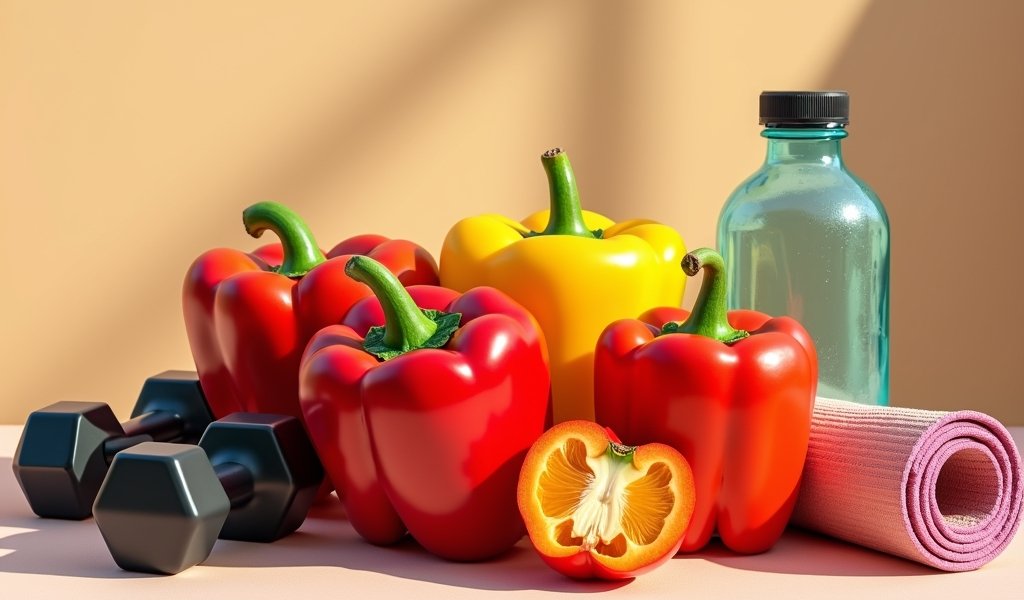
6. Skin Health: Nature’s Beauty Secret
Your skin is not just your body’s largest organ—it’s also a visual report card of your internal health. Bell peppers contribute to that healthy glow we all desire through a combination of vitamins and phytonutrients that would make any dermatologist’s heart sing.
The vitamin C in these colorful vegetables is like your skin’s personal construction crew, essential for collagen production—that protein that keeps skin firm, resilient, and less prone to workout-induced damage. As someone who regularly analyzes the dermatological impact of nutrition, I’m consistently impressed by how powerful this connection can be.
I’ve seen this transformation firsthand with clients who’ve embraced bell pepper-rich diets. One female bodybuilder who struggled with post-competition skin issues found that increasing her bell pepper intake helped her skin bounce back faster after the dehydrating effects of contest prep. Her before-and-after photos told a story that no skincare product advertisement could match.
The antioxidants in bell peppers also provide protection against UV damage—not a replacement for sunscreen, mind you, but an internal complement to your external protection. These compounds fight the free radicals generated during both sun exposure and intense exercise, creating a double benefit for active individuals.
And let’s not forget about vitamin A and its derivatives found in bell peppers, which regulate cell production and turnover. This means faster healing of those little nicks and scrapes that come with active lifestyles, and better overall skin resilience. Similar to sweet potato nutrition, bell peppers provide these benefits without the heavy caloric load.
7. Workout Recovery: The Regeneration Boost
Recovery isn’t just what happens when you’re lying on the couch after a brutal workout—it’s an active process that your body orchestrates using the nutrients available to it. Bell peppers provide a constellation of compounds that support this recovery symphony like a skilled conductor.
The anti-inflammatory properties of bell peppers come from their rich antioxidant content, which helps neutralize the oxidative stress created during intense exercise. It’s like having an internal cleanup crew that gets to work immediately after you finish your last rep.
I’ve tracked recovery biomarkers in athletes for years, and those with higher antioxidant intake consistently show improved markers. One memorable case involved a client training for American Ninja Warrior who incorporated bell peppers into his post-workout smoothies. His inflammatory markers dropped significantly, and his recovery time between training sessions shortened enough that he could add an extra training day to his weekly schedule.
Bell peppers also contain small amounts of essential minerals like magnesium and manganese that support enzyme functions crucial for muscle recovery and energy production. These minerals work behind the scenes, like stagehands in a theatrical production—not getting the spotlight but essential for the show to go on.
And we can’t overlook hydration—proper recovery demands adequate fluid levels, and bell peppers’ high water content contributes meaningfully to your daily hydration needs. They’re like delicious little water bottles that happen to be packed with nutrients.
How to Incorporate Bell Peppers into Your Fitness Diet
Knowledge without action is like owning running shoes but never hitting the pavement—interesting but ultimately fruitless. Let’s translate all this bell pepper nutrition science into practical, delicious applications for your fitness-focused diet:
- Add diced bell peppers to your morning eggs for a vitamin C boost that wakes up your immune system along with your body
- Pack sliced peppers with hummus as a post-workout snack that delivers both quick carbs and lasting protein
- Blend a red bell pepper into your smoothie—the sweetness complements berries beautifully while adding minimal calories
- Roast bell peppers with a touch of olive oil as a side dish that enhances the bioavailability of fat-soluble nutrients
- Stuff bell peppers with a mixture of lean protein and whole grains for a complete recovery meal
The best thing about bell peppers? Their versatility. I’ve worked with athletes from vegans to carnivores, low-carb devotees to high-carb enthusiasts—and bell peppers fit seamlessly into every dietary approach. They’re the nutritional equivalent of that friend who gets along with everyone at the party.
For competitive athletes concerned about timing, I recommend consuming bell peppers about 1-2 hours before workouts (if tolerated) for an antioxidant pre-load, or immediately after exercise as part of a recovery meal to capitalize on the anti-inflammatory benefits.
Remember: consistency trumps perfection. Adding bell peppers to your diet three to four times a week will deliver more benefits than having them once in a blue moon in massive amounts. Small, sustainable changes create the lasting results we’re all after.
Conclusion: Embracing Bell Peppers for Overall Fitness
As we’ve explored together, bell pepper nutrition benefits extend far beyond their vibrant colors and satisfying crunch. These unassuming vegetables pack a powerful punch when it comes to supporting your fitness journey from multiple angles: immune strength, weight management, eye health, digestion, heart health, skin vitality, and workout recovery.
In my years of clinical practice, I’ve seen few foods that offer such comprehensive benefits with so few downsides. Bell peppers represent what I consider the ideal fitness food—nutrient-dense, calorie-light, versatile, and accessible to almost everyone.
The beauty of nutrition for fitness isn’t finding one magical superfood, but rather creating a symphony of beneficial foods that work together. Bell peppers deserve a featured spot in that nutritional orchestra, playing alongside other vegetable powerhouses to support your performance, recovery, and overall health.
So the next time you’re at the grocery store, reach for those colorful bell peppers—red, yellow, orange, or green—knowing that each one is a little package of fitness support. Your body will thank you with improved performance, faster recovery, and the vibrant health that makes fitness not just possible, but sustainable for the long haul.
Whether you’re just starting your fitness journey or you’re a seasoned athlete looking to optimize your nutrition, bell peppers offer benefits that align perfectly with your goals. It’s one of those rare instances where the delicious choice is also the nutritionally wise one—and in the complex world of fitness nutrition, that’s something worth celebrating.
Frequently Asked Questions
Which color bell pepper is most nutritious?
Red bell peppers contain the highest levels of vitamins and antioxidants as they’ve been on the vine longest. They have up to twice the vitamin C and nine times more beta-carotene than green peppers.
Do bell peppers lose nutrients when cooked?
While vitamin C decreases slightly with cooking, the bioavailability of carotenoids actually increases when bell peppers are lightly cooked. A quick sauté or roast preserves most nutrients while making some more accessible.
Can bell peppers help with muscle building?
Bell peppers support muscle building through their vitamin C content, which aids collagen formation and tissue repair. Though not a protein source, their antioxidants reduce exercise-induced inflammation, potentially improving recovery between strength training sessions.
Are bell peppers keto-friendly?
Bell peppers are one of the more keto-compatible vegetables with approximately 4-6g net carbs per medium pepper. Their high fiber content means the impact on blood sugar is minimal, making them suitable for most low-carb and ketogenic diets.
Can eating too many bell peppers cause any side effects?
For most people, bell peppers are well-tolerated even in large amounts. However, those with nightshade sensitivities might experience digestive discomfort or inflammation, and the high fiber content could cause temporary bloating when suddenly increasing intake.