

Overview
Like a pitcher who needs more than just a fastball, baseball success requires mastering seven key lifestyle elements: strategic nutrition, periodized training, effective recovery, mental conditioning, quality sleep, proper hydration, and consistent habits. This holistic approach transforms talented players into exceptional athletes by optimizing everything that happens off the field—proving that in baseball, as in life, it’s what you do when no one’s watching that ultimately determines your performance under the lights.
Table of Contents
- Introduction to the Baseball Lifestyle
- Nutrition: Fueling the Baseball Machine
- Training Beyond the Diamond: Year-Round Fitness
- Recovery Strategies for Baseball Players
- Mental Conditioning: The Winning Mindset
- Sleep Optimization for Peak Performance
- Hydration Protocols for Baseball Athletes
- Conclusion: Mastering Your Baseball Lifestyle
Introduction to the Baseball Lifestyle
The baseball lifestyle encompasses far more than just nine innings on the diamond. As a sports medicine specialist who’s worked with players at all levels, I’ve witnessed firsthand how comprehensive health and fitness practices transform good players into exceptional athletes. Baseball demands a unique combination of explosive power, endurance, mental fortitude, and technical skill—all elements that must be cultivated intentionally.
Today’s competitive environment requires baseball players to adopt a holistic approach to their health and performance. Gone are the days when talent alone could carry you through a season. Modern players understand that what happens off the field often determines success on it.
The following seven evidence-based strategies represent the cornerstone habits that consistently produce results for my baseball clients. Whether you’re a high school prospect, college athlete, or weekend warrior, implementing these practices will elevate your game while promoting long-term health and longevity in the sport.
Nutrition: Fueling the Baseball Machine
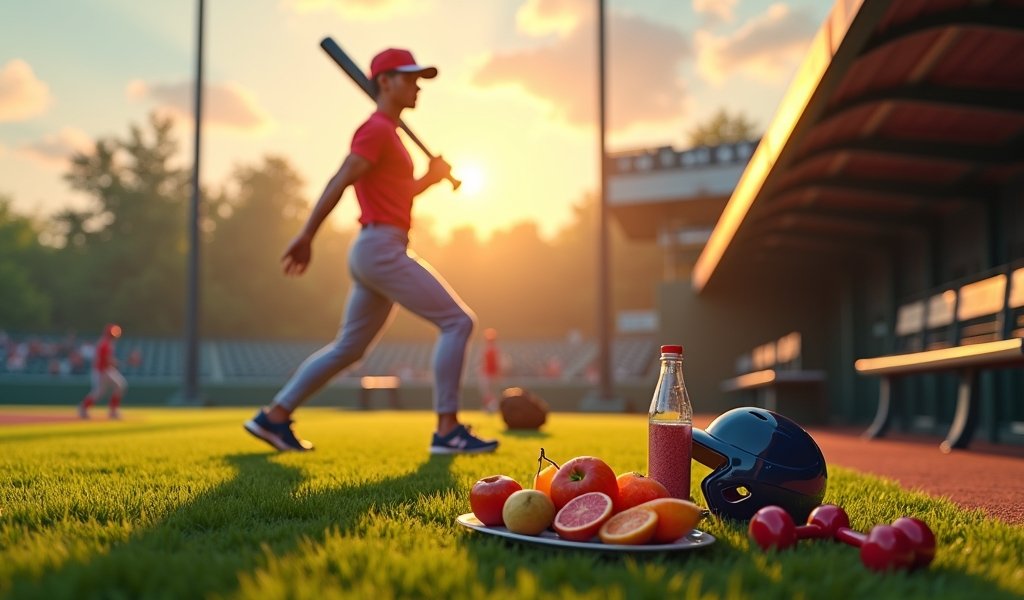
Proper nutrition forms the foundation of the baseball lifestyle, yet it remains one of the most neglected aspects among developing players. Baseball’s unique energy demands require strategic fueling practices that differ from many other sports. The intermittent nature of gameplay—bursts of intense activity followed by recovery periods—necessitates a nutrition approach that supports both explosive performance and endurance.
Protein intake becomes particularly crucial for baseball players. Research from the American Orthopedic Society for Sports Medicine suggests that athletes in power sports should consume 1.6-2.0 grams of protein per kilogram of body weight daily. For a 180-pound player, that translates to approximately 130-165 grams of protein distributed throughout the day.
Carbohydrate timing represents another critical nutritional strategy. Pre-game meals should include complex carbohydrates 3-4 hours before first pitch—options like sweet potatoes, whole grain pasta, or brown rice provide sustained energy. During multi-game tournaments, quick-digesting carbohydrates become essential between contests:
- Fruit smoothies with added protein
- Rice cakes with honey or jam
- Electrolyte drinks with added carbohydrates
- Easily digestible energy bars (check sugar content)
Micronutrients play an underappreciated role in baseball performance. Vitamin D deficiencies, common among athletes who train indoors during off-seasons, can significantly impact power production and recovery. Similarly, adequate magnesium intake supports muscle function and nervous system regulation—critical for the fine motor control baseball demands.
Anti-inflammatory foods should feature prominently in a baseball player’s diet. Berries, fatty fish, turmeric, and leafy greens can help combat the inflammation that naturally occurs during high-intensity training and competition. This nutritional approach supports faster recovery and reduces injury risk over the long season.
Training Beyond the Diamond: Year-Round Fitness
The baseball lifestyle demands a sophisticated approach to physical training that extends well beyond traditional practice. Baseball-specific periodization—organizing training into strategic phases throughout the year—can dramatically enhance performance while reducing injury risk. Most elite players now follow a four-phase approach:
Off-Season Foundation Building (8-12 weeks)
The off-season represents your greatest opportunity for physical development. During this phase, focus on building raw strength, addressing imbalances, and developing work capacity. A properly designed program should include:
- Compound movements like squats, deadlifts, and presses
- Rotational power development using medicine balls
- Extensive mobility work for shoulders, hips, and thoracic spine
- Higher volume, moderate intensity training (3-4 sets of 8-12 reps)
Research published in the Journal of Strength and Conditioning Research demonstrates that baseball players who emphasize posterior chain development during the off-season experience fewer shoulder and elbow injuries during the competitive season.
Pre-Season Power Phase (4-6 weeks)
As the season approaches, training should shift toward converting strength gains into usable power. This phase typically involves:
- Olympic lifting variations or kettlebell ballistics
- Plyometric work focusing on rate of force development
- Position-specific movement patterns at high intensity
- Lower volume, higher intensity (3-4 sets of 3-6 reps)
During this phase, baseball-specific skills practice should gradually increase while maintaining the power training foundation. The goal is to enter the season at peak physical capacity while fully prepared from a skill perspective.
In-Season Maintenance (Throughout Competitive Season)
The in-season training approach must balance the need to maintain physical qualities with the recovery demands of competition. Successful baseball lifestyle maintenance during this phase typically involves:
- Two weekly strength sessions (25-35 minutes each)
- Focus on maintaining, not building capacity
- Emphasis on recovery modalities between games
- Careful monitoring for signs of overtraining or fatigue
Smart players understand that in-season training isn’t about making significant gains—it’s about preventing the performance decline that naturally occurs with the stress of competition. Even two brief, targeted sessions per week can maintain the physical foundation built in the off-season.
Recovery Strategies for Baseball Players
The baseball lifestyle places unique recovery demands on athletes. The sport’s combination of high-velocity throwing, explosive movements, and potential for daily competition creates significant tissue stress. Implementing strategic recovery protocols separates elite performers from their peers over the course of a long season.
Cold therapy remains one of the most effective recovery tools for baseball players. Research from the American College of Sports Medicine indicates that post-activity cold water immersion (50-59°F for 10-15 minutes) can significantly reduce inflammation and accelerate recovery, particularly for pitchers and players in demanding defensive positions.
Compression garments have gained popularity among baseball players for good reason. Studies show that wearing medical-grade compression on the lower body for 6-8 hours post-game can enhance blood flow, reduce muscle soreness, and accelerate the clearance of metabolic waste products. Many professional players now travel in compression gear between games.
Active recovery protocols should be implemented strategically throughout the season. These low-intensity movement sessions might include:
- Light swimming or water-based movement
- Gentle cycling at conversational pace
- Dynamic mobility circuits
- Foam rolling and self-myofascial release techniques
The timing of recovery methods matters tremendously. Immediate post-game practices should focus on reducing inflammation and promoting blood flow. Twenty-four hours post-game, the emphasis shifts toward tissue mobilization and addressing specific areas of tightness. Recovery should be planned as methodically as training itself.
Mental Conditioning: The Winning Mindset
The mental aspect of the baseball lifestyle often determines the ceiling of an athlete’s potential. The game’s inherent failures—even the best hitters fail seven out of ten times—create a psychological challenge unlike most other sports. Developing mental resilience becomes as important as physical conditioning.
Pre-performance routines create psychological safety in a variable environment. Research from sports psychologists suggests that consistent pre-pitch, pre-at-bat, or pre-inning routines help athletes maintain focus and regulate arousal levels. These routines should be:
- Brief enough to maintain game flow
- Replicable regardless of situation
- Focused on process rather than outcome
- Inclusive of both physical and mental components
Visualization techniques have demonstrated remarkable effectiveness for baseball performance. A study published in the Journal of Applied Sport Psychology found that batters who regularly practiced visualization techniques improved their batting averages significantly compared to control groups.
Implementing a proper visualization practice involves:
- Creating multi-sensory mental images (sight, sound, feel)
- Visualizing both successful outcomes and recovery from failure
- Practicing visualization daily (10-15 minutes)
- Incorporating game-like stress into mental scenarios
Stress management becomes particularly crucial in the baseball lifestyle given the sport’s daily grind. Techniques like mindfulness meditation, controlled breathing, and cognitive reframing help players maintain composure during high-pressure situations. Even brief daily mindfulness practices have been shown to improve attention and reduce anxiety.

Sleep Optimization for Peak Performance
Sleep represents the most powerful—yet most frequently neglected—performance enhancer available to baseball players. The baseball lifestyle, with its travel demands, varying game times, and post-game adrenaline, creates unique challenges to healthy sleep patterns. Yet the research is unequivocal: sleep quality directly impacts reaction time, decision-making, and physical recovery.
Studies from the National Sleep Foundation demonstrate that athletes who obtain less than 8 hours of sleep show measurable decreases in reaction time and accuracy—both critical components of baseball performance. Elite players should target 8-10 hours of quality sleep nightly.
Sleep consistency proves nearly as important as duration. Maintaining consistent bed and wake times—even on off days—helps regulate your circadian rhythm. This consistency is particularly challenging during road trips and schedule changes, but players who prioritize it report better energy levels and performance metrics.
Practical strategies for improving sleep quality include:
- Creating a completely dark, cool (65-68°F) sleeping environment
- Avoiding blue light from screens 60-90 minutes before bed
- Implementing a consistent pre-sleep routine
- Using white noise to mask environmental disturbances
- Limiting caffeine intake after 2 PM
Travel sleep strategies become essential for the baseball lifestyle, especially at competitive levels. Techniques like strategic napping (20-30 minutes), temporary light therapy, and carefully timed melatonin supplementation can help maintain performance during challenging travel schedules. Always consult healthcare providers before beginning any supplementation protocol.
Hydration Protocols for Baseball Athletes
Proper hydration represents a frequently overlooked pillar of the baseball lifestyle. Even mild dehydration (1-2% of body weight) negatively impacts power output, cognitive function, and thermoregulation—all critical factors in baseball performance. This becomes particularly important during hot weather competition and multi-game tournaments.
Individualized hydration strategies work best for baseball players. Research indicates that sweat rates and electrolyte composition vary significantly between individuals. Many elite teams now conduct sweat testing to determine precise fluid and electrolyte replacement protocols for each athlete.
Practical hydration guidelines for baseball players include:
- Begin games fully hydrated (urine should be pale yellow)
- Consume 16-20 oz of fluid 2-3 hours before activity
- Drink 7-10 oz of fluid every 15-20 minutes during activity
- Replace 150% of fluid lost post-activity (weigh before and after)
Electrolyte replacement becomes particularly important during tournaments, doubleheaders, or hot weather play. Plain water proves insufficient for lengthy competitions, as sodium, potassium, and magnesium losses must also be addressed. Commercial sports drinks provide basic electrolyte replacement, but many elite players benefit from more customized approaches based on their personal sweat analysis.
Hydration timing significantly impacts performance. The baseball lifestyle should include strategic pre-hydration before competitions, consistent fluid intake during games (especially for catchers and pitchers), and aggressive rehydration immediately following activity. This systematic approach prevents the cumulative dehydration that often plagues players during tournament play.
Conclusion: Mastering Your Baseball Lifestyle
The baseball lifestyle extends far beyond practice and games—it encompasses a comprehensive approach to health and performance that touches every aspect of daily living. By implementing these seven evidence-based strategies, players can maximize their potential while ensuring long-term health and enjoyment of the game.
Remember that consistency trumps perfection in the baseball lifestyle. Small, sustainable improvements across nutrition, training, recovery, mental conditioning, sleep, and hydration compound over time to create remarkable performance gains. The athletes who reach their potential rarely make dramatic changes overnight; instead, they methodically build habits that support excellence.
Whether you’re a developing youth player, a college prospect, or a dedicated adult competitor, these strategies provide a roadmap for baseball lifestyle optimization. Apply them deliberately, monitor your results, and adjust as necessary. The diamond rewards those who prepare thoroughly—both on and off the field.
Frequently Asked Questions
What’s the most important aspect of the baseball lifestyle for young players?
For young players, developing fundamental movement skills and enjoying the game should take priority. Focus on multi-sport participation, basic nutrition habits, and adequate sleep rather than specialized training too early.
How should nutrition change during tournament weekends?
During tournaments, focus on quick-digesting carbohydrates between games, consistent protein intake, and aggressive hydration. Portable options like fruit, jerky, trail mix, and electrolyte drinks work best in tournament settings.
Can the baseball lifestyle principles work for recreational adult players?
Absolutely, though they should be scaled appropriately. Weekend warriors benefit tremendously from these strategies with adjustments for recovery needs, training frequency, and realistic nutritional approaches.
How much should pitchers adjust their lifestyle compared to position players?
Pitchers require additional recovery protocols, particularly for their throwing arm, and often benefit from more aggressive anti-inflammatory nutrition. Their training should emphasize rotational stability and shoulder health more prominently than other positions.
What’s the biggest mistake players make regarding the baseball lifestyle?
The most common mistake is prioritizing skill practice while neglecting the foundational health habits that support performance. No amount of batting practice can overcome poor sleep, inadequate nutrition, or ineffective recovery strategies.