
Overview
This article presents seven targeted exercises for relieving back and hip pain, including pelvic tilts, glute bridges, bird dog, cat-cow stretch, hip flexor stretch, piriformis stretch, and wall sits—a much more enjoyable approach than just popping pills until your liver waves a tiny white flag. The exercises work by strengthening stabilizing muscles, improving blood flow and flexibility, and restoring proper movement patterns, with complementary advice on creating a consistent routine, proper sleep positioning, and anti-inflammatory nutrition for long-term pain management.
Table of Contents
- Understanding Back and Hip Pain
- Why Exercise Works for Back and Hip Pain
- Before You Start: Safety Considerations
- Exercise 1: Pelvic Tilts
- Exercise 2: Glute Bridges
- Exercise 3: Bird Dog
- Exercise 4: Cat-Cow Stretch
- Exercise 5: Hip Flexor Stretch
- Exercise 6: Piriformis Stretch
- Exercise 7: Wall Sits
- Creating Your Exercise Routine
- Complementary Approaches
- Conclusion
- Frequently Asked Questions
Back and hip pain affects millions of Americans, with studies showing that up to 80% of us will experience significant back pain at some point in our lives. If you’re currently wincing while reading this, you’re not alone. I’ve spent over 15 years helping patients overcome these exact issues, and I’ve seen firsthand how the right exercises can transform lives.
The connection between back and hip pain isn’t just coincidental—these areas work as a team, sharing the load of supporting your body and enabling movement. When one area suffers, the other often follows suit, creating a frustrating cycle of discomfort.
The good news? You don’t have to resign yourself to a lifetime of pain. The seven exercises I’ll share today have helped countless patients reclaim their mobility and get back to doing what they love—without reaching for pain medication every few hours.
Understanding Back and Hip Pain
Back and hip pain often travel together like unwelcome companions. Your hips and lower back function as a team, with each area influencing the other’s performance. When your hip flexors tighten from too much sitting, they can tilt your pelvis forward, straining your lower back. Similarly, weak core muscles can force your hip muscles to overcompensate.
Common causes of this painful partnership include:
- Sedentary lifestyle (the infamous “desk job doom”)
- Muscle imbalances between the front and back of the body
- Poor posture during daily activities
- Age-related changes to joints and tissues
- Previous injuries that altered movement patterns
- Inflammatory conditions like arthritis
Research published in the Journal of Orthopedic & Sports Physical Therapy confirms that targeted exercises addressing both the back and hips provide more significant pain relief than approaches focusing on just one area. This integrated approach recognizes that our bodies don’t operate as isolated parts but as interconnected systems.
Why Exercise Works for Back and Hip Pain
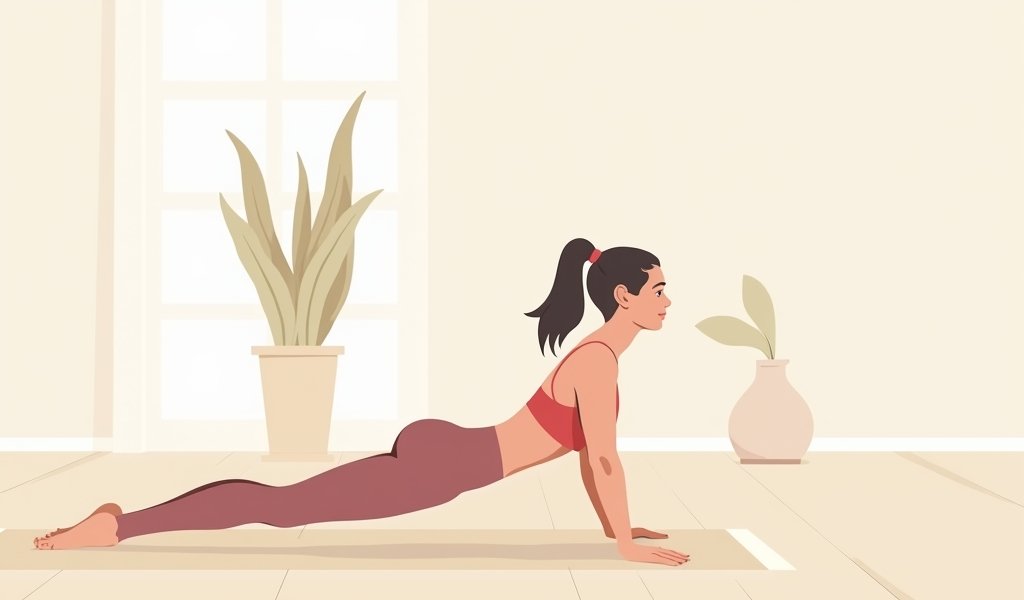
It might seem counterintuitive to move more when you’re in pain, but targeted exercise works through multiple powerful mechanisms:
- Strengthens key stabilizing muscles that support your spine and hips
- Improves blood flow to injured tissues, accelerating healing
- Releases endorphins, your body’s natural pain relievers
- Restores proper movement patterns that reduce joint stress
- Increases flexibility in chronically tight areas
A landmark study from the University of Sydney found that exercise therapy reduced the risk of back pain recurrence by 35% and reduced sick leave by 78% compared to usual care. That’s better than most medications can promise—without the side effects!
The exercises I’m sharing today aren’t random—they’re specifically chosen to address the most common muscle imbalances and movement deficits I see in patients with back and hip pain. Each one serves a strategic purpose in rebuilding a foundation for pain-free movement.
Before You Start: Safety Considerations
Before diving into these exercises, let’s cover some important safety guidelines to ensure you’re helping—not hurting—your recovery process.
First, consult with your healthcare provider if you have:
- Pain that radiates down your legs
- Severe or worsening pain, especially at night
- Recent injuries or surgeries
- Unexplained weight loss accompanying your pain
- Difficulty with bladder or bowel function
During any exercise, stop immediately if you experience:
- Sharp, shooting pain (as opposed to a gentle stretch sensation)
- Numbness or tingling
- Increased pain that persists after the exercise
Remember, these exercises are about healing, not competing. Start with fewer repetitions than suggested if needed, and focus on proper form rather than pushing through pain. Progress should be measured in weeks, not days, as your body adapts and strengthens.
Consider working with a physical therapist initially if you’re unsure about form or appropriate progression. As an expert in physical wellness, I’ve found that even one or two professional sessions can make a tremendous difference in exercise effectiveness.
Exercise 1: Pelvic Tilts
Let’s start with the foundation of all back and hip movement: the pelvic tilt. This gentle exercise reconnects your brain with the deep core muscles that stabilize your spine and pelvis.
How to perform:
- Lie on your back with knees bent and feet flat on the floor, hip-width apart.
- Notice the natural arch in your lower back (you should be able to fit a small hand between your back and the floor).
- Gently tighten your abdominal muscles and press your lower back into the floor, tilting your pelvis backward.
- Hold for 3-5 seconds, focusing on the sensation of your core engaging.
- Release back to neutral without arching excessively.
Why it works: Pelvic tilts activate your transverse abdominis—the body’s natural corset—while teaching proper pelvic positioning. This simple movement decompresses irritated spinal joints and relieves pressure on sensitive nerves.
Prescription: 10-15 repetitions, twice daily. Focus on smooth, controlled movements rather than rushing through repetitions.
Exercise 2: Glute Bridges
Your glutes are the powerhouse muscles that support both your back and hips. Unfortunately, hours of sitting can turn these mighty muscles into sleepy bystanders. Glute bridges wake them up and get them back on duty.
How to perform:
- Lie on your back with knees bent and feet flat on the floor, hip-width apart.
- Tighten your abdominal muscles slightly to stabilize your pelvis.
- Press through your heels (not your toes) and lift your hips toward the ceiling.
- At the top, your body should form a straight line from shoulders to knees.
- Squeeze your glutes firmly at the top position.
- Lower slowly with control.
Why it works: Glute bridges strengthen the gluteal muscles that support proper pelvic alignment while simultaneously stretching the hip flexors—addressing two common problems with one exercise. Regular activation of these muscles improves walking mechanics and reduces strain on your lower back.
Prescription: 2 sets of 10 repetitions, holding the top position for 2-3 seconds. As you progress, aim for 3 sets of 15 repetitions.
Exercise 3: Bird Dog
The bird dog exercise might make you feel a bit uncoordinated at first, but stick with it—it’s one of the most effective movements for building core stability while training your brain and body to work together.
How to perform:
- Begin on hands and knees with wrists under shoulders and knees under hips.
- Engage your core by drawing your navel slightly toward your spine.
- Simultaneously extend your right arm forward and left leg backward.
- Focus on keeping your hips level (imagine balancing a glass of water on your lower back).
- Hold for 3-5 seconds, maintaining stability rather than height.
- Return to the starting position with control.
- Repeat with the opposite arm and leg.
Why it works: The bird dog trains anti-rotation stability—your body’s ability to resist twisting forces that often trigger back pain. It activates the entire posterior chain while teaching coordination between upper and lower body movements.
Prescription: Start with 5-8 repetitions on each side, building to 12-15 repetitions as your strength improves.
Exercise 4: Cat-Cow Stretch
If your spine could choose a favorite exercise, cat-cow would likely top the list. This flowing movement improves mobility segment by segment throughout your entire back while gently massaging spinal discs.
How to perform:
- Begin on hands and knees with wrists under shoulders and knees under hips.
- For “cow,” inhale as you drop your belly toward the floor and lift your tailbone and head, creating a gentle arch in your back.
- For “cat,” exhale as you round your spine toward the ceiling, tucking your tailbone and drawing your chin toward your chest.
- Move smoothly between these positions, synchronizing your breath with movement.
Why it works: Cat-cow mobilizes the entire spine in flexion and extension while improving circulation to spinal discs and surrounding tissues. This gentle movement helps maintain the health of spinal joints and can relieve pressure on compressed nerves.
Prescription: 10-15 complete cycles, performed daily. This is an excellent “first thing in the morning” exercise to relieve overnight stiffness.
Exercise 5: Hip Flexor Stretch

Tight hip flexors are epidemic in our sitting-obsessed society. These muscles connect your spine to your legs, and when they shorten, they pull your pelvis forward, creating excessive arch in your lower back. This simple stretch provides immediate relief.
How to perform:
- Kneel on one knee with the other foot flat on the floor in front of you (like a proposal position).
- Keep your back knee directly under your hip and front knee over your ankle.
- Tuck your pelvis slightly under (similar to the pelvic tilt) to prevent excessive arching.
- Gently shift your weight forward until you feel a stretch in the front of your back hip/thigh.
- For deeper stretch, raise the arm on the same side as your back leg overhead.
- Hold for 30 seconds while breathing deeply.
Why it works: This stretch directly targets the psoas and iliacus muscles that become shortened from prolonged sitting. Releasing this tension takes pressure off your lumbar spine and allows your pelvis to return to neutral alignment.
Prescription: Hold for 30-45 seconds on each side, repeating 2-3 times. This stretch is particularly beneficial after long periods of sitting or as part of your evening routine.
Exercise 6: Piriformis Stretch
The piriformis is a small but mighty muscle deep in your buttock that can cause outsized pain when tight. It’s notorious for irritating the sciatic nerve, creating pain that can radiate down your leg. This stretch provides targeted relief.
How to perform:
- Lie on your back with knees bent and feet flat on the floor.
- Cross your right ankle over your left knee, creating a “figure 4” shape.
- Grasp behind your left thigh and gently pull toward your chest.
- Keep your head, shoulders, and back relaxed on the floor.
- Feel the stretch in your right buttock region.
- Hold for 30 seconds, focusing on relaxed breathing.
- Switch sides and repeat.
Why it works: The piriformis stretch targets a key muscle that can compress the sciatic nerve when tight. Regularly stretching this area helps prevent sciatic pain while improving hip rotation—a movement that’s crucial for walking, climbing stairs, and many daily activities.
Prescription: Hold for 30 seconds on each side, repeating 2 times. For persistent sciatic pain, consider working up to 60-second holds.
Exercise 7: Wall Sits
Wall sits build endurance in the leg muscles that support your pelvis and spine throughout the day. Think of this as functional training for real-life activities that require a stable core and strong lower body.
How to perform:
- Stand with your back against a wall, feet shoulder-width apart and about 2 feet from the wall.
- Slide down the wall until your knees are bent at approximately 90 degrees (like sitting in an invisible chair).
- Keep your knees directly over your ankles, not pushed forward past your toes.
- Maintain your back flat against the wall.
- Hold the position while breathing normally.
Why it works: Wall sits build isometric strength in the quadriceps, hamstrings and glutes—all crucial muscles for maintaining proper pelvic alignment. This exercise trains postural endurance, helping you maintain proper alignment during prolonged standing or walking.
Prescription: Begin with 15-second holds, working up to 60 seconds. Perform 3 repetitions with 30-second rest periods between each. Aim for 3-4 sessions weekly.
Creating Your Exercise Routine
Now that you understand the exercises, let’s put them together into a practical routine. Consistency trumps intensity when it comes to back and hip pain relief. A moderate approach performed regularly will yield better results than occasional intense sessions.
For beginners or during acute pain flare-ups:
- Start with just exercises 1, 4, and 5 (Pelvic Tilts, Cat-Cow, Hip Flexor Stretch)
- Perform once daily, with gentle, controlled movements
- Focus on breathing and proper form
- Add one new exercise every 3-4 days as comfort allows
For a maintenance routine (once pain has diminished):
- Perform all seven exercises 3-4 times weekly
- Complete the sequence in the order presented
- Gradually increase repetitions as your strength improves
- Consider adding the mini-sequence of Pelvic Tilts, Cat-Cow and Hip Flexor Stretch daily
Remember, this isn’t a “no pain, no gain” situation. You should feel a gentle challenge and perhaps mild discomfort with stretching, but never sharp or radiating pain. Progress at your own pace, respecting your body’s signals.
According to research published in BMC Musculoskeletal Disorders, performing therapeutic exercises consistently for 6-8 weeks typically results in significant pain reduction and functional improvement. Give yourself this timeframe before evaluating the full impact of your exercise program.
Complementary Approaches
While these exercises form the cornerstone of an effective back and hip pain management strategy, complementing them with these additional approaches can accelerate your progress:
Movement throughout the day: Break up periods of sitting every 30-45 minutes with brief movement breaks. Even 30 seconds of standing and gentle stretching can prevent stiffness from setting in.
Sleep positioning: Place a pillow between your knees when sleeping on your side to maintain proper hip alignment. If you sleep on your back, a pillow under your knees can reduce pressure on your lower back.
Mindful movement: Pay attention to how you bend, lift, and carry objects in daily life. Bend from the hips and knees rather than rounding your back, and keep heavy objects close to your body when lifting.
Anti-inflammatory nutrition: Consider incorporating foods rich in omega-3 fatty acids and antioxidants as part of a holistic guide to wellness. Research from Harvard Medical School suggests that dietary choices can significantly impact inflammation levels and pain perception.
Stress management: Chronic stress increases muscle tension and pain sensitivity. Simple breathing exercises, meditation, or even brief moments of mindfulness can help break the stress-pain cycle.
Conclusion
Living with back and hip pain doesn’t have to be your permanent reality. The seven exercises we’ve explored target the most common underlying causes of discomfort while building a foundation for better movement patterns going forward.
Remember that healing is rarely a linear process. You may experience days of significant improvement followed by temporary setbacks. This pattern doesn’t signal failure but is rather a natural part of the recovery journey. The key is consistency—showing up for yourself day after day, respecting your body’s signals while gently challenging its limitations.
Many of my patients report noticeable improvement within 2-3 weeks of beginning these exercises, with more substantial changes occurring around the 6-week mark. Your timeline may differ based on factors like age, fitness level, and the duration of your pain before starting.
By investing just a few minutes daily in these targeted movements, you’re not merely addressing symptoms—you’re retraining your body for better function and resilience. And that’s a prescription for long-term relief that no medication can provide.
Frequently Asked Questions
When should I see a doctor for back and hip pain?
See a doctor if your pain is severe, persists beyond two weeks despite rest, is accompanied by numbness or tingling, or affects bladder/bowel function. These could indicate serious conditions requiring immediate medical attention.
Can I do these exercises during a pain flare-up?
Start with just the gentlest exercises (pelvic tilts and cat-cow) during acute flare-ups, moving slowly and with reduced repetitions. Stop any exercise that increases your pain and consult your healthcare provider if discomfort persists.
How long will it take to see results from these exercises?
Most people notice some improvement within 2-3 weeks of consistent practice, with more significant changes around the 6-week mark. Your individual timeline may vary based on age, condition severity, and consistency.
Should I apply heat or ice for back pain?
Heat typically works better for chronic back pain as it relaxes muscles and increases blood flow to promote healing. Ice is generally more effective for acute injuries or inflammation within the first 48-72 hours.
Can these exercises help with sciatica?
Yes, particularly the piriformis stretch and nerve gliding exercises that target the sciatic nerve pathway. These movements can help relieve pressure on the sciatic nerve and reduce radiating pain.