

Overview
Forget your fancy Peloton and detox juices—the Amish have been quietly crushing the wellness game with horse-drawn buggies and home-cooked meals this whole time. This article explores seven health-enhancing aspects of Amish living that modern people can adapt, including physical labor instead of gym memberships, whole foods diets, strong community connections, limited technology use, nature connection, purposeful work, and consistent rest patterns—all backed by scientific research showing their benefits for physical and mental wellbeing.
Table of Contents
- The Amish Health Advantage
- Physical Labor: Nature’s Gym Membership
- Whole Foods Diet: Eating From the Land
- Community Connection: The Original Social Network
- Limited Technology: The Original Digital Detox
- Connection to Nature: The Ultimate Health Tonic
- Purposeful Work: Finding Meaning in Daily Labor
- Rest and Routine: The Rhythm of Health
- Bringing Amish Wisdom Into Modern Life
- Frequently Asked Questions
The Amish Health Advantage
In our fast-paced, technology-driven world of fitness trackers and sleep apps, we often overlook the wisdom of communities who’ve maintained exceptional health long before fitness became an industry. The Amish lifestyle, with its horse-drawn buggies and technology-free approach, might seem like a relic from another century—but their health outcomes suggest they’re onto something profound.
The statistics are compelling: Amish adults have approximately 50% lower rates of obesity than the general American population, significantly lower incidences of diabetes, and surprisingly low rates of cancer despite limited screening. Their physically active lifestyle contributes to these health benefits, with Amish men taking an average of 18,000 steps daily and women averaging 14,000—far exceeding the often-recommended 10,000 steps mark.
As a health professional, I’ve observed that the Amish approach to wellness isn’t based on trendy diets or expensive equipment. Rather, it stems from lifestyle patterns that align with our bodies’ natural needs—patterns increasingly validated by modern research. According to a study published in the Journal of Amish Health, their combination of consistent physical activity, whole foods, strong social connections, and natural living rhythms creates a powerful foundation for long-term health.
While you likely won’t be trading your car for a horse and buggy anytime soon, there are practical lessons we can extract from the Amish way of life to enhance our own health journeys. Let’s explore seven essential aspects of the Amish lifestyle that can transform your approach to fitness and health.
Physical Labor: Nature’s Gym Membership
The Amish don’t need fitness trackers or gym memberships—their daily life is a full-body workout regime. From plowing fields to building barns, their functional movements engage multiple muscle groups simultaneously throughout the day.
The average Amish person performs activities that would make a personal trainer proud: squatting to harvest vegetables, lifting hay bales (essentially deadlifts), pushing wheelbarrows, and walking significant distances between tasks. This constant, varied movement builds functional strength, cardiovascular health, and impressive endurance.
Research from the University of Michigan confirms that non-exercise activity thermogenesis (NEAT)—the energy expended during everyday activities—plays a crucial role in maintaining healthy weight and metabolism. The Amish excel at NEAT without ever using the term.
Modern Adaptation Tips:
- Take the stairs instead of the elevator whenever possible
- Park farther from store entrances to add more walking to your day
- Incorporate “movement snacks”—brief 2-3 minute activity breaks every hour
- Choose manual options over electric (hand-mixing dough, raking leaves)
- Consider a standing desk or alternating between sitting and standing
- Bike or walk for short errands instead of driving
Remember, the goal isn’t to exhaust yourself with intense labor but to avoid being stationary for extended periods. As an old Amish saying goes, “The body rusts out before it wears out.”
Whole Foods Diet: Eating From the Land
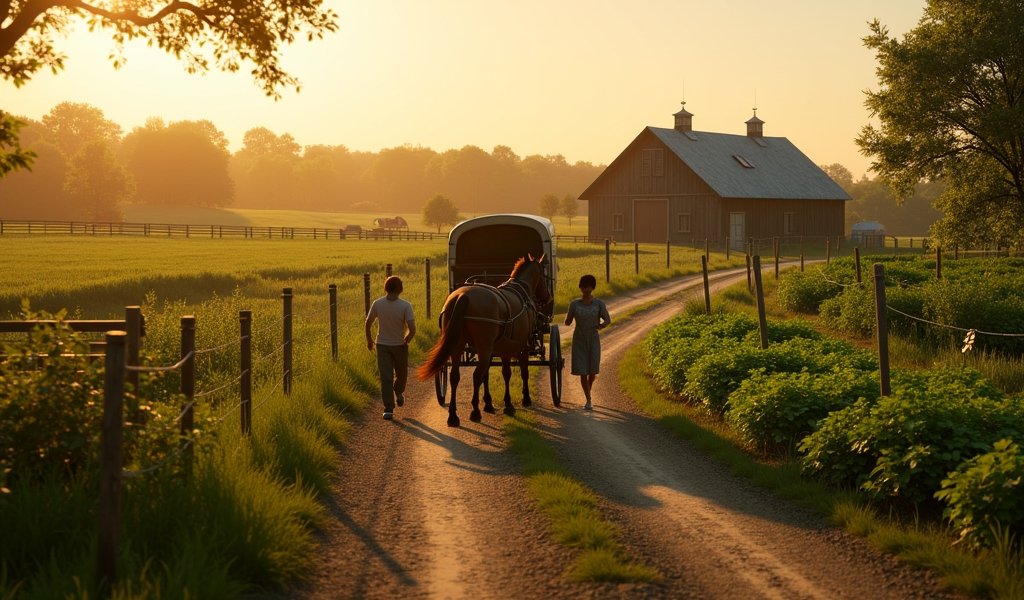
The typical Amish diet reads like a nutritionist’s dream: fresh vegetables from the garden, fruits from their orchards, whole grains, and modest amounts of farm-raised meats and dairy. Processed foods are minimal not by health choice but by lifestyle design.
Their relationship with food is direct—they typically grow what they eat and eat what they grow. Meals are prepared from scratch, preservatives are used sparingly, and sugar is considered a treat rather than a dietary staple.
What’s particularly fascinating is how the Amish approach to food naturally aligns with what nutritional science now recommends. Their diet is rich in fiber, complex carbohydrates, and micronutrients, with minimal ultra-processed foods—a pattern Harvard Health identifies as optimal for reducing chronic disease risk.
Modern Adaptation Tips:
- Shop the perimeter of grocery stores where fresh foods are typically located
- Start a small herb garden, even in a windowsill
- Prepare one additional meal from scratch each week
- Visit farmers’ markets to connect with local food sources
- Batch-prepare basics like beans, grains, or roasted vegetables
- Reduce ultra-processed foods by replacing one processed item weekly with a whole food alternative
- Learn the basics of traditional homemaking skills like bread baking or vegetable fermentation
You don’t need a 50-acre farm to benefit from whole food principles—even small changes can yield significant health improvements over time. Start by identifying the most processed items in your pantry and finding simple, whole-food replacements.
Community Connection: The Original Social Network
Long before Facebook offered “friends” and Instagram provided “followers,” the Amish mastered genuine social connection. Their barn raisings, quilting bees, and community suppers aren’t just productive activities—they’re powerful health interventions.
Research consistently shows that strong social ties correlate with longer lifespans, reduced risk of depression, and even improved immune function. The Amish practice of regularly gathering, sharing work, and supporting community members creates a social safety net that modern medicine can’t replicate with pills.
What’s particularly striking is that Amish communities report significantly lower rates of depression and anxiety disorders compared to the general population. According to research published in the Journal of Affective Disorders, this mental health advantage appears linked to their strong community bonds and sense of belonging.
Modern Adaptation Tips:
- Schedule regular face-to-face interactions with friends or family
- Join community groups based on shared interests (book clubs, hiking groups)
- Establish recurring gatherings like monthly potlucks or game nights
- Offer help to neighbors and accept assistance when needed
- Participate in community improvement projects
- Consider co-working spaces if you work remotely
- Create rituals around connecting, like Sunday dinners or coffee dates
In a world where we’re increasingly “connected” yet increasingly lonely, intentional community-building might be the most countercultural health practice of all. Even small steps toward genuine connection can yield profound benefits for your physical and mental wellbeing.
Limited Technology: The Original Digital Detox
The Amish aren’t anti-technology as much as they’re pro-discernment. Each Amish community carefully evaluates technologies based on whether they strengthen or weaken family and community bonds.
This thoughtful approach stands in stark contrast to our often-mindless adoption of every new digital tool or platform. The health benefits of their restraint are significant: better sleep without blue light exposure, reduced anxiety without constant notifications, and more present-moment awareness.
Modern research increasingly supports this cautious approach. A 2023 study from the American Psychiatric Association found that excessive screen time correlates with increased rates of anxiety, depression, and attention disorders—problems rarely reported in Amish communities.
Modern Adaptation Tips:
- Establish technology-free zones in your home (especially bedrooms)
- Create digital curfews—no screens after a certain hour
- Take a 24-hour technology sabbath weekly
- Use apps that monitor and limit screen time
- Turn off non-essential notifications
- Practice “unitasking” instead of multitasking with devices
- Keep phones out of sight during meals and conversations
You need not become Amish to benefit from their wisdom—simply bringing intentionality to your technology use can yield profound health benefits. Start by identifying your biggest digital distraction and setting one boundary around it this week.
Connection to Nature: The Ultimate Health Tonic
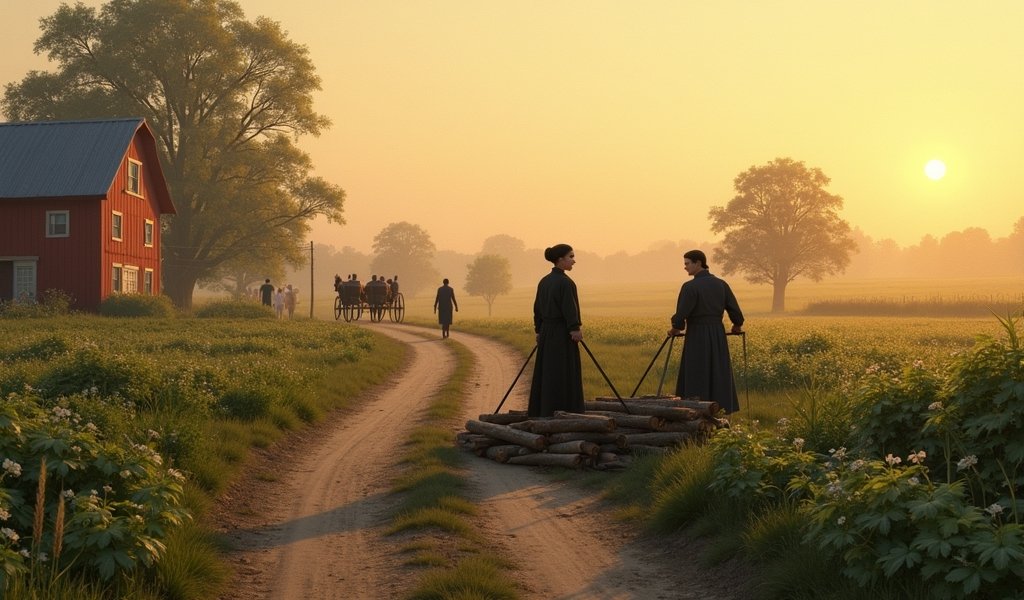
The Amish live and work outdoors by necessity, receiving benefits modern science is just beginning to understand fully. From vitamin D synthesis through sunlight exposure to the mood-boosting effects of natural environments, their outdoor lifestyle provides multiple health advantages.
Recent research on “forest bathing” (time spent in natural settings) shows reduced cortisol levels, improved immune function, and decreased symptoms of anxiety and depression—benefits the Amish receive simply by going about their daily lives.
What’s particularly fascinating is how our bodies respond to natural environments at a physiological level. A study from the International Journal of Environmental Research found that even brief exposure to natural settings lowers blood pressure, reduces stress hormone production, and improves immune function—effects that persist even after returning to indoor environments.
Modern Adaptation Tips:
- Take meetings or phone calls while walking outdoors
- Eat lunch outside when weather permits
- Open windows for fresh air circulation
- Bring natural elements indoors with houseplants
- Plan weekend activities that center around nature
- Consider gardening, even in container format
- Prioritize natural light in your home and workspace
Nature isn’t a luxury—it’s a necessity our bodies and minds crave after evolving in natural environments for millennia. Even small doses of nature can help recalibrate our nervous systems and improve overall health outcomes.
Purposeful Work: Finding Meaning in Daily Labor
The Amish approach work not merely as income generation but as an expression of purpose and identity. Whether crafting furniture, growing food, or building structures, their work connects directly to meeting human needs and provides tangible results.
This sense of purpose and craftsmanship offers significant mental health benefits. Studies show that people who find meaning in their work report higher life satisfaction and resilience against stress and burnout.
What’s striking is how the Amish view of work naturally aligns with what positive psychology research now identifies as crucial for wellbeing. According to research from the American Psychological Association, finding meaning in one’s work—regardless of the specific job—significantly reduces burnout risk and increases overall life satisfaction.
Modern Adaptation Tips:
- Identify aspects of your current work that connect to your values
- Develop craft hobbies that produce tangible items
- Look for ways to see the impact of your work on others
- Consider volunteering in areas aligned with your skills
- Set clear intentions about how your work serves others
- Take pride in quality over quantity
- Learn new skills that connect you to traditional crafts
Even in corporate environments or digital work, finding purpose isn’t about changing careers—it’s about changing perspective to recognize the meaning already present. When we connect our daily tasks to deeper values, even mundane work can become a source of satisfaction and wellbeing.
Rest and Routine: The Rhythm of Health
The Amish day typically begins and ends with the sun, creating natural circadian rhythm alignment that modern sleep science confirms is optimal for health. Their consistent routines—from meal times to rest periods—provide the body with predictability that supports metabolic health and stress management.
The Amish Sabbath observation offers another health advantage: a guaranteed weekly day of rest and recovery. This built-in recovery period provides both physical rejuvenation and mental reset.
This pattern of work and rest mirrors what chronobiology research now recommends. According to findings from the National Sleep Foundation, maintaining consistent sleep-wake cycles—even on weekends—significantly improves sleep quality, cognitive function, and hormonal balance.
Modern Adaptation Tips:
- Establish consistent sleep and wake times, even on weekends
- Create bedtime routines that signal to your body it’s time to wind down
- Limit caffeine after midday and avoid heavy meals before bedtime
- Reduce artificial light exposure in the evening
- Plan for a weekly “slow day” with minimal obligations
- Eat meals at regular times to support metabolic health
- Practice intentional transitions between work and rest
In a culture that often celebrates busyness and irregularity, the discipline of routine may feel constraining at first but ultimately creates freedom through improved health. Consider which area of rhythmic living—sleep, meals, or rest days—might benefit most from greater consistency in your life.
Bringing Amish Wisdom Into Modern Life
The beauty of these Amish-inspired health principles is their simplicity and accessibility. You don’t need expensive equipment, complicated protocols, or radical lifestyle changes to incorporate their wisdom. Small, consistent shifts in how you move, eat, connect, engage with technology, experience nature, approach work, and structure your days can yield significant health benefits over time.
As a health professional, I’ve seen patients transform their wellbeing by adopting just one or two of these principles consistently. The key is starting small—perhaps with the practice that resonates most strongly with you—and building gradually.
Remember that perfect implementation isn’t the goal; consistency is. The Amish themselves don’t strive for health perfection but rather maintain these practices as part of their cultural identity and religious values. The health benefits emerge naturally from their lifestyle patterns.
Which Amish-inspired practice will you incorporate this week? Whether it’s adding more movement to your day, preparing one more meal from scratch, establishing a technology curfew, or spending more time in nature, your body—and perhaps your community—will thank you for the wisdom of this seemingly old-fashioned but scientifically sound approach to health.
After all, as an Amish proverb reminds us: “The longer the storm lasts, the more gradually it clears.” Your health journey isn’t about overnight transformation but steady, intentional progress—one plain and simple step at a time.
Frequently Asked Questions
Do the Amish ever receive modern medical care?
Yes, most Amish communities do utilize modern medical care for serious conditions and emergencies. They typically prefer natural remedies and prevention for minor ailments but will seek professional medical treatment when necessary.
How do the Amish maintain their health without health insurance?
The Amish typically have community-based healthcare systems where members contribute to a shared fund that helps pay for medical expenses. This mutual aid approach, combined with their healthy lifestyle, helps them manage healthcare costs effectively.
What do the Amish eat for breakfast?
A typical Amish breakfast often includes eggs from their farms, homemade bread, oatmeal, or other whole grains, and seasonal fruits. They tend to eat hearty morning meals to fuel their physically active day ahead.
Do Amish children have health problems?
Amish children generally experience lower rates of allergies, asthma, and obesity compared to the general population. However, due to genetic factors in some closed communities, they can have higher rates of certain genetic disorders.
How long do Amish people typically live?
Amish people generally have life expectancies comparable to or slightly higher than the general American population. Their physically active lifestyle, strong social connections, and low rates of substance abuse contribute to their longevity.