
Overview
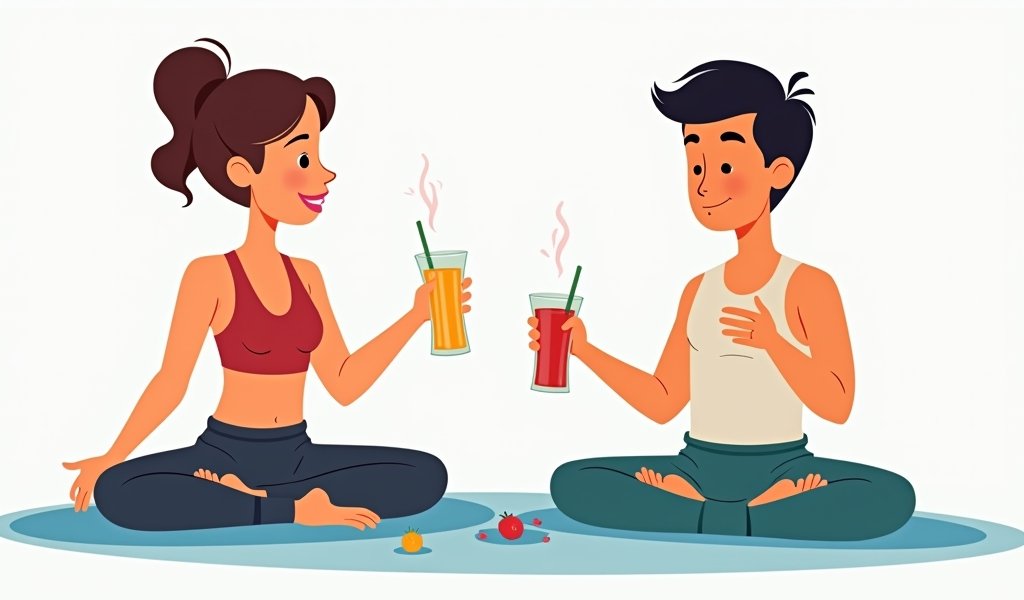
Forget your beer belly dreams—this article reveals how ditching alcohol supercharges fitness by eliminating its detrimental effects on muscle recovery, metabolism, and sleep quality. The piece outlines seven practical strategies for maintaining an alcohol-free fitness lifestyle, including creating a compelling motivation, finding tasty alternatives, developing new social routines, tracking progress, managing stress mindfully, optimizing nutrition, and building a supportive community.
Table of Contents
- Introduction
- Why Alcohol Hinders Fitness Progress
- Tip 1: Create a Compelling “Why”
- Tip 2: Find Alcohol-Free Alternatives
- Tip 3: Develop New Social Routines
- Tip 4: Track Your Progress
- Tip 5: Practice Mindful Stress Management
- Tip 6: Optimize Your Nutrition Plan
- Tip 7: Build a Support System
- Conclusion
- Frequently Asked Questions
Introduction
Fitness and alcohol simply don’t mix well. It’s a hard truth many fitness enthusiasts eventually face. That post-workout beer might seem harmless, but research tells a different story. According to the Journal of Strength and Conditioning Research, alcohol can reduce muscle protein synthesis by up to 37% – essentially pressing pause on your hard-earned gains while your body processes that happy hour choice.
The numbers don’t lie: approximately 73% of regular exercisers who embrace an alcohol-free lifestyle report significant performance improvements within just 30 days. This isn’t just anecdotal evidence – it’s a potential fitness revolution waiting to happen in your own training routine.
At Achieve Health Goals, we’ve witnessed countless fitness journeys transformed through the simple yet powerful decision to adopt an alcohol-free lifestyle. This isn’t about restriction—it’s about empowering your body to reach its ultimate potential. Let’s explore how ditching the booze can propel your fitness to new heights.
Why Alcohol Hinders Fitness Progress
Before diving into practical tips, let’s understand what we’re truly up against. Alcohol impacts your fitness in several critical ways:
First, alcohol disrupts protein synthesis—the very process that repairs and builds muscle after training. It essentially throws a wrench into your body’s natural repair mechanisms, potentially extending recovery time by up to 33% according to sports medicine research. This means those challenging workouts you’re pushing through might not be delivering their full potential return.
Your metabolism takes a significant hit too. When alcohol enters your system, your body prioritizes metabolizing it above all else. Your liver stops other tasks to deal with alcohol first—meaning that fat-burning process gets temporarily halted. Dr. Jacob Wilson, Director of the Human Performance Laboratory at the University of Tampa, describes alcohol as putting your metabolism “on hold” while your body addresses the toxin.
Perhaps most concerning is alcohol’s effect on sleep quality. While you might fall asleep faster, the quality is significantly compromised—less REM sleep and more disruptions throughout the night. Since growth hormone—critical for recovery and muscle development—is primarily released during deep sleep, alcohol essentially robs you of your body’s natural performance enhancer.

Tip 1: Create a Compelling “Why”
Like any successful journey, your alcohol-free fitness path needs a powerful motivation driving it forward. The vague “I should drink less” mentality rarely stands up against social pressure or habit. Instead, craft a “why” so compelling that declining alcohol feels like saying yes to something far more valuable.
Start by identifying specific, measurable fitness goals. Perhaps it’s completing your first marathon, adding 50 pounds to your deadlift, or finally achieving that muscle definition that’s been hiding under a layer of alcohol-induced inflammation. Write these goals somewhere visible—perhaps on your refrigerator or as your phone wallpaper.
Next, draw direct connections between these goals and your alcohol-free choices:
- “By skipping those weekend beers, I’ll have more energy for my Sunday long runs.”
- “Without alcohol’s impact on my sleep, I’ll recover better for my strength training.”
- “Eliminating those empty calories will help reveal the muscle definition I’ve been working toward.”
Remember, your “why” should evoke emotion. Logic might tell you to skip drinks, but emotion will keep you committed when temptation strikes. Visualize how you’ll feel achieving your fitness milestone and let that feeling guide your choices.
Tip 2: Find Alcohol-Free Alternatives
Living alcohol-free doesn’t mean living flavor-free or fun-free. The non-alcoholic beverage world has exploded in recent years, offering sophisticated alternatives that satisfy both taste buds and social rituals.
For social situations, arm yourself with go-to mocktail recipes. A simple “Fitness Fizz”—sparkling water, muddled berries, fresh lime, and mint—gives you something interesting to sip while others are drinking. The ritual of holding a special drink bridges the psychological gap that sometimes comes with skipping alcohol.
Non-alcoholic beers have evolved dramatically. Brands like Athletic Brewing and Heineken 0.0 offer impressive approximations of the real thing, complete with complex flavor profiles. Many contain beneficial electrolytes and fewer calories—making them recovery-friendly options after tough workouts.
For wine enthusiasts, companies like Ariel and Fre produce dealcoholized wines that maintain much of the original character. These work perfectly for special occasions when you want the experience without the performance-hindering effects.
Beyond these alternatives, consider performance-oriented options:
- Coconut water provides natural electrolytes
- Tart cherry juice aids in muscle recovery
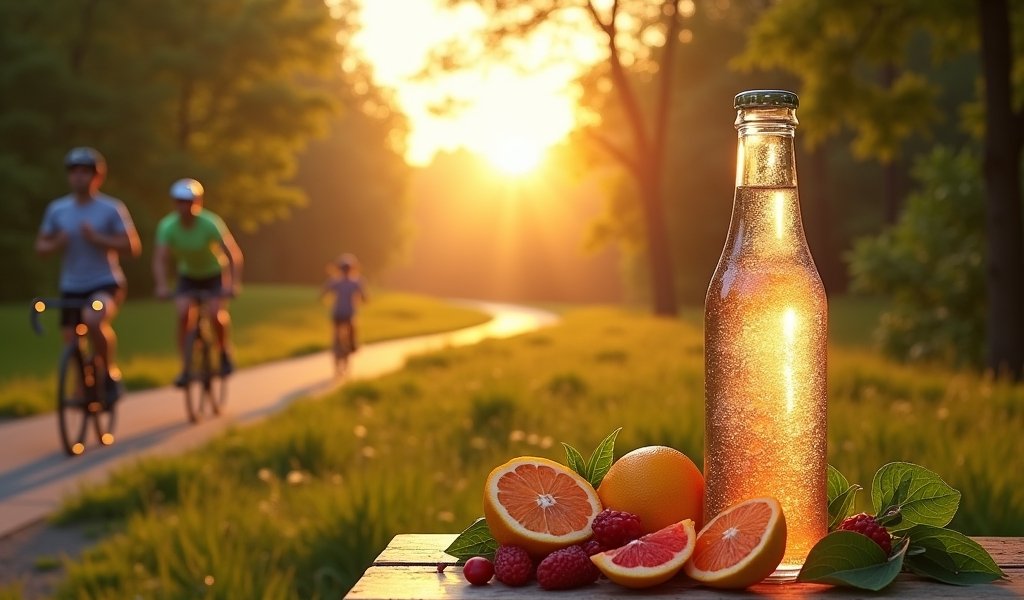
- Kombucha offers probiotics plus a complex flavor profile
- Herbal teas can provide relaxation benefits without the downsides
These functional beverages actually enhance rather than hinder your wellness journey—a true upgrade from alcohol’s effects.
Tip 3: Develop New Social Routines
Many drinking habits are deeply intertwined with our social lives. The Friday happy hour, Sunday brunch, post-game celebration—alcohol often serves as social glue. But what if we redefined what socializing looks like?
Instead of meeting friends at bars, suggest active meetups. A Saturday morning hike followed by coffee offers both exercise and connection. Rock climbing gyms, basketball games, or even walking meetings provide contexts for bonding without boozing.
Commit to morning workouts—especially on weekends. There’s nothing like a 7 AM fitness class to discourage that extra glass of wine the night before. When you’ve paid for the class and made plans to meet a workout buddy, you’ll naturally make choices that support showing up ready to perform.
Perhaps most importantly, expand your social circle to include more fitness-minded friends. As health psychologist Dr. Kelly McGonigal notes, we unconsciously adopt the health behaviors of those around us. When your social circle includes people who prioritize fitness over drinking, your own choices become easier and more natural.
Tip 4: Track Your Progress
What gets measured gets managed, and what gets celebrated gets repeated. Creating visible evidence of your progress reinforces your choice to live alcohol-free.
Fitness tracking apps like Strava, MyFitnessPal, or Whoop can document the objective improvements in your performance. Many athletes report better heart rate variability, improved recovery scores, and faster running times within weeks of going alcohol-free. Seeing these changes quantified provides powerful motivation to stay the course.
Keep a simple journal noting:
- Energy levels throughout the day
- Workout performance and recovery time
- Sleep quality and morning alertness
- Mental clarity and mood patterns
Many people discover that anxiety and low mood—often attributed to other factors—diminish significantly when alcohol is removed. These non-scale victories deserve recognition.
Take progress photos every two weeks. The visual evidence of changing body composition—especially when paired with consistent training—can be striking when alcohol’s inflammatory effects and empty calories are eliminated. These photos tell a story that numbers alone cannot.
Tip 5: Practice Mindful Stress Management
Let’s acknowledge an uncomfortable truth: many of us use alcohol as a stress management tool. After a difficult day, that glass of wine can seem like the quickest path to relaxation. Without this coping mechanism, you’ll need healthier alternatives.
Meditation and breathwork offer research-backed methods for reducing stress hormones and managing cravings. Even five minutes of guided meditation can help navigate the discomfort that might previously have triggered drinking. Apps like Headspace and Calm provide excellent starting points.
Physical exercise itself is a powerful stress reliever, triggering endorphin release—nature’s mood enhancers. A quick workout or even a brisk walk can address the same emotional needs that alcohol temporarily masks, but with positive side effects instead of negative ones.
Develop an “urge surfing” practice for moments when cravings hit. Rather than fighting the urge, acknowledge it with curiosity, note the physical sensations it creates, and remind yourself that it will pass. Urges typically peak and then dissipate within 15-30 minutes when not acted upon.
Tip 6: Optimize Your Nutrition Plan
With alcohol out of the picture, you’ve opened valuable nutritional space. Now’s the time to optimize your nutrition for performance gains previously unattainable.
Strategic meal timing becomes easier without alcohol’s interference. Consider nutrient-dense pre-workout snacks (banana with almond butter) about 30-60 minutes before training, and prioritize post-workout recovery nutrition with a 3:1 carb-to-protein ratio within 30 minutes after intense exercise.
Without alcohol’s empty calories, you can better manage your macronutrient balance. Many fitness enthusiasts find they can either increase carbohydrate intake for better training energy or create a small caloric deficit for fat loss without sacrificing performance—options that alcohol consumption complicates.
Hydration improves dramatically without alcohol’s diuretic effect. Proper hydration impacts everything from joint lubrication to nutrient transport to cognitive function during workouts. Most athletes need between 0.5-1 ounce of water per pound of body weight daily, easily achievable without fighting alcohol’s dehydrating properties.
Supplements like creatine monohydrate, which has extensive research supporting its effectiveness for strength and power output, work optimally in alcohol-free systems. Research suggests alcohol may negate some of creatine’s benefits—another hidden way drinking undermines fitness progress.
Tip 7: Build a Support System
Even with the best strategies, going alcohol-free in a drinking culture presents challenges. Building a robust support system creates resilience for those inevitable difficult moments.
Online communities provide 24/7 encouragement from people who understand your journey. These forums offer both accountability and celebration of milestones that non-fitness-oriented friends might not fully appreciate. The wellness wheel includes social connections as a critical component of overall health.
Be proactive in communicating your goals to friends and family. Rather than making a big announcement that might create pressure, try simple statements: “I’m not drinking for a while—I’m seeing how it affects my training.” Most people are surprisingly supportive when they understand this is about fitness goals rather than judging their choices.
Consider working with professionals who support your alcohol-free commitment. A good personal trainer, nutritionist, or even therapist who understands the fitness-sobriety connection can provide personalized strategies. They can help you navigate social situations, manage stress triggers, and maximize the physical benefits of your alcohol-free lifestyle.
Conclusion
The path to ultimate fitness isn’t solely about protein shakes and perfect workouts—it’s built on the choices we make outside the gym. Reducing or eliminating alcohol might be the single most impactful change for your fitness journey—a change that ripples through every aspect of performance, recovery, and results.
Remember, this isn’t an all-or-nothing proposition. Even reducing alcohol consumption to special occasions can yield significant benefits. Consider starting with a 30-day alcohol-free challenge to experience the differences firsthand. Many athletes intend to return to moderate drinking after such challenges but choose to extend their alcohol-free period after experiencing the dramatic improvements.
Your body is an incredible machine designed to adapt and thrive when given the right conditions. By removing the performance-hindering effects of alcohol, you’re not restricting yourself—you’re finally giving your body the opportunity to show you what it’s truly capable of achieving.
The alcohol-free lifestyle isn’t about what you’re giving up—it’s about what you’re gaining: better recovery, improved performance, enhanced body composition, mental clarity, and ultimately, reaching fitness goals that might have seemed just out of reach before. Your ultimate fitness potential awaits—one alcohol-free day at a time.
Frequently Asked Questions
Will I lose weight just by quitting alcohol?
Many people naturally lose weight when eliminating alcohol’s empty calories and reduced metabolic interference. This effect is amplified when combined with consistent exercise and mindful eating.
How long before I notice fitness improvements after quitting alcohol?
Most people report noticeable improvements in sleep quality and workout recovery within 7-10 days. More significant performance gains typically become apparent after 3-4 weeks of alcohol-free living.
Can I still build muscle if I drink occasionally?
Occasional drinking won’t completely prevent muscle growth, but it can significantly slow the process. Even moderate alcohol consumption can reduce muscle protein synthesis by up to 24% for several hours after drinking.
What’s the best non-alcoholic alternative for social situations?
Sparkling water with lime in a rocks glass looks like a cocktail and helps avoid unwanted questions. Non-alcoholic beers and sophisticated mocktails can also provide the ritual without the negative effects.
Will my social life suffer if I stop drinking?
Your social life will change, not suffer – many people discover more meaningful connections and morning-friendly activities. True friends will support your health goals rather than pressuring you to drink.