
Overview
Turns out those inner thigh muscles are quite the drama queens when torn—requiring immediate RICE protocol (rest, ice, compression, elevation) followed by progressive rehabilitation through professional treatment and carefully staged exercises. Adductor tears typically heal in 2-12 weeks depending on severity (grades 1-3), with recovery requiring patience, appropriate exercise progression, and preventive strategies like balanced strength training, flexibility work, and core stability to avoid re-injury.
Table of Contents
- Understanding Adductor Muscle Tears
- Immediate Response to Adductor Tears
- Professional Treatment Options
- Rehabilitation Exercises
- Recovery Timeline
- Preventing Future Injuries
- Conclusion
- Frequently Asked Questions
Understanding Adductor Muscle Tears
Adductor muscle tear treatment begins with understanding what you’re dealing with. As a sports medicine physician with over 15 years of experience, I’ve seen countless athletes and active individuals struggle with this painful condition. The adductors are a group of five muscles located on your inner thigh that help pull your legs together and stabilize your pelvis during movement. When these muscles stretch beyond their capacity, tearing can occur anywhere from minor microscopic damage to complete ruptures.
These injuries commonly affect athletes who perform movements requiring quick direction changes or powerful leg extensions—think hockey players, soccer athletes, martial artists, and dancers. But you don’t need to be a professional athlete to experience an adductor tear. Even weekend warriors and fitness enthusiasts can suffer from this injury during overzealous workouts or when returning to activity after a period of inactivity.
The severity of adductor tears is typically classified into three grades. Grade 1 involves minor stretching or micro-tearing with minimal pain and functional loss. Grade 2 presents as a partial tear with moderate pain and some functional limitations. Grade 3 represents a complete rupture with severe pain, significant swelling, and inability to contract the muscle effectively. Knowing which grade you’re dealing with helps determine the appropriate treatment approach for optimal healing.
Immediate Response to Adductor Tears
The moment you suspect an adductor injury, your actions can significantly influence recovery time. The classic RICE protocol—Rest, Ice, Compression, Elevation—remains the gold standard for immediate care. But let’s break this down into practical steps you can take right away.
First, stop the activity immediately. Continuing to push through the pain can transform a minor tear into something much more serious. Next, apply ice to the affected area for 15-20 minutes every 2-3 hours during the first 48-72 hours. This helps reduce inflammation and manages pain naturally. A compression wrap applied snugly (but not too tight) around the upper thigh can help minimize swelling, while elevating your leg when possible promotes better circulation and reduces fluid buildup.
Over-the-counter anti-inflammatory medications like ibuprofen can help manage pain and reduce inflammation during these early days. However, research suggests that prolonged use might actually impede the natural healing process by suppressing important inflammatory responses. Use these medications judiciously and ideally under professional guidance.
While these immediate measures are important, they’re just the beginning of proper adductor muscle tear treatment. The severity of your injury will determine whether self-care is sufficient or if professional intervention is necessary. When in doubt, err on the side of caution—seeking early professional evaluation often leads to faster recovery times and more complete healing.
Professional Treatment Options
Seeking professional care for adductor injuries opens the door to specialized treatments that can significantly accelerate healing. Your first step should be proper diagnosis—typically through a combination of physical examination and, in some cases, imaging studies like ultrasound or MRI to determine the exact location and severity of the tear.
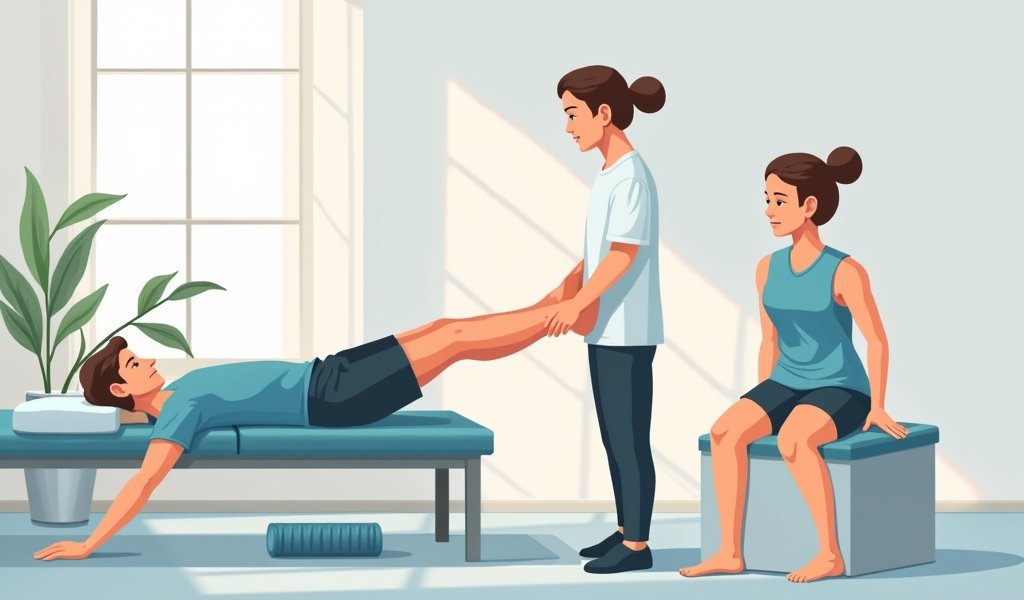
Physical therapy stands at the forefront of professional adductor muscle tear treatment. A skilled physical therapist will design a personalized program that gradually restores strength and flexibility while respecting your body’s healing timeline. These sessions typically include manual therapy techniques to break down scar tissue, improve circulation, and restore proper muscle function. The hands-on approach helps ensure the muscle heals in a functional pattern that reduces the risk of re-injury.
For more severe injuries, regenerative medicine options might be considered. Platelet-rich plasma (PRP) injections, which use components of your own blood to stimulate healing, have shown promising results for muscle injuries in recent studies. These treatments can be particularly helpful for high-grade tears or cases that don’t respond well to conventional approaches.
In rare cases involving complete tears with significant functional impairment, surgical intervention might be necessary. Modern surgical techniques for adductor repairs are typically minimally invasive and focus on restoring proper muscle tension and attachment. The decision for surgery is never taken lightly and usually reserved for elite athletes or cases where conservative treatments have failed to produce improvement after several months.
Throughout your treatment, pain management remains important but should be approached holistically. Beyond medications, techniques like therapeutic ultrasound, electrical stimulation therapy, and even acupuncture can provide relief while supporting the healing process. The goal is always to manage pain without masking warning signals your body sends during rehabilitation.
Rehabilitation Exercises
Rehabilitation exercises form the backbone of effective adductor muscle tear treatment, but timing is everything. Starting too aggressively can worsen the injury, while delaying too long may lead to muscle atrophy and prolonged recovery. Here’s a progressive approach that respects the healing process:
During the acute phase (first 3-7 days), gentle isometric contractions can maintain neuromuscular connection without stressing the injured tissue. Try seated adductor squeezes with a pillow between your knees, holding each contraction for 5-10 seconds. Perform 2-3 sets of 10 contractions daily, being careful not to provoke sharp pain.
As pain subsides (typically after the first week), introduce gentle range-of-motion exercises. Lying supine, slide your injured leg outward and back in a controlled manner, gradually increasing the range as comfort allows. Add light resistance with a therapy band around the thighs during seated or standing adduction movements once these become comfortable.
- Adductor ball squeezes: Seated with a soft ball between knees, squeeze for 3-5 seconds, then release
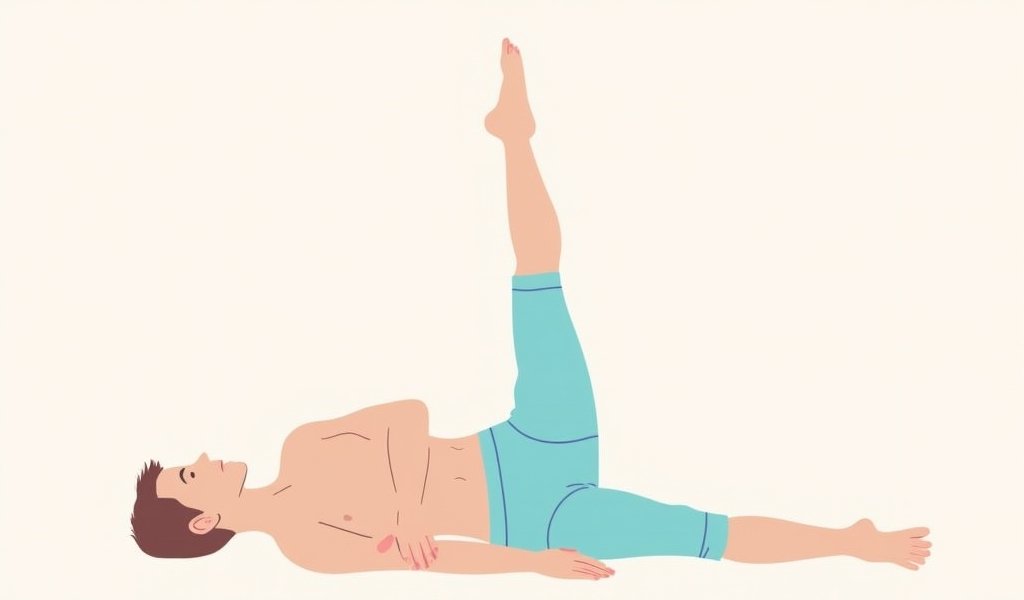
- Side-lying leg raises: Keeping the bottom leg straight, raise the top leg 6-8 inches and lower slowly
- Sumo squats: Wide stance squats that engage the adductors throughout the movement
- Lateral lunges: Stepping sideways into a lunge position to build strength and stability
As rehabilitation progresses, functional exercises that mimic your regular activities become crucial. For athletes, sport-specific movements performed at gradually increasing intensity prepare the healing tissue for return to play. This might include lateral shuffles, change-of-direction drills, or sport-specific cutting movements, all introduced progressively under professional guidance.
Balance training deserves special attention during adductor rehabilitation. Single-leg stance exercises and progression to unstable surfaces help rebuild the proprioceptive awareness often diminished after injury. According to sports medicine research, this neuromuscular training significantly reduces re-injury rates when properly implemented.
Remember that pain should be your guide throughout rehabilitation. A mild stretch sensation is normal and even beneficial, but sharp pain indicates you’ve pushed too far. The sweet spot for optimal tissue remodeling lies just below the pain threshold—challenging the muscle without traumatizing it.
Recovery Timeline
Healing from an adductor tear follows a relatively predictable timeline, though individual factors like age, overall health, and injury severity create significant variation. Understanding this timeline helps set realistic expectations and prevents the frustration that often accompanies recovery.
For grade 1 (mild) tears, expect approximately 1-2 weeks of limited activity followed by a gradual return to normal function over 3-4 weeks. Most people can resume modified sports or exercise around the 3-week mark, with full unrestricted activity possible by 4-6 weeks. These timeframes assume proper adductor muscle tear treatment and adherence to rehabilitation protocols.
Grade 2 (moderate) tears typically require 3-6 weeks of focused rehabilitation before returning to sport-specific training, with full recovery taking 6-8 weeks. During this extended timeline, maintaining cardiovascular fitness through non-aggravating activities like swimming or upper body training becomes particularly important.
Grade 3 (severe) tears or complete ruptures present the longest recovery periods, often 8-12 weeks before returning to full activity, and sometimes longer depending on whether surgical intervention was required. These injuries demand patience and consistent work with healthcare providers to ensure complete functional restoration.
Throughout recovery, expect certain milestones that indicate progress. Pain-free walking typically returns first, followed by the ability to perform daily activities without discomfort. Sport-specific movements without pain represent a later milestone, while regaining full explosive power marks the final phase of recovery.
I’ve observed that recovery often follows a non-linear pattern—you’ll experience rapid improvement followed by plateaus where progress seems stalled. This pattern is normal and reflects the biological processes of healing. During plateaus, focus on maintaining consistent rehabilitation efforts while ensuring adequate nutrition, hydration, and sleep to support your body’s natural healing mechanisms.

Preventing Future Injuries
Once you’ve recovered from an adductor tear, preventing recurrence becomes a top priority. After treating hundreds of patients with this injury, I’ve noticed that those who implement comprehensive prevention strategies rarely return with the same problem. Let’s explore the most effective approaches.
Maintain balanced strength between your adductors and abductors (inner and outer thigh muscles). Imbalances between these muscle groups create vulnerability to injury, particularly during lateral movements. Include exercises for both muscle groups in your regular fitness routine—side-lying leg raises for abductors and sumo squats for adductors work well as complementary movements.
Flexibility work deserves equal attention. Regular dynamic stretching before activity and static stretching afterward helps maintain optimal muscle length and elasticity. The butterfly stretch and wide-legged forward fold specifically target adductor flexibility, while yoga poses like warrior II and extended side angle pose provide functional stretching that mimics real-world movement patterns.
Core stability forms the foundation of injury prevention for the entire lower body, including the adductors. The adductors connect to your pelvis, which relies on core strength for proper positioning during movement. Research has demonstrated that athletes with superior core stability experience fewer groin and adductor injuries. Incorporate planks, bird dogs, and rotational exercises into your routine to build this protective foundation.
Don’t underestimate the importance of proper warm-up before activity. Progressive activation of the adductor muscles through dynamic movements like leg swings, lateral lunges, and controlled side shuffles prepares the tissue for more demanding activities. Even five minutes of targeted warm-up significantly reduces injury risk.
Finally, listen to your body’s warning signals. Minor discomfort in the adductor region during activity often precedes more serious injury. Implementing preventive measures at the first sign of trouble—reducing intensity, applying ice after activity, and adding extra recovery days—can prevent minor irritation from progressing to a tear that sidelines you for weeks.
Conclusion
Effective adductor muscle tear treatment requires a comprehensive approach that respects the body’s natural healing timeline while providing appropriate interventions at each stage. From immediate RICE protocol application to progressive rehabilitation exercises and eventual return to full activity, each step builds upon the previous to restore function and prevent recurrence.
The journey from injury to recovery isn’t always linear, and patience becomes as important as any physical treatment. Working with healthcare professionals who understand both the physical and psychological aspects of recovery ensures you receive appropriate guidance throughout the process. Remember that proper healing now prevents chronic issues later—rushing recovery typically leads to longer-term problems.
By combining professional treatment with dedicated home exercises and preventive strategies, you create the optimal environment for complete recovery. Your adductor muscles play a crucial role in nearly every lower body movement, making their proper rehabilitation essential for both athletic performance and everyday function.
Whether you’re an elite athlete or someone who simply wants to return to comfortable daily activities, applying these evidence-based approaches to adductor muscle tear treatment offers your best path forward. The body has remarkable healing capacity when given the right support—trust the process and give yourself permission to heal completely before returning to full activity.
Frequently Asked Questions
How long does it take for an adductor muscle tear to heal completely?
Recovery time varies based on severity—grade 1 tears typically heal in 2-4 weeks, grade 2 in 4-8 weeks, and grade 3 in 8-12 weeks or longer. Following proper treatment protocols and respecting pain signals during rehabilitation ensures optimal healing timeframes.
Can I still exercise with an adductor tear?
You should avoid activities that stress the adductors during the acute phase, but non-impacting exercises like swimming or upper body training are usually safe. As healing progresses, your physical therapist can recommend appropriate modified exercises that maintain fitness without compromising recovery.
What’s the difference between a strain and a tear in the adductor?
These terms are often used interchangeably in clinical settings. Technically, a strain refers to any stretching or tearing of muscle fibers, with tears specifically indicating actual disruption of tissue integrity rather than just stretching.
Will I need surgery for my adductor tear?
Surgery is rarely needed for adductor injuries, with less than 5% of cases requiring surgical intervention. It’s typically only considered for complete tears with significant functional impairment or when conservative treatment fails after several months.
How can I tell if my adductor tear is healing properly?
Signs of proper healing include gradually decreasing pain, improving range of motion without discomfort, and progressive return of strength during rehabilitation exercises. You should notice steady improvement in functional activities like walking, climbing stairs, and eventually running or sport-specific movements.