
Overview
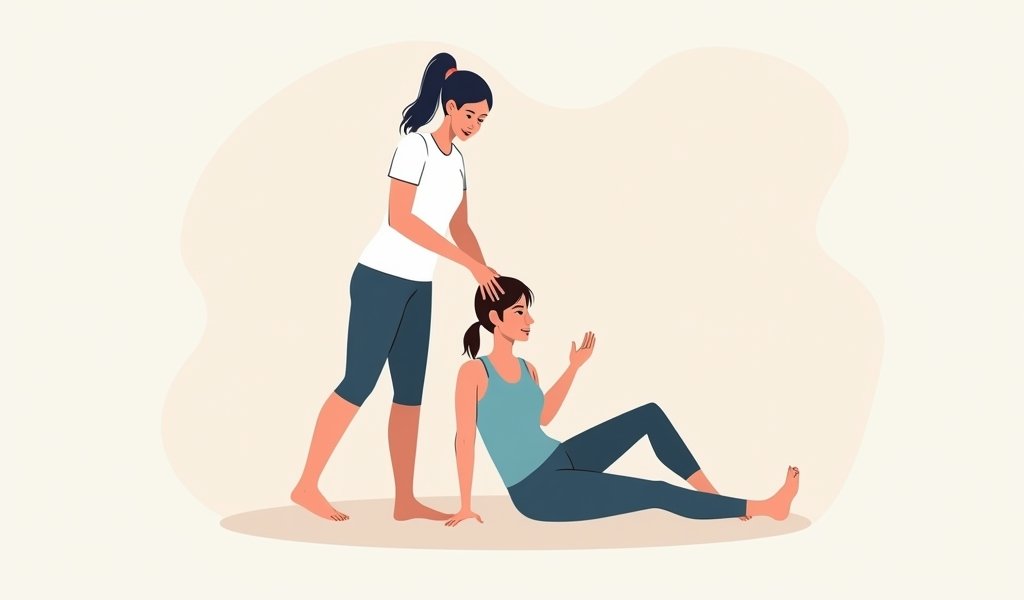
When that dreaded knee “pop” turns you from sports star to sofa champion, fear not—your recovery journey from ACL or MCL tears doesn’t have to be a tragedy. This guide offers seven evidence-based strategies for knee ligament recovery, including immediate injury response, diligent rehabilitation, pain management, regaining range of motion, proper strength building, balance training, and a strategic return-to-activity plan that addresses both physical and psychological readiness.
Table of Contents
- Understanding ACL & MCL Tears
- Immediate Response: What to Do After Injury
- Follow Your Rehabilitation Protocol Diligently
- Strategic Pain and Swelling Management
- Regaining Range of Motion: Your First Priority
- Building Strength Gradually and Properly
- Balance and Proprioception Training
- Maintaining Overall Fitness During Recovery
- Strategic Return to Activity Plan
- Conclusion
- Frequently Asked Questions
Understanding ACL & MCL Tears
That dreaded “pop” – the sound that instantly changes an athlete’s season and sometimes their career. ACL and MCL tears rank among the most common yet devastating knee injuries I see in my practice. Whether you’re a professional competitor or a weekend warrior, these ligament injuries don’t discriminate.
The anterior cruciate ligament (ACL) and medial collateral ligament (MCL) serve as crucial stabilizers in your knee. The ACL prevents your shinbone from sliding forward and provides rotational stability, while the MCL prevents your knee from buckling inward. When torn, they compromise your knee’s structural integrity and functional capacity.
According to recent research, over 200,000 ACL injuries occur annually in the United States alone. MCL injuries often occur in contact sports through direct impact to the outside of the knee, while ACL tears typically result from pivoting, cutting, or landing awkwardly – no contact necessary.
The severity of these tears varies significantly. Grade 1 sprains involve minimal tearing and maintain structural integrity. Grade 2 indicate partial tears with some instability. Grade 3 represent complete ruptures requiring more intensive treatment. Your recovery journey will largely depend on this classification, your age, activity level, and whether surgery is necessary.
After treating hundreds of ACL and MCL injuries, I’ve developed a comprehensive approach to recovery that consistently delivers results. Let me share the seven proven strategies that will guide you from injury back to activity with confidence.
Immediate Response: What to Do After Injury
The actions you take in the hours and days following your ACL or MCL tear can significantly impact your recovery trajectory. When that telltale pop occurs, accompanied by pain, swelling, and instability, your immediate response matters tremendously.
First, stop your activity immediately. Attempting to “walk it off” or continue playing can transform a partial tear into a complete rupture. Next, implement the RICE protocol: Rest the knee, apply Ice for 20 minutes every 1-2 hours, Compress with an elastic bandage, and Elevate your leg above heart level when possible.
Seek medical attention promptly. While you might hope it’s “just a sprain,” proper diagnosis requires clinical evaluation and typically an MRI to assess the extent of the damage. This imaging will reveal whether you’re dealing with an isolated ligament tear or additional injuries like meniscus damage or bone bruising – common companions to ACL tears.
Avoid anti-inflammatory medications for the first 48-72 hours unless specifically directed by your physician. Recent evidence suggests that the initial inflammatory response plays a crucial role in healing, and suppressing it may impede recovery.
Protect your knee but avoid complete immobilization. Gentle movement within your pain-free range helps prevent stiffness without compromising healing. A hinged knee brace or crutches might be recommended depending on your stability and pain levels.

Follow Your Rehabilitation Protocol Diligently
Your rehabilitation protocol isn’t merely a suggestion – it’s your roadmap to recovery crafted specifically for your injury. In my practice, I’ve seen remarkable differences in outcomes between patients who embrace their rehab with consistency and those who approach it casually.
For non-surgical MCL recoveries, expect a 4-8 week rehabilitation process. ACL reconstructions typically require 6-9 months before return to sport, though full psychological readiness might take longer. Your protocol will progress through distinct phases, each with specific milestones to achieve before advancing.
Early phase rehabilitation (weeks 1-4) focuses on controlling pain and swelling, restoring basic range of motion, and activating muscles that “shut down” after injury – particularly your quadriceps. Even these seemingly simple exercises lay crucial groundwork for later stages.
Middle phase rehabilitation (weeks 4-12) emphasizes progressive strengthening, normalizing your walking pattern, and improving neuromuscular control. This phase builds the foundation that supports more dynamic activities later.
Late phase rehabilitation (months 3-6+) incorporates sport-specific movements, plyometrics, agility drills, and ultimately return-to-sport testing. Skipping ahead to these activities prematurely dramatically increases re-injury risk.
Find a physical therapist who specializes in knee rehabilitation, particularly for athletes if you’re sports-focused. The therapist-patient relationship significantly impacts outcomes, so seek someone who communicates clearly, adjusts your program as needed, and holds you accountable.
Track your progress diligently. Keep a rehabilitation journal noting exercises, repetitions, weights, and any pain or swelling responses. These records provide valuable feedback for your healthcare team and serve as motivational milestones during the lengthy recovery process.
Strategic Pain and Swelling Management
Pain and swelling aren’t just uncomfortable side effects – they’re physiological barriers to recovery that require strategic management. Persistent swelling inhibits muscle activation and range of motion, while pain alters movement patterns in ways that can become problematic habits.
The traditional RICE protocol remains valuable, particularly in the acute phase. However, modern approaches have evolved toward the PEACE & LOVE framework: Protection, Elevation, Avoid anti-inflammatories, Compression, Education during the acute phase, followed by Load, Optimism, Vascularization, and Exercise in subsequent days.
Cryotherapy (cold therapy) remains effective for managing both pain and swelling. Traditional ice packs work well, but circulating cold therapy systems provide more consistent temperatures and often better results. Apply for 15-20 minutes several times daily, especially after exercise or periods of increased activity.
Consider compression strategies beyond basic elastic wraps. Graduated compression sleeves provide targeted pressure that helps reduce fluid accumulation, while intermittent pneumatic compression devices can significantly accelerate swelling reduction in stubborn cases.
For pain management, work with your physician to develop a comprehensive approach that may include appropriate medications, modalities like transcutaneous electrical nerve stimulation (TENS), and even mindfulness techniques. Research shows that pain neuroscience education can dramatically improve outcomes by helping you understand the difference between hurt and harm.
Monitor your pain patterns vigilantly. While some discomfort during rehabilitation is normal, sharp pain, significant increases in swelling, or pain that persists more than 24 hours after activity suggests you’ve exceeded your tissue’s current capacity and need to modify your approach.
Regaining Range of Motion: Your First Priority
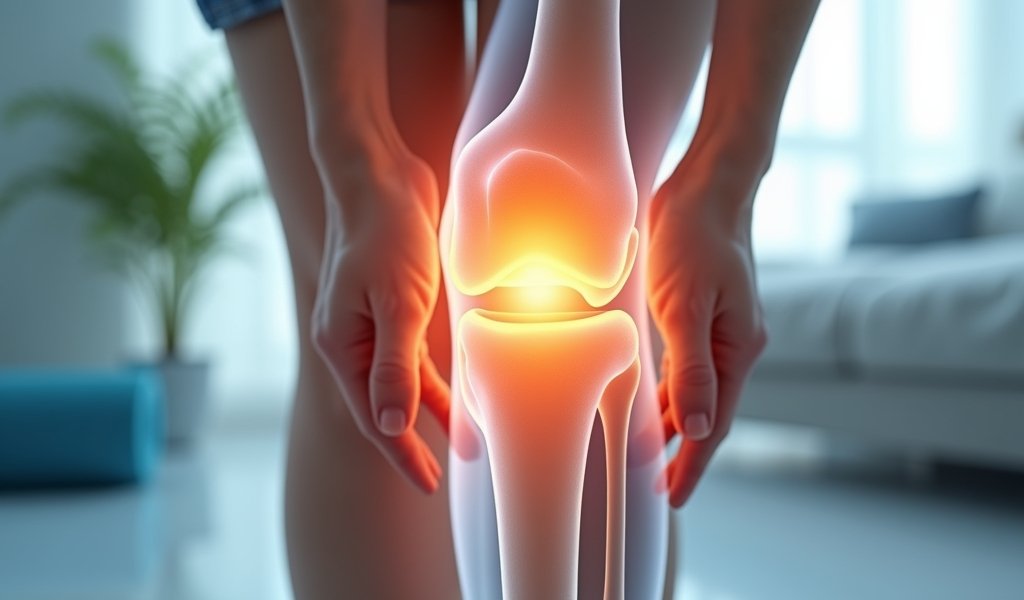
Regaining full knee range of motion represents your most urgent rehabilitation priority. Knee stiffness can develop remarkably quickly after injury or surgery, and once established, can permanently limit function. In my practice, we begin appropriate motion exercises within days of injury or surgery for this reason.
Focus first on achieving full extension (straightening). Even minor extension deficits create abnormal walking patterns and increase stress across your patellofemoral joint. Simple techniques like heel props (placing a rolled towel under your ankle while relaxing your leg) can effectively stretch the posterior capsule that often restricts extension.
Flexion (bending) recovery typically progresses more gradually. Gentle heel slides, wall slides, and eventually active-assisted flexion exercises help restore mobility without overstressing healing tissues. Patience is crucial here – aggressive stretching can cause setbacks by increasing inflammation.
Incorporate soft tissue work around your knee. Massage and gentle mobilization of your patellar tendon, quadriceps, IT band, and surrounding structures can dramatically improve motion by addressing restrictive tissues. Foam rolling the surrounding musculature often yields excellent results.
Address range of motion deficits in adjacent joints as well. Ankle dorsiflexion (bringing your foot toward your shin) and hip mobility directly impact knee function. Limitations in these areas often contribute to compensatory patterns that impede optimal recovery.
Track your progress objectively. Measure and record both flexion and extension weekly using either a goniometer or simple functional tests like heel-to-buttock distance. This documentation helps identify and address plateaus before they become problematic.
Building Strength Gradually and Properly
Rebuilding strength after ACL or MCL injury requires methodical progression. After injury, muscles atrophy remarkably quickly – studies show quadriceps strength can diminish up to 20% within just one week of immobilization. This strength loss happens dramatically faster than recovery, underscoring the importance of starting appropriate exercises early.
Begin with neuromuscular activation exercises that “wake up” muscles without stressing healing ligaments. Quadriceps sets, straight leg raises, and glute bridges form the foundation of early strengthening. Master perfect form with these fundamentals before progressing to more challenging movements.
Focus particularly on quadriceps strengthening, as this muscle group suffers most after knee injuries. Neuromuscular electrical stimulation (NMES) can be tremendously helpful during early rehabilitation when voluntary activation remains challenging. Research demonstrates that NMES effectively minimizes strength loss and accelerates recovery when combined with exercise.
As healing progresses, incorporate closed-chain exercises (where your foot remains in contact with a surface), which better simulate functional activities. Mini-squats, step-ups, and eventually single-leg exercises develop strength in positions that translate to daily activities and athletic movements.
Don’t neglect your “supporting cast” – hamstrings, calves, hip abductors, and core musculature all play crucial roles in knee function and protection. Weakness in any of these areas creates compensatory patterns that can compromise your recovery.
Resistance training should follow these key principles:
- Progress gradually from isometric to concentric to eccentric contractions
- Master body weight control before adding external resistance
- Increase repetitions before increasing resistance
- Monitor for pain or swelling that persists 24+ hours after exercise
- Allow 48 hours between strength sessions for the same muscle groups
Remember that strength isn’t merely about lifting capacity – it’s about control, endurance, and power development as you progress. Each component requires specific training approaches as you advance through your rehabilitation.
Balance and Proprioception Training
Proprioception – your body’s ability to sense position and movement – suffers significantly after ACL and MCL injuries. This “sixth sense” provides crucial feedback that allows your muscles to make micro-adjustments for stability and coordination. Without rehabilitating this system, you remain vulnerable to re-injury even with excellent strength recovery.
Begin with basic static balance exercises once weight-bearing is comfortable. Single-leg stance with support progresses to unsupported balance, then to eyes-closed challenges as control improves. These seemingly simple activities recalibrate your proprioceptive system’s feedback mechanisms.
Advance to dynamic stability training by incorporating controlled perturbations – movements that challenge your balance in specific ways. This might include standing on unstable surfaces like foam pads or BOSU balls, catching and throwing while balancing, or performing controlled reaching tasks while maintaining single-leg stance.
Neuromuscular training should emphasize quality of movement rather than quantity. Focus on maintaining proper knee alignment during all exercises, avoiding the “knee-in” position that increases stress on your healing ligament. Mirror feedback helps tremendously during these exercises.
Incorporate direction-specific stability challenges that mimic the demands of your sport or daily activities. For athletes, this includes cutting, pivoting, and deceleration drills in controlled patterns before progressing to reactive movements.
Balance recovery typically follows this progression:
- Static balance on stable surfaces
- Static balance on unstable surfaces
- Dynamic movements on stable surfaces
- Dynamic movements on unstable surfaces
- Sport-specific balance challenges
- Reactive and unanticipated movement challenges
Remember that proprioception improves relatively quickly with targeted training but requires consistent reinforcement to maintain. Even after returning to full activity, incorporating balance exercises into your regular routine significantly reduces re-injury risk according to multiple studies.
Maintaining Overall Fitness During Recovery
Maintaining cardiovascular fitness and overall conditioning during knee rehabilitation presents a genuine challenge. However, creative approaches can preserve your fitness foundation while protecting your healing ligament. This not only facilitates a smoother return to activity but provides tremendous psychological benefits during recovery.
Aquatic exercise offers exceptional value during rehabilitation. Water’s buoyancy reduces weight-bearing stress while its resistance provides an effective training stimulus. Begin with deep-water running using a flotation belt once your incisions heal (if you’ve had surgery), then progress to shallow-water exercises as strength improves.
Upper body ergometry (arm bike) provides an excellent cardiovascular option that completely unloads your lower extremities. Incorporate interval training protocols to maximize conditioning effects – alternating periods of higher intensity with active recovery produces superior results compared to steady-state training.
Stationary cycling can be incorporated relatively early in rehabilitation with appropriate modifications. Begin with limited range of motion and minimal resistance, adjusting seat height to avoid excessive knee flexion. As healing progresses, gradually increase duration, resistance, and eventually incorporate interval protocols.
Nutritional strategies become particularly important during recovery. Research indicates that adequate protein intake (approximately 1.6-2.0g/kg of body weight) supports tissue healing and minimizes muscle loss. Anti-inflammatory foods like fatty fish, berries, and turmeric may support recovery, though evidence for specific interventions remains limited.
Body composition management deserves attention during recovery. Reduced activity can lead to unwanted weight gain that ultimately increases stress on your healing knee. Work with a registered dietitian to develop a nutrition plan that supports healing while managing energy balance appropriately.
Cross-training creativity helps maintain sport-specific conditioning elements. Basketball players might practice seated shooting drills, soccer players can work on ball-handling skills while seated, and runners might use mental imagery techniques to maintain neuromuscular patterns. The key is focusing on what you can do rather than dwelling on limitations.
Strategic Return to Activity Plan
Returning to sports or full activity after ACL or MCL rehabilitation isn’t about reaching a particular calendar date – it’s about meeting specific criteria that indicate both physical and psychological readiness. In my practice, we use a comprehensive testing battery to assess readiness rather than simply waiting for time to pass.
Physical readiness typically includes these minimum criteria:
- Full, pain-free range of motion compared to the uninjured side
- Quadriceps and hamstring strength at least 90% of the uninjured side
- Successful completion of functional hop tests at >90% of the uninjured side
- Demonstration of proper movement patterns during jumping, landing, and cutting activities
- Sport-specific skill execution without compensation or hesitation
Psychological readiness deserves equal attention. The Tampa Scale for Kinesiophobia and ACL-Return to Sport after Injury scale provide valuable insights into fear of re-injury, which often persists even after physical criteria are met. Mental skills training, including visualization and confidence-building progressions, should be incorporated throughout late-stage rehabilitation.
Implement a graduated return-to-activity progression. Begin with controlled, predictable movements in practice environments before advancing to competitive situations. For team sports, this might mean participating in non-contact drills before progressing to limited contact, then full participation.
Consider functional bracing during early return phases. While evidence regarding bracing’s effectiveness in preventing re-injury remains mixed, many athletes report improved confidence with appropriate bracing during the transition back to full activity. This psychological benefit alone may justify temporary use.
Establish ongoing “maintenance prehabilitation” routines to minimize re-injury risk. ACL injury history represents the single greatest risk factor for future ACL injury. Implementing regular neuromuscular training, addressing any emerging movement compensations, and continuing proprioceptive exercises significantly reduces this risk.
Remember that return to previous performance level typically lags behind return to participation. Studies show that athletes often require an additional 3-6 months after returning to sport before reaching their previous performance metrics. Setting appropriate expectations around this timeline helps prevent frustration during this final phase of recovery.
Conclusion
Recovering from an ACL or MCL tear represents a significant challenge, but with the right approach, full recovery isn’t just possible – it’s probable. The seven strategies we’ve explored provide a comprehensive framework for navigating this journey: responding appropriately to injury, following rehabilitation protocols diligently, managing pain strategically, prioritizing range of motion, building strength progressively, incorporating balance training, maintaining overall fitness, and returning to activity with a structured plan.
Throughout this process, remember that recovery isn’t linear. You’ll experience plateaus, occasional setbacks, and breakthrough moments. Document your progress, celebrate small victories, and maintain open communication with your healthcare team. Their expertise, combined with your consistent effort, creates the optimal environment for successful recovery.
Many of my patients ultimately return from ACL and MCL injuries performing better than before – not because the injury improved their physical capacity, but because the rehabilitation process addressed underlying movement inefficiencies, strength imbalances, and proprioceptive deficits that had previously gone unrecognized.
Your recovery journey offers an opportunity not just to heal but to rebuild yourself as a more resilient, balanced athlete or active individual. Approach each day of rehabilitation with purpose, patience, and perspective – the same qualities that will serve you well when you return to the activities you love.
Frequently Asked Questions
How long does it take to recover from an ACL or MCL tear?
MCL tears typically heal in 4-8 weeks with conservative treatment, while ACL reconstructions require 6-9 months before return to sport. Individual factors like injury severity, surgery type, and activity goals significantly influence these timelines.
Do all ACL tears require surgery?
Not all ACL tears require surgical intervention. Non-operative management may be appropriate for individuals with partial tears, limited activity goals, or those willing to modify activities permanently.
Can I walk with a torn ACL or MCL?
Many people can walk with a torn ACL, though instability may occur with pivoting or cutting movements. MCL tears typically cause more pain with walking initially, but this improves relatively quickly with appropriate management.
Will my knee ever feel normal again after ACL reconstruction?
Most patients achieve excellent functional outcomes after ACL reconstruction, but subtle differences in sensation often persist. Many athletes report their reconstructed knee eventually feels stronger than before due to comprehensive rehabilitation.
What’s the biggest mistake people make during ACL/MCL recovery?
Rushing the process and skipping phases of rehabilitation represents the most common mistake I observe. Patience during early stages builds the foundation for successful return to activity and significantly reduces re-injury risk.