

Overview
Achilles tendon recovery is no walk in the park—unless that park is filled with patience, physical therapy, and proper nutrition! This article outlines seven essential strategies for optimal healing after an Achilles rupture: following medical advice religiously, prioritizing rest, engaging in gradual physical therapy, optimizing nutrition, implementing pain management, maintaining mental wellness, and preventing reinjury through proper rehabilitation and biomechanics.
Table of Contents
- Understanding Achilles Tendon Ruptures
- Typical Recovery Timeline for Achilles Tendon Ruptures
- Tip 1: Follow Your Doctor’s Treatment Plan Religiously
- Tip 2: Prioritize Proper Rest and Immobilization
- Tip 3: Engage in Gradual Physical Therapy
- Tip 4: Optimize Your Nutrition for Faster Healing
- Tip 5: Implement Effective Pain Management Strategies
- Tip 6: Don’t Neglect Your Mental Wellness
- Tip 7: Focus on Preventing Reinjury
- Conclusion: Your Road to Recovery
- Frequently Asked Questions
Understanding Achilles Tendon Ruptures
An Achilles tendon rupture can be a life-altering injury, throwing your daily routine and fitness goals into disarray. As someone who’s guided countless patients through recovery, I understand the frustration and uncertainty that comes with this challenging injury. The Achilles tendon—that tough, fibrous cord connecting your calf muscles to your heel bone—plays a crucial role in walking, running, and jumping. When it ruptures, your mobility takes a significant hit, and the road to recovery can seem daunting.
Achilles tendon ruptures typically occur during intense physical activities that involve sudden pushing off with the foot. Think basketball, tennis, or sprinting. You might hear a “pop” sound followed by sharp pain in the back of your ankle and calf. While the average achilles tendon rupture recovery time ranges from 4-12 months, your personal journey depends on several factors, including your age, overall health, the severity of the rupture, and—most importantly—how well you follow proven recovery strategies.
The good news? With the right approach, you can optimize your healing process and potentially return to your normal activities sooner than expected. Let’s explore seven evidence-based tips that can make a significant difference in your recovery timeline.
Typical Recovery Timeline for Achilles Tendon Ruptures
Before diving into recovery tips, it’s helpful to understand what a typical healing journey looks like. Achilles tendon rupture recovery unfolds in distinct phases, each with its own challenges and milestones.
The acute phase spans the first 1-2 weeks post-injury. During this time, your focus should be on reducing swelling, managing pain, and protecting the injured tendon. Your doctor will likely immobilize your ankle with a cast or boot and may recommend surgery depending on the severity of your rupture and your activity goals.
Weeks 2-6 mark the early healing phase. Your tendon begins forming new tissue connections, but these are fragile. Limited weight-bearing may begin, usually with supportive devices. During this period, patience is crucial—pushing too hard can set you back significantly.
From weeks 6-12, the rehabilitation phase kicks into higher gear. Physical therapy becomes more intensive, and you’ll gradually increase weight-bearing activities. Many patients transition out of their walking boot during this period, though this varies based on individual healing rates and whether you had surgical or non-surgical treatment.
The final strengthening phase typically spans from 3-12 months. This is when you’ll work on rebuilding strength, flexibility, and eventually return to more demanding activities. Research published in the Journal of Orthopaedic Surgery indicates that most patients can return to pre-injury activities around 6 months post-rupture, though complete recovery may take up to a year or longer.
Remember that this timeline represents averages—your personal recovery may progress faster or slower. Now, let’s explore how you can potentially optimize this timeline with proven strategies.
Tip 1: Follow Your Doctor’s Treatment Plan Religiously
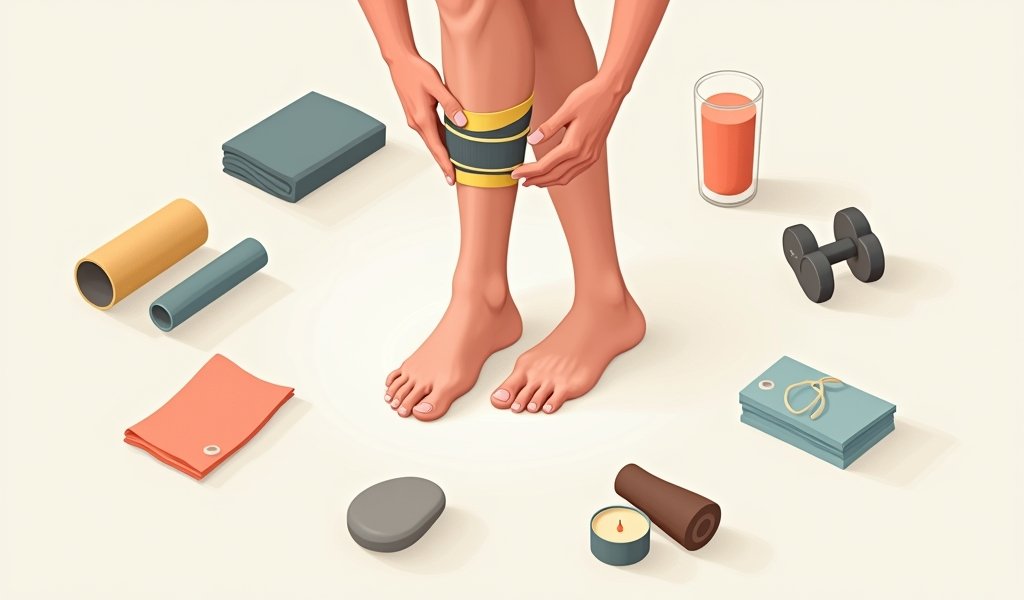
This might seem obvious, but it’s astounding how many patients compromise their recovery by deviating from medical advice. Your orthopedic specialist or podiatrist has designed your treatment plan based on decades of medical research and experience with hundreds of similar cases. Their recommendations aren’t suggestions—they’re crucial guidelines for optimal healing.
Whether your doctor has recommended surgical or non-surgical treatment, following through with every aspect of the plan is vital. This includes:
- Keeping all follow-up appointments
- Taking medications exactly as prescribed
- Adhering to weight-bearing restrictions
- Using assistive devices like crutches or boots for the full recommended period
- Following wound care instructions meticulously if you’ve had surgery
A comprehensive study in the Journal of Foot and Ankle Research found that patients who strictly adhered to their treatment protocols experienced significantly faster recovery times and lower reinjury rates. Remember, your doctor isn’t imposing these restrictions to make your life difficult—they’re carefully calibrated to give your tendon the optimal environment for healing.
The difference between an 8-month and a 12-month recovery can often come down to how consistently you follow medical guidance, especially during those critical first few weeks. When you’re tempted to test your limits prematurely, remind yourself that patience now leads to freedom later.
Tip 2: Prioritize Proper Rest and Immobilization
Rest isn’t just a suggestion for Achilles tendon recovery—it’s a biological necessity. During the early phases of healing, your body is working overtime to create new collagen fibers and establish blood supply to the injured area. This delicate process requires protection from excess stress and movement.
Proper immobilization through casting or walking boots serves two critical purposes. First, it positions your foot at an optimal angle that brings the torn tendon ends close together, allowing them to reconnect appropriately. Second, it prevents sudden movements that could disrupt early healing or cause reinjury.
However, “rest” doesn’t mean complete inactivity. While your injured leg needs protection, maintaining overall fitness through modified exercises can support recovery. Consider these approved activities during immobilization:
- Upper body strength training (seated to avoid standing pressure)
- Modified core exercises that don’t engage the lower legs
- Gentle swimming with a waterproof cast cover (once approved by your doctor)
- Stationary biking with the unaffected leg
Finding the balance between necessary rest and avoiding complete deconditioning can be challenging. I’ve observed that patients who maintain some level of safe activity often experience less muscle atrophy and find the later rehabilitation phases less daunting. Just ensure any activity is explicitly approved by your healthcare provider.
Remember that sleep quality also significantly impacts tissue healing rates. The Sleep Foundation notes that during deep sleep, your body releases growth hormones critical for tissue repair. Aim for 7-9 hours of quality sleep, and consider elevating your injured leg slightly while sleeping to reduce overnight swelling.
Tip 3: Engage in Gradual Physical Therapy
Physical therapy is where the magic happens in Achilles tendon recovery. A structured rehabilitation program not only helps restore function but can significantly accelerate your recovery timeline when approached correctly. The key word here is “gradual”—pushing too aggressively can set you back weeks or even months.
Effective Achilles tendon physical therapy typically progresses through several phases:
- Range of motion exercises to prevent stiffness
- Gentle isometric contractions that engage the muscle without moving the tendon
- Progressive resistance training as healing advances
- Balance and proprioception training to restore stability
- Functional exercises that mimic daily activities
- Sport-specific training for those returning to athletic activities
Your physical therapist will customize this progression based on your healing rate and goals. Be completely honest about pain levels during therapy sessions—some discomfort is normal, but sharp pain indicates you’re pushing beyond what your healing tendon can handle.
One of the most valuable aspects of working with a skilled physical therapist is the psychological reassurance they provide. They’ll help you distinguish between therapeutic discomfort and potentially harmful pain, giving you confidence to progress without fear of reinjury.
Home exercises are equally important. Studies show that patients who consistently perform their prescribed home exercise program recover significantly faster than those who only exercise during therapy sessions. Think of your PT appointments as coaching sessions and your home exercises as daily practice—both are essential to mastering recovery.
For my patients worried about losing cardiovascular fitness, I often recommend aquatic therapy once the surgical wound has healed or when approved for non-surgical cases. The buoyancy of water reduces strain on the healing tendon while allowing meaningful exercise. Many rehabilitation facilities offer specialized pool sessions for recovering athletes.
Tip 4: Optimize Your Nutrition for Faster Healing
The foods you eat directly influence how quickly and effectively your body repairs damaged tissue. Nutritional support for tendon healing is an often-overlooked aspect of recovery that can make a significant difference in your timeline.
Protein serves as the primary building block for tendon repair. Aim for 1.2-1.6 grams of quality protein per kilogram of body weight daily, spread throughout your meals and snacks. Sources like lean meats, fish, eggs, dairy, and plant-based options (beans, lentils, tofu) provide the amino acids necessary for collagen formation.
Vitamin C is crucial for collagen synthesis—the process that literally rebuilds your tendon. Citrus fruits, bell peppers, strawberries, and broccoli are excellent sources. Zinc, found in oysters, meat, pumpkin seeds, and legumes, supports tissue growth and repair.
Omega-3 fatty acids help manage inflammation during the healing process. While some inflammation is necessary for recovery, excessive inflammatory responses can delay healing. Cold-water fish, flaxseeds, chia seeds, and walnuts provide these beneficial fats.
Adequate hydration is equally important. Water facilitates the transport of nutrients to healing tissues and helps maintain the proper function of cells involved in repair. Aim for at least 2-3 liters daily, more if you’re larger or exercising.
Some patients find that targeted supplementation helps support recovery. Research in the Journal of the International Society of Sports Nutrition suggests that vitamin D, collagen peptides, and certain amino acids may support tendon healing, though you should discuss any supplements with your healthcare provider first.
What you avoid can be just as important as what you consume. Minimize processed foods, excessive sugar, and alcohol, all of which can increase inflammation and potentially slow tissue repair. Many of my patients who’ve committed to an anti-inflammatory diet report noticeably faster progress in their physical therapy milestones.
Tip 5: Implement Effective Pain Management Strategies
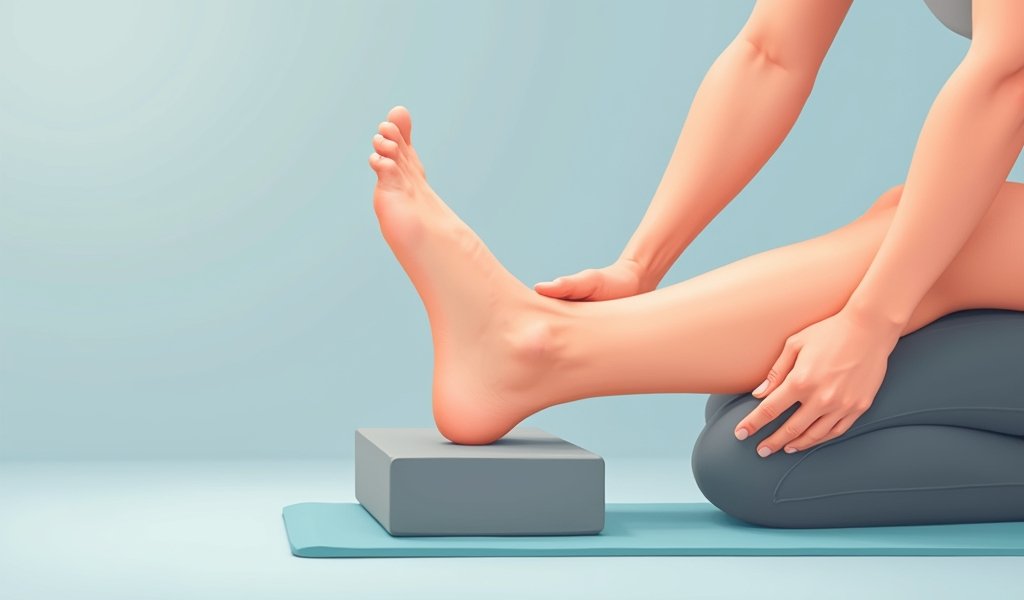
Managing pain effectively isn’t just about comfort—it’s about creating the optimal conditions for recovery. Uncontrolled pain triggers stress responses in your body that can actually slow healing. Finding the right balance of pain management techniques allows you to participate more fully in rehabilitation while supporting your body’s natural recovery processes.
During the initial acute phase, your doctor may prescribe stronger pain medications. Use these exactly as directed—neither undertreating pain nor relying too heavily on medication is ideal. As you progress, transition to over-the-counter options like acetaminophen or NSAIDs (when approved by your doctor) for occasional discomfort.
Beyond medication, several non-pharmaceutical approaches can effectively manage Achilles tendon pain:
- Controlled cold therapy reduces inflammation and numbs pain signals, especially after therapy sessions
- Elevation helps minimize swelling that can increase pain and pressure
- Gentle massage above the injured area improves circulation without disrupting healing
- Relaxation techniques like deep breathing and meditation reduce stress hormones that amplify pain perception
Many patients find that a consistent sleep schedule helps regulate pain levels. Sleep disruption amplifies pain sensitivity, creating a vicious cycle. Establishing good sleep hygiene—consistent bedtimes, limiting screen time before bed, and creating a restful environment—can significantly improve both pain management and healing outcomes.
Remember that some discomfort during recovery is normal and even necessary. The goal isn’t to eliminate all sensation but to keep pain at a manageable level that doesn’t interfere with rehabilitation or quality of life. Developing a relationship with your pain—understanding what triggers increases and what brings relief—gives you more control over your recovery experience.
Tip 6: Don’t Neglect Your Mental Wellness
The psychological impact of an Achilles tendon rupture is profound yet frequently underestimated. The sudden loss of mobility, independence, and ability to participate in beloved activities can trigger frustration, anxiety, and even depression. These emotional responses aren’t just uncomfortable—they can actively impede your physical recovery.
Research has consistently demonstrated that mental state influences healing rates. Stress hormones like cortisol, which increase during periods of anxiety or depression, can slow tissue repair and interfere with immune function. Conversely, positive psychological states promote hormonal balances that support healing.
Maintaining perspective is crucial. Remind yourself that while recovery feels endless when you’re in it, this is a temporary chapter. Setting small, achievable weekly goals gives you regular wins to celebrate, creating a sense of progress even when larger milestones seem distant.
Stay connected with your support network. Isolation often amplifies negative emotions, while social engagement provides distraction, encouragement, and practical assistance. Don’t hesitate to ask for help with tasks that are challenging during recovery.
Many patients benefit from working with a sports psychologist or counselor who specializes in injury recovery. These professionals can teach valuable coping strategies like:
- Visualization techniques that promote healing and maintain sport-specific mental skills
- Mindfulness practices that reduce rumination about the injury
- Cognitive reframing to challenge catastrophic thinking patterns
- Goal-setting approaches that maintain motivation throughout lengthy recovery
Use this recovery period as an opportunity for growth in other areas. Many athletes discover new interests, develop upper body strength they previously neglected, or deepen their understanding of their sport through analysis and observation. Finding meaning in the recovery process transforms it from a frustrating delay into a valuable chapter in your broader athletic journey.
Tip 7: Focus on Preventing Reinjury
As your recovery progresses, the focus gradually shifts from healing the current injury to preventing future ones. This transition is critical—studies show that after one Achilles tendon rupture, you face a significantly higher risk of reinjury or rupturing the opposite tendon if proper prevention strategies aren’t implemented.
Complete rehabilitation is non-negotiable. Many patients prematurely discontinue their exercises once basic function returns, but full tendon strength and elasticity can take 12-18 months to develop. Continuing with maintenance exercises even after formal physical therapy ends is one of the most effective prevention strategies.
Pay close attention to your footwear. Proper shoe selection with adequate support and an appropriate heel-to-toe drop can significantly reduce strain on the Achilles tendon. For athletes, sport-specific shoes that match your biomechanical needs are worth the investment. Replace athletic shoes regularly—worn cushioning increases tendon stress.
Develop a comprehensive warm-up routine that you perform religiously before any physical activity. Effective warm-ups include:
- 5-10 minutes of light cardiovascular activity to increase blood flow
- Dynamic stretching movements that prepare the tendon for load
- Gradual progression from low to higher intensity movements
- Specific activation exercises for the calf muscles and ankle stabilizers
Listen intently to your body’s signals. Minor discomfort that persists or worsens during activity should never be ignored—these are early warning signs that may indicate excessive stress on the healing tendon. Temporary reduction in activity intensity is far preferable to a major setback.
Consider implementing a structured tendon-strengthening protocol as described in the British Journal of Sports Medicine, which has been shown to significantly reduce Achilles tendon injury rates. These protocols typically involve eccentric calf exercises that strengthen the tendon while improving its elastic properties.
For athletes returning to high-impact sports, a gradual return-to-play protocol developed with your physical therapist and sports medicine physician provides the safest transition. This might include sport-specific drills at progressively increasing intensities, careful monitoring of recovery between sessions, and potentially modifying techniques to reduce tendon stress.
Conclusion: Your Road to Recovery
Recovering from an Achilles tendon rupture represents one of the more challenging journeys in sports medicine, but with the right approach, you can optimize your healing timeline and potentially return to your activities sooner than expected. The seven tips we’ve explored—following medical advice, prioritizing rest, engaging in proper physical therapy, optimizing nutrition, managing pain effectively, maintaining mental wellness, and focusing on prevention—create a comprehensive framework for successful recovery.
Remember that healing is rarely linear. You’ll likely experience plateaus and occasional setbacks along the way. During these frustrating periods, focus on the progress you’ve made rather than the distance still to cover. Document your milestones, however small, to maintain perspective on your improvement.
Your achilles tendon rupture recovery time is influenced by many factors, some within your control and others not. By focusing on the elements you can influence—your commitment to rehabilitation, your nutrition, your stress management, and your patience—you maximize your chances for an optimal outcome.
As a health professional who’s guided numerous patients through this recovery process, I can assure you that the temporary limitations and challenges you’re facing will eventually give way to renewed ability and strength. The discipline and resilience you develop during this recovery period often translate into improved athletic performance and a deeper appreciation for movement once you’ve fully healed.
Trust the process, celebrate small victories, and keep your eyes on the ultimate goal—not just returning to activity, but returning stronger and wiser than before.
Frequently Asked Questions
How long until I can walk normally after an Achilles tendon rupture?
Most patients begin walking without a boot or significant limp around 8-12 weeks post-injury, though this varies based on treatment type and individual healing. Full, normal gait with proper push-off strength typically returns between 4-6 months.
Will I need surgery for my ruptured Achilles tendon?
The decision depends on factors including your age, activity level, and the gap between tendon ends. Recent research shows comparable outcomes between surgical and non-surgical approaches for many patients, though high-performance athletes often opt for surgical repair.
When can I return to running after an Achilles rupture?
Most patients can begin light jogging around 4-6 months post-injury, with gradual progression to running over the following months. Full return to competitive running typically occurs between 6-12 months depending on individual healing and rehabilitation quality.
Is it normal to feel occasional pain years after an Achilles tendon rupture?
Some patients experience intermittent discomfort or morning stiffness in the affected tendon for 1-2 years following injury. Persistent or worsening pain, however, warrants medical evaluation to rule out complications or reinjury.
How can I tell if my Achilles tendon has re-ruptured during recovery?
Signs of re-rupture include a sudden “pop” sensation, significant pain, inability to point the foot downward, and visible gap or depression in the tendon area. Seek immediate medical attention if you experience these symptoms, as early intervention improves outcomes.