
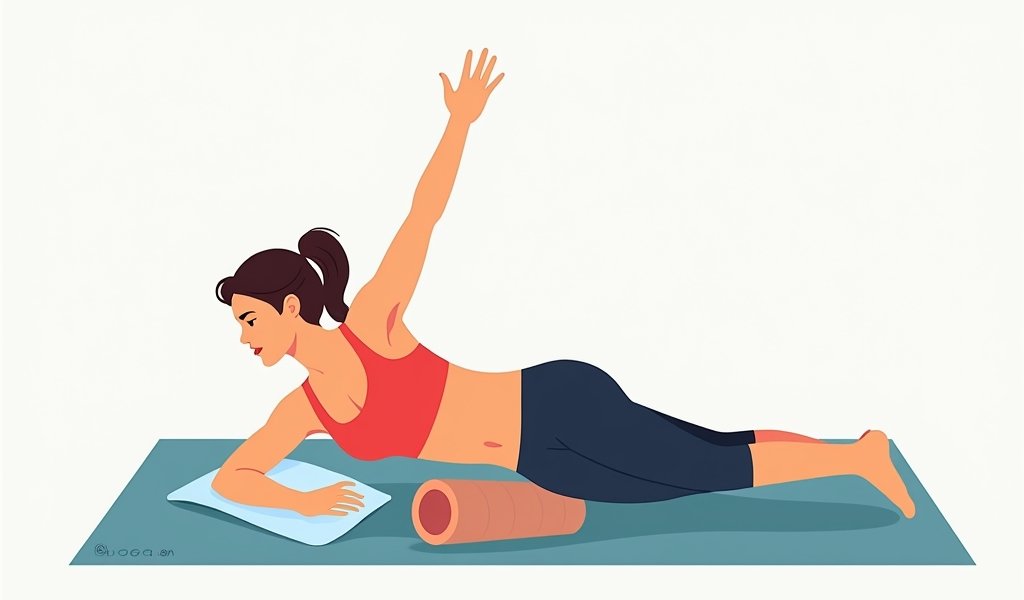
Overview
Recovering from an abdominal muscle tear is like trying to fix your six-pack after it’s been popped open in all the wrong ways! This article outlines a seven-step recovery approach including immediate RICE protocol, proper rest and compression, anti-inflammatory measures, gentle rehabilitation exercises, supportive nutrition, professional treatment options when necessary, and guidelines for safely returning to normal activities.
Table of Contents
- Understanding Ab Muscle Tears: What You Need to Know
- Immediate Actions After an Ab Muscle Tear
- Rest and Compression: The Foundation of Recovery
- Anti-Inflammatory Measures That Actually Work
- Gentle Stretching and Rehabilitation Exercises
- Nutrition Tips to Accelerate Healing
- Professional Treatments Worth Considering
- Gradual Return to Regular Activities
- Conclusion
- Frequently Asked Questions
Understanding Ab Muscle Tears: What You Need to Know
An ab muscle tear, or abdominal strain, can stop even the most dedicated fitness enthusiast in their tracks. 😖 Whether you’re a weekend warrior or a professional athlete, these injuries can be frustrating and painful. But don’t worry – recovery is absolutely possible with the right approach!
Ab muscle tears typically occur when the abdominal muscles (particularly the rectus abdominis or “six-pack” muscles) are stretched beyond their limits or contracted too forcefully. These tears range from mild (Grade 1) with minimal tissue damage to severe (Grade 3) with complete muscle rupture. The symptoms include sharp pain, swelling, muscle spasms, and difficulty performing everyday movements that engage your core.
As a health professional who’s helped countless patients recover from these injuries, I can tell you that understanding what you’re dealing with is the first step toward healing. The good news is that most ab muscle tears can be treated effectively with proper care and patience. In this comprehensive guide, I’ll walk you through seven proven recovery methods that will have you back to your regular activities safely and efficiently.
Immediate Actions After an Ab Muscle Tear
When you first feel that sharp, distinctive pain in your abdominal region, your immediate response can significantly impact your overall recovery timeline. 🚨 The first 24-48 hours are critical!
Start with the RICE protocol – a tried-and-true approach to acute muscle injuries:
- Rest: Immediately stop the activity that caused the injury. Continuing to push through will only worsen the tear.
- Ice: Apply ice to the affected area for 15-20 minutes every 2-3 hours. This helps reduce inflammation and numbs the pain.
- Compression: Use an elastic bandage to provide gentle pressure on the abdominal area, which helps minimize swelling.
- Elevation: While traditional elevation isn’t possible with abdominal injuries as it is with limbs, try resting in a reclined position with your upper body slightly elevated.
During this acute phase, avoid any movements that cause pain. This includes seemingly simple activities like sitting up from a lying position, twisting, or heavy lifting. Instead, roll to your side before sitting up to minimize strain on your abdominal muscles.
According to research published in the Journal of Orthopaedic & Sports Physical Therapy, proper immediate care can reduce recovery time by up to 30% for muscle strains. So take these first steps seriously – your future self will thank you!

Rest and Compression: The Foundation of Recovery
Let’s be honest – for active individuals, rest can be the hardest prescription to follow. But when it comes to an ab muscle tear, proper rest isn’t just suggested; it’s essential. 😴 Think of rest as active recovery rather than doing nothing.
Complete rest is typically necessary for the first few days after injury. This doesn’t mean becoming completely sedentary – just avoiding activities that engage your core muscles. Walking at a gentle pace is usually fine and helps maintain circulation, which is beneficial for healing.
As for compression, it plays a dual role in your recovery. First, it physically supports the injured muscles, preventing excessive movement that might aggravate the tear. Second, it helps control swelling by preventing excess fluid buildup in the damaged tissue.
For effective compression of abdominal muscles:
- Use an elastic abdominal binder or compression wrap
- Ensure it’s snug but not tight enough to restrict breathing or cause discomfort
- Wear it during the day, especially when moving around
- Remove it when sleeping unless specifically advised otherwise by your healthcare provider
Clinical studies show that appropriate compression can reduce recovery time and pain levels in muscle strains. One patient of mine, a dedicated marathon runner, was amazed at how much relief a simple abdominal binder provided during her recovery from a Grade 2 tear.
Remember, the goal of rest and compression isn’t just pain management – it’s creating the optimal environment for your body’s natural healing processes to work efficiently. Be patient with this phase; rushing back to activity too soon is the most common reason for prolonged recovery times.
Anti-Inflammatory Measures That Actually Work
Inflammation is your body’s natural response to injury – a necessary first step in healing. But excessive or prolonged inflammation can actually slow recovery. Finding the right balance is key! 🔍
When it comes to managing inflammation in an ab muscle tear, you have several effective options:
- Cold therapy: Continue using ice for the first 48-72 hours, applying for 15-20 minutes several times daily. The cooling effect reduces blood flow to the area, limiting inflammatory response.
- Over-the-counter medications: Non-steroidal anti-inflammatory drugs (NSAIDs) like ibuprofen can help manage both pain and inflammation. However, use them as directed and only for short periods, as prolonged use can actually impair muscle healing.
- Natural anti-inflammatories: Certain foods and supplements have powerful anti-inflammatory properties. Turmeric (with black pepper for better absorption), ginger, and omega-3 fatty acids can complement your recovery plan.
After the initial acute phase (48-72 hours), you might transition from cold therapy to heat. Warm compresses can increase blood flow to the injured area, bringing fresh nutrients and removing waste products. This transition typically happens once the initial swelling has subsided.
Dr. Thomas Best from the University Hospitals Sports Medicine explains that the right balance of managing inflammation without completely blocking it is crucial for optimal tissue repair. Your body needs some inflammatory response for proper healing, but controlling excessive inflammation prevents additional tissue damage.
One approach I often recommend to patients is alternating between cold and heat treatments after the first few days – 10 minutes of cold followed by 10 minutes of heat, repeated 2-3 times. This contrast therapy can stimulate circulation while still managing inflammation levels.
Gentle Stretching and Rehabilitation Exercises
Once the acute pain and swelling have subsided (usually after 3-7 days), it’s time to gently reintroduce movement. But proceed with caution – this isn’t the time to jump back into your regular workout routine! 🧘♀️
The key word here is “gentle.” Early mobilization helps prevent excessive scar tissue formation and maintains flexibility, but pushing too hard can reinjure the muscle. Start with these gentle movements:
- Deep breathing: Simple diaphragmatic breathing engages the core muscles minimally while improving circulation. Lie on your back with knees bent and breathe deeply, feeling your abdomen rise and fall.
- Pelvic tilts: While lying on your back with knees bent, gently tilt your pelvis by flattening your lower back against the floor, then releasing. This minimally engages the lower abdominals.
- Cat-cow stretch: On hands and knees, alternate between arching and rounding your back, which provides gentle stretching to the entire torso.
As pain decreases, gradually progress to more active exercises:
- Partial curl-ups: Very small movements at first, avoiding pulling on the neck
- Gentle side bends: Standing with one arm overhead, slight lean to the opposite side
- Walking: Gradually increasing duration to improve overall circulation
The American College of Sports Medicine recommends a progressive approach to rehabilitation, emphasizing quality of movement over quantity. Always stay within a pain-free range – feeling a gentle stretch is fine, but sharp pain is a signal to back off.
A physical therapist can be invaluable during this phase, providing personalized guidance on exercise progression. They can also utilize techniques like gentle manual therapy and even modalities such as ultrasound to promote tissue healing.
Remember that healing isn’t linear – you might feel great one day and experience more discomfort the next. This is normal! Listen to your body and adjust your activity level accordingly.

Nutrition Tips to Accelerate Healing
Your body needs the right building blocks to repair damaged muscle tissue. Proper nutrition can significantly speed up recovery and strengthen the healing tissue. 🍎 Let’s fuel your comeback!
Focus on these key nutrients during your recovery period:
- Protein: The fundamental building block for muscle repair. Aim for high-quality sources like lean meats, fish, eggs, dairy, and plant proteins. Spreading protein intake throughout the day is more effective than consuming it all at once.
- Vitamin C: Essential for collagen production, which forms the framework for new tissue. Citrus fruits, berries, bell peppers, and leafy greens are excellent sources.
- Zinc: Supports immune function and tissue repair. Find it in oysters, beef, pumpkin seeds, and lentils.
- Omega-3 fatty acids: These healthy fats help control inflammation and support tissue healing. Fatty fish (salmon, mackerel), walnuts, flaxseeds, and chia seeds are rich sources.
Hydration is equally important but often overlooked. Water is essential for every metabolic process, including tissue repair. Aim for at least 8-10 glasses daily, more if you’re still engaging in physical activity.
Research in the American Journal of Clinical Nutrition indicates that nutritional strategies can modify the inflammatory response, potentially reducing recovery time from muscle injuries. One practical approach is to “eat the rainbow” – consuming a wide variety of colorful fruits and vegetables ensures you’re getting a broad spectrum of healing nutrients and antioxidants.
I often recommend my patients temporarily increase their protein intake by about 20% during recovery from muscle tears. For someone typically consuming 75g of protein daily, this means aiming for about 90g while healing. This provides extra amino acids for tissue repair without overloading the digestive system.
Professional Treatments Worth Considering
While many ab muscle tears heal well with self-care, certain professional treatments can accelerate recovery, especially for more severe tears or when progress plateaus. 👩⚕️ Let’s explore your options!
Consider these evidence-based professional treatments:
- Physical therapy: A skilled PT can design a personalized rehabilitation program, apply specialized techniques like soft tissue mobilization, and ensure you’re progressing safely. They can also identify and address any movement patterns that might have contributed to the injury.
- Therapeutic ultrasound: This treatment uses sound waves to increase local blood flow, reduce swelling, and break down scar tissue. It’s particularly effective for deep tissue healing.
- TENS (Transcutaneous Electrical Nerve Stimulation): These devices deliver low-voltage electrical currents that can help manage pain and potentially stimulate healing.
- Dry needling: Similar to acupuncture but with different goals, this technique can release trigger points and muscle tension around the injured area.
For more severe tears (Grade 2-3), your doctor might recommend:
- Corticosteroid injections: These can provide temporary pain relief in certain cases, though they’re used cautiously as they can sometimes delay healing if used too early.
- Platelet-Rich Plasma (PRP) therapy: This innovative treatment uses components from your own blood to stimulate healing. The evidence is still emerging, but some studies show promising results for muscle injuries.
Dr. Christopher Ahmad, Professor of Orthopedic Surgery at Columbia University Irving Medical Center, notes that the optimal treatment approach depends on several factors including the severity of the tear, your activity goals, and overall health status.
When should you seek professional help? Any ab tear that doesn’t show improvement within a week, causes severe pain, or is accompanied by significant bruising warrants medical evaluation. Additionally, if you’re unsure about the severity of your injury or how to safely progress your rehabilitation, consulting with a healthcare professional is always the prudent choice.
Gradual Return to Regular Activities
The final phase of recovery is often the trickiest to navigate. How do you safely transition back to your normal activities without risking re-injury? 🏃♀️ Let’s create a sensible roadmap!
The key principle is progressive loading – gradually increasing the demands on your healing abdominal muscles. Here’s a general timeline to guide your return:
- Weeks 1-2: Focus on gentle movement and basic daily activities. Avoid anything that causes pain.
- Weeks 2-4: Begin more deliberate strengthening with exercises like partial planks, gentle rotation movements, and walking with proper posture.
- Weeks 4-6: Incorporate more challenging core exercises if pain-free, such as stability ball exercises, standing cable rotations, and controlled side bends.
- Weeks 6-8: Start sport-specific or activity-specific movements at reduced intensity, gradually building up to normal levels.
This timeline is approximate – your individual healing process may be faster or slower. The most important indicator is pain. If an activity causes sharp pain (not just mild discomfort), it’s too soon. Back off and try again in a few days with a modified version.
Some practical tips for safely returning to specific activities:
- Running/Cardio: Begin with walking, then progress to walk/jog intervals, gradually increasing the jogging portions.
- Weightlifting: Start with approximately 50% of your pre-injury weights and focus on perfect form. Add weight gradually over several sessions.
- Sports: Practice individual skills before returning to full competitive play. For example, a tennis player might practice controlled serving before engaging in a match.
Recent research in the British Journal of Sports Medicine emphasizes that successful return to activity follows a criteria-based progression rather than a strict timeline. Work with your healthcare provider to establish clear milestones that indicate readiness to advance.
Remember that even after you’ve returned to your normal activities, your previously injured abdominal muscles may benefit from continued attention. Maintaining core strength, flexibility, and proper movement patterns will help prevent future injuries.
Conclusion
Recovering from an ab muscle tear requires patience, consistency, and a strategic approach. By following these seven proven methods – immediate action, proper rest and compression, managing inflammation, gentle stretching and rehabilitation, supportive nutrition, professional treatments when needed, and a gradual return to activity – you’re setting yourself up for optimal healing. 🌟
Remember that every person’s healing journey is unique. Some may bounce back quickly from a minor tear, while others might need more time and support for a complete recovery. The most important thing is to listen to your body and respect its signals.
Throughout the recovery process, maintain a positive mindset. Research consistently shows that psychological factors play a significant role in physical healing. Visualize your muscles repairing themselves, stay connected with your fitness community for moral support, and focus on what you can do rather than what you temporarily cannot.
With proper care and the right approach, you’ll not only recover from your ab muscle tear but potentially come back stronger and more body-aware than before. This injury can be an opportunity to address weaknesses, improve movement patterns, and develop a more balanced approach to your physical activities.
Frequently Asked Questions
How long does it take for an ab muscle tear to heal completely?
Healing time varies based on severity – mild (Grade 1) tears typically heal in 2-3 weeks, while severe (Grade 3) tears may take 8-10 weeks or longer. Complete healing depends on following proper recovery protocols and not returning to full activity too soon.
Can I still exercise with an ab muscle tear?
During the acute phase (first week), avoid exercises that engage your core. As healing progresses, gentle activities like walking and specific rehabilitation exercises recommended by your healthcare provider are beneficial.
How can I tell the difference between muscle soreness and an ab tear?
Muscle soreness typically feels dull, affects broader areas, and improves with gentle movement. An ab tear causes sharp, localized pain that worsens with specific movements and may include visible bruising or swelling.
Should I use heat or ice for an ab muscle tear?
Use ice for the first 48-72 hours to reduce inflammation and swelling. After the acute phase, heat can be beneficial to increase blood flow and promote healing.
Do I need surgery for an ab muscle tear?
Most ab muscle tears heal without surgery, even complete tears. Surgery is rarely needed except in certain cases involving elite athletes or when the tear affects structural integrity of the abdominal wall.