
Overview
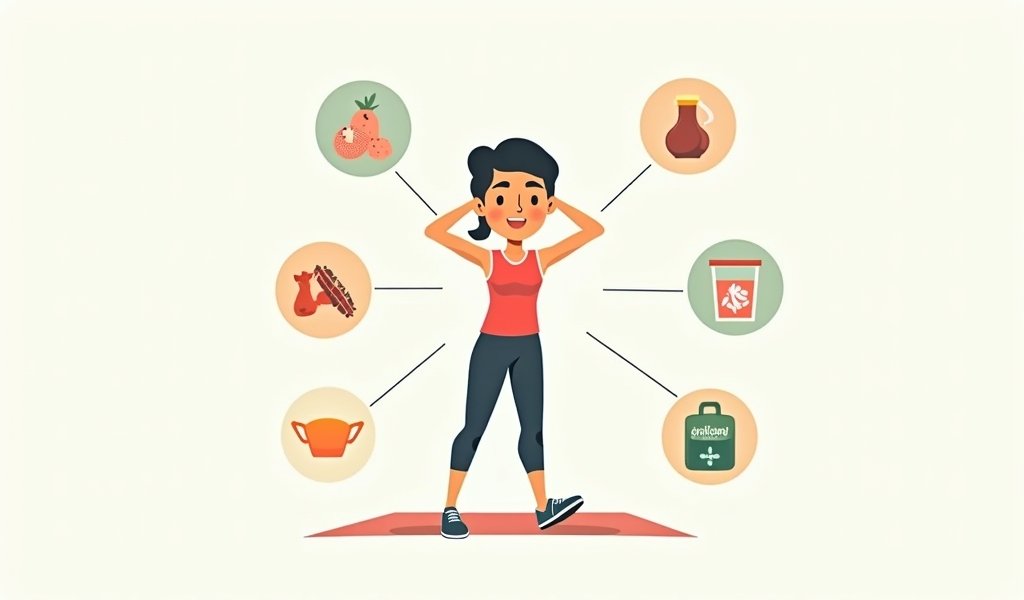
Amid the $4.5 trillion wellness industry’s avalanche of questionable supplements and Instagram gurus showing off abs you’ll never have, this article cuts through the noise with five evidence-based health solutions that actually work: the Mediterranean diet, HIIT workouts, strength training, mindfulness practices, and sleep optimization. These approaches form an interconnected system for sustainable health improvement, with research showing they deliver genuine results through small, consistent changes rather than dramatic, short-lived overhauls.
Table of Contents
- Introduction
- The Importance of Evidence-Based Approaches
- Solution #1: Mediterranean Diet
- Solution #2: High-Intensity Interval Training (HIIT)
- Solution #3: Strength Training for Longevity
- Solution #4: Mindfulness and Stress Management
- Solution #5: Sleep Optimization
- Creating a Sustainable Integrated Approach
- Conclusion
- Frequently Asked Questions
Introduction
In today’s wellness landscape, finding truly effective health solutions can feel overwhelming. The global health and fitness market has ballooned to over $4.5 trillion, flooding us with everything from dubious supplements to contradictory advice from social media influencers.
As a healthcare professional, I’ve seen countless patients confused by flashy marketing and empty promises. That’s why I’ve created this comprehensive review of five genuinely effective, science-backed health and fitness solutions. No gimmicks or false claims—just approaches that deliver real results according to rigorous research.
Whether you’re just beginning your wellness journey or looking to optimize an established routine, these evidence-based strategies can transform temporary attempts into sustainable lifestyle changes that genuinely improve your health.
The Importance of Evidence-Based Approaches
When it comes to health and fitness, not all advice is created equal. In my practice, I’ve watched patients waste time and money on trendy approaches that promised the world but delivered little.
To separate fact from fiction, I’ve applied strict criteria focusing on:
- Research published in peer-reviewed scientific journals
- Long-term studies showing sustainable results
- Consistent findings across multiple independent studies
- Practical approaches that real people can implement
- Solutions endorsed by credentialed health professionals
This methodical approach helps filter out what merely sounds appealing from what actually works. Your health journey deserves to be built on solid science, not clever marketing or anecdotal success stories.

Solution #1: Mediterranean Diet
The Mediterranean diet stands as one of the most thoroughly researched dietary patterns in scientific literature. It’s not a restrictive eating plan but rather a regional approach centered around whole foods.
This eating pattern emphasizes:
- Abundant plant foods (vegetables, fruits, whole grains, legumes, nuts)
- Olive oil as the primary fat source
- Regular consumption of fish and seafood
- Moderate amounts of dairy, eggs, and poultry
- Limited red meat intake
- Optional moderate wine consumption with meals
The landmark PREDIMED study found that following a Mediterranean diet supplemented with olive oil or nuts reduced cardiovascular events by approximately 30% compared to a low-fat diet. Further research has linked this eating pattern to reduced inflammation, better brain health, and longer telomeres—a biological marker of aging.
Implementing this approach is remarkably straightforward. Start by:
- Replacing butter and vegetable oils with extra virgin olive oil
- Adding an extra serving of vegetables to each meal
- Including legumes like beans, lentils, or chickpeas twice weekly
- Eating fish at least twice weekly
- Choosing fresh fruit instead of processed desserts
While tremendously beneficial for most people, those with specific food allergies or dietary restrictions may need appropriate modifications. Remember that portion control still matters—swimming in olive oil won’t magically negate excess calories.
Solution #2: High-Intensity Interval Training (HIIT)
“I don’t have enough time to exercise” is perhaps the most common barrier I hear from patients. That’s precisely why HIIT has revolutionized fitness approaches for busy professionals and parents alike.
HIIT involves short bursts of intense activity alternated with recovery periods. Research in the Journal of Physiology demonstrates that just 20-30 minutes of HIIT produces similar physiological adaptations as much longer steady-state cardio sessions.
The benefits extend far beyond time efficiency:
- Significant improvements in cardiovascular health markers
- Enhanced insulin sensitivity and glucose regulation
- Elevated metabolism that continues post-exercise (the “afterburn” effect)
- Preservation of lean muscle during fat loss
- Improved VO2 max (a key indicator of cardiorespiratory fitness)
A simple starter HIIT protocol might look like this:
- 3-minute warm-up of light movement
- 30 seconds of all-out effort (sprinting, jumping jacks, mountain climbers)
- 90 seconds of active recovery (walking, gentle movement)
- Repeat for 7-8 rounds (total workout time: 20 minutes)
- 3-minute cool-down with gentle stretching
While HIIT offers remarkable efficiency, it’s not appropriate for everyone. Those with heart conditions, joint problems, or beginners to exercise should start with more moderate approaches or consult healthcare providers first.
The beauty of HIIT is its versatility—it can be adapted to walking, swimming, cycling, or bodyweight exercises based on individual capabilities and preferences. The key is the intensity contrast between work and recovery intervals, not the specific movements.
Solution #3: Strength Training for Longevity
If there’s one fitness modality that remains underutilized despite overwhelming evidence, it’s strength training—especially for women and older adults. Clinical research has transformed our understanding of resistance exercise, revealing benefits far beyond aesthetics.
A comprehensive review in Sports Medicine found that regular strength training:
- Increases bone mineral density, reducing fracture risk
- Preserves muscle mass that naturally declines with age (sarcopenia)
- Improves glucose metabolism and insulin sensitivity
- Enhances functional movement and reduces fall risk
- May improve cognitive function and brain health
The persistent myth that women will become “bulky” from strength training ignores basic physiology. Without substantial testosterone levels or specific training protocols designed for maximum hypertrophy, most women develop lean, defined muscles rather than significant bulk.
Getting started requires minimal equipment:
- Bodyweight exercises (push-ups, squats, lunges)
- Resistance bands for added challenge
- Dumbbells for basic movements
- Eventually, barbell exercises for those interested in progressive loading
For beginners, follow this simple progression:
- Master proper form with bodyweight exercises
- Perform 2-3 sessions weekly, focusing on major movement patterns
- Start with higher repetitions (12-15) and gradually increase weight
- Focus on progressive overload—gradually increasing challenge
- Prioritize compound movements that work multiple muscle groups
The investment in strength training pays extraordinary dividends in later life. As one of my 78-year-old patients often says, “I don’t lift weights to live longer—I lift weights to live better while I’m here.”

Solution #4: Mindfulness and Stress Management
As a healthcare provider, I’ve observed a fascinating pattern: patients who manage stress effectively often experience better outcomes across all health metrics. The mind-body connection isn’t metaphysical—it’s written in our biology through inflammatory markers, hormone levels, and immune function.
Chronic stress contributes to numerous health issues through persistent elevation of cortisol and other stress hormones. These hormones, when chronically elevated, contribute to inflammation, immune dysfunction, and even visceral fat accumulation.
Mindfulness practices have emerged from ancient traditions into mainstream medicine with substantial scientific backing. A meta-analysis in JAMA Internal Medicine found that mindfulness programs demonstrated moderate evidence of improving anxiety, depression, and pain.
Effective stress-management techniques include:
- Mindfulness meditation (even 10 minutes daily shows measurable benefits)
- Deep breathing exercises (particularly diaphragmatic breathing)
- Progressive muscle relaxation
- Regular time in nature
- Gratitude practices
For beginners, I recommend the “one-minute mindfulness” approach: set three alarms throughout your day as reminders to take 60 seconds for focused breathing. This tiny intervention creates space between stimulus and response—a crucial skill for stress resilience.
Remember that stress management isn’t about eliminating stress (impossible and actually undesirable) but developing recovery capacity. Think of it as emotional fitness complementing your physical fitness routine.
Solution #5: Sleep Optimization
Sleep might be the most underappreciated pillar of health in our achievement-oriented culture. During sleep, your body repairs tissue, consolidates memory, balances hormones, and clears metabolic waste from the brain through the glymphatic system.
Research published in the Annals of Internal Medicine found that insufficient sleep reduced fat loss by 55% in dieters, even when calorie intake remained constant. Just one night of poor sleep can:
- Increase hunger hormones like ghrelin
- Reduce insulin sensitivity
- Impair cognitive performance and decision-making
- Decrease testosterone levels in men
- Compromise immune function
Optimizing your sleep environment and habits (known as sleep hygiene) can dramatically improve both sleep quality and quantity:
- Maintain consistent sleep-wake times (even weekends)
- Create a cool (65-68°F), dark, quiet sleeping environment
- Limit screen exposure 1-2 hours before bed
- Avoid caffeine after midday and alcohol close to bedtime
- Develop a wind-down routine signaling to your body it’s time for rest
For patients needing additional support, I often recommend:
- White noise machines to mask disruptive sounds
- Weighted blankets for anxiety reduction
- Sleep tracking devices to identify patterns and issues
- Cognitive Behavioral Therapy for Insomnia (CBT-I) for chronic sleep problems
Unlike many health interventions requiring addition, sleep optimization often involves subtraction—removing the barriers to what your body naturally wants to do. As I tell my patients: your body knows how to sleep; we just need to create the conditions that allow it.
Creating a Sustainable Integrated Approach
The real magic happens when these five evidence-based solutions work together synergistically. The Mediterranean diet reduces inflammation, making recovery from HIIT workouts more efficient. Strength training improves sleep quality, while better sleep enhances workout performance and dietary choices. Mindfulness improves eating awareness and reduces stress-related cravings.
Rather than attempting a complete lifestyle overhaul, I advise patients to create their personalized approach by:
- Assessing current baseline in each area
- Selecting one area where they have the most interest or need
- Implementing small, sustainable changes rather than dramatic shifts
- Adding additional elements gradually as habits solidify
- Tracking progress with both objective measures and subjective feelings
Remember that consistency trumps perfection. A Mediterranean-style diet followed 80% of the time delivers far more benefits than a “perfect” plan abandoned after three demanding weeks.
The most successful patients I’ve worked with focus on progress, not perfection. They understand that health is built through daily choices rather than occasional heroic efforts.
Conclusion
In a health and fitness landscape cluttered with quick fixes and miracle claims, these five evidence-based approaches stand out for their proven effectiveness and sustainability. The Mediterranean diet, HIIT, strength training, mindfulness practices, and sleep optimization provide a comprehensive framework for genuine health improvement—not just aesthetic changes or temporary results.
As a healthcare provider, I’ve seen these approaches transform patients’ lives in ways that far exceed weight loss or physical appearance. Energy levels increase, mood stabilizes, chronic conditions improve, and confidence grows from a genuine sense of well-being.
Start with just one area that resonates most with your current needs and lifestyle. Small, consistent improvements compound over time, creating a foundation for additional positive changes. Remember that health is a lifelong journey, not a 30-day challenge.
Which of these five areas will you focus on first? The choice is personal, but the evidence is clear: these proven solutions offer the most reliable path to sustainable health and fitness.
Frequently Asked Questions
How quickly will I see results from these five proven solutions?
Most people notice improvements in energy and mood within 2-3 weeks. Measurable physical changes typically become apparent after 6-8 weeks of consistent implementation.
Do I need to implement all five solutions at once?
No, starting with just one area is recommended for sustainability. Begin with the approach that interests you most or addresses your primary concern.
Is the Mediterranean diet appropriate for vegetarians and vegans?
Yes, the Mediterranean diet can be adapted for plant-based eaters by emphasizing legumes, nuts, seeds, and plant proteins. The core principles of abundant plant foods and healthy fats remain the same.
How often should I do HIIT workouts?
Most research suggests 2-3 HIIT sessions weekly for optimal results. Due to its intensity, your body needs recovery time between sessions.
Can I improve my sleep without changing my evening screen time habits?
While limiting evening screen time provides the best results, blue-light blocking glasses can significantly reduce the sleep-disrupting effects if screen use is unavoidable. Other sleep hygiene practices can also help compensate.