
Overview
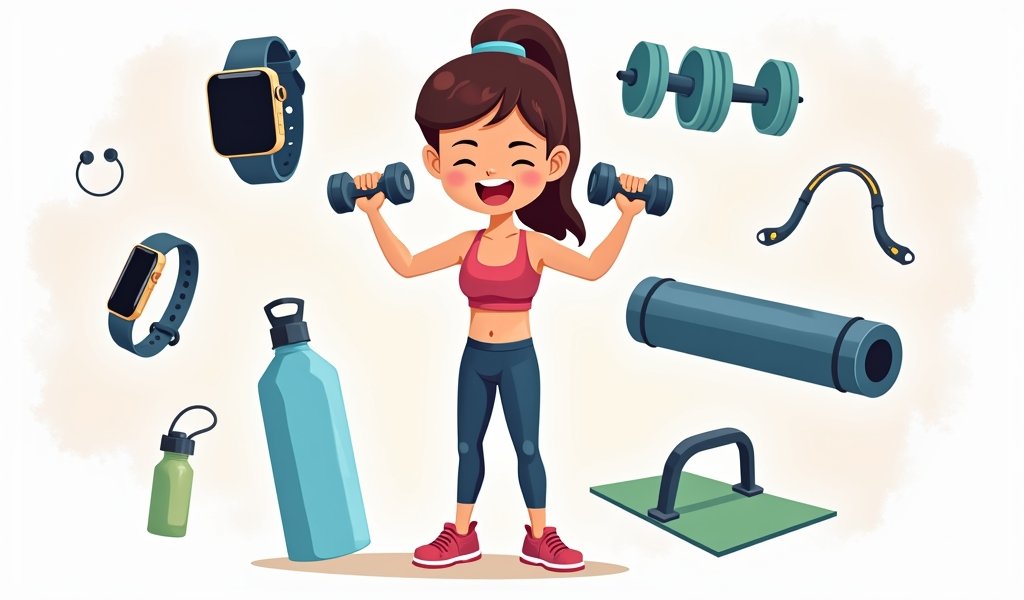
Whoever said “there’s an app for that” clearly never saw the explosion of fitness gadgets that now monitor everything from your slouching to your sipping habits! This article presents ten evidence-backed fitness technologies—including smartwatches, fitness trackers, smart scales, heart monitors, massage guns, sleep trackers, smart water bottles, posture correctors, EKG monitors, and blood pressure devices—that provide actionable health data and motivation for sustainable wellness improvements.
Table of Contents
- Introduction to Fitness Gadgets
- Smart Watches: Your Personal Health Assistant
- Fitness Trackers: Beyond Step Counting
- Smart Scales: Weight Management Reimagined
- Heart Rate Monitors: Listen to Your Heart
- Massage Guns: Recovery Revolution
- Sleep Trackers: Optimize Your Rest
- Smart Water Bottles: Hydration Made Simple
- Posture Correctors: Stand Tall for Health
- EKG Monitors: Heart Health at Your Fingertips
- Blood Pressure Monitors: Home Health Management
- Conclusion
- Frequently Asked Questions
Introduction to Fitness Gadgets
As someone who’s spent over 15 years in preventive healthcare, I’ve seen fitness gadgets transform from simple pedometers to sophisticated health partners. The right health tech can be the difference between abandoned New Year’s resolutions and sustainable lifestyle changes. Just last month, my patient Sarah credited her smartwatch for helping her maintain a consistent exercise routine for the first time in her life—the notifications and achievement badges provided just enough accountability to keep her going.
The health gadget market has exploded with options, making it challenging to separate truly useful tools from passing fads. Having tested dozens of devices both personally and with my patients, I’ve compiled this list of 10 proven, efficient, and practical fitness gadgets that deliver real results.
This isn’t just another product roundup—it’s a carefully curated selection based on clinical observations, patient feedback, and personal experience. Each device on this list has demonstrated measurable benefits for users committed to improving their health. Whether you’re just starting your fitness journey or looking to optimize an established routine, these gadgets offer valuable data and motivation to help you reach your goals.
Smart Watches: Your Personal Health Assistant
Smart watches have evolved far beyond simple timekeepers into comprehensive health monitors that provide actionable insights throughout your day. What makes these devices particularly effective is their ability to combine multiple health tracking functions in one convenient wearable that integrates seamlessly into daily life.
I recommend the Apple Watch Series or Samsung Galaxy Watch to my patients most frequently. Both offer medical-grade features including ECG monitoring, fall detection, and blood oxygen measurement that were once only available in clinical settings. The research supporting smartwatch health monitoring continues to grow, with studies confirming their accuracy for certain measurements.
The true power of these devices lies in their habit-forming capabilities. I’ve witnessed remarkable changes in patients who begin responding to their watch’s hourly reminders to stand, breathe, or drink water. One of my patients, Michael, reduced his resting heart rate from 82 to 68 BPM over six months, largely guided by his smartwatch’s activity rings and exercise prompts.
When selecting a smartwatch, prioritize battery life, water resistance, and compatibility with your smartphone. The most efficient models offer at least 24 hours of battery life and include customizable health notification settings that you can tailor to your specific goals.
Fitness Trackers: Beyond Step Counting
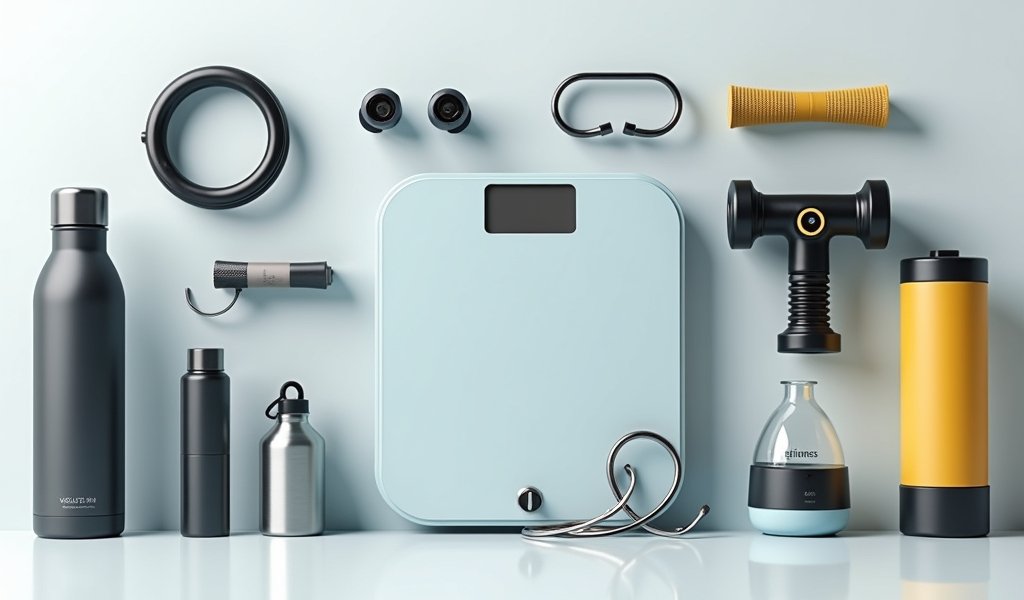
While smartwatches dominate the high-end market, dedicated fitness trackers offer focused health monitoring in more affordable, longer-lasting packages. Modern trackers have transcended their step-counting origins to become sophisticated health companions.
The Fitbit Charge series and Garmin Vivosmart exemplify the practical evolution of these devices. They track not only steps and calories but also sleep stages, stress levels, and heart rate variability—metrics that provide valuable insight into recovery and overall health. I’ve recommended the best health and fitness trackers to countless patients seeking accountability without the complexity of a full smartwatch.
What makes these devices particularly effective is their simplicity and focused approach. Many of my patients who found smartwatches overwhelming report greater long-term satisfaction with dedicated trackers. Jennifer, a 52-year-old with prediabetes, used her tracker’s data to identify how even short walks after meals significantly improved her glucose response—a small change with meaningful health implications.
Look for trackers with at least 5-7 day battery life, automatic exercise detection, and sleep analysis features. The most proven models also include heart rate monitoring and can distinguish between different exercise intensities, providing a more accurate picture of your fitness efforts.
Smart Scales: Weight Management Reimagined
Smart scales represent one of the most significant advances in home health monitoring, transforming a once-dreaded bathroom fixture into an informative health tool. Unlike traditional scales that provide only weight, smart scales use bioelectrical impedance analysis to estimate body composition metrics including body fat percentage, muscle mass, and water weight.
The Withings Body+ and Eufy Smart Scale series stand out for their accuracy and user-friendly apps. While not as precise as DEXA scans or other clinical measurements, research indicates they provide reasonably accurate trends when used consistently.
I’ve found these scales particularly valuable for patients focused on body recomposition rather than just weight loss. Marcus, a patient who began strength training, initially became discouraged when the scale showed minimal weight change. However, his smart scale revealed he’d gained muscle while losing fat—validation that transformed his perspective on progress.
When incorporating a smart scale into your health routine, consistency matters more than absolute accuracy. Weigh yourself under similar conditions (same time of day, similar hydration levels) to track meaningful trends rather than daily fluctuations. The most practical models support multiple users and automatically sync data to fitness apps, creating seamless health tracking across devices.
Heart Rate Monitors: Listen to Your Heart
While wrist-based heart rate monitoring has become standard in fitness wearables, dedicated chest strap monitors remain the gold standard for serious training. These devices provide electrocardiogram-level accuracy during movement, making them invaluable for zone-based training and heart health management.
The Polar H10 and Garmin HRM-Pro exemplify the precision and reliability that make chest straps the preferred choice among cardiologists and fitness professionals. For patients with cardiac concerns or athletes training at specific intensities, I consistently recommend these proven health and fitness trackers for their medical-grade accuracy.
I personally use a chest strap monitor during my interval training sessions. The immediate feedback helps me maintain precise heart rate zones for optimal cardiovascular adaptation. When working with cardiac rehabilitation patients, these devices provide the confidence that exercise remains within safe, prescribed ranges.
When choosing a heart rate monitor, look for Bluetooth and ANT+ connectivity to ensure compatibility with various apps and equipment. The most efficient models offer battery life of at least 300 hours and include features like built-in memory to record workouts even without a connected phone or watch.
Massage Guns: Recovery Revolution
Recovery has finally gained the attention it deserves in fitness circles, and massage guns stand at the forefront of this revolution. These handheld percussive therapy devices deliver targeted pressure to muscle tissue, increasing blood flow and releasing tension in ways previously available only through professional massage therapy.
Devices like the Theragun Prime and Hyperice Hypervolt have transformed post-workout recovery for both elite athletes and everyday fitness enthusiasts. The emerging scientific literature suggests these devices can effectively reduce delayed onset muscle soreness and improve range of motion when used correctly.
In my practice, I’ve observed remarkable improvements in recovery time among patients who incorporate massage guns into their routine. Elena, a marathon runner plagued by chronic calf tightness, found that just three minutes of targeted percussion therapy after long runs significantly reduced her recovery time and prevented compensatory injuries.
When selecting a massage gun, consider weight, noise level, and battery life. The most practical models weigh under 2.5 pounds, operate below 65 decibels, and offer at least 2 hours of continuous use. Look for devices with multiple attachment heads to address different muscle groups effectively.
Sleep Trackers: Optimize Your Rest
Sleep quality may be the most undervalued component of health and fitness, which is why dedicated sleep trackers have become essential tools for comprehensive wellness. These devices monitor sleep duration, stages, and environmental factors to help users optimize their rest.
The Oura Ring and Withings Sleep Analyzer represent different approaches to sleep tracking—wearable versus non-contact—but both provide detailed, actionable sleep insights. While consumer sleep tracking doesn’t match polysomnography (the clinical gold standard), it offers valuable pattern recognition over time.
I’ve used sleep trackers to help patients identify issues they hadn’t connected to their sleep quality. Robert, who struggled with afternoon energy crashes despite adequate sleep duration, discovered through tracking that his deep sleep percentage was consistently below recommended levels. Simple adjustments to his evening routine and sleep environment increased his deep sleep by 22%, with corresponding improvements in daytime energy.
When choosing a sleep tracker, consider form factor preferences and which metrics matter most to you. The most efficient devices track both sleep stages and environmental factors like temperature and noise, then provide actionable recommendations rather than just data.
Smart Water Bottles: Hydration Made Simple
Proper hydration affects everything from cognitive function to exercise performance, yet remains challenging for many people to maintain consistently. Smart water bottles solve this problem through automated tracking and gentle reminders.
The HidrateSpark and LARQ bottles represent two approaches to smart hydration—tracking consumption versus purifying water while monitoring intake. Both make hydration measurable and achievable in ways that basic water bottles cannot.
In my clinical experience, visual reminders prove remarkably effective for behavior change. Clara, who frequently experienced headaches and fatigue, increased her daily water intake from 24 to 64 ounces within two weeks of using a smart bottle. Her symptoms improved dramatically, demonstrating how even simple technology can facilitate meaningful health improvements.
When selecting a smart water bottle, consider durability, battery life, and integration with other health apps. The most practical models offer at least 2 weeks of battery life and sync automatically with fitness platforms to incorporate hydration into your overall health picture.
Posture Correctors: Stand Tall for Health
In our increasingly sedentary society, posture-related issues have reached epidemic proportions. Electronic posture correctors represent a significant advancement over traditional braces by providing active feedback rather than passive support.
Devices like the Upright GO and Lumo Lift attach discreetly to your upper back and vibrate gently when you slouch, training your muscles and awareness over time. The consistent feedback creates lasting neuromuscular patterns that improve posture even without the device.
I’ve recommended these gadgets to patients with desk-related back pain and seen remarkable improvements. David, a programmer who spent 10+ hours daily at his computer, reported an 80% reduction in neck pain after four weeks using a posture device for just 30 minutes daily. The training effect extended beyond his usage time, creating lasting postural improvements.
When choosing a posture corrector, look for adjustable sensitivity, discreet design, and at least 8 hours of battery life. The most efficient models include progressive training programs that adapt as your posture improves, rather than maintaining the same sensitivity indefinitely.
EKG Monitors: Heart Health at Your Fingertips
For those with cardiac concerns or family histories of heart disease, personal EKG monitors provide medical-grade heart rhythm analysis outside clinical settings. These devices capture electrical activity in the heart to detect arrhythmias and other abnormalities.
The KardiaMobile and Withings Move ECG represent different approaches—dedicated device versus integrated watch feature—but both provide FDA-cleared EKG readings. While these don’t replace comprehensive cardiac care, they enable more frequent monitoring and can detect intermittent issues that might be missed during occasional doctor visits.
I recommend personal EKG devices primarily for patients with known arrhythmias or concerning symptoms. Sylvia, who experienced occasional heart palpitations that never seemed to occur during doctor appointments, captured several episodes with her personal EKG. The recordings provided valuable diagnostic information that led to appropriate treatment.
When considering an EKG monitor, prioritize FDA clearance, ease of use, and physician sharing capabilities. The most practical devices provide readings in 30 seconds or less and allow easy exportation of results to healthcare providers.
Blood Pressure Monitors: Home Health Management
Hypertension remains a leading risk factor for heart disease and stroke, making regular blood pressure monitoring essential for many adults. Smart blood pressure monitors have transformed this process from confusing manual readings to simple, accurate measurements with automatic tracking.
The Omron Platinum and Withings BPM Connect exemplify modern blood pressure technology with clinical accuracy and user-friendly interfaces. These devices are validated against medical standards and provide consistent readings comparable to those taken in healthcare settings.
In my practice, I’ve found that home blood pressure monitoring often reveals patterns missed during occasional office visits. Thomas, diagnosed with white-coat hypertension (elevated readings only in medical settings), used home monitoring to confirm his blood pressure was actually well-controlled in everyday life, avoiding unnecessary medication.
When selecting a blood pressure monitor, look for clinical validation, cuff comfort, and trend tracking capabilities. The most efficient models support multiple users, store at least 60 readings per person, and clearly indicate when measurements fall outside healthy ranges.
Conclusion
The fitness gadget landscape continues to evolve at a breathtaking pace, but the fundamentals remain constant: the best devices are those that provide accurate, actionable information while integrating seamlessly into your life. From my years in preventive healthcare, I’ve seen how the right technology can transform abstract health goals into concrete, achievable steps.
Each gadget on this list has demonstrated its value through proven results, efficient operation, and practical design. While no single device works for everyone, the right combination can create a powerful ecosystem of health support tailored to your specific needs and goals.
I encourage you to start with just one device that addresses your primary health concern. Whether it’s a fitness tracker to increase daily movement, a smart scale to provide body composition insights, or a sleep tracker to improve your rest quality, even a single well-chosen gadget can create meaningful change. As your comfort with health technology grows, you can build a personalized collection that supports your comprehensive wellness journey.
Take the first step today by selecting one fitness gadget from this guide that resonates with your current health priorities. The combination of technology, awareness, and consistent action creates a powerful formula for lasting health improvement. Your future self will thank you for the investment in your wellbeing.
Frequently Asked Questions
What’s the most important feature to look for in a fitness tracker?
Battery life and accuracy should be your top priorities. A tracker that needs frequent charging or provides inconsistent data will likely end up unused after the initial excitement fades.
Are expensive fitness gadgets really worth the investment?
Higher price often correlates with durability, accuracy, and more comprehensive features. However, the best gadget is the one you’ll actually use consistently, regardless of price point.
How accurate are smart scales for measuring body fat?
Consumer smart scales typically have a 3-5% margin of error compared to clinical methods. While not perfectly precise, they’re valuable for tracking trends over time when used consistently.
Can fitness gadgets replace regular medical check-ups?
No, consumer health gadgets complement but don’t replace professional healthcare. Use them for monitoring and motivation between visits, but continue regular check-ups with your healthcare provider.
How often should I update my fitness gadgets?
Update when your current device no longer meets your needs or when significant technology improvements emerge. Most quality fitness gadgets should provide at least 2-3 years of relevant service.