
Overview
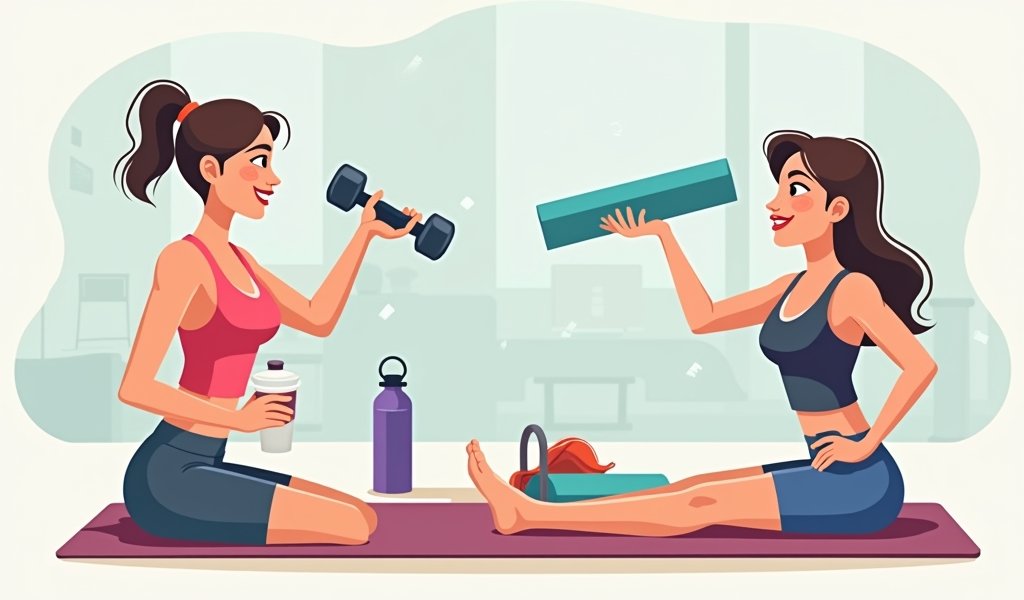
Who knew that sweaty gym socks and tangled earbuds weren’t the secret to fitness success? This article outlines ten essential workout items that can dramatically improve exercise performance and comfort, including moisture-wicking clothes, quality athletic shoes, resistance bands, and fitness trackers. Each recommendation is backed by scientific research and practical benefits, emphasizing how proper gear not only enhances workout effectiveness but also contributes to injury prevention, recovery optimization, and long-term exercise adherence.
Table of Contents
- Introduction
- Moisture-Wicking Workout Clothes
- Quality Athletic Shoes
- Reusable Water Bottle
- Fitness Tracker or Smartwatch
- Resistance Bands
- Foam Roller
- Wireless Earbuds
- Dedicated Gym Bag
- Workout Gloves
- Post-Workout Supplements
- Conclusion
- Frequently Asked Questions
Introduction
Finding the right workout gear can make the difference between an effective fitness routine and one that falls short of your goals. As a health professional with over a decade of experience in sports medicine and fitness coaching, I’ve seen firsthand how the proper equipment can transform workout performance, comfort, and results. The right essentials not only enhance your exercise experience but also help prevent injuries and boost motivation. Whether you’re a seasoned athlete or just beginning your fitness journey, investing in quality workout gear is crucial for long-term success and sustainability.
In this comprehensive guide, we’ll explore 10 proven workout essentials that deserve a place in your fitness arsenal. Each item has been selected based on scientific evidence, professional experience, and positive feedback from clients across various fitness levels. These essentials cater to different workout styles, budgets, and fitness goals, making them versatile additions to any exercise routine.
Let’s dive into these game-changing workout essentials that can elevate your fitness experience in 2023 and beyond.
1. Moisture-Wicking Workout Clothes
Quality workout clothes aren’t just about looking good at the gym—they’re functional tools that significantly impact your exercise performance and comfort. Moisture-wicking fabrics have revolutionized fitness apparel by drawing sweat away from your skin and allowing it to evaporate quickly, keeping you dry and comfortable throughout your workout.
The science behind moisture-wicking technology is fascinating. These specialized fabrics typically contain polyester or nylon blends that create capillary action, pulling moisture away from the body to the fabric’s outer surface. This process helps regulate your body temperature and prevents the uncomfortable, heavy feeling of sweat-soaked clothing.
When shopping for workout clothes, look for these key features:
- Four-way stretch material for unrestricted movement
- Flatlock seams to prevent chafing during repetitive motions
- Anti-microbial properties to reduce odor-causing bacteria
- UPF protection for outdoor workouts
According to a study published in the Journal of Sports Sciences, appropriate clothing can improve thermal comfort during exercise, potentially enhancing performance and extending workout duration. Invest in a few quality pieces rather than numerous cheaper options—they’ll last longer and perform better through multiple wash cycles.
2. Quality Athletic Shoes

Proper footwear forms the foundation of any effective workout routine. Athletic shoes are not a one-size-fits-all solution—they’re specialized tools designed for specific activities and individual biomechanics. The right pair provides crucial support, cushioning, and stability, preventing injuries and enhancing performance.
As someone who regularly assesses gait patterns and foot mechanics, I can’t stress enough the importance of shoes that match your foot type and workout style. Running shoes, for instance, differ significantly from cross-training shoes in their cushioning distribution, heel drop, and flexibility patterns.
When selecting athletic shoes, consider these factors:
- Foot arch type (high, neutral, or flat)
- Primary exercise modality (running, HIIT, weightlifting, etc.)
- Pronation pattern (how your foot rolls inward upon landing)
- Toe box width to accommodate natural foot splay
Most quality athletic shoes need replacement every 300-500 miles or 4-6 months of regular use. This might seem frequent, but research from the American Academy of Podiatric Sports Medicine suggests that worn shoes lose their structural integrity and shock absorption properties, potentially leading to stress injuries.
Remember: your feet carry your entire body through every workout. Investing in appropriate footwear is investing in your long-term musculoskeletal health.
3. Reusable Water Bottle
Hydration is a cornerstone of effective workouts, yet it’s often overlooked in fitness discussions. Even mild dehydration (just 2% of body weight) can significantly impair physical performance, cognitive function, and thermoregulation. A dedicated reusable water bottle serves as both a practical tool and a visual reminder to maintain proper hydration before, during, and after exercise.
The market offers numerous options, from simple BPA-free plastic bottles to sophisticated insulated stainless steel models that keep liquids cold for hours. When selecting a water bottle, prioritize functionality over trendiness—features like leak-proof seals, one-handed operation, and easy cleaning can make a substantial difference in daily use.
For most moderate-intensity workouts lasting under an hour, plain water is perfectly adequate. However, for high-intensity or endurance sessions exceeding 60-90 minutes, consider bottles with measurement markings to help track intake or wide-mouth designs that accommodate electrolyte tablets or powders.
According to the American College of Sports Medicine, individuals should aim to replace fluid losses during exercise, which typically means consuming 3-8 ounces of fluid every 15-20 minutes during activity. Having your water bottle easily accessible increases the likelihood of meeting these hydration goals.
4. Fitness Tracker or Smartwatch
The fitness technology revolution has transformed how we approach exercise monitoring and goal-setting. Modern fitness trackers and smartwatches offer unprecedented insights into workout intensity, recovery needs, and progress patterns that were previously only available in research laboratories.
These devices have evolved far beyond simple step counters. Today’s models monitor heart rate variability, sleep quality, stress levels, VO2 max estimates, and even blood oxygen saturation. This comprehensive data collection allows for truly personalized fitness approaches based on objective measurements rather than subjective feelings.
From a clinical perspective, the value of these devices lies in their ability to:
- Establish accurate baselines for various health metrics
- Provide immediate feedback on workout intensity zones
- Track recovery patterns between training sessions
- Motivate consistent behavior through achievement tracking
While basic models offer adequate functionality for most exercisers, more advanced users might benefit from features like GPS tracking, programmed workout guidance, or sport-specific metrics. When selecting a device, prioritize accuracy (particularly for heart rate monitoring) over excessive features you may never use.
A 2022 systematic review found that wearable activity trackers were associated with increased physical activity levels in various populations, suggesting their effectiveness as motivational tools. However, remember that these devices are supplements to—not replacements for—proper exercise programming and technique.
5. Resistance Bands
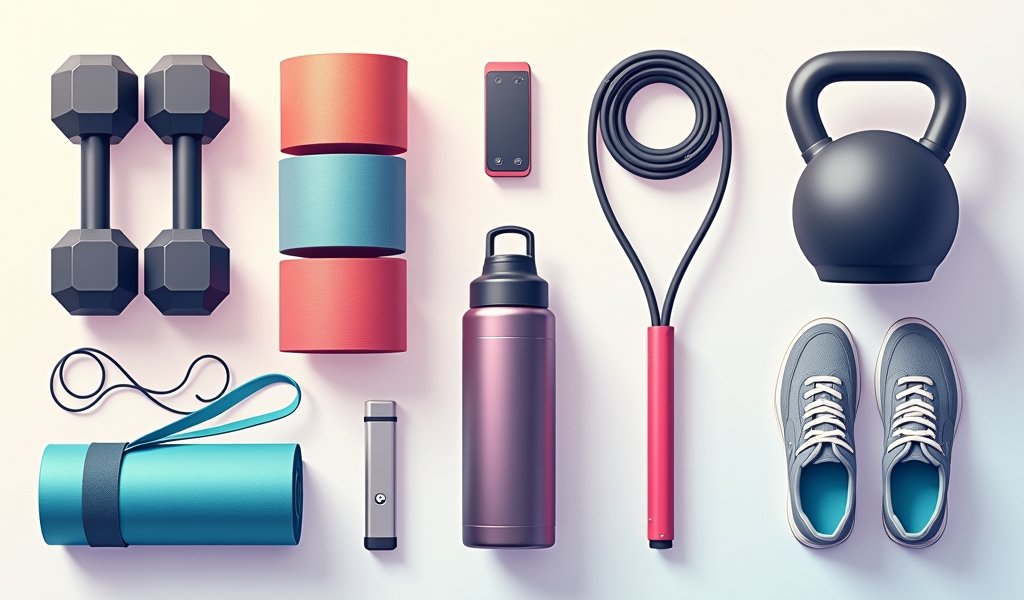
Resistance bands represent one of the most versatile and cost-effective additions to any fitness toolkit. These lightweight, portable exercise tools provide variable resistance through their elastic properties, creating tension that challenges muscles in ways sometimes difficult to achieve with traditional weights.
From a biomechanical standpoint, bands offer several unique advantages over free weights. Their resistance pattern increases through the range of motion (unlike weights, which are governed by gravity and momentum), forcing muscles to work harder at their strongest positions. This accommodating resistance matches human strength curves more naturally for many exercises.
Resistance bands come in various types:
- Loop bands (continuous circles, ideal for lower body exercises)
- Therapy bands (flat strips, versatile for rehabilitation)
- Tube bands with handles (mimicking cable machine exercises)
- Figure-8 bands (designed for targeted upper body work)
For beginners, I typically recommend a set with multiple resistance levels to accommodate different muscle groups and exercises. More advanced exercisers can benefit from heavier bands or combinations to create progressive overload.
The clinical efficacy of resistance band training has been well-established. Research published in JAMA Network Open demonstrated that elastic resistance training produced similar strength gains to conventional resistance training with weights. This makes bands particularly valuable for home workouts, travel fitness, or as supplementary tools for specialized training goals like activation work or rehabilitation.
6. Foam Roller
Self-myofascial release through foam rolling has transitioned from a niche recovery technique to a mainstream fitness essential in recent years. The science behind foam rolling involves applying pressure to adhesions or “knots” in the fascia—the connective tissue surrounding muscles—to improve tissue quality, circulation, and mobility.
As a rehabilitation specialist, I’ve observed significant benefits when clients incorporate regular foam rolling into their routines. These include enhanced flexibility, reduced muscle soreness, improved movement patterns, and potentially faster recovery between training sessions.
When selecting a foam roller, consider these factors:
- Density (softer rollers for beginners, firmer options for experienced users)
- Texture (smooth surfaces for general use, textured patterns for targeting deeper tissues)
- Size (standard 36-inch rollers for versatility, shorter versions for travel)
- Core construction (solid versus hollow designs affecting durability and weight)
For optimal results, incorporate foam rolling as both a pre-workout preparation technique and a post-exercise recovery tool. A typical session might include 30-60 seconds per major muscle group, with special attention to areas that feel particularly tight or problematic.
The efficacy of foam rolling is supported by emerging research. A meta-analysis published in the Journal of Sport Rehabilitation found that foam rolling effectively increased range of motion without decreasing muscle performance, making it an excellent addition to warm-up routines. For maximum benefit, combine foam rolling with dynamic mobility work rather than using it as a standalone strategy.
7. Wireless Earbuds
The psychological aspects of exercise adherence are as important as the physical components. Music and audio content have profound effects on exercise performance, perceived exertion, and workout enjoyment. Wireless earbuds eliminate the frustration of tangled cords, allowing for unrestricted movement while delivering motivational content directly to your ears.
The exercise benefits of audio accompaniment are well-documented. Research consistently shows that synchronized music can improve endurance, power output, and work capacity while reducing perceived effort. Podcasts and audiobooks can make steady-state cardio sessions more engaging, potentially extending workout duration through the “distraction effect.”
When selecting wireless earbuds for fitness use, prioritize:
- Water and sweat resistance (look for IPX4 rating or higher)
- Secure fit that remains stable during dynamic movements
- Battery life sufficient for your longest workout sessions
- Sound quality that delivers motivating audio clarity
While premium models offer advanced features like noise cancellation and ambient sound modes, many mid-range options provide excellent workout functionality at more accessible price points. Consider your specific exercise environment—runners and cyclists should prioritize models with ambient sound features for safety, while gym-goers might prefer noise isolation.
According to research published in the European Journal of Sport Science, listening to preferred music during exercise can increase performance by up to 15% while reducing perceived exertion. This psychological boost makes wireless earbuds not merely a convenience but a potential performance enhancer.
8. Dedicated Gym Bag
Organization and preparation are often overlooked aspects of fitness consistency. A purpose-built gym bag serves as both a practical container for your workout necessities and a psychological cue that helps establish and maintain your exercise routine. Having a dedicated bag—always packed and ready to go—removes decision fatigue and reduces barriers to workout adherence.
Unlike general-purpose bags, quality gym bags include features specifically designed for fitness needs: ventilated compartments for damp clothing, antimicrobial linings to prevent odor development, dedicated shoe pockets to isolate dirt, and organizational systems for smaller items like locks, supplements, and electronics.
When selecting a gym bag, consider these practical aspects:
- Size appropriate for your typical workout gear requirements
- Material that balances durability with weight (nylon and polyester blends excel here)
- Carrying style that suits your commute (backpack, duffel, or tote designs)
- Compartmentalization that matches your organizational preferences
The contents of your gym bag should be personalized to your workout habits, but essentials typically include a towel, toiletries, a change of clothes, your water bottle, and any specific gear required for your preferred activities. Consider adding a small first aid kit with bandages and blister protection for unexpected minor injuries.
From a behavioral psychology perspective, having a dedicated bag creates a “commitment device”—a strategy that helps overcome present bias and follow through on intended actions. This simple organizational tool can significantly impact long-term exercise adherence by reducing friction in the preparation process.
9. Workout Gloves
Hand protection during resistance training often receives less attention than it deserves. For anyone engaging regularly with weights, bars, or suspension equipment, workout gloves provide multiple benefits that extend beyond simple comfort. They protect against callus formation, improve grip security, reduce friction damage, and can enhance overall training safety.
From an anatomical perspective, the hands contain numerous nerve endings and delicate structures that benefit from appropriate protection during heavy loading. Gloves provide a protective interface between these sensitive tissues and the abrasive surfaces of training equipment, potentially preventing both acute injuries and cumulative stress damage.
When selecting workout gloves, consider these factors:
- Material composition (leather for durability, synthetic for washability)
- Finger coverage (full-finger versus fingerless designs for different tactile needs)
- Wrist support features (important for pressing movements and wrist stability)
- Padding distribution (targeted to high-pressure areas without excessive bulk)
Different training modalities may benefit from specialized glove designs. Powerlifters often prefer minimalist options that maintain bar feel, while functional fitness enthusiasts might need full palm protection for movements like pull-ups and kettlebell exercises.
While personal preference plays a significant role in glove selection, research on grip fatigue suggests that appropriate hand protection can delay the onset of grip failure during high-volume training. This allows for more complete stimulation of target muscle groups without premature exercise termination due to hand discomfort or grip limitations.
10. Post-Workout Supplements
Nutrition timing and composition play crucial roles in optimizing recovery from exercise. Post-workout supplements, when properly selected and used, can enhance the body’s natural recovery processes, potentially improving adaptation to training stimuli and reducing recovery time between sessions.
The post-exercise window represents a period of enhanced nutrient sensitivity in muscle tissue. While the concept of a narrow “anabolic window” has been somewhat revised in recent research, the general principle remains valid—providing appropriate nutrients after training supports recovery processes and potentially enhances training adaptations.
Effective post-workout supplements typically include:
- Protein sources (whey, plant proteins) providing essential amino acids for tissue repair
- Carbohydrates to replenish glycogen stores, particularly after endurance or high-volume training
- Electrolytes to restore minerals lost through sweat
- Anti-inflammatory compounds like tart cherry extract or curcumin for managing exercise-induced inflammation
Individual needs vary based on training goals, exercise modality, and nutritional context. A recreational exerciser performing moderate-intensity resistance training might need only a simple protein supplement, while an endurance athlete completing depleting sessions would benefit from a more comprehensive recovery formulation.
According to research published in Frontiers in Nutrition, protein intake of 0.25-0.40g per kg of body weight post-exercise appears optimal for stimulating muscle protein synthesis in most individuals. This translates to roughly 20-40g of high-quality protein for the average adult, easily delivered through supplement formulations when whole food options aren’t immediately available.
Conclusion
The 10 workout essentials we’ve explored represent a comprehensive foundation for fitness success in 2023 and beyond. From the moisture-wicking clothing that keeps you comfortable to the post-workout supplements that support recovery, each item serves a specific purpose in optimizing your exercise experience and results.
Remember that quality often outweighs quantity when investing in fitness equipment. A few well-selected, durable items will serve you better than numerous lower-quality alternatives. Consider your specific fitness goals, preferred activities, and personal needs when prioritizing which essentials to add to your collection first.
Consistency remains the most powerful factor in fitness progress. These tools are designed to remove barriers, enhance comfort, prevent injuries, and ultimately make your exercise routine more sustainable over the long term. By thoughtfully incorporating these essentials into your fitness regimen, you’ll be well-equipped to achieve your health and performance goals.
Start with the items most relevant to your current routine, gradually building your collection as your fitness journey evolves. Each addition represents an investment not just in equipment, but in your health, performance, and quality of life.
Frequently Asked Questions
What’s the most important workout essential for beginners?
Quality athletic shoes appropriate for your chosen activities are the most crucial starting point. They provide the foundation for proper movement patterns and help prevent injuries that could derail your fitness journey early on.
How often should I replace my workout shoes?
Most athletic shoes should be replaced every 300-500 miles or 4-6 months of regular use. Visual wear patterns on the sole and compressed cushioning are signs it’s time for a replacement.
Are expensive fitness trackers worth the investment?
Mid-range fitness trackers often provide sufficient functionality for most exercisers. Premium models are worthwhile only if you’ll actually use their advanced features like detailed sleep analysis or sport-specific metrics.
Can resistance bands replace weights for building strength?
Research shows resistance bands can produce comparable strength gains to free weights when used properly. They’re especially effective when incorporated into a progressive program that increases resistance as you adapt.
What’s the minimum effective supplement routine for recovery?
A quality protein source (providing 20-40g) consumed within a few hours of training covers the most critical recovery need for most recreational exercisers. Additional supplements should be based on specific nutritional gaps or performance goals.
Meta Description 1: Discover the 10 proven workout essentials that fitness professionals recommend for optimal performance and results in 2023. Elevate your fitness game with these expert-backed tools.
Meta Description 2: Looking to upgrade your workout gear? Explore our expert-selected list of 10 proven workout essentials that can transform your fitness routine and help you achieve better results.