

Overview
Contrary to what gym bros might wishfully believe, Total Parenteral Nutrition (TPN) isn’t a magical IV shortcut to gains—it’s actually a serious medical intervention that delivers complete nutrition directly into the bloodstream for patients who cannot eat normally due to illness or digestive system issues. TPN requires strict medical supervision, contains carefully calculated nutrients tailored to each patient’s needs, and has no legitimate application in fitness or bodybuilding despite persistent misconceptions.
Table of Contents
- Understanding TPN Medical Abbreviation
- Key Components of TPN
- Health Benefits of TPN in Medical Settings
- TPN Applications in Fitness and Recovery
- Common Misconceptions About TPN
- Monitoring and Managing TPN Administration
- Future Developments in TPN Therapy
- Conclusion
- Frequently Asked Questions
Understanding TPN Medical Abbreviation
Total Parenteral Nutrition, commonly referred to by the TPN medical abbreviation, is a specialized method of delivering nutrients directly into the bloodstream, bypassing the digestive system entirely. As a clinical nutritionist with over a decade of experience, I’ve seen firsthand how this medical intervention can be life-saving for patients who cannot consume nutrients normally.
TPN is not a fitness supplement or enhancement as some misleading information might suggest. Rather, it’s a medical treatment prescribed for specific conditions where the gastrointestinal tract cannot function adequately. The solution typically contains a carefully calculated mixture of proteins, carbohydrates, lipids, vitamins, minerals, and electrolytes—essentially everything your body needs for sustenance.
When we discuss the TPN medical abbreviation in clinical settings, we’re talking about a complex nutritional formula administered through a central venous catheter, often into a large vein in the chest or neck. This approach allows healthcare providers to deliver complete nutrition to patients who would otherwise be unable to maintain adequate nutritional status.
Contrary to what some fitness enthusiasts might believe, TPN is not a shortcut to muscle gains or enhanced athletic performance. It’s a medical necessity for specific patient populations, including those with severe gastrointestinal disorders, bowel obstructions, or pre- and post-surgical situations that prevent normal eating.
Key Components of TPN
The TPN medical abbreviation encompasses a nutritional solution with precisely calculated components tailored to each patient’s specific needs. Let’s break down what’s typically included in this life-sustaining mixture:
Macronutrients form the foundation of any TPN solution. Dextrose (a form of glucose) provides essential carbohydrates for energy. Protein comes in the form of amino acid solutions that support tissue repair and immune function. Lipid emulsions deliver critical fatty acids and concentrated energy sources that help prevent essential fatty acid deficiency.
Micronutrients are equally important in TPN formulations. These include a comprehensive array of vitamins (both water and fat-soluble), minerals, and trace elements like zinc, copper, and selenium. Electrolytes such as sodium, potassium, calcium, magnesium, and phosphate are carefully balanced to maintain proper cellular function.
The composition of a TPN solution isn’t one-size-fits-all. Healthcare providers perform thorough assessments of a patient’s nutritional requirements based on factors including age, weight, medical condition, and metabolic rate. According to recent clinical guidelines, adult TPN solutions typically provide 25-35 kcal/kg/day and 1.2-2.0 g/kg/day of protein, though these values are adjusted based on individual needs.
Water is another crucial component that’s often overlooked. TPN solutions contain precise amounts of free water to ensure proper hydration without causing fluid overload. This delicate balance is vital for patients who rely exclusively on TPN for their nutritional and fluid needs.

Health Benefits of TPN in Medical Settings
When prescribed appropriately, the benefits of TPN therapy can be life-saving. First and foremost, TPN provides complete nutritional support for patients who cannot eat normally, preventing the devastating effects of malnutrition during critical illness. For someone with a non-functioning intestine or severe inflammatory bowel disease, TPN might be the difference between recovery and declining health.
In surgical patients, especially those undergoing major gastrointestinal procedures, TPN can support healing and recovery when enteral feeding (through the digestive tract) isn’t possible. Research published in the New England Journal of Medicine demonstrates that appropriate nutritional support can reduce complications and improve outcomes in these vulnerable populations.
For patients with cancer, particularly those experiencing severe side effects from chemotherapy or radiation that prevent normal eating, TPN can help maintain nutritional status during treatment. This nutritional support often allows patients to better tolerate their cancer therapies and maintain quality of life during treatment.
Patients with severe gastrointestinal disorders such as Crohn’s disease, short bowel syndrome, or intestinal obstruction often rely on TPN during acute flares or as a long-term solution. In these cases, giving the digestive system a complete rest while maintaining nutrition can be therapeutic and promote healing.
It’s worth noting that while TPN provides life-sustaining nutrition, it’s typically used when enteral nutrition (tube feeding into the digestive tract) isn’t possible. Whenever feasible, feeding through the gastrointestinal tract is preferred due to its physiological benefits and lower complication rates.
TPN Applications in Fitness and Recovery
Despite some misleading claims circulating online, the TPN medical abbreviation has no legitimate role in fitness enhancement for healthy individuals. Let me be crystal clear: TPN is a medical intervention with significant risks and is only appropriate in clinical settings under strict medical supervision.
That said, some principles behind medical nutrition therapy can inform how athletes and fitness enthusiasts approach their nutritional needs. The precision with which TPN solutions are formulated—carefully balancing proteins, carbohydrates, and fats—reminds us of the importance of tailored nutrition plans based on individual requirements, activity levels, and goals.
For serious athletes recovering from surgery or illness where digestive function is compromised, medical nutrition support (which might include TPN in extreme cases) can be crucial to prevent the loss of lean muscle mass and support recovery. However, this would only occur in a hospital setting under close medical supervision.
Instead of looking to medical interventions like TPN, athletes should focus on evidence-based nutrition strategies. Sports nutritionists recommend individualized meal planning based on training volume, intensity, and specific fitness goals. Research from the American College of Sports Medicine suggests that proper timing of nutrient intake around workouts can optimize performance and recovery.
If you’re looking to maximize your fitness results, consult with a registered dietitian who specializes in sports nutrition. They can develop a comprehensive nutrition plan that supports your goals safely and effectively—no intravenous nutrition required.
Common Misconceptions About TPN
There’s a troubling trend of misinformation surrounding the TPN medical abbreviation, particularly in fitness circles. The most dangerous misconception is that TPN could somehow serve as a “nutrition hack” for bodybuilders or athletes. This is not only incorrect but potentially life-threatening if individuals attempt to create or administer homemade versions.
Another common myth is that TPN provides superior nutrition compared to eating food. In reality, while TPN can sustain life when the digestive system cannot function, it lacks many benefits of normal eating. The gut plays crucial roles in immunity, hormone regulation, and overall health that TPN cannot replicate.
Some mistakenly believe that TPN is a simple solution that can be administered without specialized medical oversight. This couldn’t be further from the truth. TPN administration requires specialized medical training, strict protocols, and continuous monitoring to prevent serious complications including infection, metabolic disturbances, and organ damage.
There’s also confusion about the difference between TPN and other nutritional supplements or IV therapies marketed to wellness consumers. While vitamin infusions and IV hydration are offered in some wellness settings, these are fundamentally different from TPN, which is a complete nutritional solution containing all macronutrients, micronutrients, and fluids needed to sustain life.
Finally, some erroneously believe that TPN is a weight loss strategy. In fact, TPN solutions are precisely calculated to meet or exceed a patient’s caloric needs, preventing weight loss in individuals who cannot eat. Using TPN for weight loss would not only be medically inappropriate but extremely dangerous.
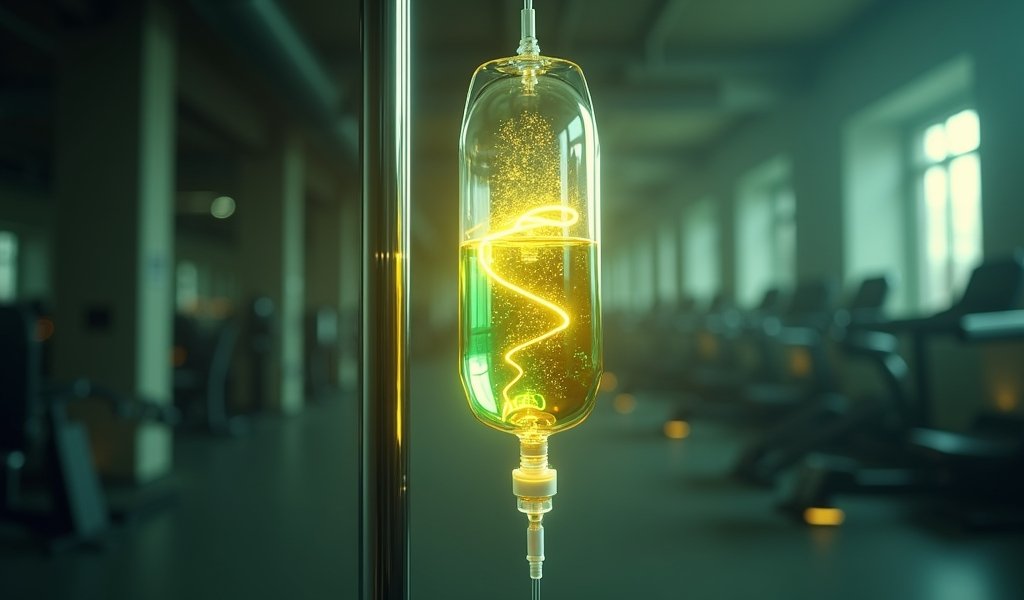
Monitoring and Managing TPN Administration
Proper administration of TPN requires rigorous medical supervision and monitoring. When a patient begins TPN therapy, healthcare providers implement comprehensive protocols to ensure safety and effectiveness. This includes regular blood tests to monitor electrolytes, glucose levels, liver and kidney function, and nutritional markers.
The central venous catheter used for TPN administration demands meticulous care to prevent central line-associated bloodstream infections (CLABSIs). Nurses and patients receiving home TPN must follow strict aseptic techniques when handling the catheter and changing dressings. According to CDC guidelines, catheter care bundles have significantly reduced infection rates in TPN recipients.
Metabolic complications represent another area requiring vigilant monitoring. TPN can cause disturbances in glucose metabolism, including hyperglycemia (high blood sugar) and, less commonly, hypoglycemia (low blood sugar). Regular blood glucose checks and insulin administration protocols are standard practice for TPN recipients.
For patients receiving TPN at home, extensive education and support are essential. Home healthcare nurses typically provide training on solution handling, pump operation, catheter care, and recognition of potential complications. Many centers have specialized nutrition support teams that include physicians, nurses, pharmacists, and dietitians who collaboratively manage TPN therapy.
The TPN regimen isn’t static—it evolves based on the patient’s changing needs. Healthcare providers regularly reassess and adjust the formulation, looking for opportunities to transition patients to enteral or oral nutrition whenever possible. This transition process requires careful planning and monitoring to ensure nutritional needs continue to be met.
Future Developments in TPN Therapy
The field of parenteral nutrition continues to evolve, with several exciting developments on the horizon. Researchers are investigating lipid formulations that may reduce inflammation and provide additional health benefits beyond basic nutrition. These next-generation lipid emulsions contain balanced ratios of omega-3 to omega-6 fatty acids, potentially offering advantages for critically ill patients.
Personalized nutrition is another frontier in TPN therapy. Advanced techniques in metabolomics and nutrigenomics are enabling healthcare providers to tailor TPN formulations more precisely to individual needs. This personalization may improve outcomes and reduce complications related to under or overfeeding.
Technology is also transforming how TPN is administered and monitored. Smart pumps with sophisticated safety features can prevent dosing errors, while remote monitoring systems allow healthcare providers to track patient data in real-time, even for those receiving TPN at home. According to research published by the American Society for Parenteral and Enteral Nutrition, these technological advances are improving the safety profile of home TPN administration.
Efforts to minimize TPN-related complications continue to advance. Researchers are developing new catheter materials and antimicrobial lock solutions to reduce infection risks. Meanwhile, strategies to preserve gut health during TPN therapy—such as minimal enteral feeding when possible—are showing promise in maintaining intestinal integrity and function.
Finally, the development of artificial intestine technologies may eventually provide alternatives for patients currently dependent on long-term TPN. While still in early experimental stages, these bioengineered solutions could potentially revolutionize care for conditions like short bowel syndrome.
Conclusion
Understanding the TPN medical abbreviation requires recognizing it as a vital medical intervention—not a fitness enhancement strategy. Total Parenteral Nutrition represents a sophisticated approach to providing complete nutrition when the digestive system cannot function normally. While it can be life-saving for patients with specific medical conditions, it comes with significant risks and requires expert medical supervision.
Throughout this article, we’ve clarified what TPN actually is, explored its components and benefits in medical settings, dispelled common misconceptions, and discussed how it’s monitored and managed. We’ve also looked ahead to future developments that may enhance TPN therapy for those who truly need it.
For fitness enthusiasts and athletes, the takeaway is clear: focus on evidence-based nutrition strategies appropriate for healthy individuals. Work with qualified nutrition professionals to develop personalized eating plans that support your goals safely and effectively. True fitness progress comes from consistent training, proper nutrition through whole foods, adequate recovery, and patience—not medical interventions designed for critically ill patients.
As medical professionals, we have a responsibility to provide accurate information about treatments like TPN while guiding healthy individuals toward appropriate nutrition strategies. By understanding the true purpose and application of TPN, we can appreciate its value in medical care while avoiding dangerous misapplications in fitness contexts.
Frequently Asked Questions
What does the TPN medical abbreviation stand for?
TPN stands for Total Parenteral Nutrition. It refers to a method of providing complete nutrition directly into the bloodstream, bypassing the digestive system.
Who typically needs TPN therapy?
TPN is typically prescribed for patients who cannot eat normally due to conditions like severe gastrointestinal disorders, bowel obstructions, or after certain surgeries. It’s used when the digestive system cannot function adequately to absorb nutrients.
Is TPN safe for healthy individuals seeking fitness gains?
No, TPN is absolutely not appropriate for healthy individuals seeking fitness gains. It carries significant risks including infection and metabolic complications and should only be used under strict medical supervision for those with medical necessity.
What are the main components of a TPN solution?
TPN solutions contain a precise mixture of macronutrients (carbohydrates, proteins, and lipids) and micronutrients (vitamins, minerals, and trace elements). The exact formulation is tailored to each patient’s specific nutritional requirements.
How long can someone remain on TPN therapy?
TPN can be administered for short periods during acute illness or indefinitely for patients with permanent intestinal failure. Long-term TPN requires careful monitoring and management to prevent complications and maintain quality of life.