

Overview
While we diligently maintain our smartphones and vehicles, we ironically neglect the most sophisticated machine we own—our bodies! Regular full body checkups offer seven major benefits: early disease detection, thorough health assessment, prevention of serious conditions, reduced anxiety, improved longevity, long-term financial savings, and valuable health education opportunities.
Table of Contents
- Early Detection of Health Issues
- Comprehensive Health Assessment
- Prevention of Serious Disease Progression
- Peace of Mind and Reduced Anxiety
- Improved Longevity and Quality of Life
- Financial Benefits in the Long Run
- Opportunity for Health Education
- Key Takeaways
- Conclusion
- Frequently Asked Questions
In a world where we meticulously service our cars and update our smartphones, isn’t it ironic that we often neglect the most sophisticated machine of all – our bodies? A full body checkup is essentially a comprehensive examination that assesses various aspects of your health through physical examinations, laboratory tests, imaging studies, and consultations with healthcare professionals. Think of it as a thorough “system scan” for your body, checking everything from your blood pressure to your bone density.
With chronic diseases on the rise globally – accounting for 71% of all deaths worldwide according to the World Health Organization – preventive healthcare has never been more crucial. Regular health checkups serve as your body’s early warning system, creating a foundation for optimal health management before problems take root.
Today, we’ll explore seven life-changing benefits that make full body checkups worth every penny and minute spent. After reading this, you might just find yourself reaching for your phone to schedule one – your future self will thank you.
Early Detection of Health Issues
Picture this: a small ember that could be extinguished with a cup of water versus a raging forest fire requiring thousands of firefighters. This analogy perfectly captures the power of early disease detection through regular checkups.
Medical conditions like hypertension, diabetes, and even certain cancers often develop silently, showing no symptoms until they’ve advanced significantly. A comprehensive checkup can identify these “silent killers” in their infancy when they’re most treatable.
According to the American Cancer Society, the five-year survival rate for colorectal cancer is about 90% when detected at an early, localized stage. This drops dramatically to 14% when discovered at advanced stages. Similar patterns exist for breast cancer, with early detection yielding a 99% five-year survival rate compared to 27% when detected after metastasis.
Take Michael’s story, for example. At 45, this seemingly healthy marketing executive reluctantly got a checkup after his company offered free health screenings. Despite feeling perfectly fine, his blood work revealed pre-diabetes and moderately elevated cholesterol. With minor lifestyle adjustments and medication, he avoided developing full-blown diabetes – all because of routine tests that caught the issue before symptoms appeared.
Have you ever wondered what might be happening inside your body that you can’t feel? This question alone makes a compelling case for regular health assessments.
Comprehensive Health Assessment
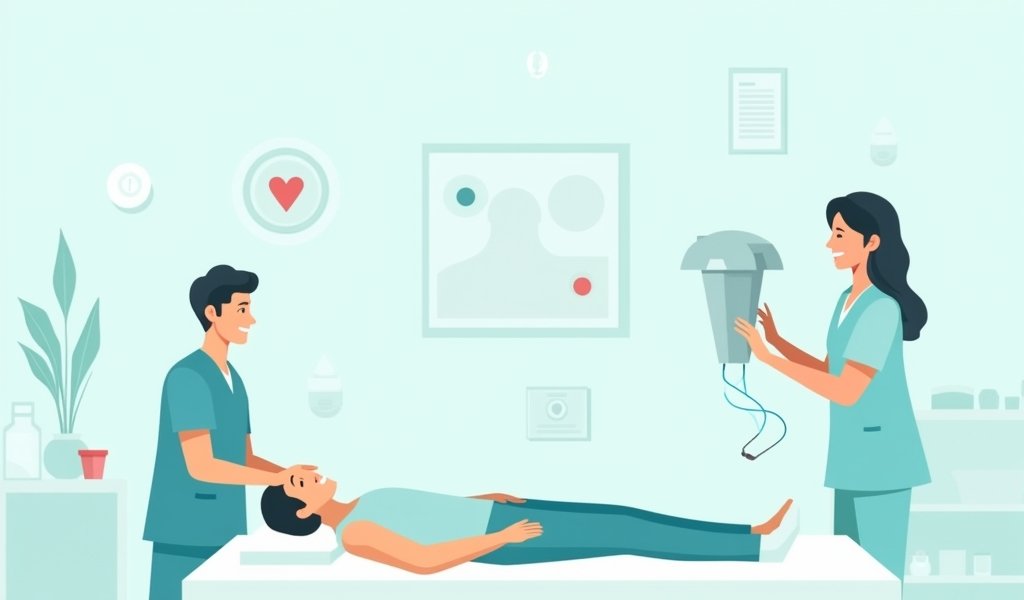
A full body checkup isn’t just a random collection of tests; it’s a carefully orchestrated symphony of examinations that work together to create a complete picture of your health.
Typical components include:
- Complete blood count and metabolic panel
- Lipid profile (cholesterol)
- Blood pressure measurement
- Body composition analysis
- Vision and hearing tests
- Lung function tests
- Heart examinations (ECG/EKG)
- Imaging tests when indicated (X-rays, ultrasounds)
- Cancer screenings appropriate for age and gender
These tests collectively establish your health baseline – invaluable reference points that help doctors track changes over time. Is your blood pressure slowly creeping up over several years? Is your bone density gradually decreasing? These subtle trends, impossible to spot without regular monitoring, often provide the first clues to developing conditions.
With this comprehensive data, healthcare providers can craft truly personalized health plans. Rather than generic advice like “eat better and exercise more,” you might receive specific guidance based on your unique biochemistry, genetic predispositions, and health history.
The comprehensive wellness center approach to health assessment takes this even further, providing integrated care that addresses both physical and mental well-being in one cohesive strategy.
Prevention of Serious Disease Progression
Have you ever considered how much easier it is to redirect a small stream than to change the course of a raging river? Health issues follow the same principle.
When caught early, many serious conditions can be addressed with minimally invasive interventions. High blood pressure identified during a routine checkup might be controlled with lifestyle modifications alone, preventing the eventual need for multiple medications or managing a heart attack.
The economics are equally compelling. A 2018 study published in the Journal of Preventive Medicine found that every $1 invested in preventive healthcare yields $5.60 in savings for the healthcare system. For individuals, the contrast is even starker – treating advanced heart disease can cost tens of thousands of dollars, while preventive measures cost a fraction of that amount.
Take hypertension, for example. Left unchecked, it can lead to heart attacks, strokes, and kidney failure – each carrying astronomical medical costs and profound quality of life impacts. Regular monitoring through checkups allows for adjustment of treatment plans before complications develop.
For those with chronic conditions like diabetes or arthritis, routine checkups provide opportunities to fine-tune management strategies, preventing complications and slowing disease progression. The difference between well-managed and poorly controlled chronic conditions can literally add decades of healthy living.
Peace of Mind and Reduced Anxiety
There’s something profoundly comforting about certainty in an uncertain world. Health anxiety – that nagging worry about what might be wrong – affects millions of people, sometimes significantly impacting their quality of life.
A comprehensive checkup addresses this directly. Learning that you’re in good health provides a psychological boost that ripples through all areas of life. Even if issues are discovered, knowing exactly what you’re dealing with is almost always less stressful than the vague dread of the unknown.
“I was constantly worried about the chest pain I occasionally felt,” shares Teresa, a 52-year-old teacher. “I’d convince myself it was heart disease, then cancer, then something else entirely. After my comprehensive checkup ruled out serious conditions and identified mild acid reflux as the cause, I felt like a weight had been lifted. I sleep better now, and I’m more present with my family instead of constantly worrying.”
Many people avoid checkups due to fear of bad news, but this paradoxically increases anxiety. Most checkups actually deliver reassuring results, and when problems are found, they’re typically less severe than what imagination conjures. Knowledge, even challenging knowledge, empowers action rather than paralysis.
Learning how to do a wellness check between your regular full body checkups can further enhance this peace of mind, giving you tools to monitor your health between professional assessments.
Improved Longevity and Quality of Life
Living longer is one thing, but living better during those years is what really matters. Regular checkups contribute significantly to both.
A landmark study published in the British Medical Journal tracked over 100,000 adults for 30 years and found that those who had regular comprehensive health screenings experienced a 33% lower mortality rate compared to those who didn’t. Even more impressively, they maintained independence and functional abilities an average of 7.5 years longer.
Regular monitoring helps maintain optimal function of vital systems. Blood pressure control preserves cognitive function. Catching pre-diabetic conditions prevents nerve damage. Early intervention for joint problems maintains mobility. Together, these interventions don’t just add years to life – they add life to years.
The connection between regular medical checkups and healthy aging is particularly pronounced when we look at functional independence. The ability to perform daily activities without assistance – cooking, cleaning, personal care – is strongly correlated with regular preventive healthcare, according to data from the National Institute on Aging.
Financial Benefits in the Long Run

In the realm of healthcare, the old adage “an ounce of prevention is worth a pound of cure” has never been more financially accurate.
Consider these sobering numbers: The average cost of treating advanced-stage colon cancer exceeds $120,000 in the first year alone, while preventive screenings cost around $1,000-$2,000. Heart bypass surgery averages $123,000, while decades of preventive care and medications cost a fraction of that amount.
Beyond the direct medical costs, there are other financial implications. Serious illness often means extended time away from work, potential job loss, and impact on earning capacity. The Family and Work Institute estimates that serious health issues cause average annual productivity losses of $225.8 billion in the United States alone.
Many insurance plans now provide incentives for preventive care, including reduced premiums or coverage for preventive services without copays. These financial incentives recognize what the data clearly shows – preventing disease is vastly more cost-effective than treating it.
Understanding your annual wellness visit CPT code can help ensure you’re maximizing your insurance benefits for preventive care, potentially saving significant out-of-pocket expenses.
The financial wisdom of regular checkups extends to time economy as well. A single day of preventive care annually can save weeks or months of treatment time later. For busy professionals, parents, and active individuals, this time-saving aspect can be as valuable as the monetary benefits.
Opportunity for Health Education
A full body checkup isn’t just a technical assessment; it’s an educational opportunity. The one-on-one time with healthcare professionals during these visits provides a unique chance to improve your health literacy – understanding how your body works and how to care for it properly.
These conversations allow for customized health education that generic internet searches simply cannot provide. Your doctor can explain how your specific genetic background, lifestyle, and health history interact, providing insights far more valuable than general advice.
“I never understood why I should care about my cholesterol numbers until my doctor took the time during my checkup to explain exactly how they affect my heart health, using my family history as context,” explains James, a 58-year-old who now manages his cardiovascular risk factors diligently after a comprehensive checkup three years ago.
These appointments also build trust with your healthcare providers, creating relationships where you feel comfortable asking questions and seeking guidance. This improved rapport leads to better adherence to recommendations and more honest communication about health concerns.
Key Takeaways
- Full body checkups dramatically improve early detection rates for serious conditions, often before symptoms appear
- The comprehensive assessment creates valuable baseline measurements and a complete health profile
- Prevention through regular checkups is substantially more cost-effective than treating advanced disease
- The peace of mind from knowing your health status has significant psychological benefits
- Regular checkups correlate with both extended lifespan and improved quality of life
- The financial benefits include direct healthcare savings, insurance advantages, and workplace productivity
- Checkups provide invaluable opportunities for personalized health education
Conclusion
The seven benefits we’ve explored – early detection, comprehensive assessment, disease prevention, peace of mind, improved longevity and quality of life, financial advantages, and personalized health education – collectively make a compelling case for regular full body checkups.
Think of comprehensive health screenings as an investment portfolio for your most valuable asset – your health. Like financial investments, the returns compound over time, with each checkup building on the knowledge gained from previous assessments.
Isn’t it time to prioritize your health with the same diligence you apply to other areas of your life?
Today is the perfect day to take this important step toward protecting your health. Most healthcare providers and major hospitals offer comprehensive health screening packages. Contact your primary care physician or local healthcare facility to schedule your full body checkup – it might be the most important appointment you make this year.
After all, as Benjamin Franklin wisely noted, “An investment in knowledge pays the best interest.” When that knowledge is about your own health, the dividends are truly priceless.
Frequently Asked Questions
How often should I get a full body checkup?
For most healthy adults, a comprehensive checkup every 1-2 years is recommended. Frequency may increase with age or if you have existing health conditions or family history of certain diseases.
What’s the difference between a regular doctor visit and a full body checkup?
A regular doctor visit typically addresses specific concerns or symptoms, while a full body checkup is comprehensive and preventive. Full body checkups include multiple tests and screenings to evaluate your overall health status.
How long does a full body checkup take?
A typical comprehensive checkup takes 2-4 hours, depending on the tests included. Some facilities offer multi-day programs for extremely detailed assessments.
Do I need to prepare before a full body checkup?
Most checkups require fasting for 8-12 hours before blood tests. Your healthcare provider will give you specific instructions, which may include temporarily stopping certain medications or avoiding strenuous exercise before the appointment.
Are full body checkups covered by insurance?
Many insurance plans cover preventive screenings, though coverage varies by policy. Check with your insurance provider about specific coverage details for preventive care and wellness screenings.