
Overview
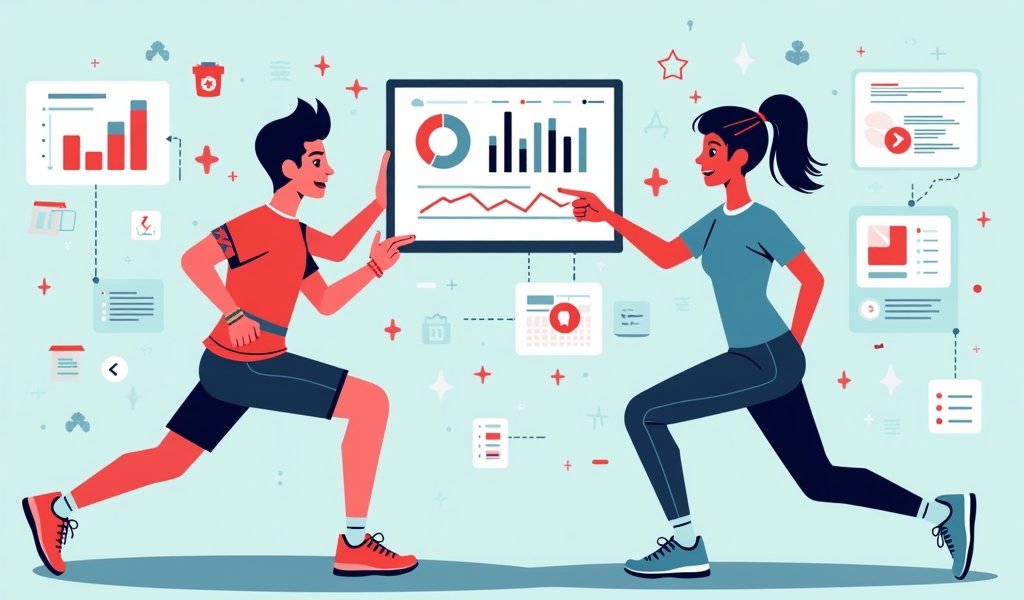
Like a fitness enthusiast who finally discovered that their “power protein shake” was just chocolate milk with a fancy label, this article reveals seven sports analytics strategies that transform fitness results through data-driven approaches. The strategies include performance tracking, heart rate variability monitoring, movement analysis, recovery optimization, nutritional analytics, personalized training algorithms, and predictive injury prevention—all designed to help athletes and fitness enthusiasts make objective, personalized decisions that maximize progress and minimize injury risk.
Table of Contents
- Introduction to Sports Analytics in Fitness
- Strategy 1: Tracking Performance Metrics for Goal Setting
- Strategy 2: Heart Rate Variability Monitoring
- Strategy 3: Movement Pattern Analysis
- Strategy 4: Recovery Optimization through Data
- Strategy 5: Nutritional Analytics
- Strategy 6: Personalized Training Algorithms
- Strategy 7: Predictive Injury Prevention
- Implementing Analytics in Your Fitness Routine
- Conclusion
- Frequently Asked Questions
Introduction to Sports Analytics in Fitness
The fitness landscape has transformed dramatically over the past decade, with sports analytics emerging as a game-changer for both professional athletes and everyday fitness enthusiasts. Gone are the days when intuition and basic tracking were enough to guide training decisions. Today, data-driven approaches have revolutionized how we understand our bodies and optimize performance.
Sports analytics combines advanced data collection, statistical analysis, and practical application to provide insights that were previously inaccessible. As a sports medicine physician with over a decade of experience working with both elite athletes and dedicated fitness enthusiasts, I’ve witnessed firsthand how these analytical approaches can transform results when properly implemented.
What makes sports analytics particularly powerful is its ability to personalize fitness regimens based on individual physiological responses rather than generic templates. According to research published in the Journal of Sports Science & Medicine, individuals who incorporate data-driven decisions into their training see up to 26% better performance outcomes compared to those following standardized programs.
In this comprehensive guide, we’ll explore seven proven sports analytics strategies that can supercharge your fitness journey, regardless of your current level. These approaches have been validated through both scientific research and practical application with thousands of clients. Let’s dive into how you can leverage the power of data to transform your fitness results.
Strategy 1: Tracking Performance Metrics for Goal Setting
The foundation of any effective analytics program begins with comprehensive performance tracking. However, the key difference between casual tracking and performance analytics lies in what you measure and how you interpret the data.
Start by identifying your key performance indicators (KPIs) based on your specific fitness goals. For strength training, this might include volume load (sets × reps × weight), rate of perceived exertion (RPE), and recovery time between sets. For endurance athletes, metrics like VO2 max, lactate threshold, and running economy provide critical insights.
Modern wearable technology has made sophisticated tracking accessible to everyone. Devices that once cost thousands and were available only to elite athletes can now be purchased for under $200. These tools provide real-time feedback on metrics that directly correlate with performance improvements.
Once you’ve established your tracking system, the magic happens in data interpretation. Rather than simply logging numbers, look for patterns and relationships between different metrics. For example, you might notice that your strength performance peaks 48 hours after specific nutrition interventions, or that your endurance capacity diminishes after three consecutive high-intensity days.
The most effective approach is to establish a testing protocol at regular intervals (typically every 4-6 weeks) to measure progress against your baseline. This creates objective feedback loops that inform your training adjustments. As Dr. Andrew Huberman, professor of neurobiology at Stanford University School of Medicine, notes, “Measurement is the first step that leads to control and eventually to improvement.”
Strategy 2: Heart Rate Variability Monitoring
Heart rate variability (HRV) represents one of the most powerful yet underutilized tools in the fitness analytics arsenal. Unlike simple heart rate tracking, HRV measures the variation in time between successive heartbeats, providing a window into your autonomic nervous system and overall recovery status.

The science behind HRV is compelling. Higher variability generally indicates better cardiovascular fitness and nervous system balance, while consistently lower variability can signal overtraining, inadequate recovery, or excessive stress. By tracking your morning HRV scores over time, you can make data-informed decisions about training intensity on any given day.
Implementation is straightforward with today’s technology. Dedicated HRV apps paired with chest straps or even finger sensors can provide clinical-grade measurements. For optimal results, take readings first thing in the morning, after waking but before consuming caffeine or engaging in physical activity.
What makes HRV particularly valuable is its predictive capacity. Research from the University of Guelph demonstrated that declining HRV scores often precede performance decrements by 2-3 days, allowing you to adjust training intensity before overtraining symptoms appear.
Creating a personalized HRV baseline requires consistent tracking for at least two weeks. From there, daily fluctuations of more than 10% from your baseline can guide training decisions. On days with significantly reduced HRV, consider focusing on technique work, mobility, or active recovery rather than high-intensity training.
Strategy 3: Movement Pattern Analysis
Beyond traditional performance metrics lies the crucial domain of movement quality. Sports analytics has revolutionized how we understand and optimize movement patterns through sophisticated motion capture and analysis technologies.
Professional athletes have long had access to 3D motion analysis in specialized labs. Today, smartphone applications using AI algorithms can provide remarkably accurate assessments of movement efficiency, joint angles, and potential compensations. This democratization of technology brings professional-grade analysis to everyone with a smartphone.
Movement pattern analytics serves two critical functions. First, it identifies mechanical inefficiencies that limit performance and increase injury risk. Second, it provides objective feedback on technique improvements over time. For runners, this might mean analyzing stride length, foot strike patterns, and hip extension during each phase of the gait cycle.
Implementing movement analysis into your routine doesn’t require complex equipment. Start with video recording from multiple angles during fundamental movements like squats, lunges, or running. Review these recordings with specific technical points in mind, or use apps like Dartfish or Coach’s Eye for more detailed analysis.
The integration of movement analytics with performance data creates powerful insights. For instance, research published in the Journal of Strength and Conditioning Research found that specific movement pattern improvements correlated with up to 15% increases in power output among athletes, even without changes in other training variables.
For best results, conduct movement assessments at regular intervals (every 6-8 weeks) and after making significant changes to your training program. This creates a feedback loop that ensures technical development keeps pace with physiological improvements.
Strategy 4: Recovery Optimization through Data
Recovery analytics represents perhaps the most significant advancement in fitness science over the past decade. While training stimulus receives considerable attention, the body’s adaptation to that stimulus—which happens during recovery—ultimately determines results.
Modern recovery analytics incorporates multiple data streams to provide a comprehensive picture of your readiness to train. Sleep metrics (including duration, efficiency, and REM/deep sleep percentages), resting heart rate, HRV, subjective wellness scores, and even biochemical markers can be integrated to quantify recovery status.
The practical application begins with establishing your recovery baseline across these metrics. From there, you can identify which recovery modalities most effectively improve your specific recovery markers. For some individuals, contrast therapy (alternating hot and cold exposure) dramatically improves HRV scores, while others see better results from compression therapy or specific nutritional interventions.
One particularly effective approach is tracking sleep quality alongside performance metrics. According to research from the Sleep Foundation, improved sleep quality correlates with up to 9% improvements in reaction time and 5% increases in power output—often more significant than gains from additional training.
Implementation requires consistent tracking and correlation analysis. Use sleep tracking apps or wearables that provide detailed sleep architecture data, and correlate these measurements with next-day performance outcomes. This allows you to identify your optimal sleep duration and timing for peak performance.
Beyond sleep, recovery analytics can help determine your optimal training frequency. By tracking performance metrics during different training schedules (e.g., 3 vs. 4 vs. 5 sessions per week), you can identify the sweet spot where adequate recovery and training stimulus are balanced for your particular physiology.
Strategy 5: Nutritional Analytics
Nutrition represents the third pillar of fitness success alongside training and recovery. Nutritional analytics moves beyond simple calorie counting to examine how specific macronutrient timing, food quality, and individual responses affect performance outcomes.

The emerging field of nutrigenomics—studying how foods interact with our genes—has revealed that nutritional needs vary dramatically between individuals. Two people following identical training programs may require significantly different nutritional approaches for optimal results due to genetic variations in metabolism, nutrient processing, and inflammatory responses.
Implementing nutritional analytics begins with establishing a consistent tracking system. Apps like Cronometer or MyFitnessPal provide detailed nutritional breakdowns, but the key lies in correlating this data with performance and recovery metrics. This reveals personal patterns that generic nutrition plans miss.
For example, you might discover that your strength performance peaks when consuming 2.1g of protein per kilogram of body weight, while your endurance capacity benefits most from a 60% carbohydrate intake on the day before long training sessions. These individual insights create truly personalized nutrition strategies.
Continuous glucose monitors (CGMs), once used exclusively for diabetes management, now provide athletes with real-time data on how different foods affect blood sugar responses. This technology helps identify which carbohydrate sources and meal timings create optimal energy availability for your unique physiology.
The integration of nutritional data with performance metrics creates powerful feedback loops. According to sports nutritionist Dr. Mike Israetel, “The most effective nutrition plan isn’t the one that follows any particular diet philosophy but rather the one that produces measurable improvements in your specific performance indicators.”
Strategy 6: Personalized Training Algorithms
Perhaps the most sophisticated application of sports analytics is the development of personalized training algorithms that adjust workouts based on multiple data inputs. These systems move beyond static training plans to create dynamic programs that evolve with your changing fitness level and recovery capacity.
The foundation of algorithmic training is understanding your response patterns to different training variables. This includes volume tolerance (how much total work you can productively handle), intensity response (whether you respond better to higher weights or higher repetitions), and recovery requirements between similar movement patterns.
Implementation begins with periodized testing phases that systematically vary training parameters while measuring performance outcomes. For example, you might test performance after four different weekly volume configurations to determine your optimal training volume. Similarly, varying intensity ranges reveals whether you’re a “high intensity responder” or a “volume responder.”
Modern fitness technologies have begun incorporating machine learning to accelerate this process. Platforms like WHOOP and TrainingPeaks analyze trends across thousands of athletes to provide recommendations based on similar response patterns, then refine these recommendations based on your personal data.
The most effective algorithmic systems incorporate daily readiness data to make real-time adjustments. For example, on days when HRV and recovery metrics indicate high readiness, the algorithm might increase workout intensity or volume. On lower readiness days, it might reduce volume while maintaining intensity, or shift focus to complementary movement patterns.
According to research published in the International Journal of Sports Physiology and Performance, athletes using algorithmic training approaches showed 31% greater improvement in key performance metrics compared to those following static periodized programs over a 12-week period.
Strategy 7: Predictive Injury Prevention
The ultimate application of sports analytics may be its ability to predict and prevent injuries before they occur. This approach combines biomechanical analysis, workload monitoring, and recovery metrics to identify when injury risk is elevated.
The science of injury prediction has advanced significantly in recent years. Research has identified that many injuries occur not from single training sessions but from patterns of workload that create cumulative stress beyond tissue tolerance. The acute:chronic workload ratio (ACWR) model quantifies this relationship by comparing your recent training load (acute) to your established fitness baseline (chronic).
Implementation involves tracking both external load (volume, intensity, frequency) and internal load (perceived exertion, heart rate response) across all training activities. These metrics create a comprehensive workload profile that can be analyzed for injury risk patterns.
Wearable technologies now offer specialized metrics for injury prediction. For example, ground contact time asymmetries during running strongly predict lower limb injuries, while decreasing jump height combined with increasing landing force indicates neuromuscular fatigue that precedes many soft tissue injuries.
The practical application involves establishing personal thresholds for key metrics. When multiple indicators approach these thresholds simultaneously, it signals elevated injury risk requiring intervention. These interventions might include temporarily reducing training intensity, incorporating additional recovery modalities, or emphasizing complementary movement patterns.
According to research published in the British Journal of Sports Medicine, teams implementing comprehensive injury prediction analytics reduced non-contact injuries by up to 29% over two competitive seasons—translating to significantly more productive training time and consistent progression.
Implementing Analytics in Your Fitness Routine
While these seven strategies offer powerful tools for optimizing fitness, implementation requires a systematic approach to avoid data overload. Begin by selecting one or two strategies most relevant to your current goals and available resources.
Start with a clear baseline assessment across your chosen metrics. Without establishing this foundation, it becomes impossible to meaningfully interpret changes over time. This initial data collection phase typically requires 2-4 weeks of consistent tracking before meaningful patterns emerge.
Once patterns begin to appear, focus on identifying correlations between different data points rather than viewing metrics in isolation. For example, how does sleep quality affect next-day HRV, and how do both factors influence performance? These relationships reveal the most impactful areas for improvement.
The most successful implementations incorporate regular review periods, typically every 4-6 weeks. During these reviews, analyze trends across all metrics, assess progress toward goals, and make systematic adjustments to training, nutrition, or recovery practices based on the data.
Remember that analytics serve as a guide rather than an absolute dictator of your training. There will be times when subjective experience contradicts what the data suggests. In these moments, use analytics as one input among many in your decision-making process, balancing objective measurements with experiential wisdom.
Finally, maintain perspective on the purpose of these tools. As Dr. Andy Galpin, professor of kinesiology at California State University, reminds us, “The technology should enhance the training experience, not replace the fundamental joy of movement and physical challenge.”
Conclusion
Sports analytics has transformed fitness from an art based primarily on intuition to a science grounded in objective measurement and systematic improvement. The seven strategies outlined in this guide—performance tracking, HRV monitoring, movement analysis, recovery optimization, nutritional analytics, personalized algorithms, and injury prevention—provide powerful tools for maximizing your fitness potential.
What makes these approaches particularly valuable is their scalability. Whether you’re a competitive athlete with access to sophisticated technology or a fitness enthusiast working with basic smartphone apps, these principles can be adapted to your specific circumstances and resources.
The future of fitness lies in this personalized, data-informed approach that recognizes the uniqueness of each individual’s physiology and response patterns. By incorporating even a few of these strategies into your routine, you can escape the plateau cycle that traps many fitness enthusiasts and continue making progress toward your goals.
Remember that the ultimate goal of sports analytics isn’t to create dependency on technology but rather to develop a deeper understanding of your body and its responses to different training stimuli. Over time, this understanding becomes intuitive, enhancing rather than replacing the fundamental connection between mind and body that makes fitness both challenging and rewarding.
Frequently Asked Questions
What is sports analytics and how does it apply to everyday fitness?
Sports analytics is the systematic collection and analysis of performance data to optimize training outcomes. It applies to everyday fitness by helping individuals make objective decisions about training, recovery, and nutrition based on personal data rather than generic guidelines.
Do I need expensive equipment to implement sports analytics in my training?
No, many effective analytics strategies can be implemented with just a smartphone and basic apps. While advanced equipment provides more detailed insights, the principles can be applied with minimal investment.
How often should I review my fitness data?
Daily monitoring provides immediate feedback, but comprehensive analysis should occur every 4-6 weeks. This timeline allows sufficient data collection to identify meaningful patterns while providing regular opportunities for program adjustments.
Can sports analytics prevent overtraining?
Yes, metrics like HRV, resting heart rate, and performance tracking can identify early signs of overtraining. These indicators often show decline patterns 2-3 days before subjective symptoms appear, allowing proactive training adjustments.
Is sports analytics only beneficial for advanced athletes?
No, beginners often see the most dramatic benefits from analytics-based approaches. Data-driven decision making helps newcomers avoid common pitfalls and optimize early progress, establishing effective habits from the start.