

Overview
Who knew saving the world could involve so many spreadsheets? This article outlines diverse career paths for public health graduates—spanning government agencies, healthcare organizations, nonprofits, and emerging fields like digital health—while highlighting the versatile skills gained through this education, potential salary ranges ($40,000-$75,000 for entry-level positions), advancement opportunities through graduate education and certifications, and the meaningful impact professionals can have on population health despite challenges like limited resources and complex political landscapes.
Table of Contents
- Exploring Public Health: A Field of Endless Possibilities
- Core Knowledge and Skills You’ll Gain
- Traditional Career Paths for Public Health Graduates
- Government Roles: Making an Impact Through Policy
- Private Sector Opportunities: Beyond Government Work
- Emerging Fields in Public Health
- Advancing Your Career: Beyond the Bachelor’s
- Navigating Challenges in Public Health Careers
- Conclusion: Your Public Health Journey
- Frequently Asked Questions
Exploring Public Health: A Field of Endless Possibilities
A bachelor’s degree in public health opens doors to a diverse range of career opportunities focused on improving community wellbeing and preventing disease. Unlike clinical healthcare that treats individuals, public health professionals work at a population level to address health challenges before they become widespread problems.
The COVID-19 pandemic brought unprecedented attention to public health work, highlighting its critical importance in protecting communities. According to the Bureau of Labor Statistics, jobs in community health are projected to grow 17% by 2030, significantly faster than average occupational growth.
Whether you’re passionate about health education, policy development, environmental health, or global initiatives, this versatile degree provides a foundation for making meaningful differences in countless settings. As Dr. Leana Wen, former Baltimore Health Commissioner, notes, “Public health works best when it’s invisible—preventing problems before they occur.”
Core Knowledge and Skills You’ll Gain
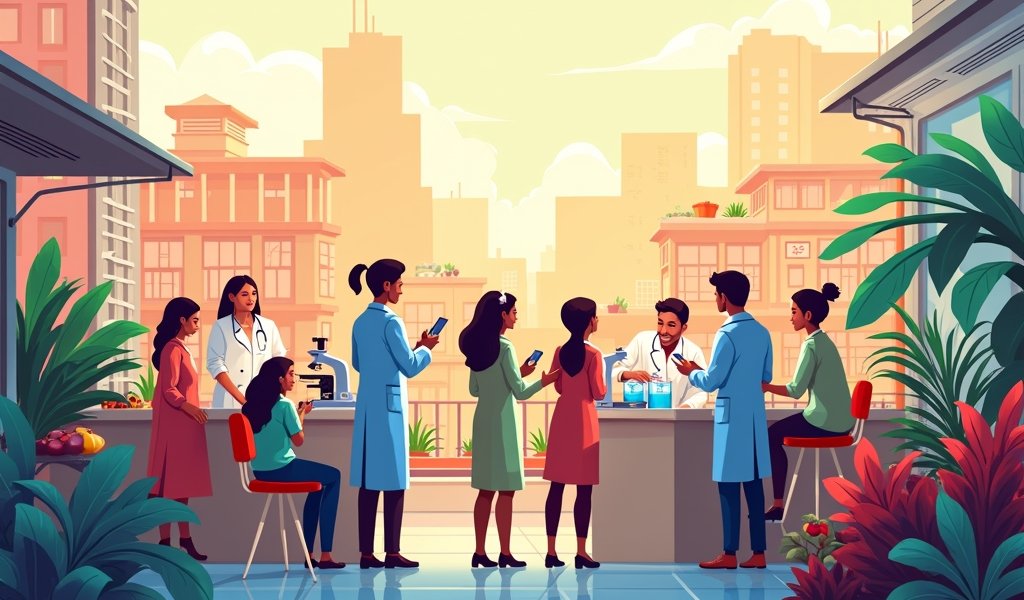
Public health programs equip students with interdisciplinary knowledge spanning epidemiology, biostatistics, health policy, environmental health, and behavioral science. This comprehensive approach creates graduates who understand health from biological, social, and environmental perspectives.
Your coursework will develop critical thinking abilities, research skills, and data analysis capabilities that employers highly value. You’ll learn to identify health trends, design interventions, evaluate program effectiveness, and communicate complex information to diverse audiences.
Essential Skills Developed
- Data collection and analysis
- Program planning and evaluation
- Health communication
- Cultural competence and health equity
- Policy analysis and development
The Council on Education for Public Health identifies five core knowledge areas that form the foundation of public health education. These include epidemiology (the study of disease patterns), biostatistics, environmental health sciences, health policy and management, and social/behavioral sciences.
According to the Association of Schools and Programs of Public Health, these transferable skills help explain why 91% of public health graduates find employment within a year of completing their degree. Many graduates report that the versatility of their public health education allows them to adapt to various roles throughout their careers.
Traditional Career Paths for Public Health Graduates
Health Education and Community Outreach
Health Educators design and implement programs that help people adopt healthier behaviors and navigate healthcare systems. With a median annual salary of $60,600 according to BLS data, these professionals work in settings ranging from public schools to nonprofit organizations.
Community Health Workers serve as bridges between healthcare providers and underserved populations. They might help people find affordable care, provide basic health screenings, or conduct outreach in communities with specific health challenges.
These roles allow you to work directly with people, seeing the immediate impact of your efforts. A successful wellness coordinator job requires excellent communication skills, cultural sensitivity, and creative problem-solving abilities.
Environmental Health
Environmental Health Specialists investigate potential health hazards in our surroundings—from water quality to food safety to air pollution. These professionals conduct inspections, collect samples, and enforce regulations to protect community health.
With growing awareness of climate change impacts on health, demand for environmental health expertise continues to rise. The median annual salary of $78,790 reflects the specialized knowledge these positions require.
Your public health degree provides the perfect foundation for understanding how environmental factors influence population health outcomes. Many environmental health specialists find the variety in their work—from restaurant inspections one day to investigating water contamination the next—particularly rewarding.
Health Services Administration
Healthcare organizations need administrators who understand both management principles and population health. Your public health background provides unique insights into community needs that inform strategic planning and service delivery.
Entry-level positions typically start around $49,000 but can grow substantially as you gain experience and responsibilities. The healthcare administration field is projected to grow 32% through 2030, creating abundant opportunities for advancement.
These roles blend business acumen with public health knowledge—a powerful combination in today’s complex healthcare environment. Many public health graduates find that administrative roles allow them to address systemic issues that impact patient care and community access.
Government Roles: Making an Impact Through Policy
Local Health Departments
Local health departments offer excellent entry points for new public health graduates. Roles might include disease investigation, health inspection, program coordination, or community outreach, with starting salaries typically ranging from $40,000-$55,000.
Working at this level provides unparalleled exposure to diverse public health challenges and the satisfaction of making immediate differences in your own community. Many public health leaders begin their careers in local departments, gaining practical experience before advancing to higher-level positions.
During the COVID-19 pandemic, local health departments demonstrated their essential role in emergency response, contact tracing, and vaccine distribution. While sometimes operating with limited resources, these agencies provide critical safety nets for community health.
State and Federal Agencies
State health departments and federal agencies like the Centers for Disease Control and Prevention (CDC) offer prestigious opportunities with excellent benefits and stability. Federal positions typically start at the GS-7 to GS-9 level for bachelor’s graduates, translating to approximately $44,000-$56,000.
These roles might involve disease surveillance, program management, policy development, or public health emergency response. The application process for government positions can be complex, but many find the career security and impact potential worth the effort.
Federal agencies particularly value candidates with quantitative skills and program evaluation experience. Public health graduates who can analyze data and translate findings into actionable recommendations often find themselves well-positioned for these opportunities.
Private Sector Opportunities: Beyond Government Work
Healthcare Organizations
Hospitals and healthcare systems increasingly employ public health professionals to develop community health initiatives, manage population health programs, and improve quality measures. With healthcare comprising nearly 20% of U.S. GDP, these opportunities continue expanding rapidly.
Entry-level positions typically start at $45,000-$60,000, with substantial growth potential as you gain experience. Your public health degree provides valuable perspective on social determinants of health that clinical professionals might overlook.
Many healthcare organizations now focus on preventive care and community partnerships, creating natural fits for public health graduates. These roles often bridge clinical care and community outreach—an increasingly important connection in value-based healthcare models.
Corporate Wellness Programs
As companies recognize that healthy employees mean higher productivity and lower healthcare costs, corporate wellness programs continue expanding. Public health graduates design and implement these initiatives, helping improve employee wellbeing while demonstrating return on investment.
According to the Wellness Council of America, companies typically see $3-$6 return for every $1 invested in comprehensive wellness programs. This compelling business case has created growing demand for remote wellness jobs that didn’t exist a decade ago.
These positions often offer higher starting salaries ($55,000-$75,000) than government or nonprofit roles. While you might be further removed from addressing health disparities, corporate settings provide excellent professional development and advancement opportunities.
Nonprofit Organizations
Nonprofits focused on specific health issues—from heart disease prevention to maternal health to substance abuse—need public health expertise. These mission-driven organizations offer the satisfaction of addressing causes you’re passionate about.
While salaries might be lower than corporate settings (typically $40,000-$55,000), many find the work-life balance and purpose-driven environment compensate for the difference. Nonprofits also frequently provide opportunities to develop diverse skills as staff often wear multiple hats.
Organizations like the American Heart Association, American Cancer Society, and countless local nonprofits rely on public health professionals to design evidence-based programs, evaluate outcomes, and secure funding. These roles can provide excellent networking opportunities and professional growth.
Emerging Fields in Public Health
Digital Health and Technology
The intersection of technology and public health has created exciting new career paths. From health apps to telehealth platforms to disease surveillance systems, organizations need professionals who understand both health principles and digital applications.
According to the Digital Health Coalition, positions combining health and technology expertise command 20-35% higher salaries than traditional public health roles. Many public health graduates with technology interests find themselves well-positioned for these innovative opportunities.
The COVID-19 pandemic accelerated digital transformation in health, creating unprecedented demand for professionals who can analyze health data, design user-friendly digital interventions, and evaluate technology effectiveness. This field continues evolving rapidly, creating new job categories almost yearly.
Global Health
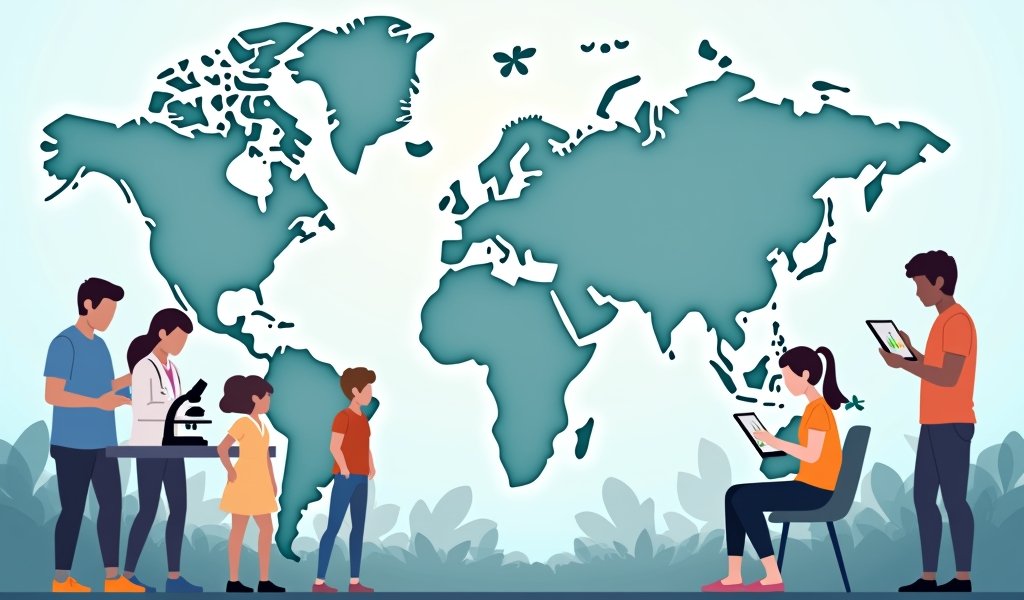
For those interested in international work, organizations like the World Health Organization, UNICEF, and numerous non-governmental organizations offer opportunities to address health challenges across borders. These roles might focus on infectious disease control, maternal and child health, or health systems strengthening.
While entry barriers can be high (often requiring field experience), these careers offer unparalleled opportunities to affect change globally. The field of global health encompasses diverse challenges from pandemic preparedness to addressing health inequities worldwide.
A bachelor’s degree serves as your starting point, with many professionals gaining domestic experience before transitioning to international roles. Language skills, cultural competence, and adaptability particularly enhance your competitiveness in this field.
Climate and Health
As climate change intensifies, its health impacts—from extreme heat events to changing disease patterns—create demand for specialists at this critical intersection. The World Health Organization has declared climate change “the greatest threat to global health in the 21st century,” signaling growing opportunities in this field.
Roles might involve developing heat response plans for cities, tracking climate-sensitive diseases, or designing resilient health systems. This emerging specialization combines environmental science, public health principles, and policy expertise.
The Biden administration’s focus on climate action has increased funding for related health initiatives, creating new positions in government agencies, research institutions, and advocacy organizations. Public health graduates with interest in environmental science find themselves well-positioned for these opportunities.
Advancing Your Career: Beyond the Bachelor’s
Graduate Education Options
While a bachelor’s in public health opens many doors, a Master of Public Health (MPH) remains the gold standard for advancement in many public health careers. According to the Association of Schools and Programs of Public Health, MPH holders earn 25-40% more on average than those with undergraduate degrees alone.
Many employers offer tuition assistance programs, allowing you to work in the field while pursuing advanced education. This “earn while you learn” approach helps determine which specialization truly fits your career goals while building professional experience.
Other advanced degrees that pair well with public health backgrounds include Master of Health Administration (MHA), Master of Science in various health specialties, or even law degrees for those interested in health policy and regulation. Your health and wellness degree online provides an excellent foundation for numerous graduate paths.
Professional Certifications
Certifications can distinguish you from other candidates and demonstrate specialized expertise. The Certified Health Education Specialist (CHES) credential, for example, validates your health education competencies and may increase starting salary by 5-10%.
Other valuable certifications include the Certified in Public Health (CPH) credential, Certified Health Care Quality Professional (CPHQ), or specialized environmental health certifications. These typically require specific coursework and passing a standardized examination.
While not required for all positions, certifications signal your commitment to professional development and specific skill areas. Many employers value this demonstrated dedication to continuing education and professional standards.
Navigating Challenges in Public Health Careers
Funding and Resource Limitations
Public health often operates with limited resources, requiring creativity and resilience. Government budget fluctuations can impact job security and program continuity, particularly in politically sensitive areas.
Many professionals find themselves advocating for funding while simultaneously implementing programs—a challenging balancing act. Learning to demonstrate program value through data and outcomes becomes essential for sustaining initiatives.
Despite these challenges, many find the mission-driven nature of public health work deeply fulfilling. As one veteran public health professional noted, “We learn to do amazing things with limited resources because the work matters too much not to try.”
Measuring Impact
Public health success often means preventing problems—making your impact sometimes invisible or difficult to quantify. Unlike clinical healthcare with immediate outcomes, public health initiatives may take years to demonstrate measurable results.
Learning to document progress and communicate value becomes essential, particularly when competing for resources. This reality can frustrate those seeking immediate gratification but rewards those with long-term vision.
The most successful public health professionals develop skills in demonstrating progress through meaningful metrics and compelling storytelling. These complementary approaches help stakeholders understand both quantitative impacts and human benefits of public health work.
Political and Social Challenges
Public health inherently involves navigating complex social and political landscapes. From vaccine hesitancy to contested public health measures, professionals often find themselves at the intersection of science, policy, and public opinion.
The COVID-19 pandemic highlighted how political polarization can complicate public health messaging and implementation. Developing skills in communication, stakeholder engagement, and coalition-building becomes increasingly important.
Despite these challenges, many find that addressing complex social factors affecting health outcomes provides intellectual stimulation and meaningful impact. Learning to navigate these complexities becomes part of professional growth in public health careers.
Conclusion: Your Public Health Journey
A bachelor’s degree in public health opens doors to diverse careers united by the common purpose of improving community wellbeing. From government agencies to healthcare systems, from global NGOs to corporate settings, the principles and skills you develop apply broadly across numerous settings.
The field offers that rare combination of intellectual challenge, meaningful impact, and career stability. While some paths may require additional education or certification, your undergraduate degree provides the foundation for lifelong professional growth and development.
As we face complex health challenges—from pandemic preparedness to health equity to climate impacts—the world needs public health professionals more than ever. Whether you’re drawn to data analysis, program implementation, policy development, or health communication, your public health degree equips you to contribute meaningfully to addressing these challenges.
Your journey in public health may take unexpected turns as new opportunities emerge and your interests evolve. The field’s breadth allows for career pivots while building on core knowledge and skills. Whatever path you choose, you’ll join a community of professionals working toward the shared goal of healthier communities and lives.
Frequently Asked Questions
What is the average starting salary with a bachelor’s in public health?
Starting salaries typically range from $40,000-$60,000 depending on location, setting, and specific role. Government and nonprofit positions generally offer lower starting salaries than corporate settings but may provide better work-life balance and benefits.
Can I work in healthcare with a public health degree?
Yes, many healthcare organizations hire public health graduates for roles in community outreach, quality improvement, and population health management. Your population-level perspective complements clinical approaches to patient care.
Do I need a master’s degree to advance in public health?
While many senior positions require graduate education, you can begin your career and advance initially with a bachelor’s degree. Many employers offer tuition assistance for continuing education, allowing you to work while pursuing advanced credentials.
What skills make public health graduates most employable?
Data analysis, program planning, health communication, and cultural competence consistently rank among the most valuable skills. Employers particularly value candidates who can translate complex health information for diverse audiences and demonstrate outcomes.
Can I specialize in a specific health area with my bachelor’s degree?
Most bachelor’s programs provide broad foundations while allowing some specialization through electives, internships, and capstone projects. Your first jobs after graduation also help define your specialty area through practical experience.