
Overview
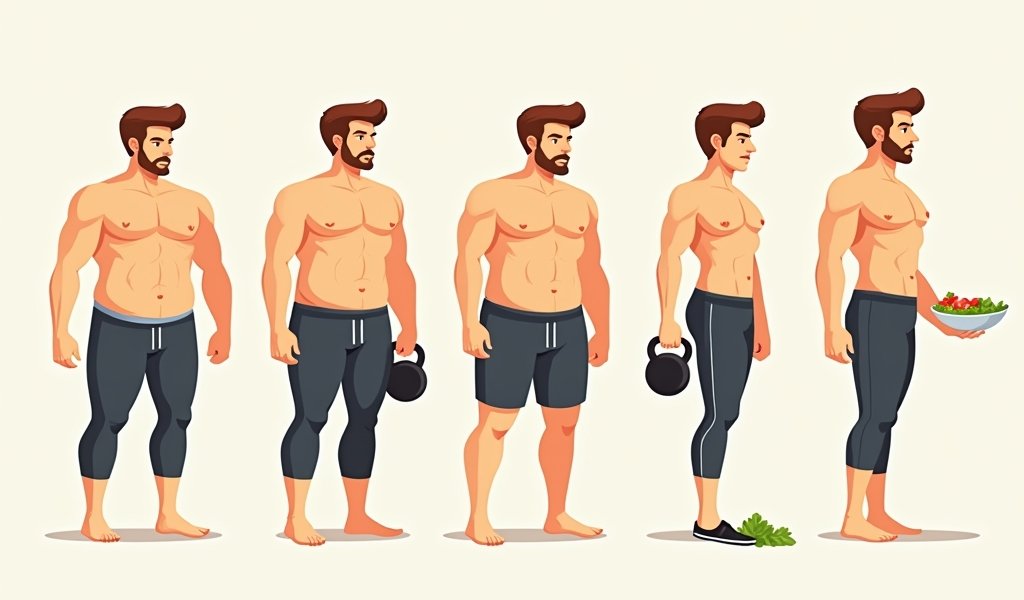
While this article promises to reveal the secrets of dropping 30 pounds in 30 days (spoiler alert: even your overachieving scale thinks that’s a bit much), it actually delivers a realistic five-step approach combining caloric deficit, high-protein nutrition, optimized exercise, water weight management, and consistency—all while acknowledging that a 1-2 pound weekly loss is both healthier and more sustainable than extreme rapid weight loss. The author ultimately encourages readers to extend their weight loss timeline to 2-3 months for their 30-pound goal, emphasizing that sustainable habit formation trumps quick fixes and that health transformation should be viewed as a journey rather than a race.
Table of Contents
- Understanding Rapid Weight Loss: What’s Realistic?
- Step 1: Create a Substantial Caloric Deficit
- Step 2: Implement a High-Protein, Low-Carb Nutrition Plan
- Step 3: Optimize Your Exercise Regimen
- Step 4: Manage Water Weight and Bloating
- Step 5: Maintain Consistency and Accountability
- Risks and Considerations: Is Rapid Weight Loss Safe?
- Conclusion: A More Sustainable Approach
- Frequently Asked Questions
Understanding Rapid Weight Loss: What’s Realistic?
If you’re searching for how to lose thirty pounds in one month, you’re likely looking for dramatic results quickly. As a health professional, I understand the desire for rapid transformation, but I must begin with a critical truth: losing 30 pounds in 30 days is an extremely aggressive goal that exceeds what most medical experts consider safe or sustainable.
The Centers for Disease Control and Prevention (CDC) recommends a gradual weight loss of 1-2 pounds per week for sustainable results. This translates to 4-8 pounds per month, not 30. Medical consensus on healthy weight loss emphasizes that more extreme approaches often lead to muscle loss, nutritional deficiencies, and eventual rebound weight gain.
That said, some individuals—particularly those with significantly higher starting weights—may experience more dramatic initial results when beginning a structured program. Water weight, reduced inflammation, and digestive changes can contribute to larger numbers on the scale during the first few weeks.
While I can’t ethically outline a plan guaranteeing 30 pounds of fat loss in one month, I can share five evidence-based strategies that maximize weight loss while prioritizing health. These approaches could help you shed a significant amount of weight in your first month while setting you up for continued success thereafter.
Step 1: Create a Substantial Caloric Deficit
Weight loss fundamentally requires burning more calories than you consume. To achieve meaningful results in a compressed timeframe, you’ll need to create a significant yet manageable caloric deficit.
First, calculate your Total Daily Energy Expenditure (TDEE)—the total calories your body burns daily based on your age, weight, height, gender, and activity level. Several reputable online calculators can help with this. Once you have this baseline, you’ll need to reduce your intake considerably below this number.
For aggressive but still medically responsible weight loss, aim for a daily deficit of 750-1000 calories. This theoretically creates 1.5-2 pounds of fat loss weekly. However, never drop below 1,200 calories daily for women or 1,500 for men, regardless of your weight loss goals. Going lower risks metabolic damage, muscle loss, and nutritional deficiencies.
Here’s how to implement this step effectively:
- Track every calorie consumed using a food diary app like MyFitnessPal or Cronometer
- Weigh and measure portions rather than estimating
- Plan meals in advance to avoid impulse eating
- Focus on nutrient-dense, low-calorie foods that provide satiety
- Consider intermittent fasting methods like 16:8 (16 hours fasting, 8-hour eating window) to help manage caloric intake
Remember that your initial weight loss will likely include water weight—potentially 5-10 pounds in the first week—which makes early progress seem faster. This is normal and healthy but doesn’t represent pure fat loss.
Step 2: Implement a High-Protein, Low-Carb Nutrition Plan

The composition of your calories matters tremendously when pursuing rapid weight loss. A high-protein diet plan combined with moderate fat and reduced carbohydrates optimizes body composition changes and reduces hunger.
Protein requires more energy to digest (the thermic effect of food) and helps preserve lean muscle during rapid weight loss. Aim for 1.2-1.6 grams of protein per kilogram of body weight daily. For someone weighing 200 pounds (91 kg), this translates to roughly 110-145 grams of protein per day.
Significantly reducing carbohydrates—especially refined carbs and sugars—helps decrease insulin levels, which can reduce fat storage and curb hunger. A study published in the Annals of Internal Medicine found that low-carb diets produced faster initial weight loss than low-fat diets.
Here’s a simple framework for your daily meals:
- Breakfast: Protein-focused (eggs, Greek yogurt, protein shake)
- Lunch: Lean protein with non-starchy vegetables
- Dinner: Another protein source with fibrous vegetables
- Snacks: Small protein-rich options (cottage cheese, protein bar, handful of nuts)
Hydration is equally crucial. Drink a minimum of 3 liters (about 100 ounces) of water daily. This supports metabolic function, reduces false hunger cues, and helps manage the increased protein load on your kidneys.
Consider incorporating nutrient-dense smoothies as meal replacements once daily. These can provide essential vitamins and minerals while controlling calories and satisfying hunger.
Step 3: Optimize Your Exercise Regimen
To maximize weight loss within a month, your exercise strategy needs to balance intensity, frequency, and recovery. A properly structured program can significantly increase your caloric deficit while preserving or even building lean muscle.
High-Intensity Interval Training (HIIT) provides the most efficient calorie burn per minute of exercise. A well-designed HIIT workout plan alternates between short bursts of maximum effort and brief recovery periods. These workouts elevate your metabolism for up to 24 hours afterward—a phenomenon known as excess post-exercise oxygen consumption (EPOC) or the “afterburn effect.”
Aim for 4-5 HIIT sessions weekly, each lasting 20-30 minutes. Complement these with 2-3 strength training sessions focusing on compound movements that engage multiple muscle groups simultaneously:
- Squats and deadlifts for lower body
- Push-ups, bench presses, and rows for upper body
- Planks and rotational movements for core strength
Additionally, incorporate daily low-intensity activity like walking. Aim for 10,000+ steps each day, which can burn an extra 300-500 calories without creating significant hunger or recovery demands. This approach to non-exercise activity thermogenesis (NEAT) has been shown to significantly impact overall energy expenditure.
Be mindful of overtraining signs like persistent soreness, disrupted sleep, or decreased performance. If you notice these symptoms, incorporate an additional rest day and focus on gentle movement like walking or yoga.
Step 4: Manage Water Weight and Bloating
A significant portion of rapid weight loss—especially in the first two weeks—comes from reduced water retention and digestive content rather than actual fat loss. Strategically managing these factors can enhance your visible results and provide motivational scale victories.
Sodium intake directly influences water retention. Limiting processed foods automatically reduces sodium consumption, as these typically contain 70-80% of the average person’s sodium intake. Aim for less than 2,300mg daily, preferably closer to 1,500mg.
Certain foods and beverages can cause bloating and inflammation, temporarily increasing your weight. Common culprits include:
- Dairy products (particularly for those with lactose sensitivity)
- Gluten-containing grains
- Carbonated beverages
- Sugar alcohols (often found in sugar-free products)
- Beans and certain gas-producing vegetables
Consider eliminating these temporarily during your month of intensive weight loss, then reintroduce them systematically afterward to identify your specific triggers.
Interestingly, proper hydration actually helps reduce water retention. When you’re dehydrated, your body clings to available water, causing bloating. Consistent hydration signals to your body that it’s safe to release excess fluid.
Lastly, quality sleep dramatically impacts fluid balance and inflammation. Research has linked poor sleep to increased cortisol levels, which can promote water retention and fat storage. Prioritize 7-9 hours of uninterrupted sleep nightly.
Step 5: Maintain Consistency and Accountability

Even the most perfectly designed weight loss plan fails without consistent execution. The psychological aspects of adherence often determine success more than the specific diet or exercise protocol.
Daily tracking creates awareness and accountability. Monitor not just your weight but also:
- Body measurements (waist, hips, chest, arms, thighs)
- Energy levels and mood (1-10 scale)
- Hunger patterns and food cravings
- Exercise performance metrics
- Sleep quality and duration
Accountability partnerships significantly improve adherence. Share your journey with a trusted friend, join a support group, or consider working with a registered dietitian or certified personal trainer. Simply knowing someone else is aware of your goals increases follow-through by 65%, according to research from Dominican University.
Plan for inevitable challenges. Identify your typical obstacles—stress eating, social events, travel, or fatigue—and create specific strategies for each scenario before they arise. This proactive approach prevents small setbacks from derailing your entire month.
Consider implementing a reward system that isn’t food-based. After each week of consistent adherence, treat yourself to something that supports your overall well-being: a massage, new workout clothes, or a few hours dedicated to a hobby you enjoy.
Risks and Considerations: Is Rapid Weight Loss Safe?
I would be remiss not to address the potential risks associated with extremely rapid weight loss. While the strategies outlined above maximize results while maintaining basic nutritional needs, losing weight too quickly can have serious health implications:
- Gallstones develop in 12-25% of people who lose large amounts of weight rapidly
- Nutritional deficiencies can occur, particularly in fat-soluble vitamins, iron, and electrolytes
- Metabolic adaptation can reduce your basal metabolic rate, making future weight maintenance harder
- Muscle loss often accompanies rapid fat loss unless specifically mitigated
- Psychological effects may include increased food preoccupation and disordered eating patterns
Certain individuals should never attempt extremely rapid weight loss without medical supervision:
- Pregnant or breastfeeding women
- Those with a history of eating disorders
- Individuals with diabetes, heart disease, or kidney disease
- People taking medications that affect metabolism or fluid balance
- Anyone under 18 years of age
If you experience dizziness, excessive fatigue, irregular heartbeat, or unusual weakness during your weight loss program, stop immediately and consult a healthcare provider.
Remember that sustainable weight management is a lifelong journey. The most successful approach is one that creates lasting habits rather than producing dramatic short-term results that cannot be maintained.
Conclusion: A More Sustainable Approach
When exploring how to lose thirty pounds in one month, it’s important to balance ambition with medical reality. While the strategies outlined can maximize your results in a compressed timeframe, a more moderate pace offers greater long-term success with fewer health risks.
Consider extending your timeline to 2-3 months for that 30-pound goal. This approach allows for a less extreme caloric deficit, more flexible food choices, and reduced risk of muscle loss or metabolic adaptation. You’ll still see impressive progress, but in a manner your body can better adapt to physiologically.
The most valuable outcome isn’t just reaching a number on the scale—it’s developing sustainable habits that prevent weight regain. Studies consistently show that 80-95% of rapid weight loss is eventually regained, often with additional pounds added. Breaking this cycle requires focusing on behavioral changes and identity shifts rather than quick fixes.
Whatever timeline you choose, remember that your worth isn’t determined by your weight or how quickly you can change it. Approach this process with self-compassion, celebrating progress in all its forms—improved energy, better sleep, increased strength, and enhanced confidence.
Health transformation is a journey, not a race. Take the first step with realistic expectations, and you’ll set yourself up for both immediate progress and lasting success.
Frequently Asked Questions
Is it really possible to lose 30 pounds in one month?
While technically possible for those with significant weight to lose, it’s not recommended or realistic for most people. A safer goal is 8-12 pounds in the first month, focusing on sustainable changes.
Will I regain weight quickly after losing it so fast?
Rapid weight loss is associated with higher regain rates unless permanent lifestyle changes are established. Transitioning to a moderate deficit and continuing exercise habits is crucial for maintenance.
Do I need to take supplements during rapid weight loss?
A basic multivitamin can help prevent deficiencies during caloric restriction. Consider adding electrolytes, omega-3s, and possibly a protein supplement if struggling to meet targets from whole foods.
How much of my weight loss will be water versus fat?
Initial weight loss typically includes 5-10 pounds of water weight, particularly when reducing carbohydrates. After the first week, a higher percentage of weight loss represents actual fat loss.
Should I do cardio or strength training for fastest results?
A combination approach yields optimal results. Strength training preserves muscle mass while HIIT cardio maximizes calorie burn and metabolic benefits.