

Overview
Foot tendons can be real drama queens, screaming in pain with every step until you give them the supportive hug they desperately need via quality insoles. This article examines five top insole options for relieving tendon pain (Superfeet GREEN, Powerstep Pinnacle, Dr. Scholl’s Orthotics, Walkfit Platinum, and Spenco Total Support Max), explaining how they work by correcting alignment and distributing pressure, while offering complementary remedies like rest, ice therapy, and proper footwear to create a complete recovery approach.
Table of Contents
- Understanding Foot Tendon Pain
- How Insoles Help With Tendon Pain
- Top 5 Insoles for Foot Tendon Pain
- 1. Superfeet GREEN Insoles
- 2. Powerstep Pinnacle Orthotic Insoles
- 3. Dr. Scholl’s Plantar Fasciitis Pain Relief Orthotics
- 4. Walkfit Platinum Foot Orthotics
- 5. Spenco Total Support Max Insoles
- Choosing the Right Insoles
- Additional Remedies for Foot Tendon Pain
- Conclusion
- Frequently Asked Questions
Understanding Foot Tendon Pain
If you’ve ever experienced that sharp, stabbing pain in your foot that makes every step feel like torture, you might be dealing with tendon in foot pain. Trust me, I’ve seen countless patients hobbling into my clinic looking for relief. Foot tendon pain can turn simple activities like walking the dog or grocery shopping into daunting challenges.
Tendons are those tough, fibrous tissues connecting muscles to bones. In your foot, there are several major tendons including the Achilles tendon (connecting calf muscles to heel), posterior tibial tendon (supporting the arch), and peroneal tendons (running along the outer foot). When these become inflamed or damaged – often due to overuse, improper footwear, or biomechanical issues – the result is pain that can range from mildly annoying to downright debilitating.
Common conditions involving foot tendon pain include tendonitis (inflammation of a tendon), tendinosis (degeneration without inflammation), and tendon strains or tears. You might notice symptoms like pain that worsens with activity, swelling, warmth, redness, or a crunchy sound when moving the affected area. Without proper support and treatment, these issues can become chronic and seriously impact your quality of life.
How Insoles Help With Tendon Pain
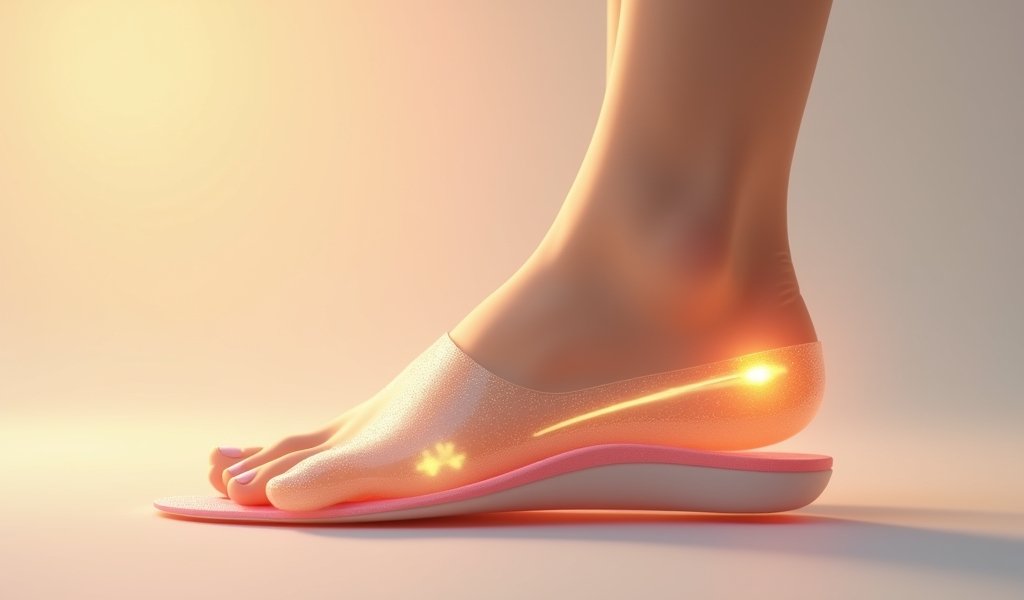
So how can a simple insole make such a difference for tendon pain? It’s all about biomechanics and support. When you’re dealing with foot tendon issues, proper support can be a game-changer in your recovery journey. Good quality insoles work by correcting alignment problems, distributing pressure more evenly, and reducing strain on those overworked tendons.
Research published in the Journal of Foot and Ankle Surgery shows that appropriate orthotic devices can significantly reduce pain associated with various foot tendon conditions. They work their magic in several ways:
- Providing arch support that prevents overpronation or supination
- Cushioning impact to reduce stress on tendons
- Stabilizing the heel to prevent excessive motion
- Improving overall foot alignment to reduce abnormal tendon strain
The right insole can be particularly beneficial for conditions like posterior tibial tendonitis, Achilles tendonitis, or peroneal tendonitis. It’s like giving your foot the perfect supportive hug it needs to heal. And the best part? It’s a non-invasive approach that can complement other treatments like physical therapy, stretching, or therapeutic foot spas that many patients find helpful.
Top 5 Insoles for Foot Tendon Pain
After years of clinical practice and personal experience as a runner, I’ve had the opportunity to evaluate numerous insole options for tendon in foot pain. I’ve carefully selected these five products based on their effectiveness, quality, user feedback, and scientific backing. Let’s dive into the options that could help get you back on your feet comfortably.
1. Superfeet GREEN Insoles
Superfeet GREEN insoles have earned their reputation as the gold standard for many foot specialists dealing with tendon issues. What makes them special? For starters, they offer exceptional arch support with a deep heel cup that helps stabilize the foot and reduce stress on tendons.
The high-density foam layer provides firm but comfortable support, while the stabilizer cap at the base adds structure and stability. I’ve recommended these to marathon runners with Achilles tendon issues and office workers with posterior tibial tendon dysfunction with great success.
These insoles are particularly effective for those with medium to high arches and work well in hiking boots, running shoes, or everyday footwear. The professional-grade orthotic shape helps maintain proper alignment throughout your stride, reducing the abnormal forces that can aggravate tendon pain.
One downside is that they might feel quite firm initially and require a break-in period of about 1-2 weeks. However, this firmness is precisely what provides the needed support for healing tendons. At around $50, they’re an investment, but their durability (typically lasting 12 months or more) makes them cost-effective in the long run.
2. Powerstep Pinnacle Orthotic Insoles
If you’re looking for that sweet spot between cushioning and support, Powerstep Pinnacle might be your perfect match. These insoles feature a double-layer cushioning system with a firm but flexible shell that provides excellent arch support and stability.
What sets the Pinnacle apart is its ability to provide both shock absorption and control. The plush top layer feels comfortable right away (no significant break-in period needed), while the underlying arch support helps correct biomechanical issues that might be causing or exacerbating your tendon pain.
I often recommend these to patients with peroneal tendonitis or those suffering from tendon pain related to flat feet. The antimicrobial top fabric also helps prevent odor – a nice bonus for active individuals. The semi-rigid support strikes a nice balance for people who find the Superfeet too firm but need more support than cushion-only insoles provide.
Powerstep Pinnacles typically retail for around $35-40 and last approximately 6-12 months depending on usage. Many of my patients have reported feeling relief within days of using these insoles, especially those dealing with joint pain in their feet.
3. Dr. Scholl’s Plantar Fasciitis Pain Relief Orthotics
While specifically marketed for plantar fasciitis, Dr. Scholl’s Pain Relief Orthotics work wonderfully for various tendon issues in the foot. They feature targeted cushioning in the heel and reinforced arch support that helps reduce strain on the posterior tibial tendon and other foot structures.
What I appreciate about these insoles is their accessibility – they’re widely available in pharmacies and big box stores at a more budget-friendly price point (usually around $20-25). The contoured heel cup helps stabilize the rear foot, which can be particularly beneficial for Achilles tendon issues.
These insoles incorporate Shock Guard® Technology that reduces impact forces traveling up the leg with each step. This can be particularly helpful for tendon pain that’s exacerbated by high-impact activities. They’re also among the easier insoles to trim and fit correctly.
The main limitation is durability – they typically last 3-6 months with regular use. However, they’re a great entry point for someone new to orthotic support or looking for a more affordable option. Several clinical studies have shown that even over-the-counter insoles like these can provide significant pain relief for foot tendon conditions.
4. Walkfit Platinum Foot Orthotics
One of the most unique offerings on this list, Walkfit Platinum orthotics stand out for their customizable approach to foot support. Each package comes with interchangeable arch inserts (low, medium, and high) that allow you to adjust the level of support as your condition improves or as needed for different activities.
This adaptability makes them particularly valuable for tendon rehabilitation, as you might need different levels of support throughout your healing journey. The acupressure massage nodes on the insoles can help increase circulation to the feet, potentially speeding recovery for some tendon conditions.
The heel cup is designed to align the bones of the foot, helping to distribute weight evenly and reduce stress on tendons. Many of my patients with posterior tibial tendon dysfunction have found relief with these insoles, especially those who need to gradually adjust to orthotic support.
Priced at around $20-30, they offer good value, especially considering the customization options. The main drawback is that they’re a bit bulkier than some other options and might not fit as well in dress shoes or low-profile footwear. For casual shoes and athletic footwear, however, they’re an excellent option worth considering.
5. Spenco Total Support Max Insoles
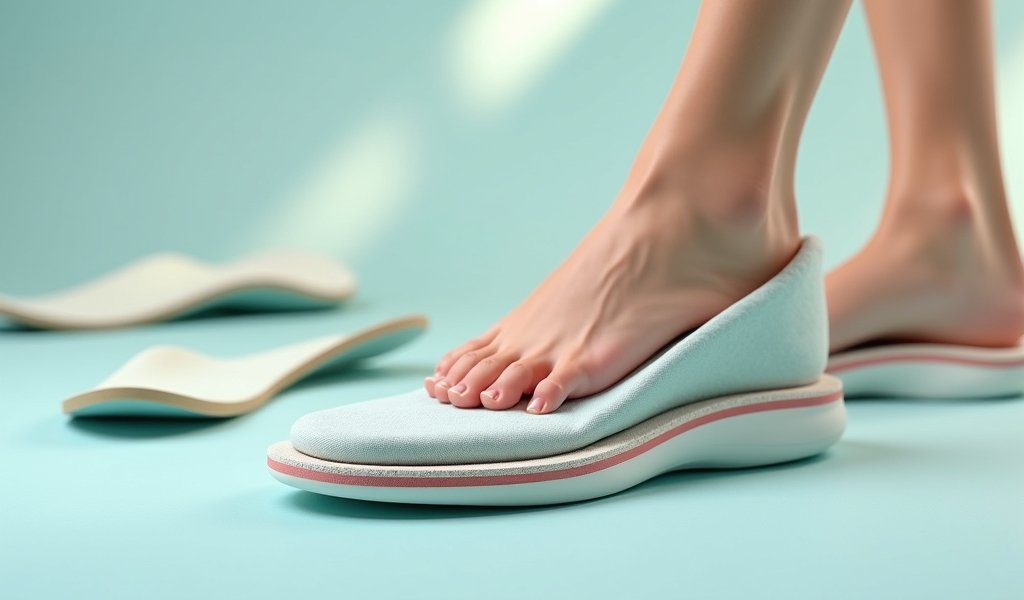
Spenco has long been respected in the foot care industry, and their Total Support Max insoles live up to the brand’s reputation. These insoles offer rigid arch support and deep heel cupping, making them excellent for serious cases of tendon in foot pain, especially for those with significant pronation issues.
What makes the Total Support Max stand out is the 3-POD™ Modulation System – a patented design that places firmer support in specific zones to control excessive pronation (inward rolling of the foot). This targeted approach can significantly reduce strain on the posterior tibial tendon and other structures on the inner side of the foot.
The forefoot crash pad helps absorb shock during the push-off phase of walking or running, which can benefit those with anterior tendon issues. Meanwhile, the anti-friction top cloth helps prevent blisters – a small but important feature for tender feet.
At around $40-45, they’re in the mid-to-high price range, but their effectiveness for severe cases makes them worth considering. They’re particularly recommended for active individuals who need maximum support during sports or exercise. The rigid support might take some getting used to, but many patients report it’s this very firmness that finally provided relief after trying softer insoles without success.
Choosing the Right Insoles
Selecting the perfect insole for your specific tendon issue isn’t just about buying the most expensive or highest-rated option. It’s about finding the right match for your unique foot structure and specific condition. Here are some factors to consider:
- Foot arch type: Do you have flat feet, high arches, or something in between? High arches often need more cushioning, while flat feet typically require more support.
- Specific tendon affected: Achilles tendon issues might benefit more from heel cups, while posterior tibial tendon dysfunction often requires solid arch support.
- Activity level: Are you an athlete, an occasional exerciser, or mainly sedentary? More active individuals may need more durable, supportive options.
- Footwear considerations: Make sure the insoles will fit in your most commonly worn shoes.
- Severity of your condition: More severe or chronic issues might require more rigid, supportive insoles.
Don’t hesitate to consult with a podiatrist or physical therapist for personalized recommendations. Many foot specialists can even perform a gait analysis to identify exactly what type of support would benefit you most. Remember that while insoles can provide significant relief, they’re often most effective when used as part of a comprehensive treatment approach.
And here’s a pro tip: Consider getting two pairs of your preferred insoles if your budget allows. This lets you switch them between different shoes without the hassle of moving them back and forth, increasing the likelihood you’ll consistently use them.
Additional Remedies for Foot Tendon Pain
While quality insoles can make a world of difference for tendon in foot pain, they work best as part of a comprehensive approach. Here are some complementary strategies that can speed your recovery:
- Rest and activity modification: Sometimes the best medicine is giving your foot a break from aggravating activities.
- Ice therapy: Apply ice to painful areas for 15-20 minutes several times daily, especially after activity.
- Proper stretching: Gentle stretches for the calf muscles and foot can help relieve tension on tendons. The American Academy of Orthopedic Surgeons recommends specific stretches for different tendon conditions.
- Strengthening exercises: Once acute pain subsides, targeted exercises can help prevent recurrence.
- Footwear evaluation: Even the best insoles can’t compensate for inadequate shoes. Look for options with good stability, cushioning, and proper fit.
- Anti-inflammatory approaches: This might include over-the-counter medications (consult your doctor), natural supplements, or dietary changes to reduce overall inflammation.
- Massage therapy: Gentle massage can improve blood flow and reduce tension in surrounding muscles.
For persistent or severe cases, don’t hesitate to consult a healthcare professional. Sometimes tendon issues can be indicative of other conditions like muscle cramps or spasms that might require different interventions. Physical therapy, custom orthotics, or in some cases, medical procedures might be necessary for full resolution.
Remember that healing tendons takes time – sometimes several months for complete recovery. Be patient with the process and consistent with your chosen interventions.
Conclusion
Living with foot tendon pain doesn’t have to be your new normal. With the right supportive insoles and complementary care strategies, you can get back to walking, running, and living comfortably again. Each of the five insoles we’ve reviewed offers unique benefits that might make them the perfect match for your specific situation.
Whether you opt for the firm support of Superfeet GREEN, the cushioned stability of Powerstep Pinnacle, the accessible relief of Dr. Scholl’s, the customizable approach of Walkfit Platinum, or the maximum support of Spenco Total Support Max, you’re taking a positive step toward healing.
Remember that consistency is key – wear your chosen insoles regularly, follow through with complementary treatments, and give your body time to heal. With patience and the right support, most tendon issues improve significantly over time.
Your feet carry you through life’s journey – they deserve the best care you can give them. Here’s to pain-free steps ahead!
Frequently Asked Questions
How long should I wear insoles for tendon in foot pain?
Most people benefit from wearing supportive insoles consistently for at least 3-6 months while the tendon heals. For chronic conditions, long-term use may be recommended to prevent recurrence.
Can I use the same insoles for different shoes?
Ideally, you should have insoles dedicated to each pair of regularly worn shoes. Transferring between shoes can alter the fit and effectiveness while shortening the insoles’ lifespan.
How often should insoles be replaced?
Most quality insoles should be replaced every 6-12 months with regular use. Signs of breakdown include visible compression, loss of firmness, or return of symptoms.
Can insoles completely cure tendon problems?
Insoles are an effective management tool but typically work best alongside other treatments like rest, stretching, and proper footwear. Severe cases may require additional medical intervention.
Is it normal for new insoles to feel uncomfortable at first?
Yes, many supportive insoles require a break-in period of 1-2 weeks as your feet adjust. Start with a few hours daily and gradually increase wear time unless discomfort is severe.
About the Author: Joseph Harwood is a dedicated long-distance runner and practicing physiotherapist specializing in foot and ankle rehabilitation. With over 15 years of clinical experience and countless miles logged on his own feet, Joseph combines practical knowledge with professional expertise to help others overcome foot pain and perform at their best.