

Overview
Who knew that your poor overworked finger tendons could throw such a dramatic tantrum? This article outlines seven effective treatments for flexor tendonitis (inflammation of finger/wrist tendons), including rest, ice therapy, compression, anti-inflammatory medications, physical therapy exercises, bracing, and advanced treatments like injections or surgery, while emphasizing the importance of early intervention and proper activity modification for successful recovery.
Table of Contents
- Understanding Flexor Tendonitis
- Causes and Risk Factors
- 1. Rest and Activity Modification
- 2. Ice Therapy
- 3. Compression Techniques
- 4. Anti-inflammatory Medications
- 5. Physical Therapy Exercises
- 6. Bracing and Splinting
- 7. Advanced Treatment Options
- Prevention Strategies
- When to See a Doctor
- Conclusion
- Frequently Asked Questions
Understanding Flexor Tendonitis
Flexor tendonitis is a painful condition that occurs when the tendons that help bend your fingers, wrist, or thumb become inflamed or irritated. As a physical therapist with over 15 years of experience, I’ve seen firsthand how this condition can significantly impact daily activities, from typing on a keyboard to gripping a coffee mug. The discomfort ranges from mild to severe, often presenting as pain, swelling, and reduced range of motion in the affected area.
What makes flexor tendonitis particularly challenging is that it typically develops gradually. You might initially dismiss the symptoms as temporary soreness, only to find them intensifying over time. Understanding the nature of this condition is the first step toward effective treatment and relief. The good news is that with the right approach, most cases of flexor tendonitis respond well to conservative treatments without requiring surgical intervention.
In this comprehensive guide, I’ll walk you through seven proven treatments for flexor tendonitis that can help you find relief and get back to your normal activities. These approaches have consistently delivered results for my patients and are backed by clinical research and professional experience.
Causes and Risk Factors
Flexor tendonitis typically doesn’t appear out of nowhere. Understanding what causes this condition can help you both treat it effectively and prevent its recurrence. The most common culprit is repetitive motion—activities that require the same hand or wrist movements again and again. This is why we often see flexor tendonitis in people with certain occupations or hobbies.
Musicians who practice for hours, office workers who type all day, and craftspeople who use their hands repetitively are at higher risk. Sports that involve gripping, such as tennis, golf, or rock climbing, can also trigger this condition. The repeated stress causes tiny tears in the tendon that, when not given adequate time to heal, lead to inflammation and pain.
Other risk factors include:
- Age (tendons become less flexible as we age)
- Previous hand or wrist injuries
- Certain medical conditions like rheumatoid arthritis or diabetes
- Poor ergonomics when working or performing activities
- Sudden increase in activity intensity or duration
In some cases, flexor tendonitis develops alongside other musculoskeletal conditions that might require comprehensive treatment approaches. Recognizing these underlying factors is crucial for developing an effective treatment plan tailored to your specific situation.
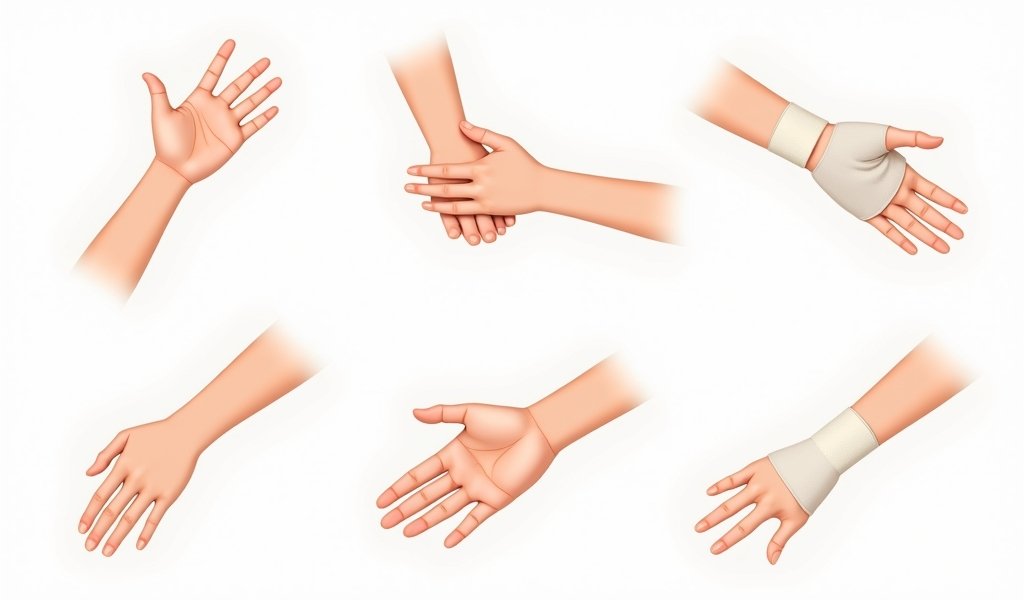
1. Rest and Activity Modification
The first and most fundamental step in treating flexor tendonitis is giving your affected tendons the break they desperately need. I cannot stress this enough: continuing the activities that caused or contribute to your tendonitis will only prolong your recovery and potentially worsen the condition.
Rest doesn’t necessarily mean complete immobilization. Instead, think of it as “relative rest”—modifying your activities to reduce stress on the inflamed tendons while maintaining function in other areas. For instance, if typing causes pain, you might use voice-to-text software temporarily or take more frequent breaks.
Here’s how to implement effective rest and activity modification:
- Identify and temporarily stop or significantly reduce activities that trigger pain
- Take regular breaks during unavoidable hand-intensive tasks (aim for 5 minutes every 30 minutes)
- Alternate between different types of activities to avoid overusing specific tendons
- Consider ergonomic tools that reduce strain on your hands and wrists
According to research published in the Journal of Hand Therapy, most patients see significant improvement after 2-3 weeks of modified activity. Remember, this doesn’t mean doing nothing—it means being smart about how you use your hands while healing takes place.
One patient of mine, a professional guitarist, was devastated when flexor tendonitis threatened her career. By implementing strategic rest periods and modifying her practice schedule, she was able to recover without missing her upcoming performances. The key was working smarter, not harder.
2. Ice Therapy
Ice therapy, or cryotherapy, remains one of the most effective ways to reduce inflammation and pain associated with flexor tendonitis. When applied correctly, cold therapy constricts blood vessels, numbs nerve endings, and slows down the inflammatory response that’s causing your discomfort.
For optimal results, I recommend using ice during the acute phase of tendonitis—typically within the first 48-72 hours after pain begins or flares up. The standard protocol is 15-20 minutes of ice application, followed by at least 40 minutes off before reapplying. This prevents tissue damage while maximizing the anti-inflammatory benefits.
Effective ice therapy methods include:
- Ice packs wrapped in a thin towel (never apply ice directly to skin)
- Frozen gel packs designed for therapeutic use
- Ice massage using a frozen water-filled paper cup (peel away paper as ice melts)
- Cold water immersion for 10-15 minutes
For hand and wrist tendonitis, I often suggest the “contrast bath” technique to my patients. This involves alternating between cold water (50-60°F) for 1 minute and lukewarm (not hot) water for 3 minutes, repeating for a total of 15-20 minutes and ending with cold. This method improves circulation while still providing inflammation control.
Remember that while ice therapy is highly effective for acute pain and inflammation, it’s just one component of a comprehensive treatment approach. Think of it as first aid rather than a complete solution for flexor tendonitis.
3. Compression Techniques
Compression plays a vital role in managing flexor tendonitis by reducing swelling and providing stability to the affected area. When applied correctly, compression helps limit fluid buildup in the inflamed tissues and provides gentle support that can alleviate pain during necessary movements.
In my practice, I’ve found that compression works best when combined with other treatments—particularly rest and ice therapy. The key is finding the right balance: enough compression to be therapeutic without restricting circulation or causing discomfort.
Effective compression methods for flexor tendonitis include:
- Elastic compression bandages wrapped with moderate tension (you should be able to slip a finger underneath)
- Compression gloves or sleeves designed specifically for hand/wrist tendon issues
- Kinesiology tape applied in specific patterns to support the affected tendons
- Custom-fitted compression garments for severe or recurring cases
I typically recommend wearing compression during activities that might stress the tendons and for 1-2 hours afterward. For severe cases, overnight compression can be beneficial—though specialized products designed for nighttime use are preferable to standard daytime compression methods.
One interesting technique that combines compression with pain relief is the use of compression sleeves with copper or far infrared technology. While research on their effectiveness is still emerging, some patients report additional benefits beyond standard compression. However, the most important factor remains proper fit and appropriate pressure—too tight, and you’ll restrict healing; too loose, and you’ll miss the therapeutic benefits.
4. Anti-inflammatory Medications
Non-steroidal anti-inflammatory drugs (NSAIDs) can be valuable allies in your battle against flexor tendonitis, particularly during the acute phase when inflammation is at its peak. These medications work by reducing the body’s production of prostaglandins—compounds that promote inflammation, pain, and fever.
Common over-the-counter NSAIDs that can help manage flexor tendonitis include:
- Ibuprofen (Advil, Motrin)
- Naproxen sodium (Aleve)
- Aspirin (though this is generally less preferred for tendon issues)
While these medications can provide significant relief, they should be used judiciously and according to package directions or your doctor’s advice. NSAIDs are most effective when taken consistently for a short period (typically 5-7 days) rather than sporadically when pain peaks. This approach helps maintain steady anti-inflammatory effects in the affected tissues.
It’s worth noting that research suggests that NSAIDs are most beneficial during the initial inflammatory phase of tendonitis. Their effectiveness may diminish for chronic cases, where the primary issue becomes tendon degeneration rather than acute inflammation.
For those unable to take oral NSAIDs due to stomach sensitivity or other health concerns, topical anti-inflammatory preparations can be excellent alternatives. These include:
- Diclofenac gel (Voltaren, now available over-the-counter)
- Salicylate creams and patches
- Natural anti-inflammatory compounds like arnica or menthol
Always consult with your healthcare provider before starting any anti-inflammatory regimen, especially if you have underlying health conditions or take other medications. While these drugs can be effective, they’re just one component of a comprehensive treatment approach for flexor tendonitis.

5. Physical Therapy Exercises
Once the acute pain and inflammation of flexor tendonitis begin to subside, targeted exercises become crucial for restoring function and preventing recurrence. As a physical therapist, I’ve seen remarkable recovery when patients commit to a structured exercise program that gradually strengthens and rehabilitates the affected tendons.
The key word here is “gradually”—pushing too hard too soon can trigger setbacks. A proper rehabilitation program progresses through three phases:
Phase 1: Range of Motion Exercises (Days 3-14)
Begin with gentle movements that maintain mobility without stressing the tendon:
- Wrist flexion and extension: Gently bend and straighten the wrist
- Finger glides: Slowly curl fingers from straight to fist position
- Tendon gliding exercises: Move fingers through various positions (straight, hook, fist)
Perform 5-10 repetitions, 3 times daily, stopping if pain increases.
Phase 2: Light Strengthening (Weeks 2-4)
As pain decreases, introduce gentle resistance:
- Putty squeezes: Using therapy putty to provide gentle resistance
- Light grip exercises with a soft ball or stress ball
- Wrist curls with very light weight (1-2 pounds maximum)
- Rubber band resistance for finger extension
Start with 10-15 repetitions, once daily, gradually increasing to 2-3 sets as tolerated.
Phase 3: Progressive Loading (Weeks 4-8)
This phase focuses on gradually returning to normal activities:
- Eccentric exercises (slowly lowering weights)
- Functional grip training using everyday objects
- Activity-specific exercises that mimic your work or sport demands
According to research from the Journal of Orthopedic & Sports Physical Therapy, eccentric exercises—which focus on the “lowering” phase of movement—are particularly effective for tendon rehabilitation. These exercises should be performed every other day to allow for recovery between sessions.
Remember that mild discomfort during exercises is normal, but sharp or increasing pain is a signal to back off. Working with a physical therapist can help ensure you’re performing exercises correctly and progressing at an appropriate rate for your specific condition.
6. Bracing and Splinting
Bracing and splinting serve a valuable role in flexor tendonitis treatment by limiting painful movements while allowing the inflamed tendons to heal. Unlike complete immobilization, which can lead to stiffness and muscle atrophy, proper bracing provides strategic support while maintaining function in unaffected areas.
The key to effective bracing is finding the right type for your specific condition and wearing it appropriately. For flexor tendonitis, several options exist:
- Wrist splints that maintain a neutral position (particularly helpful for nighttime use)
- Thumb spica splints for flexor tendonitis affecting the thumb
- Finger splints that limit bending of specific affected digits
- Adjustable braces that allow modified movement while preventing extreme positions
In my clinical experience, I typically recommend wearing a splint or brace during activities that aggravate symptoms and potentially at night to prevent unconscious movements that might stress the tendons. However, I rarely suggest 24/7 bracing, as this can lead to muscle weakening and joint stiffness.
When selecting a brace, look for:
- Proper fit (neither too tight nor too loose)
- Materials that breathe to prevent skin irritation
- Adjustable features that allow modification as your condition improves
- Design that restricts only the painful movements while allowing others
Custom-made splints, while more expensive, often provide superior results for severe or complex cases of flexor tendonitis. A certified hand therapist can fabricate a splint that precisely targets your problem areas while maximizing comfort and function.
Remember that bracing is a temporary intervention—the goal is to gradually reduce dependence on the splint as your tendons heal and strengthen. Working with healthcare professionals who specialize in musculoskeletal conditions can help you determine the optimal bracing strategy and timeline for your specific situation.
7. Advanced Treatment Options
When conservative measures don’t provide sufficient relief, several advanced treatment options can help address persistent flexor tendonitis. These interventions typically come into play after you’ve diligently tried the previous six approaches for at least 6-8 weeks without adequate improvement.
One increasingly popular option is corticosteroid injections, which deliver powerful anti-inflammatory medication directly to the affected area. These injections can provide significant short-term relief, but they come with important caveats. Research indicates that while effective for pain reduction, corticosteroid injections may actually weaken tendon tissue over time if given repeatedly. Most specialists limit these injections to 2-3 per year in any specific area.
Emerging treatment options with promising results include:
- Platelet-Rich Plasma (PRP) therapy: Uses components of your own blood to promote healing
- Extracorporeal Shock Wave Therapy (ESWT): Uses sound waves to stimulate healing
- Percutaneous tenotomy: A minimally invasive procedure to remove damaged tendon tissue
- Ultrasound-guided needle tenotomy: Precisely targets and breaks up scar tissue
In rare cases where significant tendon damage exists or other treatments have failed, surgical intervention may be necessary. Modern surgical approaches for flexor tendonitis include:
- Tenosynovectomy: Removal of inflamed tendon sheath
- Tendon repair or reconstruction
- Release of constrictive tissues (such as in trigger finger associated with flexor tendonitis)
Recovery from surgical procedures typically involves a period of protected movement followed by specialized rehabilitation. While most patients achieve good outcomes, the recovery process requires patience and commitment to post-operative therapy protocols.
Before pursuing advanced treatments, ensure you’re working with specialists experienced in hand and wrist conditions. A second opinion can sometimes provide valuable perspective, especially when considering interventions with significant cost or recovery implications.
Prevention Strategies
Preventing flexor tendonitis—or preventing its recurrence after treatment—involves addressing the underlying factors that stress these crucial tendons. As the saying goes in healthcare, an ounce of prevention truly is worth a pound of cure, especially with tendon conditions that can become chronic.
The most effective prevention strategies focus on modifying how you use your hands and wrists during daily activities:
- Ergonomic workstation setup with proper keyboard, mouse, and desk height
- Using tools with ergonomic grips designed to reduce tendon strain
- Taking regular breaks during repetitive activities (the 20-20-20 rule: every 20 minutes, take 20 seconds to do something different)
- Warming up before activities that stress the hands and wrists
- Gradually building up intensity and duration of hand-intensive activities
Maintaining overall hand and forearm strength and flexibility also plays a crucial role in prevention. Simple exercises performed consistently can build resilience in these structures:
- Gentle stretching of wrist flexors and extensors
- Rotational exercises for the forearm
- Grip strengthening with appropriate resistance
- Finger spreading exercises against light resistance
Pay attention to early warning signs—mild discomfort that occurs during or after certain activities often precedes full-blown tendonitis. Responding promptly to these signals by modifying activities and applying ice can prevent progression to more severe inflammation.
Finally, consider how your overall health affects tendon resilience. Staying hydrated, maintaining healthy vitamin D levels, and ensuring adequate protein intake all contribute to tendon health. Some research suggests that omega-3 fatty acids may help reduce tendon inflammation, making diet an important consideration in prevention strategies.
When to See a Doctor
While many cases of flexor tendonitis respond well to home treatment, certain situations warrant professional medical attention. Recognizing these red flags can help you avoid prolonged recovery times or complications from untreated tendon damage.
Seek medical care if you experience any of these warning signs:
- Pain that persists or worsens despite 2-3 weeks of consistent home treatment
- Sudden inability to bend or straighten fingers
- Numbness or tingling in the fingers or hand
- Visible deformity or abnormal bulges in the palm or fingers
- Catching or locking of the fingers when trying to bend or straighten them
- Significant swelling that doesn’t improve with elevation and rest
- Any symptoms following a puncture wound or deep cut near a tendon
The type of specialist most appropriate for flexor tendonitis depends on the severity and nature of your symptoms. Options include:
- Primary care physicians for initial evaluation and basic treatment
- Sports medicine specialists for activity-related tendonitis
- Orthopedic surgeons or hand specialists for complex or severe cases
- Rheumatologists if tendonitis appears related to an underlying inflammatory condition
- Physical or occupational therapists for rehabilitation and prevention strategies
When consulting with healthcare providers, come prepared with specific information about your symptoms, including when they started, what activities trigger or worsen the pain, and what treatments you’ve already tried. This information helps your provider make an accurate diagnosis and develop an effective treatment plan tailored to your specific condition.
Remember that early intervention often leads to faster recovery and better outcomes. Don’t hesitate to seek professional guidance if your symptoms aren’t improving with home care or if you’re unsure about the appropriate treatment approach.
Conclusion
Flexor tendonitis, while painful and potentially disruptive to daily life, is a highly treatable condition with the right approach. The seven proven treatments we’ve explored—rest and activity modification, ice therapy, compression, anti-inflammatory medications, physical therapy exercises, bracing, and advanced interventions—provide a comprehensive framework for addressing this common tendon problem at every stage.
The most successful recoveries typically involve a combination of these strategies, implemented in phases that match your healing process. Beginning with protective measures like rest, ice, compression, and anti-inflammatories during the acute phase, then progressing to rehabilitation through targeted exercises and gradual return to activities, gives your tendons the best chance for complete healing.
Remember that patience is essential—tendon healing follows its own timeline and cannot be rushed. Most cases show significant improvement within 6-8 weeks of consistent treatment, though complete resolution sometimes takes longer, particularly for chronic or severe cases.
The preventive strategies we’ve discussed are equally important for long-term tendon health. By incorporating ergonomic principles, appropriate activity pacing, and strengthening exercises into your routine, you can significantly reduce your risk of recurrence.
If you’re currently struggling with flexor tendonitis, take heart. With proper care and the treatments outlined in this guide, the vast majority of people return to their normal activities without limitation. Your hands and wrists are remarkably resilient structures designed to serve you for a lifetime—give them the care they deserve, and they’ll reward you with pain-free function for years to come.
Frequently Asked Questions
How long does it take for flexor tendonitis to heal?
Most cases of flexor tendonitis show significant improvement within 4-6 weeks with appropriate treatment. Complete healing can take 2-3 months depending on severity and how consistently treatment protocols are followed.
Can I still work with flexor tendonitis?
Many people can continue working with modifications such as ergonomic adjustments, frequent breaks, and possibly wearing a brace during aggravating tasks. Jobs requiring repetitive gripping or fine finger movements may require temporary duty modifications.
Is surgery necessary for flexor tendonitis?
Surgery is rarely needed for flexor tendonitis and is typically only considered after 3-6 months of failed conservative treatment. Less than 10% of cases ultimately require surgical intervention.
What’s the difference between tendonitis and tenosynovitis?
Tendonitis is inflammation of the tendon itself, while tenosynovitis involves inflammation of the sheath surrounding the tendon. Flexor tenosynovitis often presents with more noticeable swelling and may cause a triggering or catching sensation.
Can flexor tendonitis heal completely on its own?
Mild cases may improve with rest alone, but most require some form of intervention for complete healing. Without proper treatment, flexor tendonitis often becomes chronic and can lead to long-term functional limitations.