

Overview
Ever tried to text with a broken finger? This article outlines seven essential tips for recovering from flexor tendon injuries, emphasizing the importance of following medical advice, practicing controlled movements, proper wound care, pain management, nutrition, patience, and psychological support throughout the rehabilitation process. The recovery timeline spans several months with different healing phases, requiring dedication to rehabilitation protocols to prevent complications and achieve optimal hand function restoration.
Table of Contents
- Understanding Flexor Tendon Injuries
- The Importance of Proper Rehabilitation
- Tip #1: Follow Your Medical Team’s Advice Diligently
- Tip #2: Practice Controlled Movement Techniques
- Tip #3: Maintain Proper Wound Care
- Tip #4: Implement Effective Pain Management Strategies
- Tip #5: Optimize Your Nutrition for Recovery
- Tip #6: Practice Patience Throughout the Process
- Tip #7: Seek Psychological Support When Needed
- Conclusion
- Frequently Asked Questions
Understanding Flexor Tendon Injuries
A flexor tendon injury can be a significant setback for anyone, affecting the hand’s ability to perform even the simplest daily tasks. These injuries typically occur when the tendons connecting muscles to bones in your fingers or thumb become damaged or severed. As a physical therapist who has worked with numerous patients recovering from flexor tendon injuries, I’ve witnessed firsthand how proper rehabilitation can make a dramatic difference in recovery outcomes.
Flexor tendons run along the palm side of your fingers and are responsible for helping you grip objects and bend your fingers. When these tendons are injured—often from deep cuts, sports injuries, or rheumatoid arthritis—the ability to bend the affected finger becomes compromised or lost entirely. The location and severity of a flexor tendon injury significantly influence both the treatment approach and the rehabilitation timeline.
Most flexor tendon injuries require surgical repair, followed by a carefully structured rehabilitation program. Without proper healing and rehabilitation, these injuries can lead to permanent stiffness, reduced range of motion, and diminished hand function. That’s why understanding the nature of your specific flexor tendon injury is the first step toward an effective recovery.
The Importance of Proper Rehabilitation
Rehabilitation after a flexor tendon injury isn’t just beneficial—it’s essential. The recovery process for these injuries is uniquely challenging because we need to balance two competing goals: protecting the healing tendon while preventing adhesions (unwanted scarring that restricts movement). This delicate balance makes the rehab process both an art and a science.
Research published in the Journal of Hand Surgery shows that appropriate rehabilitation protocols can significantly improve outcomes following flexor tendon repair. These protocols have evolved substantially over the years, moving from complete immobilization to controlled early motion techniques that promote better healing with less stiffness.
A successful rehabilitation program typically spans 10-12 weeks, though full recovery may take several months. During this time, patients progress through several phases, each with specific exercises and activity limitations. Your commitment to this program will directly influence your recovery speed and the ultimate functionality of your hand.
Tip #1: Follow Your Medical Team’s Advice Diligently
The single most crucial factor in your recovery from a flexor tendon injury is adhering to your medical team’s guidance. Your hand surgeon and certified hand therapist have developed a treatment plan specifically tailored to your injury’s location, severity, and your individual needs.
Attend all scheduled therapy sessions and follow home exercise programs exactly as prescribed. Even seemingly minor deviations from your protocol can jeopardize your recovery. For example, exercising too aggressively might rupture the repaired tendon, while not exercising enough could lead to stiffness and adhesions.
According to research from the National Institutes of Health, patient compliance with rehabilitation protocols is one of the strongest predictors of successful outcomes after flexor tendon repair. Your medical team isn’t just giving suggestions—they’re providing a roadmap for optimal healing based on decades of clinical experience and scientific research.
If you have questions or concerns about your treatment plan, don’t hesitate to discuss them with your healthcare providers rather than making adjustments on your own. They can explain the reasoning behind specific recommendations and possibly modify your program if medically appropriate.
Tip #2: Practice Controlled Movement Techniques
Controlled early motion is the cornerstone of modern flexor tendon rehabilitation. These specialized exercises allow the tendon to glide within its sheath while it heals, preventing adhesions that can limit future movement. Your hand therapist will teach you specific exercises tailored to your stage of healing.
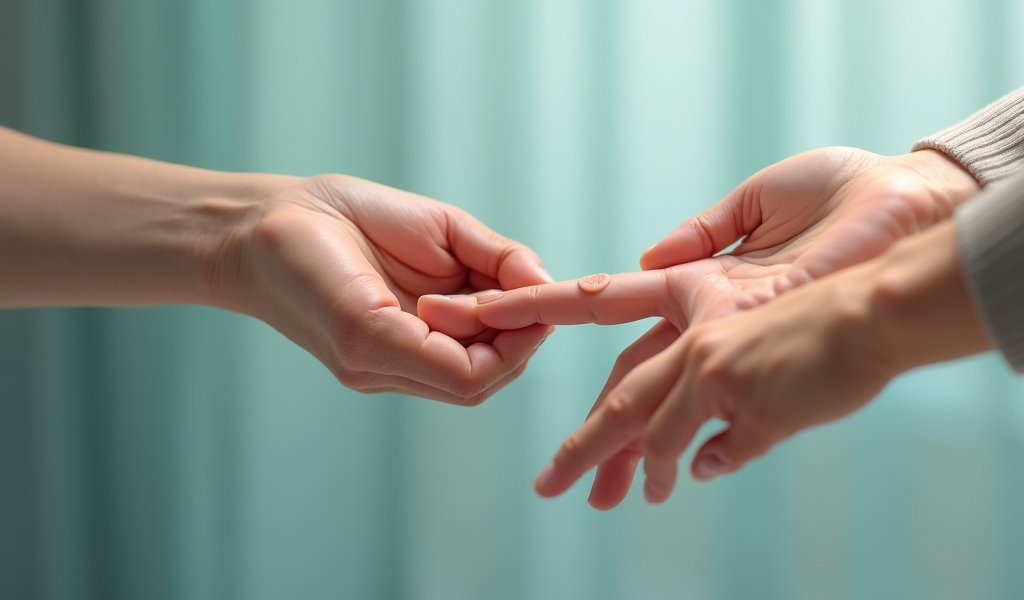
Most protocols involve passive and active motion exercises that carefully respect the healing tendon’s strength limitations. Initially, you’ll likely perform passive exercises where the injured finger is moved using your other hand or a therapist’s assistance. As healing progresses, you’ll gradually introduce active movement where you use your own muscles to move the finger.
One commonly used approach is the “place and hold” technique, where:
- You use your uninjured hand to position the injured finger in a bent position
- You then attempt to maintain this position using the muscles of the injured finger
- Finally, you use your other hand to help straighten the finger
The timing and intensity of these exercises are critical. Moving too aggressively can damage the repair, while insufficient movement promotes adhesions. Always perform exercises within the parameters established by your therapy team and never push through pain during rehabilitation exercises.
Tip #3: Maintain Proper Wound Care
Proper wound care is essential not only for preventing infection but also for optimizing the overall healing environment for your tendon repair. Following surgery, your medical team will provide specific instructions for keeping your wound clean and protected.
Generally, you’ll need to keep the surgical site dry and covered for the first few days. After that, gentle cleaning with mild soap and water is usually recommended, followed by application of any prescribed ointments and fresh dressings. Avoid submerging your hand in water until your surgeon gives permission, usually after sutures are removed.
Monitor your wound closely for signs of infection, including:
- Increased redness, warmth, or swelling
- Pus or unusual drainage
- Increased pain or throbbing sensations
- Fever or general illness
Report any concerning symptoms to your medical team immediately. Infections can significantly compromise tendon healing and may require additional treatment. As your wound heals, your therapist may introduce scar management techniques such as massage or silicone sheets to minimize scarring that could restrict movement.
Tip #4: Implement Effective Pain Management Strategies
Pain is an inevitable part of recovering from a flexor tendon injury, but it can be effectively managed. Proper pain control is crucial not just for comfort but because excessive pain can inhibit your ability to perform necessary exercises and may increase muscle guarding, which restricts movement.
In the early stages after surgery, your doctor will likely prescribe medication to manage pain. Take these as directed, and don’t wait until pain becomes severe before taking prescribed doses. As you progress, you may transition to over-the-counter pain relievers, but always consult your medical team before making changes to your pain management approach.
Beyond medication, several non-pharmaceutical strategies can help control discomfort:
- Elevation of your hand above heart level to reduce swelling
- Careful application of cold therapy (following your therapist’s guidelines)
- Relaxation techniques such as deep breathing or guided imagery
- Proper positioning of your hand during rest periods
Remember that while some discomfort during exercises is normal, sharp or severe pain is not. Always communicate with your therapist about your pain levels, as this provides valuable information about how your rehabilitation program might need adjustment.

Tip #5: Optimize Your Nutrition for Recovery
The food you eat plays a significant role in how quickly and effectively your body heals after a flexor tendon injury. Proper nutrition provides the building blocks your body needs to repair damaged tissue and support the overall healing process.
Protein is particularly important during tendon healing, as it provides the amino acids necessary for tissue repair. Aim to include quality protein sources like lean meats, fish, eggs, dairy, or plant-based alternatives with each meal. Studies have shown that inadequate protein intake can delay wound healing and compromise tissue repair.
Other nutrients that support tendon healing include:
- Vitamin C: Essential for collagen production; found in citrus fruits, berries, and bell peppers
- Zinc: Supports immune function and tissue repair; found in meat, shellfish, nuts, and seeds
- Vitamin A: Helps with early inflammation regulation; found in orange and dark green vegetables
- Omega-3 fatty acids: May help manage inflammation; found in fatty fish, walnuts, and flaxseeds
Stay well-hydrated and limit alcohol consumption, which can interfere with healing processes. If you have questions about your nutritional needs during recovery, consider consulting with a registered dietitian who can provide personalized guidance.
Tip #6: Practice Patience Throughout the Process
Recovery from a flexor tendon injury is not a sprint—it’s a marathon that requires patience and perseverance. The healing process cannot be rushed, and attempting to accelerate your recovery by pushing beyond recommended guidelines often leads to setbacks or complications.
Tendons heal relatively slowly due to their limited blood supply. The repair process typically follows this timeline:
- Weeks 0-3: Initial healing phase with formation of weak repair tissue
- Weeks 3-6: Gradual strengthening of the repair site
- Weeks 6-12: Progressive remodeling and strengthening
- Months 3-6: Continued maturation of the repaired tendon
Throughout this process, you’ll likely experience fluctuations in your progress—days where movement seems easier followed by days with increased stiffness or discomfort. This is normal. Focus on the overall trend of improvement rather than day-to-day changes.
Set realistic expectations and celebrate small victories along the way. Whether it’s being able to button a shirt again or pick up a cup without assistance, acknowledging these achievements can help maintain your motivation during the lengthy recovery process.
Tip #7: Seek Psychological Support When Needed
The psychological impact of a flexor tendon injury is often underestimated. The combination of physical limitations, pain, dependency on others, and uncertainty about recovery can lead to frustration, anxiety, or depression. These emotional responses are normal but addressing them is an important part of your overall recovery.
Many patients experience emotional challenges at different stages of recovery:
- Initial shock and anxiety about the injury and surgery
- Frustration with limitations during the early rehabilitation phase
- Impatience or disappointment with the pace of recovery
- Concern about long-term function, particularly for those whose hands are central to their livelihood
Don’t hesitate to discuss these feelings with your healthcare team. They can provide reassurance, realistic expectations, and referrals to mental health professionals if needed. Connecting with others who have experienced similar injuries, either through support groups or online communities, can also provide valuable perspective and encouragement.
Mental well-being techniques such as mindfulness meditation, deep breathing exercises, or guided imagery can help manage stress during recovery. These practices not only improve your psychological state but may also contribute to physical healing by reducing stress hormones that can impede recovery.
Conclusion
Recovering from a flexor tendon injury requires a committed, multifaceted approach. By following these seven proven rehabilitation tips—adhering to medical advice, practicing controlled movement techniques, maintaining proper wound care, implementing effective pain management, optimizing nutrition, exercising patience, and seeking psychological support—you can significantly improve your chances of a successful recovery.
Remember that every flexor tendon injury is unique, and your recovery journey will be personal to you. Trust the process, communicate openly with your healthcare team, and remain consistent with your rehabilitation program. With time and dedication, most people experience substantial improvement in hand function, even after serious flexor tendon injuries.
The road to recovery may be challenging, but with proper rehabilitation, your hand can heal and regain much of its previous function. Stay committed to your recovery plan, and don’t hesitate to seek additional support when needed. Your future self will thank you for the effort you invest today in rehabilitating your flexor tendon injury.
Frequently Asked Questions
How long does it take to recover from a flexor tendon injury?
Complete recovery typically takes 3-6 months, though basic function usually improves within 8-12 weeks. The exact timeline depends on the injury severity, location, and your adherence to the rehabilitation protocol.
Can I drive with a flexor tendon injury?
Driving is usually not recommended during early recovery (first 4-6 weeks) due to restricted hand function and splinting requirements. Always get clearance from your surgeon or therapist before resuming driving.
Will I regain full function after a flexor tendon repair?
Many patients regain 80-90% of normal finger motion with proper rehabilitation, though complete 100% recovery isn’t always possible. Your outcome depends on injury severity, surgical repair quality, and rehabilitation adherence.
When can I return to work after a flexor tendon injury?
Return to work timing varies based on your job requirements and which hand is affected. Office workers might return with modifications after 2-3 weeks, while manual laborers typically need 8-12 weeks or longer.
What happens if I accidentally bend my finger too much after flexor tendon surgery?
Excessive force could damage or rupture the repair, especially in the first 4-6 weeks after surgery. If this occurs, contact your surgeon immediately as re-operation might be necessary.