
Overview
Think your supraspinatus tear means waving goodbye to waving hello? This article outlines the complete journey from diagnosis through treatment options for supraspinatus tendon tears, covering conservative approaches (rest, medication, physical therapy), medical interventions (injections, PRP therapy), surgical options, rehabilitation protocols, and prevention strategies to help patients return to normal activities.
Table of Contents
- Understanding Supraspinatus Tendon Tears
- Diagnosing a Supraspinatus Tear
- Conservative Treatment Approaches
- Physical Therapy Exercises
- Medical Interventions
- Surgical Options
- Recovery and Rehabilitation
- Prevention Strategies
- Conclusion
- Frequently Asked Questions
Understanding Supraspinatus Tendon Tears
A supraspinatus tendon tear can significantly impact your quality of life, making simple tasks like reaching for objects or brushing your hair unexpectedly painful. As an orthopedic specialist with years of clinical experience, I’ve guided numerous patients through the healing process and witnessed firsthand how proper treatment can restore function and relieve pain.
The supraspinatus muscle is one of the four rotator cuff muscles that stabilize your shoulder joint. When the tendon connecting this muscle to the shoulder bone tears, it often results from repetitive overhead activities, acute injury, or age-related degeneration. These tears range from mild fraying to complete ruptures, with symptoms varying accordingly.
Most patients experience a dull ache in the shoulder that worsens with specific movements, particularly when raising the arm. You might also notice weakness when lifting objects, difficulty sleeping on the affected side, or a catching sensation during certain movements. Understanding the nature of your particular tear is crucial for determining the most effective treatment path.
Diagnosing a Supraspinatus Tear
Proper diagnosis forms the foundation of successful treatment. When you visit a healthcare provider with suspected supraspinatus issues, they’ll typically begin with a thorough physical examination. This includes assessing your range of motion, shoulder strength, and specific movements that might reproduce your pain.
Imaging tests provide critical information about the nature and severity of your tear. While X-rays don’t show tendon damage directly, they can rule out other conditions like arthritis or bone spurs. For detailed visualization of soft tissues, an MRI remains the gold standard, showing both partial and complete tears with remarkable clarity.
Ultrasound offers another valuable diagnostic tool, providing real-time images of the tendon while being more affordable and accessible than MRI. In some cases, your doctor might recommend diagnostic arthroscopy—a minimally invasive procedure where a tiny camera is inserted into the joint—though this is less common for initial diagnosis.
Conservative Treatment Approaches
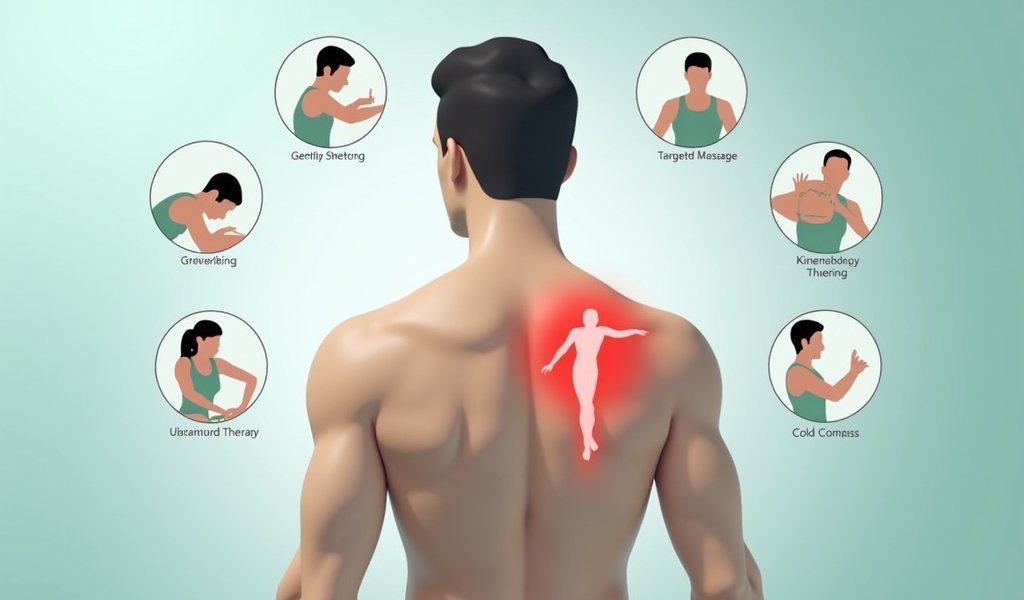
The good news? Many supraspinatus tendon tears respond well to non-surgical approaches. Conservative treatment typically forms the first line of defense, particularly for partial tears or in patients with certain health considerations.
Rest and activity modification stand as cornerstone strategies. This doesn’t mean immobilizing your shoulder completely—rather, it involves temporarily avoiding movements that exacerbate your symptoms while maintaining gentle motion to prevent stiffness. Your healthcare provider can help establish clear guidelines about which activities to modify or avoid during the healing process.
Cold therapy (icing) helps manage inflammation, especially during acute phases. Apply ice for 15-20 minutes several times daily, always with a cloth barrier between the ice and your skin to prevent tissue damage. Heat therapy may provide relief once acute inflammation subsides, particularly before gentle stretching or exercises.
Over-the-counter pain relievers like ibuprofen or naproxen can reduce both pain and inflammation. However, these medications should be used thoughtfully and not as a means to push through pain during activities. Always follow recommended dosages and consult with your healthcare provider if you need to use these medications regularly or have underlying health conditions.
Supportive bracing or taping techniques may temporarily reduce strain on the injured tendon, though these should complement rather than replace other treatment approaches. A properly fitted sling might help during the initial recovery period, particularly for comfort during sleep.
Physical Therapy Exercises
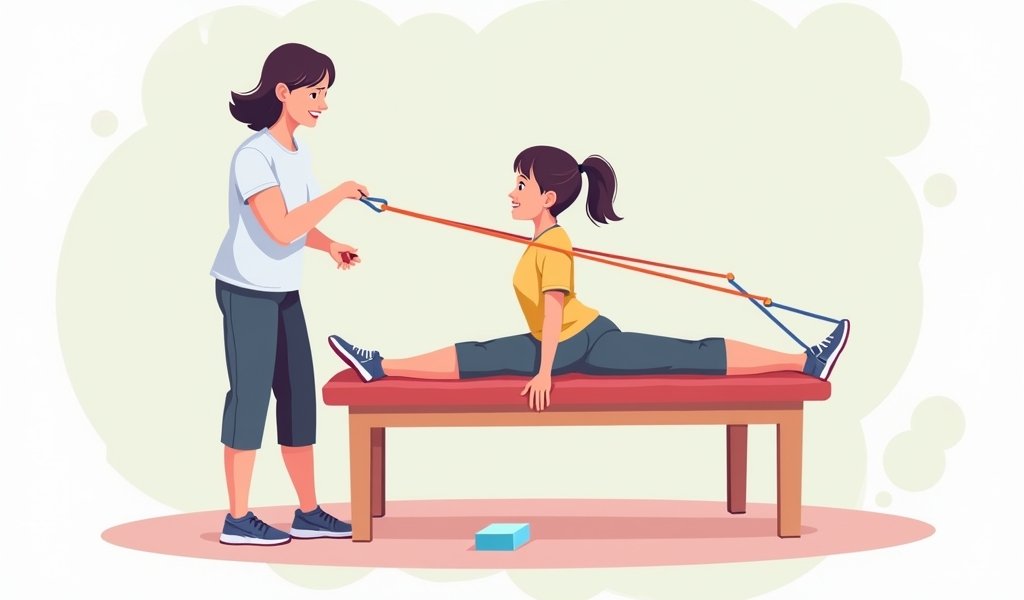
Physical therapy represents one of the most effective interventions for supraspinatus tendon tears, with research showing significant improvements in function and pain reduction. A structured PT program typically progresses through several phases, each building on the previous.
Initially, therapy focuses on gentle range of motion exercises to prevent stiffness while respecting pain boundaries. Pendulum exercises, where you lean forward and let your arm hang freely while making small circular movements, often serve as a starting point. Wall walking exercises, where you use your fingers to “walk” up a wall, help maintain mobility while minimizing strain.
As healing progresses, strengthening exercises become increasingly important. Your physical therapist will introduce specific exercises targeting not just the supraspinatus, but all rotator cuff muscles and supporting structures. This comprehensive approach ensures balanced strength development and proper shoulder mechanics.
Some of the most beneficial exercises include:
- External rotation with a resistance band
- Scapular squeezes to improve shoulder blade positioning
- Modified empty can exercises (once appropriate in your recovery)
- Progressive isometric exercises that strengthen without overstressing the tendon
- Core strengthening to improve overall shoulder stability
Proper form remains absolutely critical—performing exercises incorrectly can delay healing or even worsen your condition. Work closely with your physical therapist to ensure you’re using appropriate techniques and resistance levels for your specific situation.
Medical Interventions
When conservative approaches provide insufficient relief, several medical interventions may help manage symptoms and potentially enhance healing. These options typically fall between non-surgical approaches and more invasive surgical procedures.
Corticosteroid injections can provide temporary but significant pain relief by reducing inflammation around the injured tendon. While these injections may allow for more comfortable participation in physical therapy, they’re generally limited to 2-3 per year, as excessive use may potentially weaken tendon tissue over time.
Platelet-rich plasma (PRP) therapy represents a more contemporary approach. This procedure involves drawing a small amount of your own blood, processing it to concentrate the healing platelets, then injecting this concentrate into the damaged tissue. Some studies suggest PRP may enhance tissue healing, though research continues to evolve in this area.
Another promising intervention is prolotherapy, where a mild irritant solution is injected near the injured area to stimulate a healing response. Similarly, dry needling targets trigger points in muscles that may contribute to shoulder dysfunction, potentially improving overall shoulder mechanics during recovery.
Extracorporeal shock wave therapy (ESWT) applies acoustic wave energy to stimulate healing in damaged tendons. While more commonly used for conditions like plantar fasciitis, some practitioners find it beneficial for certain shoulder tendon injuries as well.
Surgical Options
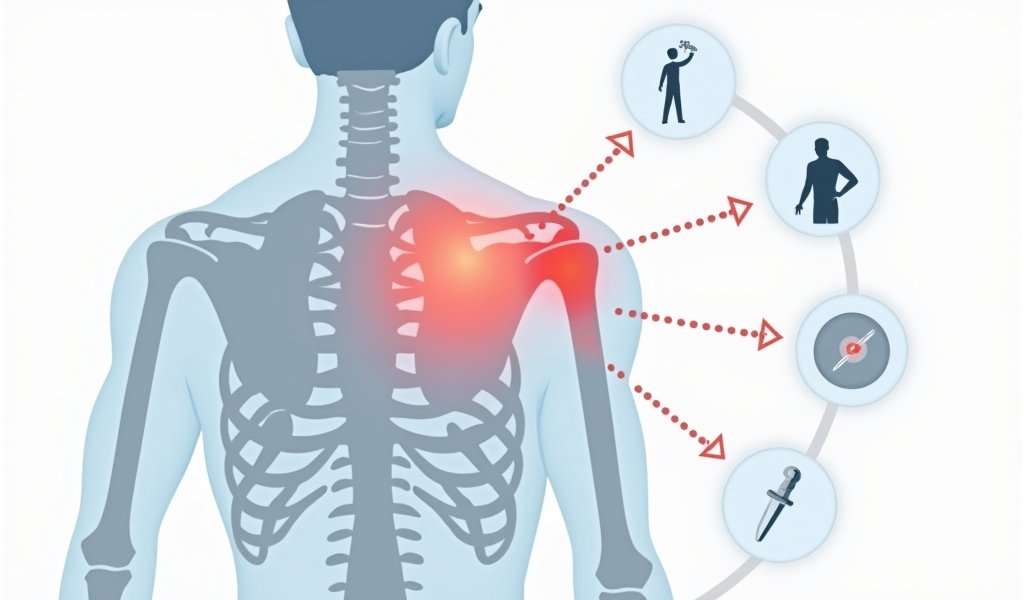
When conservative measures don’t provide adequate improvement after 3-6 months, or in cases of large or complete tears, surgical intervention may become necessary. Modern surgical approaches offer several options, each with specific indications and considerations.
Arthroscopic repair represents the most common surgical approach for supraspinatus tears. This minimally invasive procedure involves small incisions through which specialized instruments repair and reattach the tendon using suture anchors. Patients typically experience less post-operative pain and faster recovery compared to traditional open surgery.
In some cases—particularly with large or complex tears—mini-open or open repair techniques provide better access and visualization for the surgeon. While these approaches involve larger incisions and potentially longer recovery, they remain important options for certain tear patterns.
For massive, irreparable tears or in older patients with significant tissue degeneration, tendon transfer surgery might be considered. This technique uses nearby tendons to compensate for the damaged supraspinatus. Another option for irreparable tears is superior capsular reconstruction, which uses graft tissue to restore shoulder biomechanics.
Reverse total shoulder arthroplasty represents a solution primarily for patients with both significant rotator cuff damage and arthritis. This procedure essentially reverses the ball-and-socket configuration of the shoulder joint, allowing the deltoid muscle to compensate for the damaged rotator cuff.
The decision to pursue surgery should involve thoughtful discussion with your healthcare provider about your specific tear characteristics, activity goals, and overall health considerations. Research from the Journal of Orthopaedic & Sports Physical Therapy suggests that both surgical and non-surgical approaches can be effective, depending on individual patient factors.
Recovery and Rehabilitation
Whether you pursue conservative treatment or undergo surgery, rehabilitation plays a crucial role in your recovery. The process requires patience and consistency, with outcomes improving significantly when patients adhere to recommended protocols.
Following surgery, your arm will typically be immobilized in a sling for 4-6 weeks, though the exact duration depends on the repair technique and your surgeon’s protocol. During this period, you’ll begin gentle passive motion exercises under the guidance of a physical therapist to prevent stiffness while protecting the repair.
As healing progresses, your rehabilitation program will advance through carefully timed phases. Around 6-8 weeks post-surgery, active-assisted exercises begin, where you use your unaffected arm to help move the healing shoulder. Active range of motion without assistance typically starts around 8-12 weeks, with strengthening exercises introduced gradually thereafter.
For non-surgical rehabilitation, the progression may be somewhat faster but follows similar principles of respecting tissue healing timeframes. Throughout the process, your physical therapist will monitor your form and progress, making adjustments to ensure optimal recovery.
Full recovery from a supraspinatus tear—particularly after surgical repair—often takes 6-12 months. During the later stages of rehabilitation, sport or activity-specific training helps prepare you for returning to your normal activities with proper mechanics and reduced risk of re-injury.
Prevention Strategies
While not all supraspinatus tears can be prevented, particularly those related to aging or sudden accidents, several strategies may reduce your risk of injury or re-injury.
Maintaining balanced shoulder strength forms a critical foundation for prevention. This includes not just the rotator cuff muscles, but also the muscles that stabilize your shoulder blade. A comprehensive shoulder program should address all these muscle groups to ensure proper biomechanics during movement.
Proper technique during overhead activities—whether in sports, work, or daily tasks—significantly reduces abnormal stress on the supraspinatus tendon. If you regularly perform overhead movements, consider consulting with a physical therapist or qualified trainer for technique assessment and personalized recommendations.
Avoiding sudden increases in activity intensity or duration helps prevent overuse injuries. If you’re beginning a new activity or returning after a break, gradually increase your participation to allow tissues time to adapt to the demands.
Regular stretching and mobility work for the shoulders, upper back, and chest helps maintain the flexibility needed for healthy shoulder function. Simple daily stretches can counteract the tightness that often develops from prolonged sitting or computer use.
Finally, listening to your body remains perhaps the most important preventive strategy. Early attention to mild shoulder discomfort often prevents progression to more significant injuries. If you notice persistent shoulder pain, particularly with overhead activities, seek evaluation rather than pushing through the discomfort.
Conclusion
Supraspinatus tendon tears represent a common but manageable shoulder condition. Whether your treatment journey involves conservative approaches, medical interventions, or surgical repair, understanding your options empowers you to participate actively in your recovery process.
Remember that treatment outcomes improve significantly when you work closely with healthcare professionals, adhere to recommended protocols, and maintain realistic expectations about recovery timeframes. Most individuals with supraspinatus tears can return to their desired activities with appropriate treatment and rehabilitation.
If you’re currently dealing with shoulder pain or recovering from a diagnosed tear, remain patient with the healing process. The shoulder represents one of our most complex joints, and its recovery doesn’t follow a perfectly linear path. Celebrate small improvements, maintain open communication with your healthcare team, and trust in the body’s remarkable capacity for healing when given the proper support and time.
Frequently Asked Questions
How long does it take to recover from a supraspinatus tendon tear?
Recovery timeframes vary based on tear severity and treatment approach. Conservative treatment typically shows improvement within 6-12 weeks, while surgical recovery often takes 6-12 months for full return to activities.
Can a supraspinatus tear heal without surgery?
Yes, many partial supraspinatus tears can heal without surgery through conservative treatments. Physical therapy, activity modification, and appropriate medical interventions often allow adequate healing and return to function.
What activities should I avoid with a supraspinatus tear?
Avoid overhead activities, heavy lifting, and movements that cause pain or catching sensations. Your healthcare provider can offer specific guidance based on your particular tear characteristics and stage of healing.
Is swimming good for supraspinatus tendon tears?
Swimming can be beneficial during later rehabilitation stages but may stress the shoulder during early recovery. Certain strokes like breaststroke or modified backstroke are typically introduced before freestyle, always under professional guidance.
How can I sleep comfortably with a supraspinatus tear?
Try sleeping on your unaffected side with a pillow supporting your injured arm, or on your back with a pillow under the affected arm. Avoid sleeping directly on the injured shoulder until healing has significantly progressed.