
Overview
Like a needy ex who won’t let you climb stairs or get up from the couch, a quad tear demands proper attention through seven key rehabilitation strategies: immediate RICE protocol, professional medical assessment, progressive strength training, mobility exercises, pain management, nutritional support, balance training, a careful return-to-activity plan, and mental recovery techniques. This comprehensive recovery approach not only helps heal the quadriceps muscle group but potentially improves overall function and reduces re-injury risk, with recovery timelines ranging from weeks for minor strains to several months for complete tears.
Table of Contents
- Understanding Quad Tears: What You Need to Know
- Immediate Response: What to Do Right After a Quad Tear
- Medical Assessment and Diagnosis: Getting Professional Help
- Rehab Strategy 1: Progressive Strength Training
- Rehab Strategy 2: Therapeutic Exercises for Mobility
- Rehab Strategy 3: Pain Management Techniques
- Rehab Strategy 4: Nutritional Support for Healing
- Rehab Strategy 5: Balance and Proprioception Training
- Rehab Strategy 6: Return to Activity Protocol
- Rehab Strategy 7: Mental Recovery Strategies
- Conclusion: Your Path to Full Recovery
- Frequently Asked Questions
Understanding Quad Tears: What You Need to Know
A quad tear affects the quadriceps, the powerful muscle group at the front of your thigh responsible for knee extension and hip flexion. These muscles are crucial for everyday movements like walking, climbing stairs, and getting up from a chair. When you experience a quad tear, whether partial or complete, it can significantly impact your mobility and quality of life.
Quad tears typically occur during sudden, explosive movements that place extreme stress on the muscle fibers. Athletes in sports requiring quick directional changes or explosive power, like soccer, basketball, or tennis, face higher risk. However, these injuries aren’t exclusive to athletes – they can happen to anyone during a stumble, an awkward landing, or even during regular physical wellness activities.
The severity of quad tears ranges from Grade 1 (mild stretching and micro-tearing of muscle fibers) to Grade 3 (complete rupture of the muscle). Symptoms vary accordingly but often include sudden pain, swelling, bruising, weakness, and difficulty straightening the knee. Understanding the nature of your specific injury is the first step toward an effective recovery plan.
Immediate Response: What to Do Right After a Quad Tear
When you first experience a quad tear, your immediate actions can significantly influence your recovery timeline. The classic RICE protocol – Rest, Ice, Compression, and Elevation – remains the gold standard for initial management of acute muscle injuries.
Rest is crucial in the immediate aftermath. Stop your activity and avoid placing weight on the affected leg if possible. This prevents further damage to the injured tissue. Apply ice to the area for 15-20 minutes every 2-3 hours during the first 48-72 hours to reduce inflammation and pain. A study published in the Journal of Athletic Training confirms that early application of ice therapy can significantly reduce recovery time for muscle injuries.
Compression with an elastic bandage helps control swelling and provides mild support. Wrap the thigh firmly but not so tightly that it restricts circulation. Elevating the leg above heart level further assists in reducing swelling by allowing fluid to drain away from the injury site.
Avoid the temptation to “work through” the pain or apply heat during this acute phase, as these approaches can increase inflammation and potentially worsen the injury. Over-the-counter pain relievers like ibuprofen can help manage pain and reduce inflammation, but consult with a healthcare provider before starting any medication regimen.

Medical Assessment and Diagnosis: Getting Professional Help
After implementing immediate first aid measures, seeking proper medical assessment is essential for quad tear recovery. A healthcare professional can determine the severity of your injury and recommend the most appropriate treatment path. Don’t try to self-diagnose or manage a serious muscle injury without professional guidance.
Your doctor will likely perform a physical examination, checking for tenderness, swelling, and muscle strength. They’ll also assess your range of motion and may ask you to perform specific movements. For a comprehensive diagnosis, imaging tests are often necessary. These might include:
- Ultrasound: Provides real-time images of soft tissues and can show the extent of muscle damage
- MRI: Offers detailed images that can reveal the precise location and severity of the tear
- X-rays: Though they don’t show muscle tissue, they can rule out associated bone injuries
Based on the diagnostic findings, your injury will typically be classified into grades:
- Grade 1: Mild strain with minimal fiber damage
- Grade 2: Moderate tear with partial loss of muscle function
- Grade 3: Complete tear or rupture requiring more extensive intervention
This classification helps determine your treatment approach. While Grade 1 tears may heal with conservative measures, Grade 3 tears occasionally require surgical repair, especially for athletes or when the tear affects the tendon attachment. According to the American Academy of Orthopaedic Surgeons, complete tears that significantly impact function often benefit from surgical intervention.
Rehab Strategy 1: Progressive Strength Training
Once the acute phase has passed and your healthcare provider gives clearance, progressive strength training becomes the cornerstone of quad tear rehabilitation. The key word here is “progressive” – starting with gentle, controlled exercises and gradually increasing intensity as healing progresses.
In the early stages, isometric exercises (muscle contractions without joint movement) help maintain muscle tone while minimizing stress on healing tissues. Quad sets, where you simply tighten your quad muscle while keeping your leg straight, are often the starting point. Hold each contraction for 5-10 seconds, repeat 10-15 times, and perform several sets throughout the day.
As healing advances, you’ll progress to more dynamic exercises that gradually increase load and range of motion. These might include:
- Straight leg raises: Strengthens the quad while minimizing knee joint stress
- Wall slides: Controlled partial squats that build strength through a limited range
- Step-ups: Progressing from small to larger steps as strength improves
- Resistance band exercises: Providing adjustable resistance for controlled strengthening
Proper form is crucial during all strengthening exercises. Quality trumps quantity – perform each movement with control rather than rushing through repetitions. Research in Medicine & Science in Sports & Exercise indicates that focused, high-quality strength training significantly accelerates muscle recovery after injury.
Throughout your wellness bodybuilding journey, track your progress by noting improvements in strength, range of motion, and functional ability. This helps maintain motivation and provides valuable information for your healthcare team to adjust your program as needed.
Rehab Strategy 2: Therapeutic Exercises for Mobility
While strength rebuilding is essential, restoring full mobility after a quad tear requires specific attention to flexibility and range of motion. Scar tissue formation during healing can limit movement if not properly addressed, making mobility exercises a critical component of comprehensive rehabilitation.
Begin with gentle static stretches when your healthcare provider determines it’s safe – typically after the acute phase has passed. These stretches should create mild tension but never pain. Hold each stretch for 30-60 seconds, breathe deeply, and avoid bouncing or forcing movements.
Key mobility exercises for quad tear rehabilitation include:
- Seated knee flexion: Gently bending the knee while seated to improve range of motion
- Prone quad stretches: Carefully stretching the quad while lying face down
- Hip flexor stretches: Addressing the entire kinetic chain for optimal function
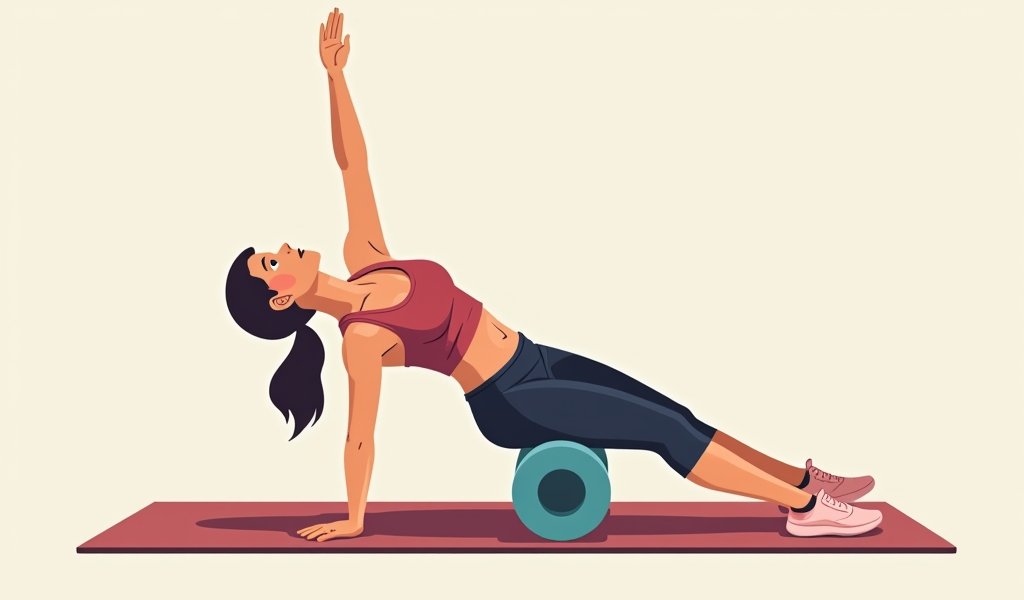
- Foam rolling: Gentle self-myofascial release to reduce tension and improve tissue mobility
As mobility improves, dynamic stretching becomes valuable. These controlled movements through a range of motion help prepare tissues for more demanding activities. Examples include leg swings, walking lunges (when appropriate), and controlled knee bends.
Aquatic therapy offers particular benefits for mobility training during rehabilitation. The buoyancy of water reduces weight-bearing stress while providing gentle resistance. A clinical trial published in the Journal of Orthopaedic & Sports Physical Therapy demonstrated that patients who incorporated aquatic therapy into their rehabilitation regained range of motion faster than those using land-based exercises alone.
Rehab Strategy 3: Pain Management Techniques
Managing pain effectively during quad tear recovery isn’t just about comfort – it’s about creating optimal conditions for healing. Persistent pain can interfere with rehabilitation exercises, disrupt sleep (which is crucial for recovery), and lead to compensatory movement patterns that may cause secondary problems.
Beyond medication, several evidence-based approaches can help manage pain during recovery:
- Cryotherapy: Continued use of ice therapy can reduce pain and inflammation throughout recovery
- Electrotherapy: TENS (Transcutaneous Electrical Nerve Stimulation) can provide drug-free pain relief
- Compression garments: Specially designed sleeves or wraps can reduce swelling and discomfort
- Mindfulness and relaxation techniques: Research shows that stress management techniques can significantly impact pain perception
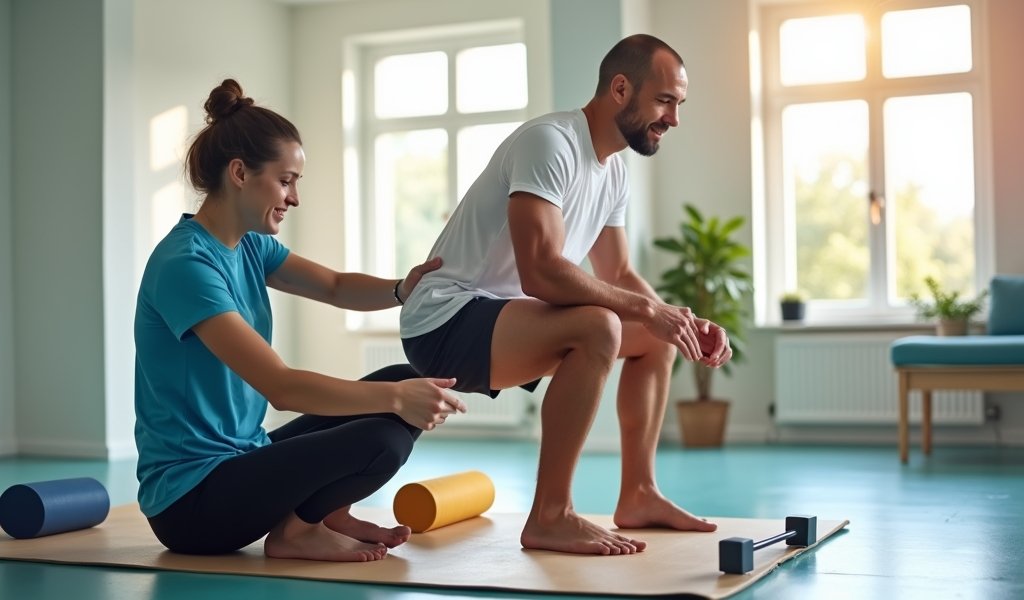
Working with a physical therapist to learn proper pain management techniques ensures you’re addressing discomfort while supporting the healing process. They can help determine when pain signals a need to modify activities versus when it’s safe to work through mild discomfort.
For some individuals, alternative approaches like acupuncture may provide additional relief. A systematic review in the PAIN Reports journal found moderate evidence supporting acupuncture’s effectiveness for musculoskeletal pain management, though individual responses vary.
Rehab Strategy 4: Nutritional Support for Healing
What you eat during recovery can significantly impact how quickly and effectively your quad tear heals. Nutrition plays a crucial role in tissue regeneration, inflammation control, and energy provision for rehabilitation exercises.
Protein is particularly important for muscle repair. Aim for a slightly higher protein intake during recovery – about 1.6-2.0 grams per kilogram of body weight daily. Focus on complete protein sources spread throughout the day to optimize muscle protein synthesis. A high protein diet plan can be beneficial, but balance remains important.
Anti-inflammatory foods can help manage the inflammatory response. Include plenty of:
- Fatty fish rich in omega-3s (salmon, mackerel, sardines)
- Colorful fruits and vegetables (berries, leafy greens, bell peppers)
- Nuts and seeds (walnuts, flaxseeds, chia seeds)
- Herbs and spices (turmeric, ginger, garlic)
Adequate hydration is essential for optimal tissue healing and function. Water helps transport nutrients to healing tissues and removes waste products. Aim for at least 2-3 liters daily, more if you’re exercising or in hot weather.
Specific micronutrients play key roles in the healing process. Vitamin C supports collagen formation, zinc aids tissue growth and repair, and vitamin D influences muscle function. A well-planned diet typically provides these nutrients, but in some cases, supplementation may be beneficial under healthcare guidance.
Research published in Nutrition Research Reviews indicates that strategic nutrition can reduce recovery time from muscle injuries by up to 25% when combined with appropriate rehabilitation exercises.
Rehab Strategy 5: Balance and Proprioception Training
After a quad tear, your body’s sense of position and movement – known as proprioception – may be compromised. Rebuilding these neural pathways is essential for preventing future injuries and restoring normal function. Balance training helps recalibrate your nervous system’s awareness of your leg position and movement.
Begin with simple balance exercises once weight-bearing is comfortable and approved by your healthcare provider. Start with activities like standing on one leg, progressing from holding onto a stable surface to no support, and from eyes open to eyes closed as your balance improves.
As stability increases, incorporate dynamic balance challenges such as:
- Balance board exercises: Using unstable surfaces to challenge stabilizing muscles
- Single-leg reaches: Maintaining balance while moving the free leg in different directions
- Walking on uneven surfaces: Gradually introducing controlled instability
- Functional movement patterns: Integrating balance work into everyday movements
Proprioception training is particularly important before returning to sports or demanding physical activities. Research from the International Journal of Sports Physical Therapy demonstrates that athletes who complete comprehensive proprioception training have significantly lower re-injury rates compared to those who focus solely on strength rebuilding.
Consider using visual feedback during these exercises – practicing in front of a mirror or recording your movements can help identify and correct compensatory patterns that may develop during recovery. Many physical therapy practices now offer technology-assisted balance training with real-time feedback systems.
Rehab Strategy 6: Return to Activity Protocol
Returning to your normal activities after a quad tear requires a methodical, step-by-step approach. Rushing this process is one of the most common causes of re-injury and setbacks. A well-structured return-to-activity protocol ensures you rebuild function progressively and safely.
Before advancing to more demanding activities, ensure you’ve achieved these fundamental milestones:
- Near-normal strength compared to the unaffected leg (typically at least 85-90%)
- Full pain-free range of motion
- Ability to perform basic functional movements without compensation
- Good balance and proprioception on the affected leg
When returning to running or sports, follow the 10% rule – increase your activity volume (distance, time, or intensity) by no more than 10% per week. This gradual progression allows tissues to adapt to increasing demands without becoming overwhelmed.
Cross-training can be valuable during this phase. Activities like swimming, cycling, or elliptical training can maintain cardiovascular fitness while placing controlled stress on the healing quadriceps. Gradually transition from these lower-impact activities to sport-specific movements as tolerance improves.
For those returning to sports, sport-specific drills are essential before full participation. These should progress from predictable, controlled movements to more reactive, game-like situations. Studies in Sports Health journal show that athletes who complete sport-specific rehabilitation have 60% fewer re-injuries during the first year after return to play.
Rehab Strategy 7: Mental Recovery Strategies
The psychological aspects of quad tear recovery are often overlooked but can significantly impact outcomes. Fear of re-injury, frustration with the recovery timeline, and anxiety about returning to previous activities are common challenges that require specific mental strategies.
Goal-setting provides a framework for progress and motivation. Set SMART goals (Specific, Measurable, Achievable, Relevant, Time-bound) for your recovery, focusing on process goals (what you can control) rather than just outcome goals. Celebrate small wins along the way to maintain motivation during this sometimes lengthy process.
Visualization and mental rehearsal can accelerate physical recovery. Spend time each day visualizing proper movement patterns and successful performance of rehabilitation exercises. Research in sports psychology demonstrates that this mental practice activates many of the same neural pathways as physical practice, enhancing learning and performance.
Mindfulness practices help manage pain and frustration during recovery. Simple meditation, deep breathing exercises, or guided relaxation can reduce stress hormones that may impede healing and improve your ability to stay present during rehabilitation work.
Consider working with a sports psychologist or mental performance coach if you’re struggling with the psychological aspects of recovery. Many elite athletes utilize these professionals not just for performance enhancement but for injury recovery as well. The Association for Applied Sport Psychology provides resources and professional referrals for those seeking support.
Conclusion: Your Path to Full Recovery
Recovering from a quad tear requires patience, persistence, and a comprehensive approach that addresses all aspects of healing. By implementing these seven proven rehabilitation strategies, you’re setting yourself up for the best possible outcome – not just a return to previous activities, but potentially improved performance and reduced risk of future injuries.
Remember that healing timelines vary significantly based on injury severity, individual factors, and adherence to rehabilitation protocols. While mild strains may resolve in a few weeks, complete tears can take months to fully heal. Throughout this journey, maintain open communication with your healthcare team and listen to your body’s signals.
The rehabilitation process offers an opportunity to identify and address any underlying movement patterns or muscle imbalances that may have contributed to your injury. Many people emerge from rehabilitation not just recovered, but stronger and more body-aware than before their injury.
As you progress through your quad tear recovery, remember that setbacks are normal and don’t represent failure. Adjust your approach as needed, celebrate your progress, and maintain confidence in the healing process. With appropriate care and dedication to rehabilitation, most people can make a full recovery and return to their favorite activities with renewed strength and confidence.
Frequently Asked Questions
How long does it take to recover from a quad tear?
Recovery time varies based on severity, with Grade 1 strains typically healing in 2-4 weeks, Grade 2 tears requiring 4-8 weeks, and Grade 3 ruptures potentially taking 3-6 months. Individual factors like age, overall health, and rehabilitation adherence significantly impact healing timelines.
Will I need surgery for my quad tear?
Most quad tears heal successfully with conservative treatment, especially Grades 1 and 2. Surgery is typically reserved for complete (Grade 3) tears, particularly when they affect athletic performance or involve the tendon attachment to the patella.
Can I still exercise with a quad tear?
During acute recovery, avoid activities that stress the injured quadriceps. Low-impact exercises that don’t aggravate symptoms, like upper body training or gentle swimming, may be appropriate after the initial healing phase with healthcare provider approval.
How can I tell if my quad tear is healing properly?
Signs of proper healing include gradually decreasing pain, improving range of motion, increasing strength, and ability to perform daily activities with less discomfort. Your healthcare provider will monitor specific clinical indicators during follow-up appointments to confirm appropriate healing progression.
What are the warning signs that I should see a doctor about my quad injury?
Seek immediate medical attention if you experience severe pain, significant swelling, inability to bear weight, visible deformity, or a popping sensation at the time of injury. Persistent or worsening symptoms despite home care, or symptoms that interfere with daily activities also warrant prompt medical evaluation.