
Overview
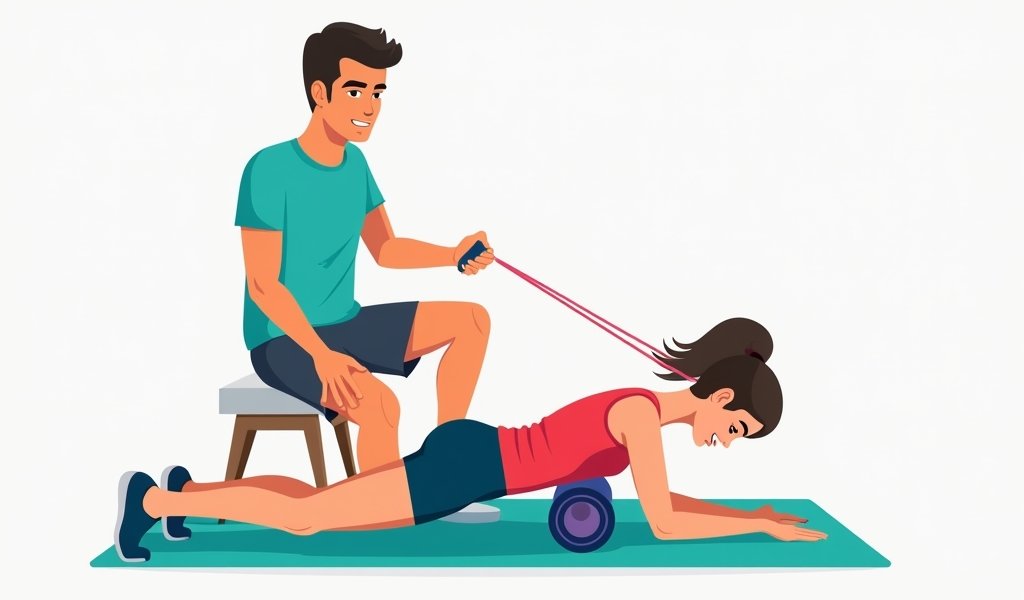
Who knew that your kneecap could throw such a temper tantrum? This article outlines five evidence-based approaches to accelerate recovery from patellar tendonitis, including structured rest and activity modification, targeted physical therapy exercises, advanced treatment modalities like ESWT and PRP, optimized nutrition with anti-inflammatory foods and supplements, and psychological techniques that leverage the mind-body connection for faster healing.
Table of Contents
- Understanding Patellar Tendonitis
- Factors Affecting Recovery Time
- Proven Way #1: Structured Rest and Activity Modification
- Proven Way #2: Targeted Physical Therapy Exercises
- Proven Way #3: Advanced Treatment Modalities
- Proven Way #4: Nutrition and Supplementation
- Proven Way #5: Psychological Approaches to Recovery
- Creating Your Personalized Recovery Plan
- Conclusion
- Frequently Asked Questions
Understanding Patellar Tendonitis
If you’re dealing with patellar tendonitis, you’re likely all too familiar with that nagging pain just below your kneecap. As a sports medicine specialist with over a decade of experience, I’ve seen how this condition can sideline athletes and active individuals for weeks or even months. The good news? There are proven strategies to slash your patellar tendonitis recovery time while ensuring proper healing.
Patellar tendonitis (also called jumper’s knee) occurs when the tendon connecting your kneecap to your shinbone becomes inflamed and irritated. This overuse injury commonly affects athletes who participate in jumping sports like basketball and volleyball, but it can happen to anyone who puts repetitive stress on their knee joint.
What makes this injury particularly frustrating is its variable recovery timeline. Without proper intervention, healing can take anywhere from 3 weeks to 6 months—or even longer in chronic cases. However, by implementing the right strategies, you can significantly reduce this timeframe and get back to your activities with confidence.
Factors Affecting Recovery Time
Before diving into recovery strategies, it’s important to understand that several factors influence how quickly your patellar tendon heals. Being aware of these can help you set realistic expectations and tailor your approach accordingly.
The severity of your injury plays a primary role. Grade 1 (mild) tendonitis typically resolves faster than Grade 3 (severe) cases where there may be partial tearing. Your age also matters—younger individuals generally heal more quickly due to better blood supply and cellular regeneration capabilities.
Your overall health status, including pre-existing conditions like diabetes or autoimmune disorders, can impact recovery. So too can your activity level prior to injury—highly active individuals often have better baseline tissue health but may find it more challenging to adhere to activity restrictions.
According to research published in the British Journal of Sports Medicine, how quickly you begin appropriate treatment after symptoms appear significantly affects recovery time. Addressing tendonitis within the first few weeks results in substantially better outcomes than delaying treatment for months.
Proven Way #1: Structured Rest and Activity Modification
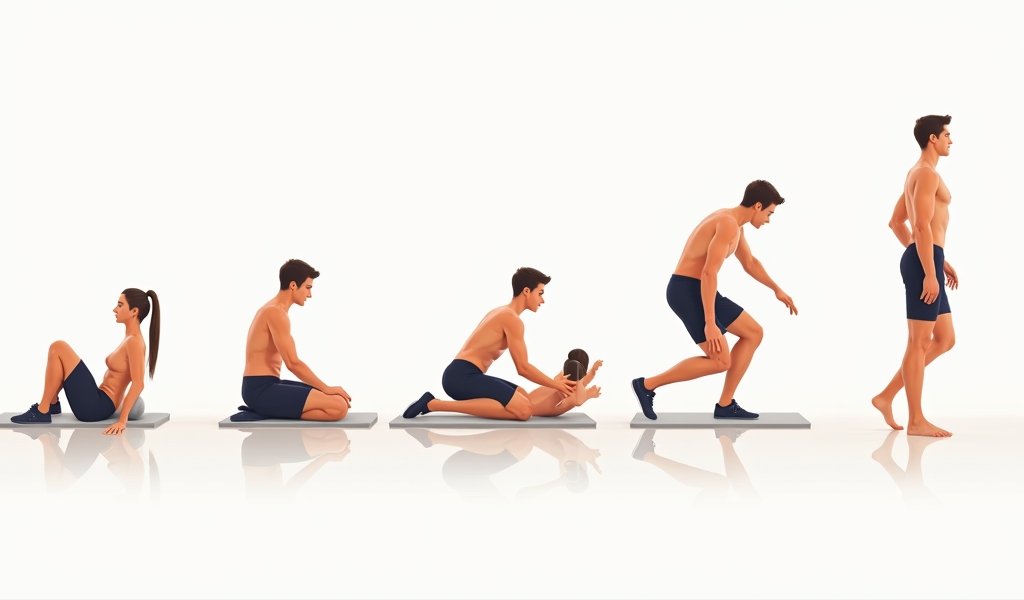
The first and perhaps most crucial step in accelerating patellar tendonitis recovery is implementing intelligent rest strategies. Notice I said “intelligent” rest—not complete immobilization. The old advice of “stay off it completely” has been replaced with a more nuanced approach.
Complete rest can actually be counterproductive, leading to muscle atrophy and decreased tendon strength. Instead, focus on relative rest by temporarily eliminating activities that provoke pain while maintaining modified movement that doesn’t stress the tendon.
Here’s how to implement structured rest effectively:
- Identify and avoid pain-triggering movements (typically jumping, running, and deep squats)
- Replace high-impact activities with low-impact alternatives like swimming or stationary biking
- Use the pain scale as your guide—activities should remain below a 3/10 on the pain scale
- Gradually reintroduce more demanding activities as symptoms improve
A practical approach is to adopt the traffic light system recommended by physical therapists: green activities (pain-free) are encouraged, yellow activities (mild pain that doesn’t worsen) can be done with caution, and red activities (causing significant or increasing pain) should be avoided.
Remember that proper rest also includes adequate sleep. During deep sleep phases, your body releases growth hormone that accelerates tissue repair. Aim for 7-9 hours of quality sleep to maximize this natural healing process.
Proven Way #2: Targeted Physical Therapy Exercises
Implementing a progressive exercise program is essential for strengthening the patellar tendon and surrounding structures. The key word here is “progressive”—starting too intensely can exacerbate symptoms, while a too-gentle approach may not provide sufficient stimulus for adaptation.
Research has consistently shown that eccentric exercises—those that lengthen the muscle under tension—are particularly effective for tendon healing. The classic example is the decline squat, which places controlled stress on the patellar tendon.
A comprehensive rehab program should progress through these phases:
- Isometric exercises (contracting muscles without movement) to reduce pain and begin strengthening
- Eccentric exercises to stimulate tendon remodeling and build strength
- Concentric-eccentric combined exercises to improve functional strength
- Plyometric training (for athletes) to safely return to jumping activities
Here’s a sample progression that has proven effective for many of my patients:
Phase 1 (1-2 weeks): Isometric wall sits or Spanish squats, holding for 30-45 seconds, 3-5 repetitions, 1-2 times daily. Keep pain below 3/10.
Phase 2 (2-4 weeks): Single-leg decline squats with slow eccentric phase (3-5 seconds down), 3 sets of 10-15 repetitions every other day.
Phase 3 (4-8 weeks): Progressive loading with resistance bands or weights, incorporating both concentric and eccentric movements.
Phase 4 (8+ weeks): Sport-specific movements and controlled plyometrics for those returning to athletic activities.
Complementary exercises should also target hip and core strength, as research has demonstrated that weakness in these areas can contribute to knee loading patterns that aggravate patellar tendonitis.
Proven Way #3: Advanced Treatment Modalities
Beyond the fundamentals of rest and exercise, several evidence-backed treatment modalities can accelerate patellar tendonitis recovery. These approaches can be particularly helpful for stubborn cases or when you need to expedite healing.
Extracorporeal Shock Wave Therapy (ESWT) has shown promising results for tendinopathies. This non-invasive treatment delivers acoustic waves to the affected tendon, stimulating blood flow and cellular healing responses. A systematic review in the British Journal of Sports Medicine found that ESWT significantly reduced pain and improved function in patients with patellar tendinopathy.
Platelet-Rich Plasma (PRP) injections utilize your body’s own healing properties by concentrating platelets from your blood and injecting them into the damaged tendon. While more research is needed, many patients experience accelerated recovery with this approach, particularly for chronic cases.
Other modalities worth considering include:
- Low-Level Laser Therapy (LLLT) to reduce inflammation and enhance tissue repair
- Therapeutic ultrasound to increase blood flow and tissue metabolism
- Kinesio taping techniques to provide support while allowing movement
- Custom orthotics to address biomechanical issues that may contribute to tendon stress
It’s important to note that these interventions work best when combined with the fundamental approaches of appropriate rest and progressive exercise. They should complement, not replace, these foundational strategies.
When considering advanced treatments, consult with a sports medicine physician or physical therapist who specializes in tendon injuries. They can help determine which options are most appropriate for your specific situation and ensure they’re properly integrated into your overall recovery plan.
Proven Way #4: Nutrition and Supplementation
What you put into your body can significantly impact how quickly your patellar tendon heals. Nutrition is often overlooked in rehabilitation programs, yet it provides the building blocks necessary for tissue repair and can help control inflammation.
Protein intake is particularly important for tendon healing. Aim for 1.6-2.0 grams per kilogram of body weight daily, with emphasis on complete protein sources that contain all essential amino acids. Collagen, the primary structural protein in tendons, requires specific amino acids like glycine and proline, which are abundant in bone broth, chicken skin, and fish.
Anti-inflammatory foods can help manage pain and accelerate recovery. Include plenty of:
- Fatty fish rich in omega-3 fatty acids (salmon, mackerel, sardines)
- Colorful fruits and vegetables containing antioxidants
- Turmeric and ginger, which have natural anti-inflammatory properties
- Green tea, which contains polyphenols that may help reduce inflammation
Several supplements have shown promise for supporting tendon healing:
- Vitamin C is essential for collagen synthesis and tendon repair
- Vitamin D plays a crucial role in musculoskeletal health and recovery
- Collagen peptides, when taken 30-60 minutes before exercise, may enhance tendon healing
- Curcumin (from turmeric) has potent anti-inflammatory effects
Hydration status also affects tissue healing. Tendons are approximately 70% water, and proper hydration ensures optimal cellular function and nutrient delivery. Aim for at least 2-3 liters of water daily, more if you’re exercising or in hot weather.
While nutrition won’t magically heal your tendon overnight, it creates an optimal internal environment for recovery and can help shave weeks off your rehabilitation timeline when combined with other strategies.
Proven Way #5: Psychological Approaches to Recovery
The mind-body connection plays a surprisingly powerful role in injury recovery. Research has consistently shown that psychological factors significantly influence rehabilitation outcomes, including recovery time for conditions like patellar tendonitis.
Pain perception, for instance, isn’t simply a direct response to tissue damage—it’s heavily modulated by psychological factors. Stress, anxiety, fear-avoidance beliefs, and catastrophizing can all amplify pain signals and slow healing processes through physiological mechanisms including increased muscle tension and stress hormone production.
Implementing these evidence-based psychological approaches can accelerate your recovery:
- Pain education: Understanding that some discomfort during rehabilitation is normal and doesn’t necessarily indicate harm
- Progressive exposure: Gradually confronting movements you may fear, under professional guidance
- Mindfulness and relaxation techniques to reduce overall stress and pain perception
- Positive visualization of healing and successful return to activities
- Setting realistic, measurable goals to maintain motivation
A particularly effective technique is graded exposure, where you systematically engage in activities you might be avoiding, starting with less threatening versions. This helps recalibrate your pain response system and builds confidence in your knee’s capabilities.
Research published in the Journal of Athletic Training demonstrates that athletes who maintain a positive outlook and actively engage in their rehabilitation process typically return to activity significantly faster than those who adopt passive or negative attitudes.
Consider working with a sports psychologist or rehabilitation specialist who understands these principles if you’re struggling with the mental aspects of recovery. The psychological component might be the missing piece that helps you break through a plateau in your healing process.
Creating Your Personalized Recovery Plan
Now that we’ve explored the five proven ways to slash your patellar tendonitis recovery time, let’s discuss how to integrate them into a cohesive, personalized plan. The most effective approach combines elements from each strategy based on your specific circumstances.
Start by honestly assessing your current situation. How severe is your tendonitis? How long have you had symptoms? What activities trigger pain? This baseline information will help you calibrate your recovery approach appropriately.
Next, implement a daily routine that incorporates:
- Morning: Gentle movement to reduce stiffness, followed by appropriate exercises from your current rehabilitation phase
- Throughout the day: Activity modification based on pain levels, proper nutrition, and adequate hydration
- Evening: Second exercise session (if appropriate), anti-inflammatory nutrition, and quality sleep preparation
Track your progress systematically using both objective measures (like how many decline squats you can perform) and subjective assessments (pain levels during specific activities). This data helps you make informed decisions about when to progress your exercises or modify your approach.
Be patient but persistent. Tendon healing follows a biological timeline that can’t be rushed entirely, but consistent application of these strategies can ensure you’re recovering as efficiently as possible. Most patients see significant improvement within 6-12 weeks when following a comprehensive approach.
Remember that occasional setbacks are normal. If you experience increased pain, temporarily scale back your activities and exercises, but don’t abandon your program entirely. Consistent, moderate effort typically yields better results than an all-or-nothing approach.
Conclusion
Recovering from patellar tendonitis doesn’t have to be a lengthy, frustrating process. By implementing these five proven strategies—structured rest, targeted exercises, advanced treatment modalities, supportive nutrition, and positive psychological approaches—you can significantly reduce your recovery time while ensuring complete healing.
Remember that these approaches work synergistically. The patient who combines appropriate load management with specific exercises, supportive nutrition, and a positive mindset will recover substantially faster than someone focusing on just one aspect of rehabilitation.
The key to success lies in consistency and patience. Tendon tissue responds best to gradual, progressive stimulation over time, not quick fixes or sporadic intense efforts. Trust the process, follow the guidelines we’ve discussed, and you’ll be well on your way to resuming your favorite activities with a stronger, more resilient patellar tendon.
As you implement these strategies, stay attuned to your body’s signals and don’t hesitate to consult with healthcare professionals when needed. With the right approach, you can overcome patellar tendonitis and potentially emerge stronger than before.
Frequently Asked Questions
How long does it typically take to recover from patellar tendonitis?
Recovery typically takes 6-12 weeks for mild to moderate cases with proper treatment. Severe or chronic cases may require 3-6 months, but implementing the strategies in this article can help reduce these timeframes.
Is it okay to exercise with patellar tendonitis?
Certain exercises are beneficial and necessary for recovery, while others may worsen the condition. Follow a structured program with pain levels staying below 3/10 and avoid high-impact activities that trigger significant pain.
Should I use ice or heat for patellar tendonitis?
Ice is most beneficial in the acute phase (first 48-72 hours) or after activity to manage pain. Heat can be helpful before exercise to increase blood flow, but should be avoided if there’s significant inflammation.
Will a knee brace help speed up recovery?
A patellar tendon strap can help reduce pain during activities by changing how forces distribute across the tendon. While not curative alone, it can be a helpful adjunct to allow comfortable movement during recovery.
When should I see a doctor for patellar tendonitis?
Consult a healthcare professional if your pain persists beyond 2-3 weeks despite rest, if pain is severe, or if there’s significant swelling or inability to bear weight. Early intervention leads to faster recovery times.