

Overview
Achilles tendon surgery recovery isn’t just a test of patience—it’s like telling your Netflix-binging self to suddenly run a marathon in flip-flops while hopping on one foot! This article provides a detailed roadmap for successful recovery, covering everything from pre-surgery preparation and post-op care to physical therapy, nutrition, mental health, and a realistic timeline for returning to normal activities.
Table of Contents
- Understanding Achilles Tendon Surgery
- Pre-Surgery Preparation: Setting the Stage for Success
- Post-Op Care: The First Critical Weeks
- 7 Proven Recovery Tips After Achilles Tendon Surgery
- Physical Therapy: Your Path Back to Mobility
- Nutrition and Hydration: Fuel Your Recovery
- Mental Health During Recovery: The Overlooked Component
- Returning to Normal Activities: A Timeline
- Conclusion
- Frequently Asked Questions
Understanding Achilles Tendon Surgery
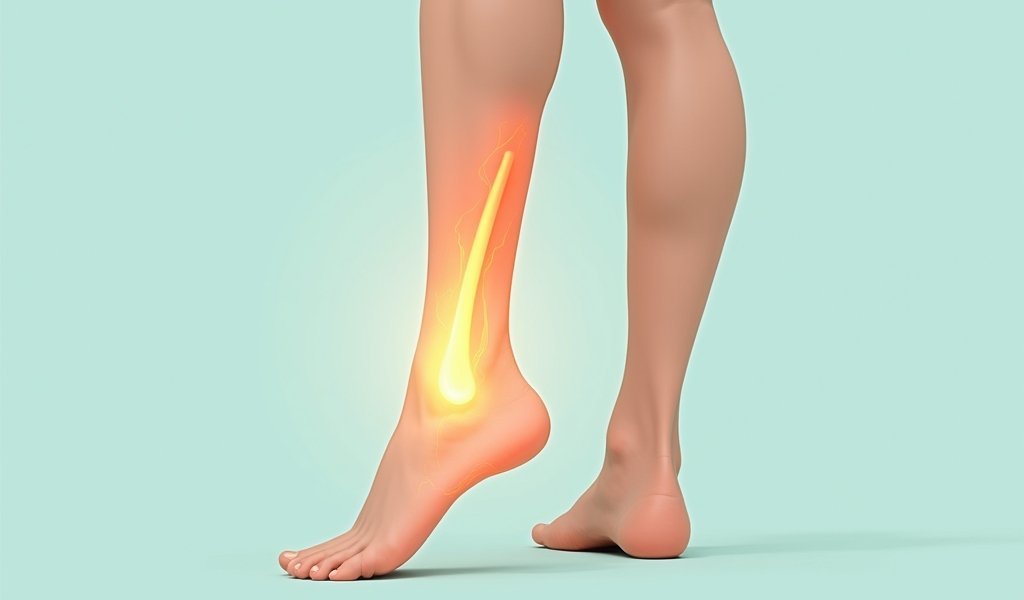
Achilles tendon surgery represents a significant turning point in the journey toward healing a damaged tendon. As an orthopedic specialist who has guided countless patients through this process, I can assure you that while the road to recovery may seem daunting, with the right approach, you can achieve excellent outcomes. The Achilles tendon—the strongest and largest tendon in your body—connects your calf muscles to your heel bone and plays a crucial role in walking, running, and jumping.
When this tendon ruptures or becomes severely damaged through chronic injury, surgical intervention often becomes necessary. Modern surgical approaches for Achilles tendon repair typically include open surgery, minimally invasive techniques, or percutaneous methods, each with its own benefits depending on your specific condition and lifestyle needs.
Recovery from Achilles tendon surgery isn’t just about waiting for time to pass—it’s an active process requiring dedication and informed care. Understanding what happens during surgery can help you mentally prepare for what comes after. During the procedure, your surgeon will reconnect the torn ends of your tendon using sutures designed to withstand the forces needed for walking and eventually running. In some cases, particularly for chronic Achilles tendinopathy, the surgeon may need to remove damaged tissue and make other repairs.
Pre-Surgery Preparation: Setting the Stage for Success
Preparation before your Achilles tendon surgery can significantly impact your recovery trajectory. Think of it as laying the groundwork for a house—the stronger your foundation, the better your outcomes. In the weeks leading up to surgery, focus on optimizing your overall health. If you smoke, now is the perfect time to quit as smoking dramatically impairs healing and increases complication risks.
Arrange your living space to accommodate your post-surgery limitations. This might mean creating a first-floor living area if you normally sleep upstairs, installing temporary grab bars in the bathroom, or preparing a recovery station with everything you’ll need within arm’s reach. Remember, you’ll be non-weight bearing for several weeks, so practicality is key.
Pre-surgery physical conditioning can also make a substantial difference. Work with your physical therapist to strengthen your upper body, particularly your arms and shoulders, as you’ll be relying on them for crutch or scooter use. Additionally, strengthening your core and opposite leg will help maintain your balance and compensate during the recovery period.
Post-Op Care: The First Critical Weeks
The initial post-operative period following Achilles tendon surgery is arguably the most critical phase for long-term success. During these first few weeks, your body begins the intricate process of healing the repaired tendon. Following your surgeon’s instructions meticulously during this time isn’t just good advice—it’s essential for optimal outcomes.
In the first 24-48 hours after surgery, controlling pain and swelling takes center stage. Elevate your leg above heart level whenever possible—yes, even when sleeping. Apply ice as directed, typically 20 minutes on, 20 minutes off, and take prescribed pain medications according to schedule rather than waiting for pain to intensify. This proactive approach to pain management supports better healing by reducing stress hormones and allowing proper rest.
Protecting the surgical site is paramount. Keep the area clean and dry as instructed by your surgical team. Most surgeons recommend minimal to no weight-bearing for at least 2-6 weeks, depending on your specific procedure and healing progress. This restriction exists for good reason—premature weight-bearing can jeopardize the repair and potentially necessitate additional surgery.
During this period, you’ll likely be in a cast, walking boot, or brace, often with your foot positioned in slight plantar flexion (pointing downward) to reduce tension on the healing tendon. Research has shown that early controlled motion under proper medical supervision can promote better long-term outcomes than complete immobilization, but this must be balanced with adequate protection of the repair.
7 Proven Recovery Tips After Achilles Tendon Surgery
Having guided numerous patients through successful Achilles tendon surgery recovery, I’ve identified seven evidence-based strategies that consistently yield superior results. These tips aren’t just theoretical—they’re practical approaches backed by clinical research and real-world success.
1. Master Elevation Techniques
Proper elevation goes beyond simply propping your foot on a pillow. For maximum effect, position your entire leg above heart level with support under your knee and ankle. This technique optimizes fluid drainage and significantly reduces swelling. During the day, aim for 3-4 elevation sessions of 30 minutes each, and sleep with your foot elevated on pillows arranged in a gradually sloping position.
2. Embrace Nutrition for Healing
Your body requires specific nutrients to rebuild tendon tissue effectively. Increase your protein intake to approximately 1.2-1.6 grams per kilogram of body weight daily, focusing on complete protein sources. Vitamin C, zinc, and copper play crucial roles in collagen formation, while omega-3 fatty acids help manage inflammation. Consider working with a registered dietitian who specializes in surgical recovery to optimize your nutritional approach.
3. Maintain Non-Weight Bearing Discipline
The temptation to test your weight-bearing status prematurely is common but potentially devastating to your recovery. Even a single instance of inappropriate weight-bearing can compromise your surgical repair. Master the use of your mobility aids completely, whether crutches, knee scooters, or hands-free crutch alternatives. Practice navigating all necessary environments before surgery if possible.
4. Prevent Muscle Atrophy
While your Achilles tendon heals, you can still maintain strength in other muscle groups. Work with your physical therapist to develop a safe exercise protocol for your unaffected limbs and upper body. Many patients benefit from isometric exercises (muscle contractions without movement) for the affected leg once approved by their surgeon. These exercises help maintain neuromuscular connections even when movement is restricted.
5. Address Sleep Quality
Quality sleep directly impacts tissue healing rates and pain perception. Create optimal sleeping conditions by using appropriate pillows to support your elevated leg, managing room temperature (slightly cooler is typically better), and establishing a consistent sleep schedule. If pain disrupts your sleep, discuss modified pain management strategies with your healthcare provider specifically for nighttime use.
6. Use Compression Strategically
Compression therapy, when used correctly, can significantly reduce swelling and improve comfort. Most surgical protocols include some form of compression garment or wrapping. Once approved by your surgeon, graduated compression socks can help manage fluid accumulation during the transition to weight-bearing. Apply compression as directed—too tight can impair circulation, while too loose provides limited benefit.
7. Prioritize Wound Care
The condition of your surgical wound directly impacts your recovery timeline. Follow wound care instructions meticulously, keeping the area clean and dry until sutures are removed. Watch for warning signs of infection—increasing redness, warmth, drainage, or fever—and report them immediately. Once your incision has healed, scar massage and silicone sheets can optimize scar formation and prevent adhesions that might restrict movement later.
Physical Therapy: Your Path Back to Mobility
Physical therapy forms the cornerstone of successful rehabilitation following Achilles tendon surgery. Your physical therapy journey typically begins around 2-6 weeks post-surgery, depending on your surgeon’s protocol and your individual healing progress. This isn’t a one-size-fits-all approach—your program should be tailored specifically to your needs, goals, and recovery stage.
The initial phase focuses on gentle protected range of motion exercises designed to prevent stiffness while respecting healing timelines. Your therapist will likely begin with passive movements, where they move your ankle for you, before progressing to active-assisted and eventually fully active exercises. Patience during this phase pays tremendous dividends—rushing ahead can set your recovery back significantly.
As you progress through rehabilitation, your therapist will introduce graduated strengthening exercises targeting not just your Achilles tendon but the entire kinetic chain. This comprehensive approach addresses the compensatory patterns you’ve likely developed and restores proper biomechanics. Research demonstrates that eccentric strengthening exercises—where the muscle lengthens under tension—are particularly effective for Achilles rehabilitation.
The later stages of physical therapy will incorporate balance, proprioception (your body’s position sense), and functional activities specific to your goals. Whether you’re aiming to return to competitive sports or simply want to walk comfortably without pain, your rehabilitation program should reflect these objectives. Communication with your therapist about your progress, pain levels, and goals ensures your program evolves appropriately.
Nutrition and Hydration: Fuel Your Recovery
The role of nutrition in surgical recovery is frequently underestimated, yet it provides the building blocks your body needs to heal efficiently. After Achilles tendon surgery, your nutritional needs shift significantly to support tissue repair and manage inflammation. Strategic dietary choices can accelerate healing, reduce complication risks, and optimize your recovery timeline.
Protein requirements increase substantially during healing. Aim for high-quality protein sources distributed throughout the day rather than concentrated in a single meal. This approach provides a steady supply of amino acids necessary for tissue regeneration. Excellent sources include lean meats, fish, eggs, dairy, legumes, and plant-based protein options for those following vegetarian or vegan diets.
Micronutrients play equally important roles. Vitamin C is essential for collagen synthesis—the primary structural protein in tendons. Zinc and copper serve as cofactors in the healing process. Research indicates that deficiencies in these nutrients can significantly delay healing and compromise repair quality. Colorful fruits and vegetables provide these nutrients alongside antioxidants that help manage the oxidative stress associated with injury and surgery.
Hydration status directly impacts circulation and nutrient delivery to healing tissues. Aim for approximately 2-3 liters of water daily, adjusting based on your body size, activity level, and climate. If you’re taking pain medications, increased water intake can help mitigate common side effects like constipation while supporting overall healing processes.
Some patients benefit from temporary supplementation during recovery, particularly if dietary intake is compromised or nutritional status was suboptimal before surgery. Discuss appropriate supplementation with your healthcare provider, as quality and dosing are crucial for effectiveness and safety.
Mental Health During Recovery: The Overlooked Component
The psychological aspects of recovering from Achilles tendon surgery deserve far more attention than they typically receive. Extended periods of restricted mobility, pain management challenges, and temporarily surrendering independence can create significant emotional strain. Acknowledging these challenges as normal and developing coping strategies is essential for comprehensive recovery.
Many patients experience fluctuating emotions throughout their recovery journey. Initial relief after successful surgery might give way to frustration during the prolonged rehabilitation period. Setting realistic expectations from the beginning can help manage these emotional shifts. Recovery from Achilles surgery typically takes 6-12 months for complete return to function—understanding this timeline helps prevent discouragement when progress seems slow.
Maintain social connections even when mobility is limited. Technology offers numerous ways to stay engaged with your support network. Schedule regular virtual or in-person visits, join online support groups specifically for Achilles tendon recovery, or explore new sedentary hobbies that provide mental stimulation and accomplishment during your recovery period.
Mindfulness practices have shown significant benefits for surgical recovery, helping manage both pain perception and emotional responses. Simple meditation, guided imagery focused on healing, or progressive muscle relaxation can be learned quickly and practiced anywhere. These techniques activate your parasympathetic nervous system, creating a physiological environment more conducive to healing.
If you find yourself struggling with persistent negative thoughts, anxiety, or depressive symptoms during recovery, don’t hesitate to discuss these concerns with your healthcare provider. Professional support from a therapist or counselor familiar with medical recovery can provide valuable tools for navigating this challenging period.
Returning to Normal Activities: A Timeline
The journey back to your regular activities after Achilles tendon surgery follows a predictable sequence, though individual timelines vary based on surgical approach, personal healing rates, and compliance with rehabilitation protocols. Understanding this general progression helps set realistic expectations and prevents potentially harmful attempts to accelerate beyond appropriate healing stages.
During weeks 0-6, focus remains on protecting the surgical repair while managing pain and swelling. Most patients transition from a splint to a removable boot during this period, with weight-bearing restrictions gradually easing under medical supervision. Daily activities remain significantly modified, with mobility aids required for all movement. Approved gentle range of motion exercises typically begin around week 4-6, depending on your surgeon’s protocol.
From weeks 6-12, a carefully graduated return to weight-bearing usually occurs. You’ll likely progress from partial weight-bearing with protective footwear to full weight-bearing during this period. Physical therapy intensifies, incorporating more active strengthening and beginning proprioceptive training. Many patients return to driving and desk-based work during this phase, though specific timelines depend on which leg was affected and your vehicle’s transmission type.
Months 3-6 typically allow return to most daily activities with modifications. Low-impact exercise like swimming, stationary cycling, and elliptical training often becomes possible. Walking for fitness resumes, gradually increasing in duration and intensity. Many patients return to more physically demanding occupations during this period, though jobs requiring running, jumping, or heavy lifting may require longer recovery.
For athletes or those with high-activity goals, months 6-12 focus on sport-specific training and progressive return to higher-impact activities. Research shows that functional testing should guide return to sports rather than time alone. Your physical therapist will assess your strength, power, and movement quality using objective measures before clearing these activities. Even after returning to sports or high-demand activities, ongoing maintenance exercises remain important for preventing re-injury.
Conclusion
Recovering from Achilles tendon surgery represents a significant journey—one that requires patience, dedication, and a comprehensive approach. By implementing the seven proven strategies we’ve explored, you position yourself for the best possible outcome. Remember that healing isn’t purely physical; it encompasses nutritional, psychological, and lifestyle factors working in harmony to restore function and comfort.
Throughout your recovery, maintain open communication with your healthcare team. They can provide personalized guidance based on your unique healing progress and adjust your protocol as needed. Trust the process, even when progress seems slow—the body has remarkable healing capabilities when given proper support and time.
With appropriate care and rehabilitation, most patients achieve excellent functional outcomes following Achilles tendon surgery. Your commitment to following medical guidance, participating actively in physical therapy, and nurturing all aspects of healing will ultimately determine your recovery success. The strategies outlined in this guide provide a roadmap for navigating this challenging but temporary period, helping you return to the activities you enjoy with renewed strength and stability.
Frequently Asked Questions
How long does it take to recover from Achilles tendon surgery?
Full recovery typically takes 6-12 months, though basic walking function usually returns within 3-4 months. Timeline varies based on surgical technique, individual healing factors, and compliance with rehabilitation protocols.
When can I walk normally after Achilles surgery?
Most patients begin walking without a boot or assistive devices between 8-12 weeks post-surgery. Normal gait patterns without a limp typically return between 4-6 months.
Will I need physical therapy after Achilles tendon surgery?
Yes, physical therapy is essential for optimal recovery and typically lasts 3-6 months. PT helps restore range of motion, strength, and functional movement patterns while preventing compensatory issues.
Can I drive after Achilles tendon surgery?
Driving is typically possible when you can safely operate foot controls and are no longer taking narcotic pain medication. This usually occurs between 6-12 weeks, depending on which foot was affected and whether you drive an automatic or manual transmission.
What are the risks of returning to sports too soon after Achilles surgery?
Premature return to sports significantly increases re-rupture risk and can cause compensatory injuries elsewhere in the body. Most surgeons recommend waiting at least 6-9 months before returning to high-impact or cutting sports.