
Overview
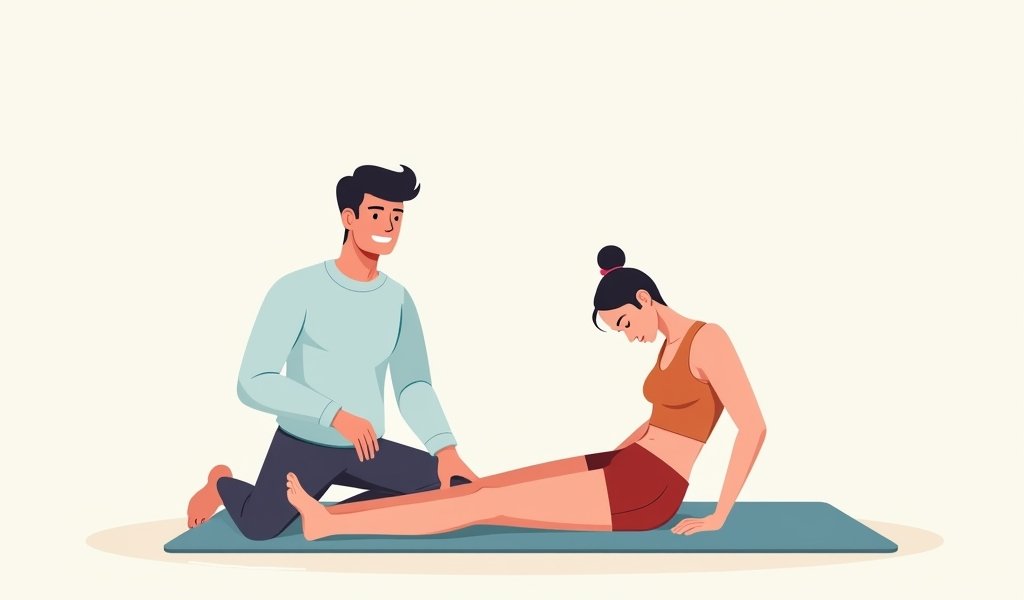
When your calf muscle decides to dramatically quit on you with a pop louder than your grandma opening a candy wrapper, you’re likely dealing with a gastrocnemius tear that demands attention. This article outlines a complete recovery roadmap for calf muscle tears, covering immediate RICE protocol (rest, ice, compression, elevation), pain management, targeted exercises, professional treatments, nutrition strategies, and a methodical return-to-activity plan to ensure proper healing without reinjury.
Table of Contents
- Understanding Gastrocnemius Muscle Tears
- Immediate Care Principles: RICE Protocol
- Appropriate Pain Management Strategies
- Targeted Rehabilitation Exercises
- Professional Treatment Options
- Nutrition and Hydration for Optimal Healing
- Gradual Return to Activity
- Conclusion
- Frequently Asked Questions
Understanding Gastrocnemius Muscle Tears
Have you ever experienced that unmistakable pop in your calf followed by sharp pain that stops you in your tracks? You might be dealing with a gastrocnemius muscle tear, a common injury that affects both athletes and everyday movers alike.
The gastrocnemius is the larger, more superficial of your calf muscles, creating that shapely contour at the back of your lower leg. It originates above your knee joint and joins with the soleus muscle to form the Achilles tendon, which attaches to your heel bone. This powerful muscle helps you point your toes, push off while walking or running, and provides the explosive force needed for jumping.
Gastrocnemius tears typically occur during activities requiring sudden acceleration or change in direction. That weekend tennis match or spontaneous sprint to catch the bus can trigger this painful injury, especially in adults over 40 whose muscle elasticity has naturally decreased.
Grades of Gastrocnemius Tears
Medical professionals classify these injuries into three grades based on severity:
- Grade 1 (Mild): Slight stretching and micro-tearing of muscle fibers with minimal strength loss. You’ll feel tightness and pain but can usually continue limited activity.
- Grade 2 (Moderate): Partial tearing of muscle fibers with noticeable strength reduction. Walking becomes uncomfortable, and you’ll likely see bruising develop.
- Grade 3 (Severe): Complete rupture of muscle fibers creating a significant functional deficit. You might hear an audible “pop” at the moment of injury, followed by severe pain and inability to bear weight.
Common Symptoms to Watch For
Recognizing a gastrocnemius tear early can significantly impact recovery time. Look for these telltale signs:
- Sudden, sharp pain in the calf region
- Swelling that develops within hours of injury
- Bruising that may appear 24-48 hours after injury
- Weakness when trying to rise onto your toes
- A feeling of tightness or knotting in the muscle
- Difficulty walking normally, especially upstairs
The good news? With proper care and rehabilitation, most gastrocnemius tears heal completely without the need for surgical intervention. Let’s explore the seven essential strategies that will get you back on your feet faster and stronger.
Immediate Care Principles: RICE Protocol
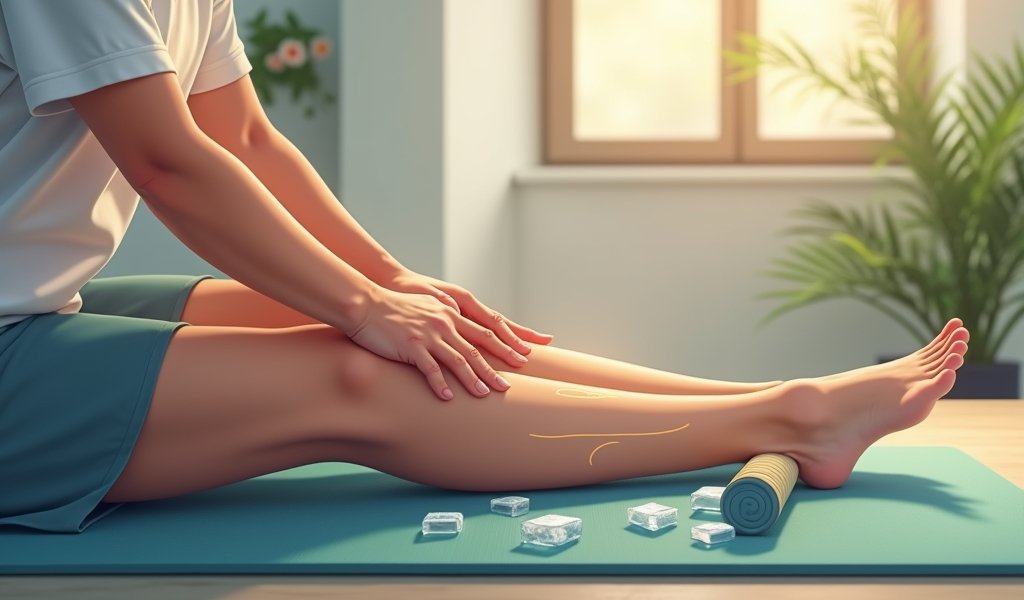
When you first experience a gastrocnemius tear, your immediate actions significantly influence your recovery timeline. The gold standard for initial management remains the RICE protocol—Rest, Ice, Compression, and Elevation. Let’s break down this crucial first strategy.
Rest
The moment you feel that telltale pain, stop your activity. Continuing to push through will only increase the tear’s severity and extend your recovery time. For mild to moderate tears, this doesn’t mean complete immobilization—just avoiding activities that cause pain.
“Many patients make the mistake of trying to ‘walk it off,’ which can transform a simple Grade 1 tear into something more serious,” explains sports medicine specialists. “Relative rest allows the torn muscle fibers to begin reconnecting without further damage.”
Ice
Apply ice to the injured area for 15-20 minutes every 2-3 hours during the first 72 hours. Always use a thin cloth between the ice and your skin to prevent tissue damage. The cooling effect constricts blood vessels, reducing bleeding into the tissue and minimizing swelling.
Ice therapy works best when started immediately after injury, but it’s still beneficial even if applied hours later. The goal isn’t to eliminate inflammation completely—some inflammatory response is necessary for healing—but rather to control excessive swelling that can impede recovery.
Compression
Using an elastic bandage or compression sleeve helps limit swelling by preventing excess fluid accumulation. Wrap your calf starting at the ankle and moving upward, creating even pressure that’s firm but not tight enough to restrict circulation.
You should be able to slip a finger under the bandage comfortably. If you notice increased pain, numbness, tingling, or color changes in your foot, the compression is too tight and should be adjusted immediately.
Elevation
Keeping your injured leg elevated above heart level encourages fluid to flow away from the injury site, further reducing swelling. Aim for 2-3 hours of elevation daily during the acute phase (first 72 hours).
This can be as simple as lying on the couch with your leg propped on pillows or the armrest. During sleep, place a pillow under your mattress at the foot of the bed or stack pillows under your lower leg.
The RICE protocol is most effective when implemented promptly and consistently during the first few days after injury. For Grade 1 tears, this initial care may be sufficient for healing, while more severe injuries will require additional strategies we’ll explore next.
Appropriate Pain Management Strategies
Controlling pain after a gastrocnemius tear serves two important purposes: improving your comfort and facilitating early movement that promotes healing. Let’s explore effective pain management options that won’t interfere with the recovery process.
Over-the-Counter Medications
Non-steroidal anti-inflammatory drugs (NSAIDs) like ibuprofen (Advil, Motrin) and naproxen (Aleve) can reduce both pain and inflammation. For optimal benefit, consider this approach:
- Take as directed on the package or by your healthcare provider
- Use consistently for the first 3-5 days rather than only when pain peaks
- Take with food to minimize stomach irritation
- Consider switching to acetaminophen (Tylenol) after the acute inflammatory phase (72 hours)
While NSAIDs effectively manage symptoms, some research suggests their anti-inflammatory properties might slightly delay muscle regeneration if used long-term. For this reason, limiting their use to the first few days is often recommended.
Topical Pain Relief
For localized discomfort, topical analgesics can provide targeted relief without systemic side effects:
- Menthol-based creams create a cooling sensation that distracts from pain signals
- Arnica gel may help reduce bruising and soreness
- CBD-infused balms are gaining popularity for their potential anti-inflammatory properties
Apply these products according to package directions, typically 3-4 times daily. Avoid combining multiple topical products without consulting a healthcare professional.
Physical Approaches to Pain Management
Medications aren’t your only option for controlling discomfort:
- Contrast therapy: Alternating between cold and moderate warmth (after the first 72 hours) can stimulate circulation and reduce pain
- Gentle massage: Light stroking of surrounding tissues—not directly on the tear—can relieve tension and improve comfort
- Supportive taping: Kinesiology tape applied by a trained professional can provide support while reducing pressure on painful areas
Remember that pain serves as a protective mechanism. If an activity increases your pain significantly, it’s your body’s way of saying “not yet.” Masking pain completely to continue activities can lead to further injury, so aim for pain reduction rather than elimination during the healing process.
Targeted Rehabilitation Exercises
Once the acute phase has passed (typically 3-7 days for mild tears), strategic movement becomes your best friend in recovery. A progressive exercise program rebuilds strength, flexibility, and function in your injured gastrocnemius.
Phase 1: Gentle Range of Motion (Days 3-10)
Begin with these non-weight-bearing movements once your pain has decreased:
- Ankle Circles: Rotate your foot clockwise and counterclockwise in sets of 10-15 repetitions, 3-5 times daily. This maintains ankle mobility while gently engaging the calf.
- Towel Stretches: Sitting with your leg extended, loop a towel around your forefoot and gently pull toward you until you feel a mild stretch in your calf. Hold 15-30 seconds, repeat 3 times.
- Isometric Contractions: With your leg extended, push your foot against an immovable object (like a wall) without moving, creating a gentle contraction. Hold 5 seconds, repeat 10 times.
During this phase, movements should remain pain-free. If you experience more than mild discomfort, reduce the intensity or return to rest until symptoms improve.
Phase 2: Initial Strengthening (Days 10-21)
As pain and swelling subside, progress to these exercises:
- Seated Calf Raises: Sitting with feet flat on the floor, lift your heels while keeping the balls of your feet on the ground. Start with 2 sets of 10, gradually increasing to 3 sets of 15.
- Resistance Band Dorsiflexion: With a resistance band around your forefoot, pull your foot toward your shin against the resistance. This strengthens the anterior leg muscles that work in coordination with the calf.
- Partial Weight-Bearing Exercises: Standing while supporting yourself at a counter or chair, gradually transfer more weight to the injured leg as comfort allows.
Phase 3: Progressive Loading (Weeks 3-6)
For moderate to severe tears, this phase becomes crucial for rebuilding functional strength:
- Standing Calf Raises: Begin with double-leg raises, progressing to single-leg as strength improves. Start with body weight, then add external resistance.
- Step-Ups: Using a low step, place your injured leg on the step and press through your heel to lift your body. Focus on controlled movement rather than speed.
- Eccentric Training: The secret weapon for calf rehabilitation! Rise onto your toes using both legs, then lower slowly using only the injured leg. Research shows eccentric loading particularly effective for muscle-tendon injuries.
Phase 4: Functional Return (Weeks 6+)
Before returning to full activity, master these functional movements:
- Walking Lunges: Emphasize proper heel-to-toe transfer with each step.
- Heel-to-Toe Walking: Practice precise control by walking along an imaginary line.
- Single-Leg Balance: Progress from stable surfaces to unstable (like a foam pad) as balance improves.
- Sport-Specific Drills: Gradually introduce movements mimicking your regular activities at reduced intensity.
A successful rehabilitation program emphasizes quality over quantity and gradual progression. Record your exercises in a journal to track improvements and ensure you’re advancing at an appropriate pace. Consistency trumps intensity—daily gentle exercise typically yields better results than occasional aggressive sessions.
Professional Treatment Options
While many gastrocnemius tears respond well to home care, professional treatment can accelerate healing, especially for moderate to severe injuries. Let’s explore when to seek professional help and what treatments might be recommended.
When to Consult a Healthcare Provider
Consider seeking medical attention if:
- You’re unable to bear weight on the affected leg
- You heard a loud “pop” at the moment of injury
- Swelling is severe or extends beyond the calf region
- Pain doesn’t improve after 5-7 days of home treatment
- You develop calf pain with unexplained swelling (could indicate blood clot requiring immediate care)
- You’re uncertain about the severity of your injury
An accurate diagnosis is crucial for appropriate treatment. Your provider may recommend imaging such as ultrasound or MRI to determine the exact location and extent of the tear.
Physical Therapy Interventions
Physical therapists offer specialized treatments beyond standard exercises:
- Manual Therapy: Hands-on techniques to improve tissue mobility, reduce scar formation, and restore normal muscle function
- Instrument-Assisted Soft Tissue Mobilization: Special tools help break down restrictive scar tissue and promote better healing alignment
- Therapeutic Ultrasound: Sound waves generate deep heating that increases blood flow to damaged tissues
- Neuromuscular Electrical Stimulation: Controlled electrical currents activate muscles to reduce atrophy and improve recruitment patterns
- Gait Training: Specific techniques to correct compensatory walking patterns that develop after injury
Most patients benefit from 6-12 physical therapy sessions, though this varies based on injury severity and individual progress. Your therapist will also provide a customized home exercise program to complement in-clinic treatments.
Advanced Medical Interventions
For severe tears or cases that don’t respond to conservative treatment, your doctor might suggest:
- Platelet-Rich Plasma (PRP) Injections: This regenerative medicine approach uses concentrated platelets from your own blood to deliver growth factors directly to the injured area. Some studies show promising results for muscle tears, though evidence remains mixed.
- Extracorporeal Shock Wave Therapy (ESWT): Low-energy shock waves stimulate healing in chronic cases with persistent scar tissue.
- Surgical Repair: Rarely needed but may be considered for complete tears that significantly impair function, particularly in competitive athletes.
Most practitioners follow a “conservative first” approach, reserving advanced interventions for cases that don’t respond to standard treatments. Even with these interventions, the rehabilitation exercises discussed earlier remain essential to successful recovery.
Nutrition and Hydration for Optimal Healing
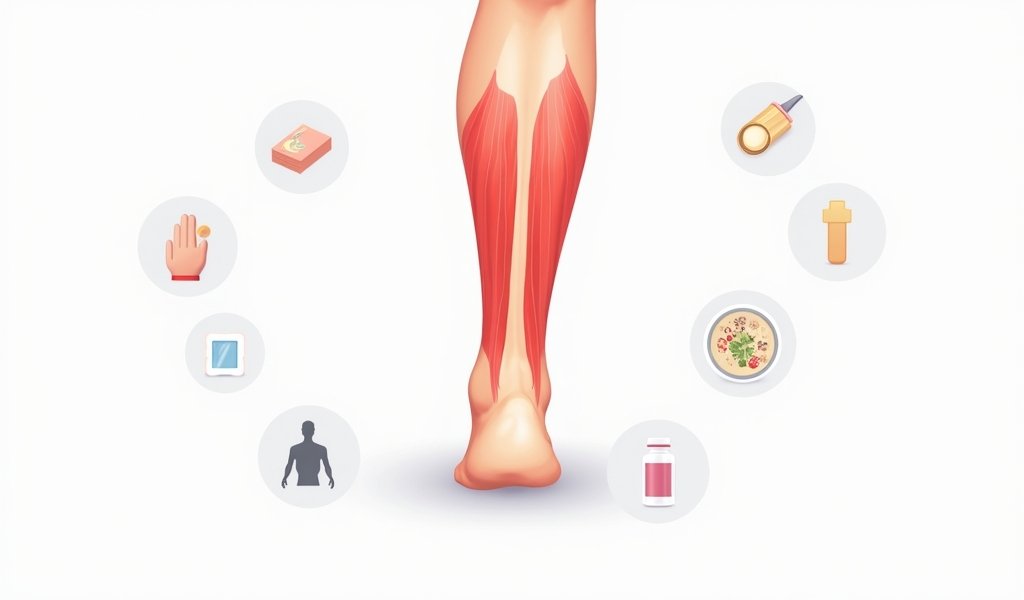
What you eat and drink plays a surprisingly significant role in muscle healing. Your body needs specific nutrients to repair damaged tissue and reduce inflammation. Think of proper nutrition as providing the right building materials for your body’s construction project.
Protein: The Foundation of Repair
Muscle tissue is primarily composed of protein, making adequate intake crucial during recovery:
- Aim for 1.6-2.0 grams of protein per kilogram of body weight daily
- Distribute protein intake throughout the day rather than consuming it all at once
- Include complete protein sources like eggs, poultry, fish, dairy, and plant-based combinations
- Consider a protein shake or smoothie after rehabilitation exercises to support muscle protein synthesis
For a 150-pound (68 kg) person, this means consuming approximately 110-135 grams of protein daily—significantly more than the basic recommended daily allowance for non-injured individuals.
Anti-Inflammatory Foods
Chronic inflammation can delay healing, but certain foods help combat this issue:
- Fatty Fish: Salmon, mackerel, and sardines provide omega-3 fatty acids that help regulate inflammation
- Colorful Fruits and Vegetables: Berries, cherries, leafy greens, and orange vegetables contain antioxidants that neutralize inflammatory compounds
- Turmeric and Ginger: These spices contain natural anti-inflammatory compounds that may support tissue healing
- Nuts and Seeds: Walnuts, flaxseeds, and chia seeds offer plant-based omega-3s
Simultaneously, limit foods that promote inflammation, such as highly processed items, excessive sugar, and industrial seed oils high in omega-6 fatty acids.
Key Micronutrients for Muscle Healing
Several vitamins and minerals play specific roles in the repair process:
- Vitamin C: Essential for collagen production—the scaffolding upon which new muscle tissue forms. Found in citrus fruits, bell peppers, and strawberries.
- Zinc: Supports immune function and protein synthesis. Good sources include oysters, meat, pumpkin seeds, and legumes.
- Vitamin D: Influences muscle function and recovery. While sunlight exposure helps your body produce vitamin D naturally, supplementation may be necessary, especially during winter months or for those with limited sun exposure.
- Magnesium: Helps prevent muscle cramps and supports energy production. Dark chocolate, avocados, nuts, and leafy greens are excellent sources.
A varied diet rich in whole foods typically provides these nutrients, though short-term supplementation may be beneficial in some cases. Consult with a healthcare provider before starting any supplement regimen.
Hydration Strategies
Water is the unsung hero of recovery, facilitating nutrient transport and waste removal:
- Aim for at least 2-3 liters of water daily, with additional intake during exercise
- Use urine color as a guide—pale yellow indicates good hydration
- Consume electrolyte-containing fluids after significant sweating
- Consider water-rich foods like cucumber, watermelon, and oranges as supplementary sources
Proper hydration becomes especially important when taking anti-inflammatory medications, as they increase demands on your kidneys. Maintaining adequate fluid intake helps minimize potential side effects while supporting optimal healing conditions.
Gradual Return to Activity
The final hurdle in your recovery journey involves safely returning to your normal activities without reinjury. This crucial phase often determines whether your gastrocnemius tear becomes a one-time inconvenience or a recurring problem.
The Phased Return Approach
Follow this structured progression to minimize reinjury risk:
- Phase 1: Daily Activities – Master normal walking, stair climbing, and basic movements without limping or pain
- Phase 2: Low-Impact Conditioning – Introduce stationary cycling, swimming, or elliptical training at moderate intensity
- Phase 3: Sport-Specific Movements – Practice fundamental movement patterns relevant to your activities at reduced intensity
- Phase 4: Progressive Return – Gradually increase duration, intensity, and complexity of activities while monitoring for symptoms
This gradual approach typically spans 2-6 weeks depending on your injury’s severity and the demands of your target activities. Resist the temptation to skip phases—each builds upon the previous one to ensure complete readiness.
Functional Testing Before Full Return
Before resuming full activity, ensure you can comfortably perform these functional tests:
- Single-leg heel raises (8-10 repetitions without significant strength difference compared to uninjured side)
- Single-leg balance with eyes closed (30 seconds)
- Hop tests (side-to-side and forward-backward) without pain or hesitation
- Activity-specific movement patterns at submaximal effort
If you notice significant asymmetry between legs or cannot complete these tests without pain, you likely need additional rehabilitation before full return. Rushing this process dramatically increases reinjury risk.
Incorporating Long-Term Prevention
As you return to full activity, implement these prevention strategies to protect your recovered gastrocnemius:
- Dynamic Warm-Up: Spend 5-10 minutes gradually activating muscles before any intense activity
- Maintenance Exercises: Continue performing calf strengthening exercises 2-3 times weekly
- Load Management: Increase activity volume by no more than 10% per week
- Recovery Planning: Schedule regular deload weeks with reduced intensity
- Footwear Assessment: Ensure your shoes provide appropriate support for your specific activities
Many successful athletes and active individuals permanently incorporate these preventive measures into their routines after experiencing a gastrocnemius tear. Consider this not just rehabilitation but an opportunity to build more resilient movement patterns for the future.
Conclusion
Recovering from a gastrocnemius muscle tear requires patience, consistency, and a strategic approach. By implementing these seven healing strategies—immediate RICE protocol, appropriate pain management, targeted exercises, professional treatment when necessary, optimal nutrition, and a gradual return to activity—you create the ideal environment for your body to repair and strengthen the damaged tissue.
Remember that healing doesn’t follow a perfectly linear path. You’ll likely experience days of noticeable improvement followed by temporary plateaus or even minor setbacks. This is normal. What matters most is your overall trajectory and commitment to the recovery process.
Your healed gastrocnemius can actually become stronger than before if you complete the full rehabilitation process rather than stopping once pain subsides. The comprehensive approach outlined in this guide addresses not just the tear itself but also the movement patterns, strength imbalances, and tissue quality issues that may have contributed to the initial injury.
Whether you’re an athlete eager to return to competition or simply want to walk comfortably without pain, these evidence-based strategies provide your roadmap back to activity. With consistent application and respect for your body’s healing timeline, you’ll rebuild not just muscle tissue, but confidence in your body’s remarkable capacity for recovery.
Frequently Asked Questions
How long does a gastrocnemius tear take to heal?
Recovery time varies by severity: Grade 1 tears typically heal in 2-3 weeks, Grade 2 in 4-8 weeks, and Grade 3 can take 3 months or longer. Your age, overall health, and adherence to rehabilitation protocols significantly influence these timeframes.
Can I walk with a torn gastrocnemius muscle?
With Grade 1 tears, careful walking is usually possible with some discomfort. Moderate to severe tears may require crutches or walking boots initially, with gradual return to normal gait as healing progresses.
How can I tell if I’ve torn my gastrocnemius?
Common symptoms include sudden calf pain, often described as a “pop” or kick sensation, followed by swelling, bruising, and difficulty rising onto tiptoes. A healthcare provider can confirm the diagnosis through physical examination and sometimes imaging studies.
Should I use heat or ice for a gastrocnemius tear?
Use ice during the first 72 hours to reduce swelling and inflammation. After the acute phase, you may alternate between ice and gentle heat, using ice after activity and heat before stretching or exercise to improve tissue elasticity.
Will I need surgery for my torn calf muscle?
Surgery is rarely needed for isolated gastrocnemius tears, with over 90% responding well to conservative management. Surgical intervention is typically reserved for complete tears with significant functional deficit, especially in high-level athletes.