
Overview
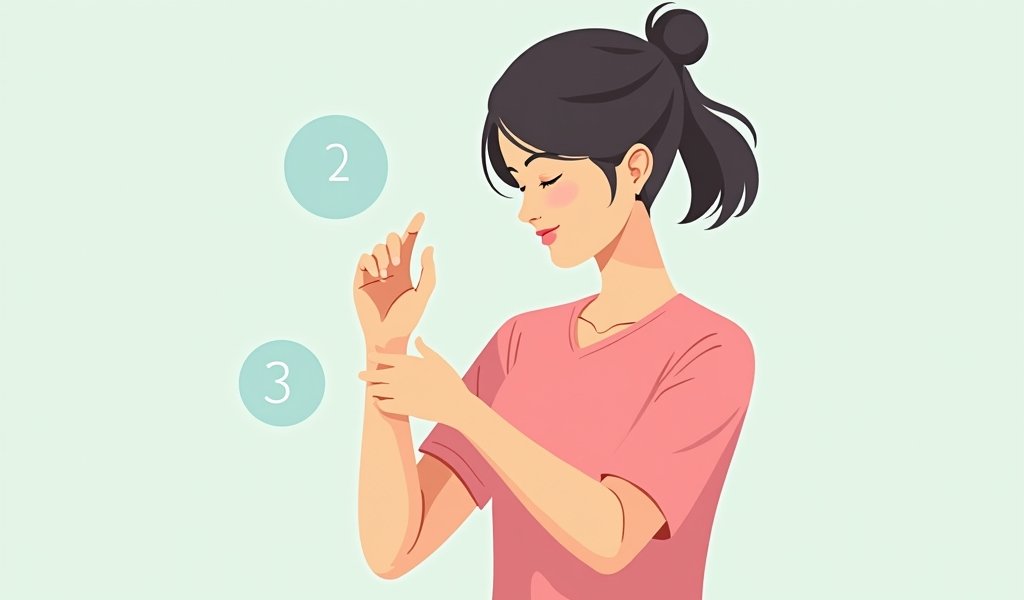
Like a dramatic plot twist in the middle of your perfectly normal day, a forearm muscle tear can turn simple activities into painful ordeals faster than you can say “I probably shouldn’t have moved that couch alone.” This article provides a five-step recovery approach for forearm muscle tears—beginning with immediate RICE treatment (rest, ice, compression, elevation), followed by appropriate pain management, dedicated physical therapy, gradual return to activities, and preventative measures to avoid re-injury.
Table of Contents
- Understanding Forearm Muscle Tears
- Common Causes of Forearm Muscle Tears
- Step 1: Immediate Treatment – The RICE Protocol
- Step 2: Pain Management Options
- Step 3: Physical Therapy and Rehabilitation
- Step 4: Gradual Return to Activities
- Step 5: Preventive Measures
- Conclusion
- Frequently Asked Questions
Understanding Forearm Muscle Tears
A forearm muscle tear can stop you in your tracks. One moment you’re doing a simple everyday activity, and the next, there’s a sharp pain shooting through your arm that makes you wince. That’s exactly what happened to Alex, a client at Achieve Health Goals, who experienced a forearm muscle tear while moving furniture in his new apartment. “I heard a pop and felt immediate pain,” he recalls. “I had no idea what had happened until I consulted with a physical therapist.”
Forearm muscle tears range from mild strains (Grade 1) to complete ruptures (Grade 3), and recognizing the severity is crucial for proper treatment. The forearm contains multiple muscles that control wrist and finger movements, making tears in this area particularly disruptive to daily activities.
At Achieve Health Goals, rehabilitation specialists notice that many patients underestimate the complexity of forearm injuries. The forearm consists of two main muscle groups: the flexors (inner forearm) and extensors (outer forearm). Each group contains multiple muscles that can tear individually or collectively, creating various symptoms and recovery timelines.
Common Causes of Forearm Muscle Tears
Understanding what causes a forearm muscle tear is half the battle in preventing one. Many patients at Achieve Health Goals initially express surprise at how their injury occurred. Let’s break down the most frequent culprits:
- Sudden forceful movements or overexertion
- Repetitive stress from activities like typing, tennis, or golf
- Direct trauma or impact to the forearm
- Improper lifting technique
- Inadequate warm-up before physical activities
Take Sarah, for instance, a dedicated amateur rock climber who visited the chiropractic wellness center with forearm pain. “I thought I was just experiencing normal muscle soreness after climbing,” she explained. “But when the pain persisted for over a week, I realized something was wrong.” Sarah had developed a mild forearm tear from repeatedly gripping climbing holds without proper technique and rest periods.
Another common scenario involves office workers who develop forearm issues due to poor ergonomics. According to research published in the Journal of Occupational Rehabilitation, up to 41% of office workers experience forearm pain related to repetitive strain injuries, some of which progress to actual muscle tears.
Step 1: Immediate Treatment – The RICE Protocol
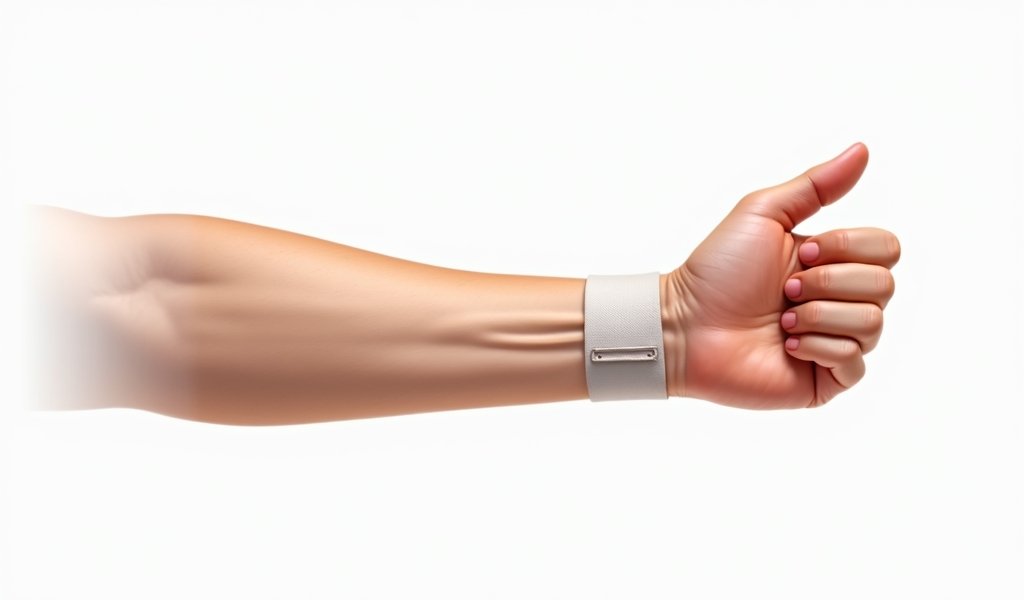
When you first experience a forearm muscle tear, taking swift action can significantly impact your recovery timeline. The moment you feel that sharp, sudden pain, it’s time to implement the RICE protocol—Rest, Ice, Compression, and Elevation. This time-tested approach remains the gold standard for immediate injury care.
Rest
Stop what you’re doing immediately. Continuing to use a torn muscle only compounds the damage. Health professionals at Achieve Health Goals emphasize that this doesn’t mean complete immobilization—rather, avoid activities that cause pain while maintaining gentle movement when possible.
Ice
Apply ice to the injured area for 15-20 minutes every 2-3 hours during the first 48-72 hours. Always place a thin cloth between the ice and your skin to prevent ice burns. The cooling effect reduces blood flow to the area, which helps minimize swelling and inflammation.
Compression
Use an elastic bandage to apply gentle pressure to the forearm. Wrap from the wrist toward the elbow, ensuring it’s snug but not tight enough to restrict circulation. If you experience numbness, tingling, or color changes in your hand, the wrap is too tight.
Elevation
Keep your forearm elevated above heart level when possible, especially when resting. This simple positioning helps reduce swelling by allowing fluid to drain away from the injury site.
Jason, a carpenter who sought treatment at Achieve Health Goals after a forearm tear, shared his experience: “I thought I could just power through the pain and keep working. Big mistake. When I finally followed the RICE protocol properly, the difference in my recovery speed was remarkable.”
According to research in the Journal of Orthopaedic & Sports Physical Therapy, implementing proper immediate care can reduce recovery time by up to 30% for mild to moderate muscle tears.
Step 2: Pain Management Options
Managing pain effectively is crucial not just for comfort but also for promoting healing. When you’re in pain, your body tends to guard the injured area, creating compensatory movement patterns that can lead to secondary problems.
Over-the-Counter Medications
Non-steroidal anti-inflammatory drugs (NSAIDs) like ibuprofen can help manage pain and reduce inflammation. However, physical therapists at Achieve Health Goals caution against overreliance on these medications. While they provide symptom relief, they should be used as directed and not as a means to push through activities that cause pain.
Interestingly, there’s some debate in the medical community about the timing of anti-inflammatory medication. Some research suggests that the inflammatory response is actually an essential part of the healing process, particularly in the first 48-72 hours after injury.
Natural Pain Relief Methods
Many patients find relief through natural approaches such as:
- Turmeric supplements (which contain curcumin, a natural anti-inflammatory)
- Topical arnica gels
- Essential oils like peppermint or lavender
- Heat therapy (after the initial 72-hour period)
Elena, a yoga instructor who developed a forearm tear during an intensive workshop, found that alternating between cold and heat therapy after the initial inflammatory phase provided significant relief. “The contrast therapy really helped reduce my discomfort without relying solely on medication,” she noted during her follow-up at Achieve Health Goals.
When to Seek Medical Intervention
While many forearm tears can be managed with conservative measures, certain situations call for medical attention. Seek prompt medical care if you experience:
- Severe pain that doesn’t improve with rest and over-the-counter pain relievers
- Significant swelling or bruising
- Visible deformity in the forearm
- Inability to use your hand or fingers
- Numbness or tingling in the hand or fingers
In severe cases, prescription pain medications or even corticosteroid injections might be recommended, but these interventions should be explored only under proper medical supervision.
Step 3: Physical Therapy and Rehabilitation
Once the acute phase has passed (typically 3-7 days after injury), it’s time to focus on rehabilitation. This phase is critical for restoring function and preventing future injuries. Physical therapy represents the bridge between injury and full recovery.
At Achieve Health Goals, rehabilitation specialists create individualized recovery programs based on the specific muscle affected and the severity of the tear. A standard rehabilitation protocol typically progresses through several phases:
Phase 1: Gentle Range of Motion
Beginning with gentle, pain-free movements helps prevent stiffness and promotes blood flow to the healing tissues. These exercises might include:
- Wrist flexion and extension
- Forearm rotation (pronation and supination)
- Finger spreading and pinching movements
Phase 2: Isometric Strengthening
As pain decreases, isometric exercises (muscle contractions without joint movement) help rebuild strength without stressing the injured tissue. These might include:
- Pressing the palm against a flat surface
- Squeezing a soft ball or therapy putty
- Wrist holds with light resistance
Phase 3: Progressive Resistance Training
As healing progresses, gradually introducing resistance helps restore full strength and endurance. Tools commonly used include:
- Resistance bands
- Light dumbbells
- Wrist roller devices
- Grip strengtheners
Marco, a guitarist who developed a forearm tear from overplaying, found that physical wellness techniques transformed his recovery. “The therapist introduced exercises that not only healed my injury but also improved my playing technique. Now I practice with better form and haven’t had any issues since.”
Research from the American Journal of Sports Medicine indicates that structured rehabilitation programs can reduce the recurrence rate of muscle tears by up to 60% compared to self-directed recovery.

Step 4: Gradual Return to Activities
Rushing back to full activity is one of the most common mistakes people make after a forearm muscle tear. The tissue may feel healed, but without a proper graduated return, you risk re-injury or developing compensatory issues.
Jessica, an enthusiastic CrossFit athlete who received treatment at Achieve Health Goals, learned this lesson the hard way. “I felt good after two weeks of rest and jumped right back into my regular workout routine. Within days, I was back to square one with even worse pain.” Her experience highlights why a structured return plan is essential.
The 10% Rule
Rehabilitation specialists often recommend the 10% rule—increase your activity level by no more than 10% per week. This applies to:
- Duration (how long you perform an activity)
- Intensity (how hard you work)
- Frequency (how often you do it)
- Resistance (how much weight you use)
Activity-Specific Progression
Different activities place different demands on the forearm muscles. For example:
- Office workers: Begin with 30-minute computer sessions, gradually increasing as tolerated
- Athletes: Start with form-focused, low-intensity movements before progressing to full sport participation
- Manual laborers: Initially focus on lighter tasks requiring minimal grip strength before returning to heavier lifting
Monitoring symptoms during this phase is crucial. Some mild discomfort during increased activity is normal, but sharp pain is a signal to back off. The team at Achieve Health Goals teaches clients the difference between “good pain” (the feeling of muscles working and getting stronger) and “bad pain” (which indicates potential damage).
According to research in the British Journal of Sports Medicine, athletes who follow structured return-to-play protocols have a 30% lower reinjury rate in the first year after a muscle tear compared to those who return based solely on symptom resolution.
Step 5: Preventive Measures
Preventing a recurrence of a forearm muscle tear requires ongoing attention to technique, ergonomics, and maintenance exercises. Think of this step as an insurance policy for your recovery investment.
Ergonomic Adjustments
For office workers, proper workstation setup is essential. Experts at Achieve Health Goals recommend:
- Keeping wrists in a neutral position while typing
- Using ergonomic keyboards and mouse devices
- Taking regular 5-minute breaks every hour
- Positioning monitors at eye level to prevent forward head posture that can affect arm mechanics
Technique Refinement
For athletes and those in physical occupations, technique matters tremendously. Consider:
- Working with coaches or occupational therapists to optimize movement patterns
- Video analysis of sports techniques or work movements
- Using proper equipment sized correctly for your body
- Focusing on form rather than weight/resistance during strength training
Maintenance Exercises
Incorporating specific exercises into your regular routine can help maintain forearm strength and flexibility:
- Wrist flexor and extensor stretches (30 seconds, 3-5 times daily)
- Grip strength exercises (2-3 times weekly)
- Rotational forearm movements with light resistance
- General upper body strength training to support arm function
Dave, a carpenter who received rehabilitation at Achieve Health Goals after his second forearm tear, embraced wellness bodybuilding techniques as part of his prevention strategy. “I never realized how much my overall body strength affected my arm health. Since incorporating these exercises, my forearms feel stronger and more resilient, even during long workdays.”
Nutrition also plays a role in muscle health and injury prevention. Adequate protein intake supports tissue repair, while vitamins C and D, zinc, and omega-3 fatty acids help maintain muscle and tendon integrity. A dietitian specializing in sports nutrition can provide personalized recommendations based on your activity level and recovery needs.
Conclusion
Recovering from a forearm muscle tear requires patience, consistency, and a methodical approach. Following these five proven steps—immediate RICE treatment, appropriate pain management, dedicated physical therapy, gradual return to activities, and ongoing preventive measures—creates the optimal environment for healing and future injury prevention.
Remember that each body is unique, and recovery timelines vary based on age, overall health, injury severity, and compliance with treatment protocols. What remains constant is the need for a balanced approach that respects your body’s healing process while progressively rebuilding strength and function.
At Achieve Health Goals, rehabilitation specialists have witnessed countless success stories of clients who’ve not only recovered from forearm tears but returned to their activities with improved technique and awareness. The journey may feel challenging at times, but with the right approach and support, full recovery is achievable.
Take action today by implementing these evidence-based strategies, and if you’re experiencing persistent forearm pain or limited function, consider consulting with a physical therapist or sports medicine specialist for personalized guidance. Your forearms support countless daily activities—they deserve the best care possible!
Frequently Asked Questions
How long does it take for a forearm muscle tear to heal?
Recovery time varies from 2-3 weeks for mild tears to 3-6 months for severe tears. The healing timeline depends on the tear’s severity, your age, overall health, and adherence to treatment protocols.
Can I still work out with a forearm muscle tear?
You should avoid activities that stress the injured forearm initially. After the acute phase, modified exercises that don’t involve the forearm can be performed with medical clearance.
How do I know if my forearm tear needs surgery?
Most forearm tears heal without surgery, but complete ruptures or tears that don’t improve with conservative treatment may require surgical intervention. Significant weakness, deformity, or persistent pain despite treatment warrants medical evaluation.
What’s the difference between a forearm strain and a tear?
A strain is a mild stretching of muscle fibers (Grade 1), while tears involve actual disruption of muscle fibers (Grades 2-3). Strains typically heal faster and with fewer complications than tears.
Can forearm tears be prevented?
Many forearm tears can be prevented through proper warm-up, technique training, ergonomic adjustments, and progressive training. Regular strength and flexibility exercises for the forearm muscles also reduce injury risk.