
Overview
Well folks, turns out slapping a heating pad on your aching back isn’t always the miracle cure your grandma promised—heat therapy can either be your best friend or worst enemy depending on timing and technique. This article explores when heat helps back pain (chronic conditions, muscle stiffness), when it harms (acute injuries, inflammation), and outlines seven essential strategies for effective pain management including proper heat application, alternating with cold therapy, staying hydrated, gentle movement, proper sleep positioning, stress management, and knowing when to seek professional help.
Table of Contents
- Can Heat Make Back Pain Worse? Understanding the Connection
- When Heat Helps: The Benefits of Thermal Therapy
- When Heat Harms: Situations to Avoid Thermal Treatments
- Essential Fix #1: Proper Heat Application Techniques
- Essential Fix #2: Alternating Heat and Cold Therapy
- Essential Fix #3: Hydration and Nutrition for Back Pain
- Essential Fix #4: Gentle Movement and Stretching
- Essential Fix #5: Proper Sleep Positioning
- Essential Fix #6: Stress Management Techniques
- Essential Fix #7: When to Seek Professional Help
- Conclusion
- Frequently Asked Questions
Can Heat Make Back Pain Worse? Understanding the Connection
If you’ve ever wondered “can heat make back pain worse?” you’re not alone. While many of us instinctively reach for a heating pad when back pain strikes, the relationship between heat and back discomfort is more nuanced than you might think. As a health professional who has worked with countless back pain sufferers, I’ve seen firsthand how heat therapy can be both a blessing and a curse.
Back pain affects approximately 80% of adults at some point in their lives, making it one of the most common health complaints. Heat therapy has long been a go-to remedy, but applying heat inappropriately can actually intensify discomfort in certain situations. Understanding when heat helps and when it might exacerbate your condition is essential for effective pain management.
The truth is, heat therapy works wonders for many back pain scenarios, particularly for chronic conditions characterized by stiffness and tension. However, there are specific circumstances where heat application can worsen your symptoms and potentially delay healing. Let’s explore this complex relationship and discover the seven essential fixes that can help you use heat therapy effectively while avoiding its potential pitfalls.
When Heat Helps: The Benefits of Thermal Therapy
Heat therapy, when applied correctly, offers remarkable benefits for many types of back pain. Understanding these benefits can help you make informed decisions about when to reach for that heating pad or warm towel.
One of the primary advantages of heat therapy is improved blood circulation. When you apply heat to a painful area, blood vessels dilate, increasing blood flow to tissues. This enhanced circulation delivers more oxygen and nutrients to the affected muscles and tissues while simultaneously removing waste products. According to research published in the Journal of Clinical Medicine Research, this improved circulation can significantly reduce muscle tension and stiffness.
Heat also decreases muscle spasms, which often accompany chronic back pain. The warmth helps muscles relax, reducing painful contractions and allowing greater flexibility. For many patients with chronic back conditions, this muscle relaxation effect provides welcome relief from persistent discomfort.
Additionally, heat therapy has been shown to provide psychological comfort. The soothing sensation of warmth triggers the release of endorphins—your body’s natural pain relievers—creating a sense of relaxation and well-being that can be particularly beneficial for those whose pain is exacerbated by stress. This holistic approach to wellness addresses both the physical and psychological aspects of pain management.
Heat therapy works best for:
- Chronic back pain that’s lasted more than 6 weeks
- Stiff muscles and joints, especially in the morning
- Pain related to muscle tension and spasms
- Arthritis-related discomfort
- Pain that intensifies with stress or anxiety
When Heat Harms: Situations to Avoid Thermal Treatments
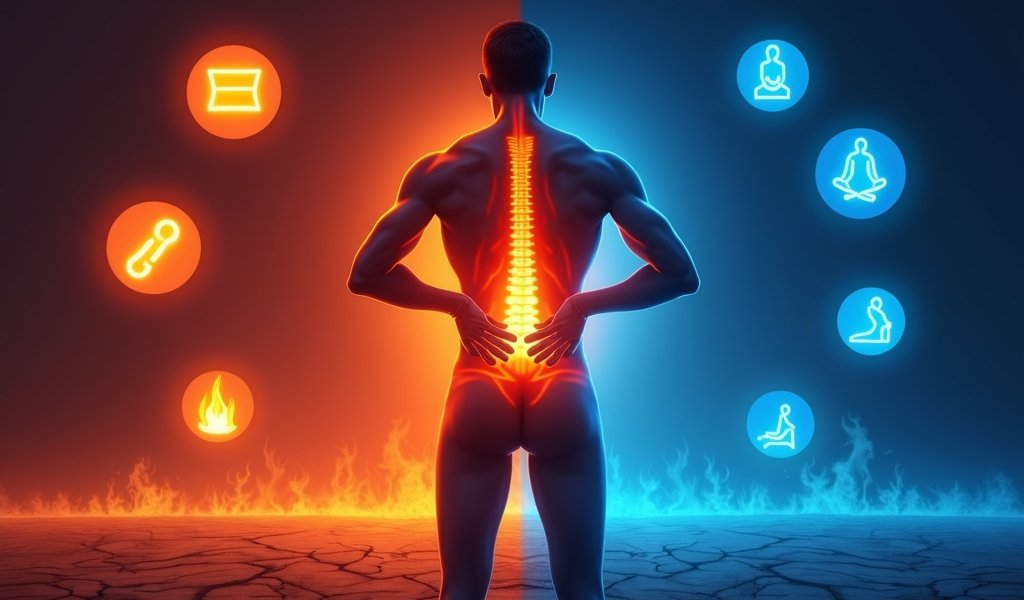
Despite its benefits, heat therapy isn’t universally beneficial for all back pain scenarios. In fact, can heat make back pain worse? Absolutely—in certain circumstances, heat can intensify inflammation and delay healing.
Acute injuries are the primary situation where heat can be problematic. When you experience a fresh injury to your back—whether from lifting something heavy or a sudden movement—the affected area undergoes an inflammatory response. This is your body’s natural healing mechanism, characterized by increased blood flow, swelling, and sometimes redness. Applying heat during this acute phase, typically within the first 48-72 hours, can amplify this inflammatory response, potentially worsening pain and prolonging recovery.
Heat therapy can also be detrimental if you have certain underlying conditions. For instance, if your back pain stems from an infection, heat may help bacteria multiply more rapidly. Similarly, if you suffer from conditions that affect your skin sensation (like diabetes with neuropathy), you might not accurately sense when heat becomes excessive, risking burns.
According to research in the Journal of Orthopaedic & Sports Physical Therapy, inappropriate heat application can sometimes mask important warning signs of serious conditions. This delayed diagnosis could lead to complications that might have been avoided with proper early intervention.
Avoid heat therapy in these scenarios:
- Acute injuries (less than 48-72 hours old)
- When visible swelling, redness, or bruising is present
- If you have open wounds or skin infections in the area
- When back pain is accompanied by fever
- If you have certain circulatory problems or sensory impairments
- When the source of pain hasn’t been diagnosed
Essential Fix #1: Proper Heat Application Techniques
The effectiveness of heat therapy largely depends on how you apply it. Using proper techniques ensures you get maximum benefit while minimizing potential risks. When asking can heat make back pain worse, often the answer lies in improper application methods.
First, consider temperature control. The ideal temperature for therapeutic heat is warm—not hot. Your heat source should feel comfortably warm against your skin, never painful or burning. Most heating pads have adjustable settings; start on low and gradually increase if needed. If using a homemade solution like a warm towel, test it against your inner wrist before applying it to your back.
Timing is equally important. Limit heat application sessions to 15-20 minutes at a time, allowing your skin at least an hour to recover between sessions. Extended heat exposure can lead to skin irritation, burns, or increased inflammation—exactly what we want to avoid when managing back pain effectively.
Consider the type of heat application as well. Moist heat, such as warm baths, shower, or damp heat packs, often penetrates more deeply than dry heat methods like electric heating pads. Physical wellness experts frequently recommend moist heat for persistent muscle tension. However, dry heat methods are more convenient for many people, especially when at work or traveling.
For optimal results, try these application strategies:
- Apply heat before activities that typically cause stiffness or pain
- Use a barrier layer (like a thin towel) between the heat source and your skin
- Keep the heat source moving slightly every few minutes to avoid excessive concentration in one area
- Stay hydrated during heat therapy to prevent dehydration
- Never fall asleep with a heating pad, as this increases burn risk
Essential Fix #2: Alternating Heat and Cold Therapy
One of the most effective approaches for many back pain sufferers is alternating between heat and cold therapy—a technique known as contrast therapy. This method capitalizes on the benefits of both temperature extremes while minimizing their potential drawbacks.
Cold therapy (cryotherapy) excels at reducing inflammation and numbing pain, making it ideal for acute injuries or flare-ups. When tissues cool, blood vessels constrict, reducing swelling and slowing the inflammatory response. The numbing effect also provides immediate pain relief by decreasing nerve conduction velocity.
By strategically alternating between heat and cold, you can address multiple aspects of back pain simultaneously. This approach is particularly effective for conditions that involve both inflammation and muscle tension, such as many cases of lower back pain.
A typical contrast therapy protocol might look like this:
- Begin with 10-15 minutes of cold therapy using an ice pack wrapped in a thin towel
- Follow with 15-20 minutes of heat therapy using a heating pad or warm towel
- Allow the area to return to normal temperature for 10-15 minutes
- Repeat the cycle 2-3 times if desired
- Always finish with cold for acute injuries or heat for chronic conditions
Research from spine specialists suggests that contrast therapy may be more effective than either heat or cold alone for certain types of back pain, particularly those involving both muscle and joint components.
Essential Fix #3: Hydration and Nutrition for Back Pain
While applying external heat correctly is crucial, your internal environment plays an equally important role in back pain management. Proper hydration and nutrition create the foundation for tissue healing and pain reduction—and can significantly impact how your body responds to heat therapy.
Hydration is particularly relevant when using heat therapy. When you apply heat to an area, blood flow increases, and you may perspire slightly, losing fluids. Additionally, the intervertebral discs in your spine are largely composed of water. When you’re adequately hydrated, these discs maintain their shock-absorbing properties, potentially reducing pressure and pain.
Aim to drink at least 8-10 glasses of water daily, increasing this amount when using heat therapy or during hot weather. Consider adding electrolytes if you’re sweating significantly or using heat for extended periods.
Nutritionally, certain foods can help combat inflammation—a common component of back pain. An anti-inflammatory diet rich in these nutrients may complement your heat therapy regimen:
- Omega-3 fatty acids (found in fatty fish, walnuts, and flaxseeds)
- Antioxidants (abundant in colorful fruits and vegetables)
- Magnesium (present in leafy greens, nuts, and whole grains)
- Turmeric and ginger (natural anti-inflammatory spices)
- Vitamin D (from sunlight exposure, fatty fish, and fortified foods)
Conversely, some foods may worsen inflammation and potentially make heat therapy less effective. Consider limiting:
- Processed foods high in trans fats
- Refined sugars and carbohydrates
- Excessive alcohol consumption
- Foods you may be personally sensitive to
By combining thoughtful wellness tips regarding nutrition with appropriate heat therapy, you create a comprehensive approach to back pain management that addresses both external and internal factors.
Essential Fix #4: Gentle Movement and Stretching
When considering can heat make back pain worse, it’s important to recognize that heat therapy works best when combined with appropriate movement. Contrary to the old advice of complete bed rest, modern pain science emphasizes the importance of gentle, controlled movement for most back pain conditions.
Heat therapy creates an ideal environment for movement by increasing tissue elasticity and reducing muscle tension. When tissues are warmed, they become more pliable and less prone to injury during stretching or gentle exercise. This creates a perfect opportunity to introduce beneficial movements that can further reduce pain and improve function.
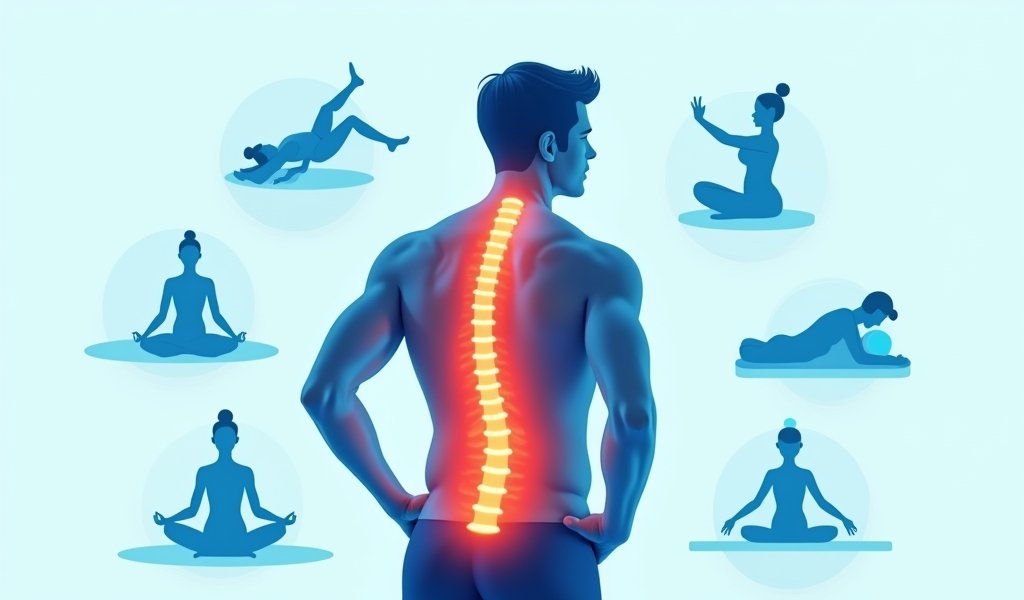
After applying heat for 15-20 minutes, consider incorporating these gentle movements:
- Pelvic tilts to mobilize the lower spine
- Gentle cat-cow stretches on hands and knees
- Controlled lumbar rotations while lying down
- Gentle walking to promote blood flow and natural movement patterns
- Child’s pose or gentle forward folds if comfortable
The key is to move within a pain-free range. If a movement increases your pain significantly, modify or avoid it. Start with just a few repetitions of each movement, gradually increasing as your comfort allows.
Research published in the British Medical Journal suggests that movement-based approaches often provide better long-term outcomes for back pain than passive treatments alone. By combining heat therapy with appropriate movement, you’re addressing both symptom relief and underlying causes.
Remember that consistency trumps intensity. A brief, gentle movement session performed regularly after heat application will likely yield better results than occasional intense exercise that might provoke pain flares.
Essential Fix #5: Proper Sleep Positioning
Sleep quality and positioning play crucial roles in back pain management, especially when combined with heat therapy. The hours you spend sleeping represent a significant portion of your day—and improper positioning during this time can undo the benefits of your daytime heat treatments.
While heat therapy before bed can help relax muscles and prepare you for sleep, it’s essential to avoid falling asleep with heating devices to prevent burns or fire hazards. Instead, use heat for 15-20 minutes before bedtime, then focus on positioning that maintains your spine’s natural alignment.
Optimal sleep positions for back pain include:
- Side sleeping with a pillow between knees: This maintains pelvis alignment and reduces stress on the lower back
- Back sleeping with a pillow under knees: This position helps maintain the natural curve of your spine while reducing pressure on the facet joints
- Modified stomach sleeping: If you must sleep on your stomach, place a thin pillow under your pelvis to reduce lumbar extension
Your mattress and pillow selection also matter significantly. A medium-firm mattress typically provides the best support for most back pain sufferers, though individual preferences vary. Your pillow should support your neck without forcing it into flexion or extension.
Consider these nighttime strategies:
- Apply heat therapy 15-20 minutes before bedtime
- Practice gentle stretches after heat application
- Use supportive pillows to maintain alignment
- Avoid electronic devices before sleep to improve sleep quality
- Establish a regular sleep schedule to promote healing
Quality sleep is essential for tissue healing and pain management. When you combine proper sleep positioning with appropriate heat therapy, you’re providing your body optimal conditions for overnight recovery—a critical component often overlooked in back pain management.
Essential Fix #6: Stress Management Techniques
The relationship between stress and back pain is bidirectional—stress can increase muscle tension and pain perception, while persistent pain naturally increases stress levels. This cycle can significantly impact how your body responds to heat therapy and other interventions.
Stress triggers your sympathetic nervous system (fight-or-flight response), causing muscles to tense and blood vessels to constrict. This physiological response can counteract the muscle-relaxing and circulation-enhancing benefits of heat therapy. Therefore, incorporating stress management into your back pain treatment plan can significantly enhance the effectiveness of heat application.
Effective stress management techniques that complement heat therapy include:
- Diaphragmatic breathing: Deep, slow breaths activate your parasympathetic nervous system, promoting relaxation
- Progressive muscle relaxation: Systematically tensing and releasing muscle groups reinforces the relaxation heat provides
- Mindfulness meditation: Focusing on present sensations reduces catastrophizing and pain amplification
- Gentle yoga: Combines movement, breath control, and mindfulness for comprehensive stress reduction
- Nature exposure: Spending time outdoors has been shown to reduce stress hormones and pain perception
Consider this practical approach: While applying heat to your back, practice slow, deep breathing or listen to a guided relaxation recording. This combined approach addresses both the physical tension and psychological factors that may be contributing to your pain.
According to research published in the journal Psychosomatic Medicine, psychological factors can predict both the onset and persistence of back pain. By addressing stress alongside applying heat appropriately, you’re creating a more comprehensive approach to pain management.
Essential Fix #7: When to Seek Professional Help
While proper heat application and self-care strategies are effective for many back pain episodes, knowing when to consult healthcare professionals is perhaps the most important “fix” of all. No amount of heat therapy—no matter how correctly applied—can substitute for appropriate medical care when it’s needed.
When considering “can heat make back pain worse,” sometimes the answer lies not in the heat itself but in the underlying condition that requires different intervention. Recognizing red flags and seeking timely care can prevent complications and lead to faster resolution of your symptoms.
Consult a healthcare provider immediately if you experience:
- Severe pain that doesn’t improve with rest or basic interventions
- Pain accompanied by fever, unexplained weight loss, or night sweats
- Back pain following significant trauma, like a fall or accident
- Pain radiating down one or both legs, especially with numbness or weakness
- Loss of bladder or bowel control (a medical emergency)
- Back pain that wakes you from sleep or is worse when lying down
Even without these urgent signs, consider professional evaluation if:
- Your pain persists beyond 4-6 weeks despite self-care
- Pain significantly limits your daily activities or work
- You find yourself increasing pain medication use
- You’re unsure about the appropriateness of heat therapy for your condition
Healthcare providers offer valuable perspectives and treatment options beyond what self-care can provide. Physical therapists can assess your specific movement patterns and prescribe targeted exercises. Physicians can order appropriate imaging if necessary and discuss medication options. Alternative practitioners like acupuncturists or massage therapists may offer complementary approaches to enhance your recovery.
Conclusion
So, can heat make back pain worse? As we’ve explored throughout this article, the answer isn’t simply yes or no—it depends on various factors including the nature of your pain, how you apply heat, and your overall approach to back health.
Heat therapy can be a powerful tool for managing back pain, particularly for chronic conditions characterized by muscle tension and stiffness. However, its benefits depend on proper application techniques, appropriate timing, and integration with other evidence-based strategies like gentle movement, stress management, and good sleep hygiene.
For acute injuries or inflammatory conditions, heat may indeed worsen symptoms by increasing blood flow to already inflamed tissues. In these cases, cold therapy or alternating between cold and heat offers better results.
Remember that back pain management is rarely about finding a single magic solution. Instead, it’s about creating a personalized, comprehensive approach that addresses both the physical and psychological aspects of pain. The seven essential fixes we’ve discussed provide a framework for this holistic approach.
Listen to your body’s responses, adjust your strategies accordingly, and don’t hesitate to seek professional guidance when needed. With thoughtful application of these principles, you can harness the benefits of heat therapy while avoiding potential pitfalls, ultimately moving toward greater comfort and function in your daily life.
Frequently Asked Questions
How long should I apply heat to my back pain?
Limit heat application sessions to 15-20 minutes at a time. Allow your skin at least an hour to recover between sessions to prevent irritation or burns.
Is a hot shower good for back pain?
A warm (not scalding) shower can help relieve muscle tension and stiffness in the back. The moist heat penetrates deeply into muscles, improving circulation and flexibility.
Can I sleep with a heating pad on my back?
No, you should never fall asleep with a heating pad. This increases the risk of burns, electrical hazards, and excessive exposure that could worsen inflammation.
Should I use heat or ice for sciatica?
For sciatica, start with ice during the first 48-72 hours to reduce inflammation. After the acute phase, you can alternate between heat and ice, using heat to relax muscles and improve mobility.
Can heat make herniated disc pain worse?
Yes, heat can potentially aggravate herniated disc pain, especially during acute phases with inflammation. Cold therapy is typically more beneficial initially, while heat may help in later stages when muscle stiffness becomes prominent.