

Overview
When your cough turns your belly into its own percussion instrument, it’s not just bad timing—it’s your body sending an SOS! This article explains that abdominal pain during coughing can stem from various causes including muscle strain, hernias, or digestive conditions, and offers seven relief strategies including supporting your abdomen during coughs, using appropriate medications, and making lifestyle adjustments while advising when medical attention is necessary.
Table of Contents
- Understanding Abdominal Pain When Coughing
- Common Causes of Abdominal Pain During Coughing
- 7 Proven Relief Strategies for Abdominal Pain When Coughing
- When to See a Doctor About Abdominal Pain
- Prevention Tips for Reducing Abdominal Pain When Coughing
- Natural Remedies to Try at Home
- Lifestyle Changes That Can Help
- Conclusion
- Frequently Asked Questions
Understanding Abdominal Pain When Coughing
Experiencing pain in abdomen when coughing can be both uncomfortable and concerning. This symptom, while common, often signals that something in your body needs attention. As a health professional, I’ve seen numerous patients troubled by this specific type of pain, which can range from a mild discomfort to sharp, stabbing sensations that make you catch your breath.
The connection between coughing and abdominal pain lies in how our bodies work. When you cough, your abdominal muscles contract forcefully, creating pressure within your abdominal cavity. If there’s any inflammation, strain, or underlying condition in this area, that sudden pressure can trigger pain.
Understanding this connection is the first step toward finding relief. The good news? Most causes of abdominal pain when coughing are treatable, and with the right approach, you can significantly reduce your discomfort.
Common Causes of Abdominal Pain During Coughing
Abdominal pain during coughing rarely appears without reason. Several conditions can trigger this specific symptom, and identifying the underlying cause is crucial for effective treatment.
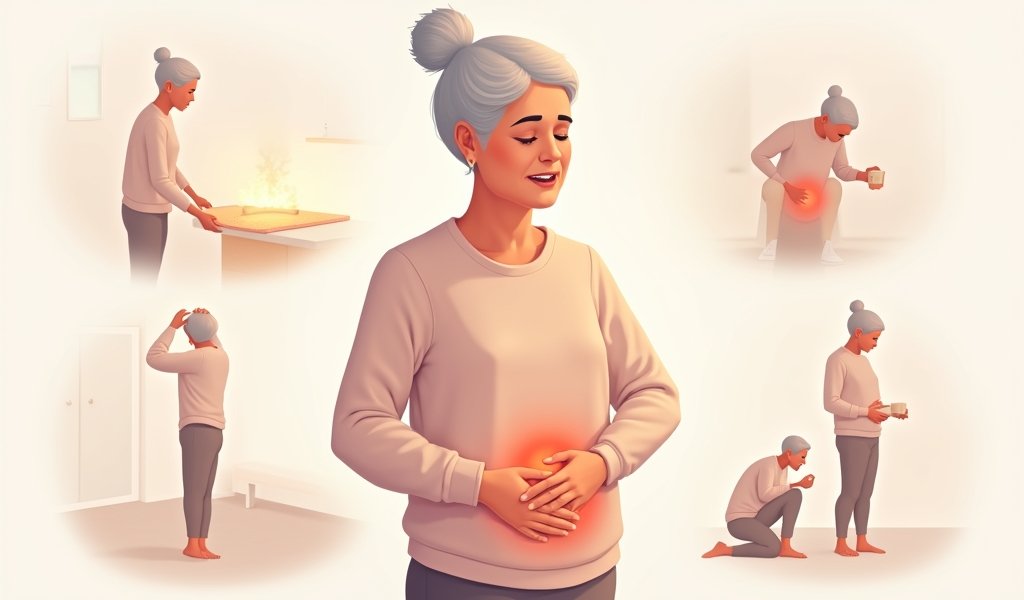
Muscle strain is perhaps the most common culprit. Repeated coughing can actually strain or tear your abdominal muscles, creating a sore feeling that worsens with each subsequent cough. Think of it as doing too many sit-ups without proper conditioning—your muscles protest!
Hernias represent another frequent cause. When internal tissues push through weakened muscle walls, coughing increases pressure on these vulnerable areas. Hiatal hernias specifically can cause pain in the upper abdomen when coughing, often accompanied by heartburn.
Gastrointestinal conditions like acid reflux, GERD, or peptic ulcers can also be behind this symptom. The pressure from coughing can push stomach acid upward or put stress on already irritated tissues, resulting in pain.
More serious conditions include:
- Appendicitis (coughing may worsen pain in the lower right abdomen)
- Pancreatitis (inflammation of the pancreas)
- Inflammatory bowel conditions like Crohn’s disease
- Gallbladder inflammation or gallstones
Respiratory infections that cause coughing can sometimes lead to pleurisy—inflammation of the tissues between the lungs and chest wall—which can manifest as abdominal pain, particularly when coughing or breathing deeply. Research from Mayo Clinic confirms this connection between respiratory infections and referred abdominal pain.
7 Proven Relief Strategies for Abdominal Pain When Coughing
Finding relief from abdominal pain when coughing doesn’t have to be complicated. These seven evidence-based strategies can help you manage discomfort while your body heals:
1. Support Your Abdomen During Coughs
This simple technique can make a world of difference. Place a pillow or your hands against your abdomen when you feel a cough coming on. This external support helps reduce strain on your abdominal muscles and minimizes pain.
For persistent coughs, consider using an abdominal binder or wrap for consistent support throughout the day. These medical supports are especially helpful if you’re recovering from abdominal surgery or have a diagnosed hernia.
2. Over-the-Counter Pain Relief
Non-steroidal anti-inflammatory drugs (NSAIDs) like ibuprofen can help reduce both pain and inflammation. Acetaminophen is another option that focuses primarily on pain relief without the anti-inflammatory properties.
Always follow dosage instructions carefully and consult with your healthcare provider if you have any underlying conditions that might affect which medications are safe for you. The FDA provides comprehensive guidelines on the safe use of over-the-counter pain relievers for various conditions.
3. Cough Suppression Techniques
Since coughing is the trigger for pain, reducing your cough frequency can provide significant relief. Over-the-counter cough suppressants containing dextromethorphan can help quiet a persistent cough that isn’t productive.
For natural approaches, try honey and lemon tea or lozenges containing menthol or eucalyptus. These soothe the throat and can reduce cough reflex sensitivity. Just a teaspoon of honey before bed has been shown to reduce nighttime coughing in several clinical studies.
4. Proper Hydration
Staying well-hydrated thins mucus secretions, making them easier to clear without forceful coughing. Aim for at least 8-10 glasses of water daily when dealing with a cough.
Warm liquids like herbal tea, clear broth, or warm water with honey can be especially soothing. They help relax the throat while delivering much-needed hydration. Avoid alcohol and caffeine, which can contribute to dehydration and potentially worsen your condition.
5. Rest and Proper Positioning
Your body heals during rest, so ensure you’re getting adequate sleep. For abdominal pain when coughing, finding the right sleeping position can make a significant difference in comfort levels.
Try sleeping with your upper body slightly elevated using extra pillows, especially if acid reflux contributes to your symptoms. Side sleeping with a pillow between your knees helps maintain proper spinal alignment and reduces pressure on your abdomen.
6. Gentle Heat Application
Applying gentle heat to your abdomen can relax muscles and reduce pain. Use a heating pad set to low or a warm (not hot) water bottle wrapped in a thin towel for 15-20 minutes at a time.
Heat therapy works by increasing blood flow to the area, which helps remove inflammatory substances and brings in healing nutrients. It’s particularly effective for muscle strains that might be causing your pain when coughing.
7. Modified Breathing Techniques
Learning to breathe properly during a cough can significantly reduce abdominal strain. Practice “controlled coughing” by taking a deep breath through your nose, then coughing gently in two short huffs while exhaling through slightly pursed lips.
Diaphragmatic breathing exercises, when done regularly, strengthen respiratory muscles and give you better control during coughing episodes. Simply breathe deeply into your belly rather than your chest, watching your abdomen rise and fall while keeping your chest relatively still.
When to See a Doctor About Abdominal Pain
While many causes of abdominal pain when coughing resolve with home care, certain signs should prompt immediate medical attention. Don’t ignore these red flags:
- Severe or worsening pain, especially if it’s concentrated in one area
- Pain accompanied by fever, vomiting, or bloody stool
- Abdominal swelling, tenderness, or hardness
- Difficulty breathing or chest pain alongside abdominal pain
- Pain that lasts more than a week despite home treatment
For those with existing medical conditions, lower thresholds for seeking care are appropriate. If you have a history of hernias, inflammatory bowel disease, or recent abdominal surgery, consult your healthcare provider sooner rather than later.
Remember that proper diagnosis is crucial for effective treatment. Your doctor might order imaging tests like ultrasounds or CT scans to visualize internal structures and identify issues like hernias or inflammation. Blood tests can detect infection or inflammation markers that might explain your symptoms.
Don’t hesitate to seek emergency care if you experience sudden, severe abdominal pain, especially if accompanied by signs of shock like dizziness, rapid heart rate, or confusion. These could indicate serious conditions requiring immediate intervention.
Prevention Tips for Reducing Abdominal Pain When Coughing
Prevention is always better than treatment. Incorporating these strategies into your routine can help minimize episodes of abdominal pain when coughing:
Strengthen your core muscles through gentle exercises like modified planks, pelvic tilts, and guided yoga. Strong abdominal muscles better withstand the pressure of coughing. Start slowly with guidance from a physical therapist if you’re recovering from injury or surgery.
Treat chronic coughs promptly before they lead to muscle strain. Whether it’s allergies, asthma, or acid reflux causing your cough, addressing the root cause prevents the cycle of coughing and pain. This might mean using prescribed inhalers, allergy medications, or acid-reducing drugs as recommended by your healthcare provider.
Practice good respiratory hygiene to prevent infections. Simple steps like washing hands regularly, avoiding close contact with sick individuals, and getting recommended vaccinations can reduce your risk of respiratory infections that lead to coughing.
For those with digestive conditions, following a gentle diet like the BRAT diet during flare-ups can help manage symptoms and reduce abdominal discomfort. Managing these conditions effectively means fewer episodes of pain when coughing.
Maintaining a healthy weight also reduces strain on your abdominal muscles and decreases the risk of hernias. Even modest weight loss can make a significant difference if you’re currently overweight.
Natural Remedies to Try at Home
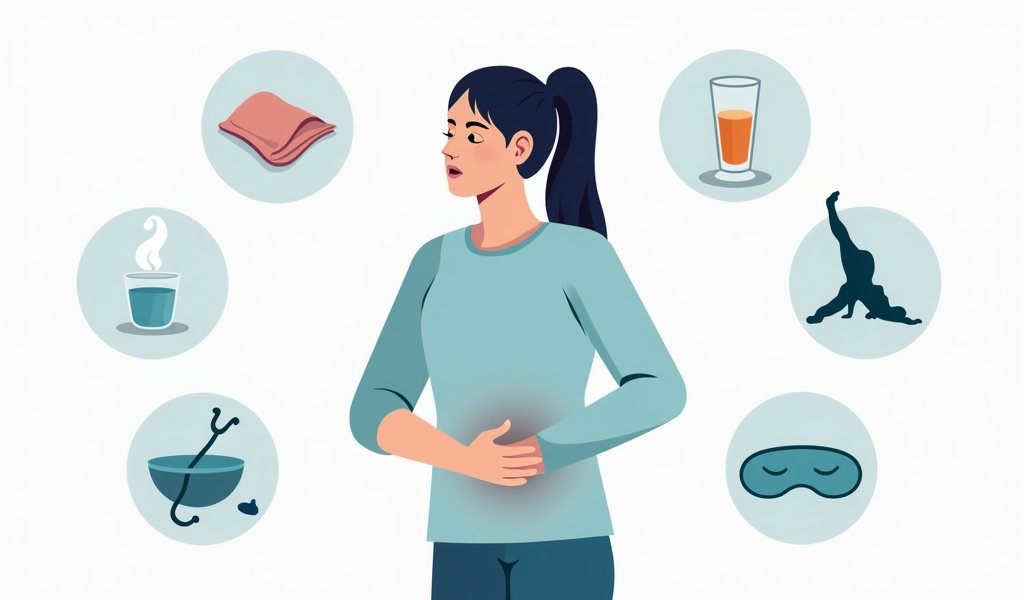
If you prefer natural approaches to managing pain in abdomen when coughing, several evidence-backed options exist. These can be used alongside conventional treatments for enhanced relief:
Ginger tea offers natural anti-inflammatory benefits that can help soothe digestive discomfort and reduce coughing. Simply steep fresh ginger slices in hot water for 5-10 minutes, add honey if desired, and sip slowly. Research published in the International Journal of Preventive Medicine supports ginger’s anti-inflammatory and analgesic properties.
Turmeric milk, or “golden milk,” combines the anti-inflammatory compound curcumin with the soothing properties of warm milk. Mix half a teaspoon of turmeric powder into warm milk (dairy or plant-based), add a pinch of black pepper to enhance absorption, and drink before bedtime to reduce inflammation overnight.
Essential oils like peppermint can help relax abdominal muscles when diluted properly and applied externally. Mix a few drops with a carrier oil like coconut oil and gently massage into the abdomen in clockwise motions. Never ingest essential oils or use them undiluted on skin.
Chamomile tea not only helps calm coughs but also soothes digestive discomfort. Its mild antispasmodic properties can help relax the muscles in your digestive tract, potentially reducing pain when coughing.
Apple cider vinegar, though not scientifically proven for this specific condition, is used by many to address acid reflux that might be contributing to cough and abdominal pain. If you try this remedy, always dilute it well (1-2 teaspoons in a full glass of water) to protect your tooth enamel and esophagus.
Lifestyle Changes That Can Help
Sometimes, simple adjustments to daily habits can dramatically reduce episodes of abdominal pain when coughing. Consider implementing these practical lifestyle changes:
Stress management techniques like meditation, deep breathing, or gentle yoga can reduce tension in your abdominal muscles. Stress is known to exacerbate many health conditions, including those that cause coughing and abdominal pain. Even 5-10 minutes of mindfulness practice daily can make a difference.
Smoking cessation is perhaps the most impactful change for those who use tobacco products. Smoking irritates the respiratory tract, leading to chronic coughing that strains abdominal muscles. It also weakens the immune system and delays healing. The CDC offers comprehensive resources for those ready to quit.
Dietary adjustments can significantly reduce symptoms, especially if acid reflux contributes to your cough. Consider these evidence-based recommendations:
- Eat smaller, more frequent meals instead of three large ones
- Avoid eating within three hours of bedtime
- Limit trigger foods like spicy dishes, citrus, tomatoes, chocolate, and caffeine
- Reduce alcohol consumption, which can worsen reflux
Proper posture, particularly when sitting for long periods, reduces pressure on your abdomen and can prevent exacerbation of conditions like hernias. Sit with your back supported and avoid hunching forward, especially after eating.
For those with chronic conditions, medication adherence is crucial. Whether it’s controlling asthma, managing GERD, or addressing other underlying issues, taking prescribed medications as directed helps prevent the coughing cycles that lead to abdominal pain.
Conclusion
Dealing with pain in abdomen when coughing can significantly impact your quality of life, but it doesn’t have to remain an unsolved mystery or untreated burden. As we’ve explored throughout this article, this symptom can stem from various causes—from simple muscle strain to more complex conditions requiring medical attention.
The seven relief strategies we’ve discussed offer practical approaches to managing your discomfort while addressing the underlying issues. Whether it’s supporting your abdomen during coughs, using appropriate medications, or employing natural remedies, these methods have helped countless patients find relief.
Remember that prevention plays a crucial role in managing this condition long-term. Strengthening your core, addressing chronic coughs promptly, and making smart lifestyle adjustments can significantly reduce episodes of abdominal pain when coughing.
While most cases can be managed effectively at home, never hesitate to consult a healthcare professional if your symptoms are severe, persistent, or accompanied by warning signs. Your body’s signals deserve attention, and proper medical evaluation ensures you receive appropriate care for your specific situation.
By combining the strategies outlined in this guide with professional medical advice, you can develop a comprehensive approach to addressing pain in abdomen when coughing and move toward greater comfort and well-being in your daily life.
Frequently Asked Questions
Can anxiety cause abdominal pain when coughing?
Yes, anxiety can cause abdominal tension and pain that becomes more noticeable during coughing. Stress and anxiety can lead to muscle tightness throughout the body, including the abdominal region.
How long should abdominal pain after coughing last?
Mild abdominal pain from coughing due to muscle strain typically improves within a few days to a week. Pain lasting longer than two weeks warrants medical evaluation.
Can pregnancy cause increased abdominal pain when coughing?
Yes, pregnant women often experience more abdominal pain when coughing due to stretching ligaments and increased pressure on abdominal muscles. Always discuss new or concerning symptoms with your prenatal care provider.
Is it normal for children to experience abdominal pain when coughing?
Children can experience abdominal pain when coughing, especially with forceful coughs from conditions like bronchitis or whooping cough. If the pain is severe or persistent, consult a pediatrician.
Can certain foods worsen abdominal pain during coughing episodes?
Yes, foods that trigger acid reflux (spicy, fatty, acidic foods) can worsen abdominal pain during coughing. Carbonated beverages can also increase abdominal pressure and discomfort.