
Overview
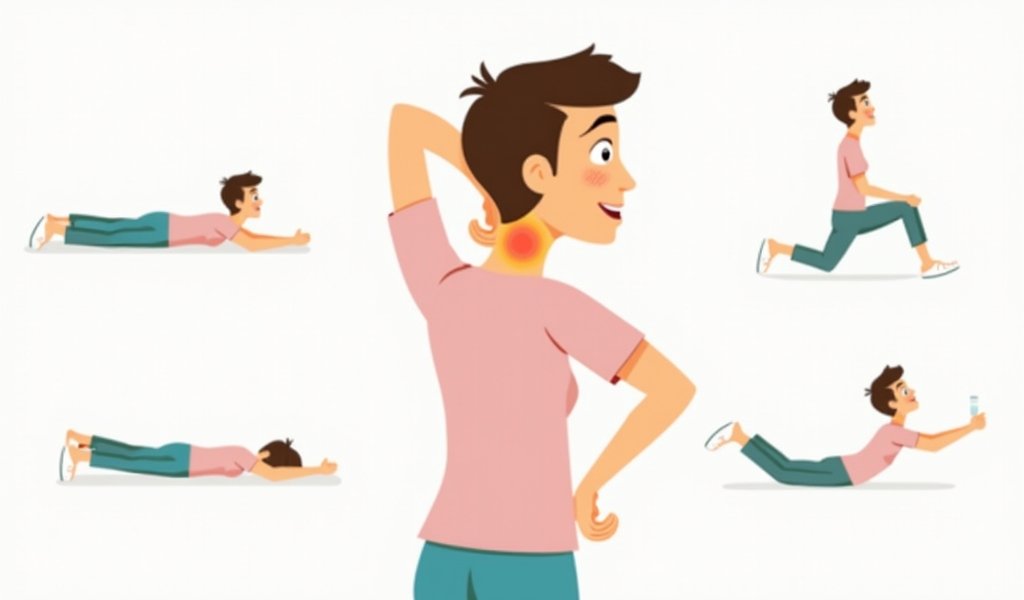
Turns out your left shoulder isn’t just plotting revenge for all those heavy grocery bags—it’s crying out for a five-pronged attack plan! This article details effective treatments for left shoulder and neck pain, including physical therapy, medications, massage therapy, heat/cold applications, and ergonomic lifestyle changes, while emphasizing when persistent or severe symptoms warrant immediate medical attention.
Table of Contents
- Understanding Pain in Left Shoulder and Left Side of Neck
- Common Causes of Left-Sided Shoulder and Neck Pain
- Physical Therapy and Targeted Exercises
- Medication Options for Pain Relief
- Massage Therapy and Manual Techniques
- Heat and Cold Therapy Applications
- Lifestyle Modifications and Ergonomic Adjustments
- When to Seek Professional Medical Help
- Conclusion
- Frequently Asked Questions
Understanding Pain in Left Shoulder and Left Side of Neck
Pain in left shoulder and left side of neck is a common complaint that affects millions of individuals across all age groups and lifestyles. This discomfort can range from a mild, occasional nuisance to a debilitating condition that interferes with daily activities and quality of life. As a health professional, I’ve seen countless patients struggling with this specific type of pain, often unsure about its origins or how to find relief.
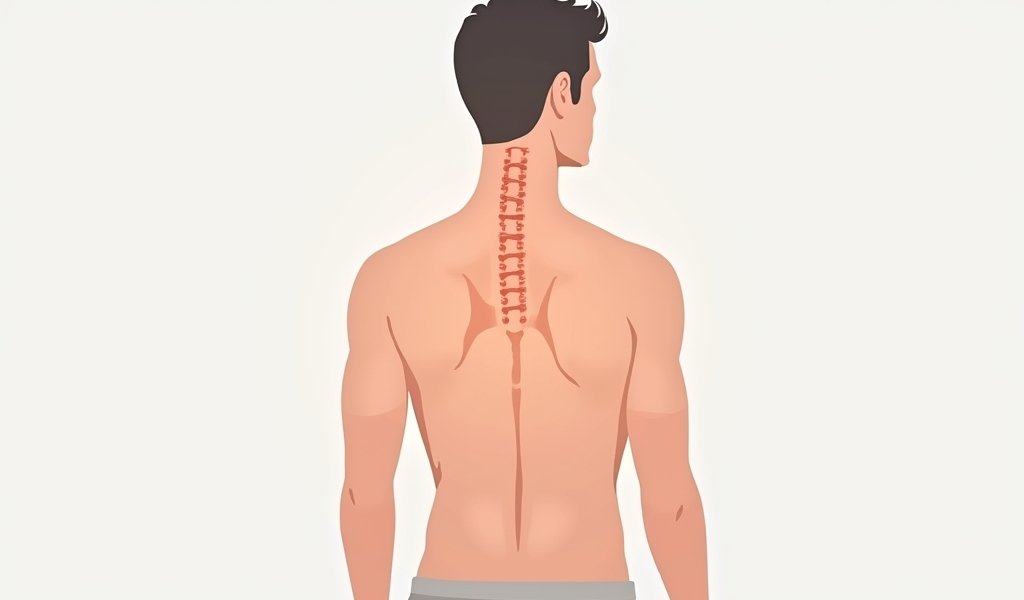
The shoulder and neck region contains a complex network of muscles, tendons, ligaments, nerves, and joints that work together to facilitate movement and support. When pain occurs on the left side specifically, it deserves careful attention, as the causes can vary from simple muscle strain to more serious cardiovascular issues in some cases.
The good news is that most instances of left-sided shoulder and neck pain respond well to appropriate treatment approaches. In this comprehensive guide, we’ll explore five effective treatments that can help alleviate your discomfort and improve your physical wellness. We’ll also discuss when symptoms warrant medical attention and how to prevent recurrence through simple lifestyle adjustments.
Common Causes of Left-Sided Shoulder and Neck Pain
Before diving into treatment options, it’s important to understand what might be causing your pain in the first place. Left shoulder and neck pain typically stems from several common sources:
- Muscle strain and tension from poor posture, especially during desk work or screen time
- Cervical spine issues, including herniated discs or degenerative changes
- Rotator cuff injuries or inflammation in the shoulder joint
- Compressed or irritated nerves, such as in cervical radiculopathy
- Referred pain from internal organs (in some cases, left shoulder pain can relate to heart or lung conditions)
Stress and anxiety can significantly exacerbate these conditions, causing muscles to tense and creating a cycle of pain. Many of my patients report that their shoulder and neck discomfort worsens during periods of high stress or inadequate sleep.
Certain occupations also place individuals at higher risk for developing left shoulder and neck pain. Those in occupational wellness programs often learn that jobs requiring repetitive movements, heavy lifting, or extended periods in fixed positions can contribute significantly to musculoskeletal discomfort in this region.

Physical Therapy and Targeted Exercises
Physical therapy stands as one of the most effective treatments for pain in left shoulder and left side of neck. A trained physical therapist can create a customized program that addresses your specific pain patterns and underlying causes. These programs typically combine various therapeutic approaches to restore function and reduce discomfort.
The cornerstone of physical therapy for neck and shoulder pain involves targeted strengthening and stretching exercises. These exercises aim to correct muscle imbalances, improve posture, and enhance the stability of the shoulder and cervical spine regions.
Key Therapeutic Exercises
Here are some evidence-based exercises that your physical therapist might recommend:
- Gentle neck stretches: Slowly tilting the head forward, backward, and side to side to increase range of motion
- Shoulder blade squeezes: Drawing the shoulder blades together to improve posture and strengthen upper back muscles
- Chin tucks: Gently pulling the chin toward the neck to align the head properly over the spine
- Doorway stretches: Standing in a doorway with arms raised to stretch chest muscles that may contribute to rounded shoulders
- Rotator cuff strengthening: Using light resistance bands to build stability in the shoulder joint
A comprehensive physical therapy program will progressively increase in intensity as your condition improves. Research published in the Journal of Orthopaedic & Sports Physical Therapy shows that consistent adherence to prescribed exercises significantly reduces pain and improves function in patients with neck and shoulder disorders.
For optimal results, exercises should be performed regularly—typically daily or every other day—and with proper form. Your physical therapist will provide guidance on frequency, intensity, and technique to ensure you’re getting the most benefit while avoiding further injury.
Medication Options for Pain Relief
While addressing the root cause of pain in left shoulder and left side of neck is essential for long-term resolution, medications can provide valuable relief during the healing process. Several medication options exist, ranging from over-the-counter remedies to prescription treatments for more severe cases.
Non-Prescription Pain Relievers
For mild to moderate pain, over-the-counter options often provide sufficient relief:
- Nonsteroidal anti-inflammatory drugs (NSAIDs) like ibuprofen (Advil, Motrin) or naproxen (Aleve) reduce both pain and inflammation
- Acetaminophen (Tylenol) addresses pain but doesn’t have anti-inflammatory properties
- Topical analgesics in cream, gel, or patch form deliver medication directly to the painful area with fewer systemic effects
It’s important to use these medications as directed and be aware of potential side effects. NSAIDs, for instance, can cause gastrointestinal issues with prolonged use, while acetaminophen must be taken within recommended dosage limits to protect liver function.
Prescription Medications
For more severe or persistent cases, your healthcare provider might recommend:
- Stronger NSAIDs or different formulations with potentially better side effect profiles
- Muscle relaxants to reduce tension and spasms in the affected muscles
- Short courses of oral corticosteroids to reduce significant inflammation
- In some cases, nerve pain medications if nerve compression or irritation is present
According to guidelines from the American Academy of Family Physicians, medication should ideally be used as part of a multimodal treatment approach, not as the sole intervention. This helps minimize potential side effects while maximizing pain relief.
Massage Therapy and Manual Techniques
Massage therapy offers significant benefits for individuals suffering from pain in left shoulder and left side of neck. Through various hands-on techniques, skilled massage therapists can help release tension, improve circulation, and facilitate healing in the affected areas.
Different massage approaches target specific aspects of neck and shoulder discomfort:
- Swedish massage uses long, flowing strokes to promote general relaxation and increased blood flow
- Deep tissue massage applies firmer pressure to address chronic tension and “knots” in deeper muscle layers
- Trigger point therapy focuses on releasing specific points of intense muscle tension that can refer pain to other areas
- Myofascial release techniques target the connective tissue (fascia) that can become restricted and cause pain
The benefits extend beyond simple pain relief. Regular massage therapy has been shown to improve range of motion, reduce stress hormones, and enhance sleep quality—all factors that contribute to better recovery from neck and shoulder issues.
Many patients find that combining massage with other treatments yields the best results. For instance, receiving massage therapy before performing prescribed stretching exercises may allow for better range of motion and more effective stretching. Finding a wellness center near me that offers both massage and complementary services can make this integrated approach more convenient.
For those unable to visit a professional regularly, self-massage techniques using tools like foam rollers, massage balls, or handheld massagers can provide interim relief. While not as targeted as professional treatment, these approaches can help maintain progress between sessions.
Heat and Cold Therapy Applications
Heat and cold therapy represent two of the most accessible, affordable, and effective treatments for pain in left shoulder and left side of neck. These simple interventions can provide significant relief when applied correctly and at appropriate times in the pain cycle.
Cold Therapy Benefits and Application
Cold therapy (cryotherapy) works best for acute injuries or flare-ups, particularly within the first 48-72 hours after pain begins. The cold temperature causes vasoconstriction (narrowing of blood vessels), which helps:
- Reduce inflammation and swelling
- Numb the area, providing natural pain relief
- Decrease tissue damage by slowing metabolic activity
For effective cold therapy, apply an ice pack wrapped in a thin towel (never place ice directly on skin) to the painful area for 15-20 minutes at a time, several times throughout the day. Commercial cold packs, bags of frozen vegetables, or ice in a sealed plastic bag all work well.
Heat Therapy Benefits and Application
Heat therapy is generally more beneficial for chronic conditions or after the acute inflammatory stage has passed. Applying heat:
- Increases blood flow to the affected area, bringing oxygen and nutrients
- Relaxes tight muscles and reduces spasms
- Improves tissue elasticity, making stretching more effective
- Often provides psychological comfort and relaxation
Apply moist heat (like a warm shower, bath, or damp heating pad) or dry heat (standard heating pad, heated blanket) for 15-20 minutes. Many patients find heat particularly effective in the morning when stiffness tends to be most pronounced.
According to research published in the Journal of Clinical Medicine, alternating between heat and cold treatments (contrast therapy) can sometimes provide enhanced benefits for chronic conditions by stimulating circulation while controlling inflammation.
Lifestyle Modifications and Ergonomic Adjustments
While specific treatments are essential for addressing pain in left shoulder and left side of neck, lasting relief often depends on making key lifestyle changes that prevent the pain from recurring. These adjustments target the daily habits and environmental factors that contribute to neck and shoulder strain.
Workplace Ergonomics
Since many of us spend hours at desks or workstations, proper ergonomics is crucial:
- Position your computer monitor at eye level to avoid looking down or up
- Use an adjustable chair that supports your lower back and allows your feet to rest flat on the floor
- Position your keyboard and mouse so your elbows can remain at a 90-degree angle
- Consider a standing desk option to alternate between sitting and standing throughout the day
- Use a headset for phone calls rather than cradling the phone between your shoulder and ear
Studies have demonstrated that implementing ergonomic improvements can significantly reduce the incidence and severity of work-related neck and shoulder pain.
Sleep Posture and Environment
How you sleep significantly impacts neck and shoulder comfort:
- Choose a pillow that keeps your neck aligned with your spine—neither too high nor too flat
- Consider special cervical pillows designed specifically for neck support
- Avoid sleeping on your stomach, which forces neck rotation for extended periods
- Side sleepers should ensure their pillow fills the space between the shoulder and neck
- Back sleepers often benefit from a thinner pillow and sometimes a small rolled towel under the neck
A supportive mattress that maintains proper spinal alignment also plays a vital role in preventing morning stiffness and pain.
Stress Management and Movement Breaks
Chronic stress contributes significantly to muscle tension in the neck and shoulders. Incorporating stress-reduction techniques into your daily routine can have remarkable effects:
- Practice mindfulness meditation or deep breathing exercises for even just a few minutes daily
- Take short movement breaks every 30-60 minutes when working at a desk
- Perform gentle shoulder rolls and neck stretches throughout the day
- Consider practices like yoga or tai chi that combine movement with mindfulness
According to research published in Medicine & Science in Sports & Exercise, even brief microbreaks of physical activity can significantly reduce musculoskeletal discomfort in office workers.
When to Seek Professional Medical Help
While many cases of pain in left shoulder and left side of neck can be successfully managed with the treatments outlined above, certain symptoms warrant immediate medical attention. As a healthcare professional, I strongly advise seeking prompt evaluation if you experience any of the following:
- Pain that occurs alongside chest discomfort, shortness of breath, or sweating (which could indicate a heart issue)
- Sudden, severe headache accompanying neck pain
- Neck or shoulder pain following a significant injury or fall
- Pain accompanied by fever, unexplained weight loss, or general malaise
- Numbness, tingling, or weakness extending down the arm
- Pain that wakes you from sleep or is unrelieved by rest
- Any pain that persists beyond 2-3 weeks despite conservative treatment
It’s particularly important to note that left-sided pain can occasionally indicate serious conditions requiring emergency care. If your pain is severe, sudden in onset, or accompanied by any of the above symptoms, don’t hesitate to contact your healthcare provider or seek emergency services.
For persistent but non-emergency pain, consultation with a primary care physician is an excellent starting point. They can assess your condition and refer you to specialists if needed, such as orthopedists, physical therapists, or pain management professionals. Early intervention often leads to more effective treatment and prevents the development of chronic pain patterns.
Conclusion
Managing pain in left shoulder and left side of neck typically requires a multifaceted approach tailored to your specific condition and needs. The five treatments we’ve explored—physical therapy and targeted exercises, appropriate medications, massage therapy, heat and cold applications, and lifestyle modifications—offer powerful tools for relief when used appropriately and consistently.
Remember that successful treatment often involves combining several approaches. Physical therapy exercises might be more effective after heat therapy has relaxed tight muscles. Massage therapy can complement medication by addressing the physical tension that pain relievers alone cannot resolve. And even the most effective treatments may provide only temporary relief if underlying ergonomic issues or stress factors aren’t addressed.
Be patient with your recovery process. While acute pain often responds quickly to treatment, chronic conditions that have developed over months or years may require persistent effort and time to resolve completely. Track your progress, communicate regularly with healthcare providers about what’s working and what isn’t, and be willing to adjust your approach as needed.
By taking a proactive, comprehensive approach to addressing your left shoulder and neck pain, you can not only find relief but also develop strategies to prevent future episodes, ultimately improving your overall quality of life and well-being.
Frequently Asked Questions
Can stress cause pain in left shoulder and neck?
Yes, stress commonly causes muscle tension that can manifest as pain in the left shoulder and neck region. Stress hormones trigger muscle contraction and reduced blood flow, leading to tightness and discomfort in these areas.
How can I tell if my left shoulder and neck pain is heart-related?
Heart-related pain typically comes with additional symptoms like chest pressure, shortness of breath, nausea, or lightheadedness. Musculoskeletal pain usually changes with movement and position, while cardiac pain generally doesn’t.
Is sleeping on my left side bad for shoulder pain?
Sleeping on the affected shoulder can exacerbate pain by placing direct pressure on already irritated tissues. Try sleeping on your back or right side with proper pillow support for your neck.
How long should neck and shoulder pain last?
Most minor strains or tension-related pain should improve within a few days to two weeks with appropriate self-care. Pain persisting beyond 2-3 weeks warrants professional evaluation.
Can poor posture permanently damage my neck and shoulder?
Long-term poor posture can lead to muscle imbalances, accelerated wear on joints, and potentially chronic pain patterns. However, most posture-related issues can be reversed with consistent corrective exercises and ergonomic improvements.