
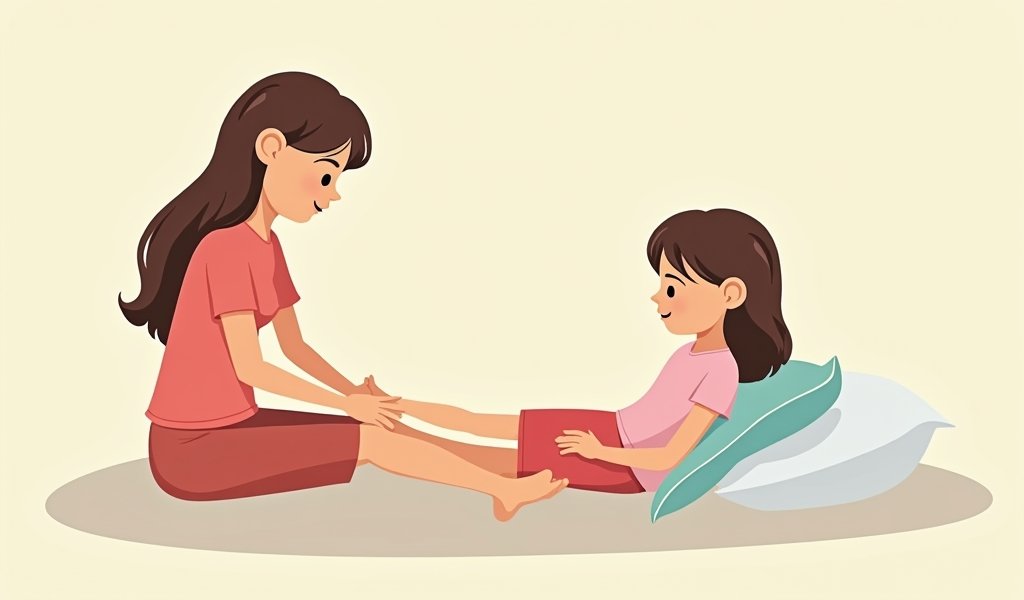
Overview
When your child’s legs throw a midnight tantrum that no amount of “walking it off” can fix, massage therapy might be your ticket to peaceful nights. This article outlines five evidence-based massage techniques for relieving growing pains in children aged 3-12, including gentle leg massage, warm oil application, bedtime routines, teaching self-massage, and safe aromatherapy—all designed to provide natural relief while strengthening parent-child bonds.
Table of Contents
- Understanding Growing Pains: What They Are and Aren’t
- The Science Behind Why Massage Works for Growing Pains
- Tip #1: Gentle Leg and Calf Massage Techniques
- Tip #2: Warm Oil Application for Enhanced Relief
- Tip #3: Creating a Pre-Bedtime Massage Routine
- Tip #4: Empowering Children with Self-Massage Skills
- Tip #5: Enhancing Relief with Child-Safe Aromatherapy
- When to Seek Professional Medical Help
- Complementary Approaches for Complete Relief
- Conclusion: Bringing Comfort to Those Growing Years
- Frequently Asked Questions
When darkness falls and the house quiets down, many parents find themselves comforting children writhing in discomfort from mysterious aches in their legs. Growing pains—those notorious nighttime visitors—affect up to 40% of children, turning peaceful evenings into tearful episodes. But before reaching for medication, consider a gentle, hands-on approach that might provide the relief your child needs.
Massage for growing pains offers a natural and effective solution for children suffering from these uncomfortable aches. This ancient healing art can transform tearful nights into peaceful slumber. In this comprehensive guide, we’ll explore five massage techniques that can provide your child with sweet relief while strengthening your bond through nurturing touch.
Understanding Growing Pains: What They Are and Aren’t
Despite their misleading name, growing pains aren’t actually caused by growth itself. These non-inflammatory pain episodes typically affect children between the ages of 3-12, with discomfort usually concentrated in the front of the thighs, calves, or behind the knees. The pain is almost always bilateral (affecting both legs) and tends to strike in the late afternoon or evening, sometimes even waking children from sleep.
One of the most pervasive misconceptions is that these pains indicate a serious problem or disease. Rest assured, growing pains are benign and don’t cause long-term health issues or affect normal development. They’re simply a common part of childhood that many families navigate together.
How can you distinguish growing pains from other conditions? True growing pains never cause limping, fever, rash, loss of appetite, or reduced activity during the day. Your child typically feels fine in the morning and runs, jumps, and plays normally throughout the day. If you notice any concerning symptoms beyond evening leg discomfort, it’s time to consult your pediatrician.

The Science Behind Why Massage Works for Growing Pains
Before diving into techniques, let’s understand why massage provides such effective relief. Growing pains often result from overuse of muscles during daytime activities. Children are perpetual motion machines, running, jumping, and playing with boundless energy. All this activity can lead to muscle fatigue and strain by evening time.
Massage works on multiple physiological levels to address this discomfort. Physically, it increases blood circulation to affected muscles, helping flush out metabolic waste products that accumulate during activity and contribute to soreness. The mechanical pressure also relaxes tight muscle fibers and reduces muscle spasms that may be causing pain.
Beyond the physical benefits, there’s a powerful psychological component at work. The nurturing touch of a parent provides comfort and security to a child in pain. This triggers the release of oxytocin (often called the “love hormone”) and reduces levels of cortisol (the stress hormone), creating a natural analgesic effect that complements the physical relief.
Research from the Touch Research Institute confirms that regular massage can significantly reduce pain perception in children, making it an ideal intervention for growing pains. This mind-body connection makes massage therapy particularly effective for addressing childhood discomfort in a holistic way that supports overall wellness and health.
Tip #1: Gentle Leg and Calf Massage Techniques
When your child complains of those familiar aches, try these specific massage strokes designed to soothe their discomfort:
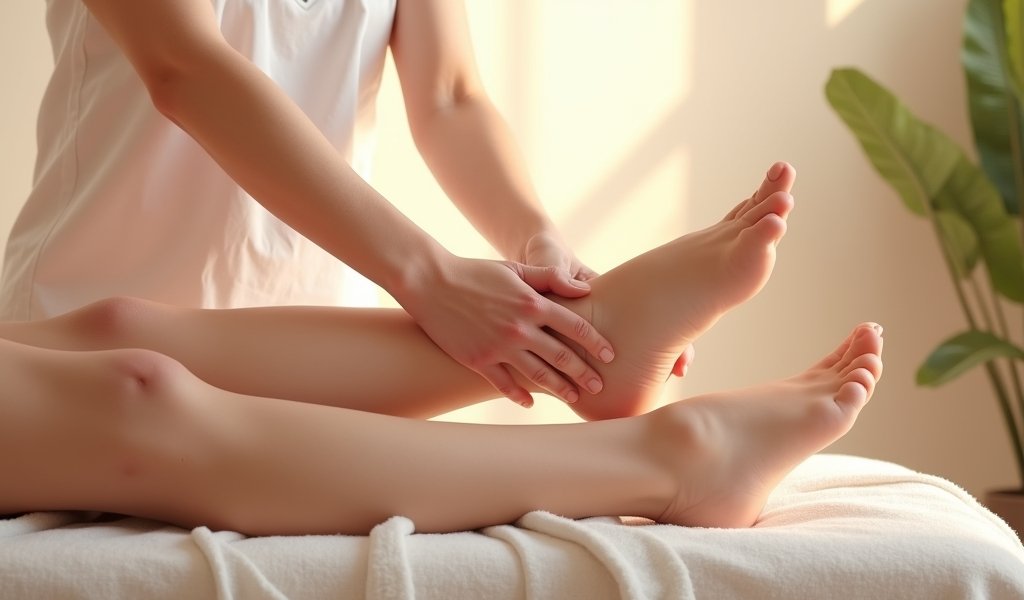
For calves, begin with your child lying comfortably on their stomach. Apply light to moderate pressure using your thumbs to make small, circular motions from the ankle upward toward the knee. Then, use your palms to perform long, smooth strokes (effleurage) in an upward direction. This helps improve circulation and relax tight muscles that may be spasming.
For thighs, have your child lie on their back. Use the palms of your hands to perform gentle kneading motions (pétrissage) on the front and sides of the thighs. Alternate this with light squeezing motions, working from the knee up toward the hip. Pay special attention to the quadriceps, as this muscle group often tightens during active play.
The key is appropriate pressure—firm enough to reach the muscles but gentle enough to keep your child comfortable. For most children, a pressure that slightly dimples the skin without causing discomfort works perfectly. Remember that children’s tissues are more delicate than adults’, so err on the side of gentleness, especially when first introducing massage.
A 5-10 minute massage session on each leg is typically sufficient and can be performed as needed when pain occurs. For children with frequent growing pains, a nightly massage routine before bed can help prevent episodes altogether, making it a valuable addition to your physical wellness toolkit.
Tip #2: Warm Oil Application for Enhanced Relief
Adding warm oil to your massage routine significantly enhances its effectiveness for growing pains. The warmth helps relax muscles further, while the lubricating properties reduce friction and make the massage more comfortable for your child’s sensitive skin.
Child-friendly oils like sweet almond, grapeseed, or jojoba make excellent carriers. For additional benefits, consider oils with anti-inflammatory properties such as olive oil. When selecting oils, opt for organic, cold-pressed varieties to avoid chemical additives that might irritate young skin.
To safely warm the oil, place the bottle in a bowl of warm (not hot) water for a few minutes. Always test the oil on your wrist before applying it to your child’s skin to ensure it’s comfortably warm without being hot. Apply about a teaspoon of oil to your palms, rub them together to distribute, and then use long, smooth strokes to spread the oil evenly over the affected areas.
The warm oil helps the massage penetrate deeper into muscle tissue, providing more effective relief from growing pains. As pediatric massage therapist Sarah Thompson notes, “The combination of warmth and gentle pressure creates the perfect environment for tight muscles to release tension that builds up during a child’s active day.”
As an added bonus, the moisturizing effect of the oil leaves your child’s skin soft and nourished—a small silver lining to those painful episodes that can make the massage experience more pleasant for everyone involved.
Tip #3: Creating a Pre-Bedtime Massage Routine
Since growing pains often strike as children are settling down for the night, incorporating massage into the bedtime routine can be particularly effective. This proactive approach not only addresses potential pain but also establishes a calming transition to sleep that benefits your child’s overall rest quality.
Start by creating a soothing environment. Dim the lights, play soft music if your child enjoys it, and ensure the room is comfortably warm. This sensory preparation signals to your child’s body and mind that it’s time to relax, creating the perfect conditions for an effective massage.
Before beginning the massage, guide your child through gentle stretching exercises. Simple hamstring and calf stretches help release tension in the muscles most commonly affected by growing pains. For example, have your child sit with legs extended and gently reach for their toes, holding for 15-20 seconds. Follow this with a few ankle rotations in both directions.
Next, incorporate the massage techniques described earlier, paying special attention to areas where your child typically experiences discomfort. The combination of stretching and massage creates a powerful intervention that can prevent nighttime pain episodes before they begin.
Consistency is your secret weapon here. Children thrive on routine, and a regular pre-bedtime massage not only helps manage growing pains but also strengthens your bond and creates positive associations with bedtime. Research shows that consistent bedtime routines significantly improve sleep quality in children, which can further reduce the frequency and intensity of growing pains.
Tip #4: Empowering Children with Self-Massage Skills
Empowering children to participate in their own pain management is both practical and psychologically beneficial. For children around 5 years and older, simple self-massage techniques provide tools to address discomfort when it arises, giving them a sense of control over their bodies and symptoms.
Start with playful methods like “pizza dough kneading.” Show your child how to use their palms and fingers to gently knead their thighs as if they’re working with pizza dough. Make it fun—ask them if they’re making a thin crust or deep dish tonight!
Another child-friendly technique is the “leg rolling pin.” Have your child use their open palms to roll up and down their calves and thighs, as if they’re flattening cookie dough. This simple motion helps release muscle tension while being easy for children to master independently.
For younger children, framing these techniques as games increases engagement. Older children can learn more traditional self-massage movements, like using their thumbs to make small circles or their palms for long strokes. The key is making the process age-appropriate and enjoyable.
Teach your child to perform these techniques when they first notice discomfort, rather than waiting until pain becomes severe. A brief 2-3 minute self-massage can sometimes prevent a full-blown growing pain episode, particularly when combined with a short rest period. This proactive approach helps children develop lifelong skills for body awareness and self-care that support their journey toward complete wellness.
Tip #5: Enhancing Relief with Child-Safe Aromatherapy
The powerful combination of touch and scent creates a multi-sensory approach to pain relief. Certain essential oils have analgesic and anti-inflammatory properties that complement the physical benefits of massage, enhancing its effectiveness for growing pains.
For children, selecting mild, child-safe oils and diluting them properly is crucial. Lavender, chamomile, and mandarin are excellent choices known for their gentle nature and calming properties. Avoid stronger oils like peppermint or eucalyptus, which may be too intense for children’s sensitive systems.
Proper dilution is essential: for children ages 3-12, use a maximum 1% dilution (about 5-6 drops of essential oil per ounce of carrier oil). If your child has sensitive skin or allergies, perform a small patch test before using any new oil combination. Safety should always be your priority when using aromatherapy with children.
To incorporate aromatherapy into your massage routine, add the diluted essential oil to your carrier oil, warm it as described earlier, and proceed with the massage techniques. The soothing scents not only enhance physical relaxation but also create positive associations that make future massage sessions even more effective.
As your child inhales these gentle aromas, the scent molecules interact with the limbic system—the brain’s emotional center—promoting relaxation and potentially reducing pain perception. Clinical research supports the effectiveness of certain essential oils in pain management, making this a science-backed addition to your growing pains toolkit.
When to Seek Professional Medical Help
While massage can work wonders for typical growing pains, it’s important to recognize when pain might indicate something requiring medical attention. Your parental instincts combined with an awareness of warning signs can help you make informed decisions about your child’s care.
Contact your pediatrician if your child experiences any of these red flags: pain limited to one leg, pain associated with injury, swelling or redness around the painful area, fever, unusual rashes, limping, persistent pain during daylight hours, or pain that interferes with normal activities.
These symptoms could indicate conditions requiring different treatments, such as juvenile arthritis, infection, or other musculoskeletal issues. Remember, true growing pains don’t cause physical limitations or symptoms beyond the pain itself—they may be uncomfortable, but they don’t typically prevent children from going about their normal activities during the day.
For children with severe or frequent growing pains that significantly impact sleep or quality of life, consulting a professional pediatric massage therapist might be beneficial. These specialists can provide techniques tailored to your child’s specific needs and teach both you and your child more advanced approaches to pain management.
Always maintain open communication with your child’s healthcare provider about the symptoms they’re experiencing and the relief measures you’re using at home. This collaborative approach ensures your child receives comprehensive care that addresses both their immediate comfort and long-term well-being.
Complementary Approaches for Complete Relief
While massage forms the cornerstone of our natural approach to growing pains relief, complementary methods can enhance its effectiveness. Implementing these additional strategies creates a comprehensive approach to your child’s comfort.
Warm compresses or heating pads (at appropriate temperatures for children) applied before massage help prepare tight muscles for manipulation. A warm bath before bedtime similarly relaxes muscles while creating a perfect lead-in to your massage routine. Heat therapy is particularly effective because it improves blood flow to affected areas, accelerating the healing process.
Staying well-hydrated is surprisingly important for muscle comfort. Encourage your child to drink plenty of water throughout the day, especially after physical activity. Proper hydration helps flush metabolic waste from muscles and maintains optimal tissue function, potentially reducing pain frequency and intensity.
Some parents notice connections between certain dietary elements and growing pain episodes. Common culprits include processed foods, sugar, and inflammatory ingredients. Tracking your child’s diet alongside pain occurrences might reveal patterns worth addressing through nutritional adjustments.
Regular physical activity, while possibly contributing to growing pains in some cases, actually helps prevent them long-term by building muscle strength and flexibility. Balance active play with appropriate rest periods to give growing muscles time to recover and adapt. Activities like swimming, yoga, and gentle stretching are particularly beneficial for maintaining muscle health without excessive strain.
Conclusion: Bringing Comfort to Those Growing Years
Growing pains, while temporary in childhood’s grand journey, can feel like marathon events when comforting a distressed child night after night. The massage techniques we’ve explored—gentle leg manipulation, warm oil application, bedtime routines, self-massage education, and aromatherapy integration—offer a comprehensive approach to managing this common childhood complaint.
These approaches represent the perfect balance of ancient wisdom and modern understanding of children’s physiology. They address not just the physical discomfort but also the emotional security children need when experiencing pain.
Remember that consistency is crucial in managing growing pains effectively. Like many aspects of parenting, the magic often lies in the routine—the predictable comfort of knowing that when those achy legs strike, there’s a gentle, loving response waiting. Your healing touch does more than ease physical discomfort; it reinforces your child’s sense of security and teaches valuable lessons about natural approaches to health management.
The next time growing pains come knocking at your door, you’ll be prepared with an arsenal of massage techniques to send them packing. Your child’s comfort—and everyone’s sleep schedule—will thank you for taking this natural, nurturing approach to pain relief that strengthens bonds while easing discomfort during these precious growing years.
Frequently Asked Questions
How often should I massage my child for growing pains?
For prevention, a 5-10 minute massage each night before bed works well. During active pain episodes, massage can be provided as needed for relief, typically 1-3 times within a few hours.
Can massage make growing pains worse?
No, properly performed gentle massage should not worsen growing pains. If massage increases pain, stop immediately and consult a healthcare provider as this may indicate a different condition.
At what age do growing pains typically begin and end?
Growing pains most commonly affect children between ages 3-12. They typically resolve completely by early adolescence without intervention.
Can growing pains occur in arms or other body parts?
While growing pains primarily affect the legs, some children experience similar discomfort in their arms. The same massage techniques can be adapted for arm pain.
Is it normal for growing pains to wake a child from sleep?
Yes, growing pains can sometimes be intense enough to wake a sleeping child. This is common and not cause for alarm unless accompanied by other symptoms like fever or swelling.