

Overview
Move over, one-dimensional wellness warriors who think a protein shake and meditation app constitute “balance”—this article unpacks all ten dimensions of true wellbeing: physical, emotional, social, intellectual, spiritual, environmental, occupational, financial, cultural, and digital. The article explains how these dimensions interconnect to create genuine wellness through a holistic approach, offering practical strategies for strengthening each area while emphasizing that small, sustainable changes across all dimensions create more lasting health benefits than hyperfocusing on just one aspect.
Table of Contents
- Understanding the 10 Dimensions of Wellness
- Why a Holistic Approach to Wellness Matters
- Physical Dimension: Beyond Exercise and Diet
- Emotional Dimension: Nurturing Your Feelings
- Social Dimension: Building Meaningful Connections
- Intellectual Dimension: Keeping Your Mind Sharp
- Spiritual Dimension: Finding Meaning and Purpose
- Environmental Dimension: Your Surroundings Matter
- Occupational Dimension: Finding Fulfillment in Work
- Financial Dimension: Creating Stability
- Cultural Dimension: Embracing Identity
- Digital Dimension: Navigating the Modern World
- Integrating the 10 Dimensions into Daily Life
- Conclusion
- Frequently Asked Questions
The concept of wellness has evolved dramatically over the years. No longer limited to just physical fitness or absence of disease, the 10 dimensions of wellness represent a comprehensive framework for achieving true health and vitality. This multifaceted approach recognizes that optimal wellbeing emerges when we nurture various aspects of our lives simultaneously. As a health professional who has guided hundreds of clients through their wellness journeys, I’ve seen firsthand how understanding and implementing these dimensions can transform lives.
Modern wellness science shows that health is the result of numerous interconnected factors. When we address all 10 dimensions of wellness—physical, emotional, social, intellectual, spiritual, environmental, occupational, financial, cultural, and digital—we create a foundation for lasting health that goes far beyond temporary fitness trends or quick fixes. This article explores each dimension in depth, offering practical strategies to enhance your overall wellbeing through a holistic wellness approach.
Understanding the 10 Dimensions of Wellness
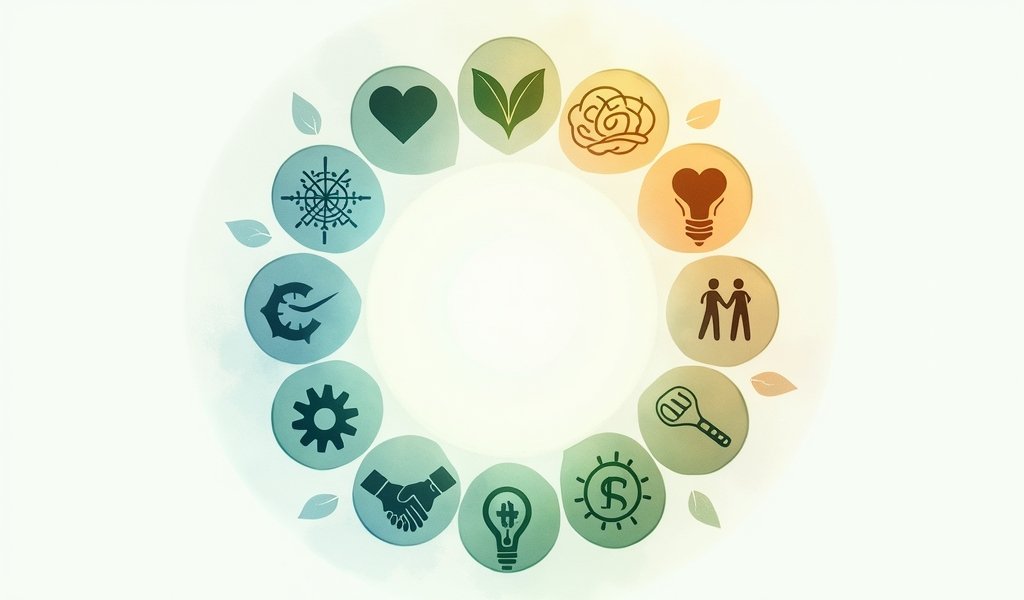
The 10 dimensions of wellness provide a comprehensive framework for understanding and improving overall health. Unlike traditional approaches that might focus solely on physical fitness or nutrition, this model acknowledges that true wellness emerges from the interplay of multiple life domains. Think of each dimension as a vital spoke in your wellness wheel—when one area weakens, it affects the entire structure.
Each dimension represents a fundamental aspect of human experience that contributes to our quality of life. The dimensions don’t exist in isolation; they constantly interact and influence one another in what wellness experts call the interdependence of wellness components. For instance, improvements in your physical wellness often boost emotional wellbeing, while social connections can enhance spiritual fulfillment.
Research from the National Institutes of Health suggests that addressing multiple dimensions simultaneously leads to more sustainable health outcomes than focusing on isolated aspects. By understanding this interconnectedness, we can develop more effective strategies for improving our overall wellbeing.
Why a Holistic Approach to Wellness Matters
The traditional medical model often treats symptoms rather than addressing root causes. A holistic approach to wellness, in contrast, examines how different aspects of your life contribute to your overall health. This comprehensive perspective can prevent problems before they develop and address existing issues more effectively.
When we neglect certain dimensions, it creates imbalance. Consider someone who excels in their career (occupational wellness) but neglects relationships (social wellness) and self-care (physical wellness). Despite professional success, they might experience loneliness, exhaustion, and even burnout. The 10 dimensions model helps identify these imbalances before they lead to more serious problems.
Studies show that holistic wellness approaches lead to better outcomes. According to research published in the Journal of American College Health, students who engaged with multiple wellness dimensions showed greater resilience against stress and better academic performance compared to those focused on fewer areas.

Physical Dimension: Beyond Exercise and Diet
Physical wellness extends far beyond hitting the gym or counting calories. It encompasses how you care for your body through nutrition, movement, sleep, and preventive healthcare. This dimension forms the foundation of the 10 dimensions of wellness because physical health impacts every other aspect of your wellbeing.
Quality sleep deserves special attention in the physical dimension. Research consistently shows that 7-9 hours of restorative sleep supports immune function, cognitive performance, and emotional regulation. Yet many people prioritize exercise and nutrition while neglecting this crucial recovery period.
Preventive care also plays a vital role in physical wellness. Regular check-ups, screenings, and vaccinations help catch potential issues early. Consider developing a relationship with healthcare providers who understand your holistic health goals rather than just treating isolated symptoms.
To enhance your physical dimension:
- Incorporate movement you genuinely enjoy rather than forcing yourself through dreaded workouts
- Focus on nutrient-dense foods that fuel your specific body needs
- Establish a consistent sleep routine with a technology-free wind-down period
- Schedule and attend preventive healthcare appointments
Emotional Dimension: Nurturing Your Feelings
Emotional wellness involves understanding, expressing, and managing your feelings in healthy ways. This dimension of wellness relates to your ability to navigate life’s challenges while maintaining perspective and resilience. Many people struggle with emotional regulation because they’ve never been taught these essential skills.
Self-awareness serves as the cornerstone of emotional wellness. Taking time to identify and name your emotions—without judgment—creates space between feelings and actions. This awareness helps prevent emotional reactivity and allows for more thoughtful responses to difficult situations.
Stress management techniques support emotional wellness by activating the parasympathetic nervous system. Simple practices like deep breathing, progressive muscle relaxation, or mindfulness meditation can shift your physiological state from “fight-or-flight” to “rest-and-digest” within minutes.
To strengthen your emotional dimension:
- Practice identifying and naming emotions as they arise
- Develop healthy outlets for processing feelings, such as journaling or talking with trusted friends
- Incorporate stress-reduction techniques into your daily routine
- Consider working with a therapist to develop emotional regulation skills
Social Dimension: Building Meaningful Connections
Humans are inherently social creatures, and meaningful relationships play a crucial role in our overall wellness. The social dimension involves creating and maintaining healthy connections with others, from close family bonds to broader community involvement. Research consistently shows that strong social ties correlate with longevity, reduced disease risk, and better mental health outcomes.
Quality matters more than quantity when it comes to social wellness. A few deep, authentic relationships provide more health benefits than numerous surface-level connections. These meaningful relationships offer emotional support, perspective, and a sense of belonging that buffers against life’s challenges.
Community engagement represents another aspect of social wellness. Volunteering, participating in group activities, or simply getting to know your neighbors creates a social support network that extends beyond your immediate circle. These connections contribute to a sense of purpose and belonging within the wider world.
To enhance your social dimension:
- Prioritize regular quality time with people who uplift and support you
- Practice active listening and authentic communication
- Set healthy boundaries in relationships that feel depleting
- Find ways to contribute to your community through volunteering or participation
Intellectual Dimension: Keeping Your Mind Sharp
Intellectual wellness involves maintaining an active, curious mind through lifelong learning and creative engagement. This dimension focuses on expanding knowledge, developing critical thinking skills, and exploring new ideas. A healthy intellectual dimension helps prevent cognitive decline and enhances problem-solving abilities in all areas of life.
Continuous learning doesn’t necessarily mean formal education. Reading widely, listening to informative podcasts, taking online courses, or even having stimulating conversations all contribute to intellectual wellness. The key is maintaining curiosity and openness to new information and perspectives.
Creative expression also nurtures intellectual wellness. Activities like writing, music, art, cooking, or gardening engage different parts of the brain and foster innovative thinking. These pursuits often create a state of flow—complete absorption in a challenging but enjoyable activity—that research links to increased happiness and reduced stress.
To strengthen your intellectual dimension:
- Set aside time for reading or learning about topics that genuinely interest you
- Engage in thoughtful discussions that challenge your existing views
- Explore creative outlets that stimulate different parts of your brain
- Limit passive media consumption in favor of more active intellectual pursuits
Spiritual Dimension: Finding Meaning and Purpose
Spiritual wellness involves connecting with something larger than yourself and developing a sense of meaning and purpose. This dimension doesn’t necessarily relate to organized religion, though it certainly can for many people. Rather, it encompasses your core values, ethics, and understanding of your place in the world.
Purpose plays a central role in spiritual wellness. Research from Harvard University suggests that having a strong sense of purpose correlates with greater longevity and resilience against health challenges. Purpose provides direction and motivation, especially during difficult times.
Practices like meditation, time in nature, journaling, or religious observance can nurture spiritual wellness. These activities create space for reflection and connection with your deeper self. Even a few minutes of quiet contemplation each day can strengthen this dimension.
To develop your spiritual dimension:
- Clarify your core values and consider how they guide your decisions
- Spend time in reflection through practices that resonate with you
- Connect with nature or spaces that evoke a sense of wonder
- Explore questions about meaning and purpose through reading, discussion, or journaling
Environmental Dimension: Your Surroundings Matter
Environmental wellness considers your relationship with your physical surroundings, from your immediate living space to the planet at large. This dimension recognizes that our environments significantly impact our health and wellbeing. Clean, organized spaces tend to promote clarity and calm, while cluttered or toxic environments can increase stress and negatively affect physical health.
Your immediate environment—home, workspace, and commonly visited places—deserves particular attention. Small changes like introducing natural light, reducing clutter, or adding plants can significantly impact mood and energy levels. Creating spaces that support your wellness goals makes healthy choices more accessible.
Broader environmental awareness also falls within this dimension. Understanding how your choices affect the planet and taking steps to minimize negative impacts creates a sense of contribution and connection. Simple practices like reducing waste, conserving resources, or supporting sustainable businesses align personal wellbeing with planetary health.
To improve your environmental dimension:
- Declutter spaces where you spend significant time
- Incorporate elements of nature into your living environment
- Minimize exposure to environmental toxins in products and materials
- Adopt sustainable practices that align with your values
Occupational Dimension: Finding Fulfillment in Work
Occupational wellness relates to finding satisfaction, engagement, and balance in your work life. Considering most adults spend roughly a third of their waking hours working, this dimension significantly impacts overall wellbeing. Meaningful work that aligns with your values and utilizes your strengths contributes to a sense of purpose and accomplishment.
Work-life balance forms a crucial component of occupational wellness. Setting appropriate boundaries between professional and personal life prevents burnout and allows for recovery. This balance looks different for everyone—some thrive with clear separation while others prefer integration—but the key is finding what works for your unique circumstances.
Professional development also supports occupational wellness by preventing stagnation and fostering growth. Continually developing skills and seeking new challenges keeps work engaging and opens opportunities for advancement or transition. Even small learning opportunities can reinvigorate your relationship with your work.
To enhance your occupational dimension:
- Identify aspects of your work that align with your values and strengths
- Establish boundaries that protect your personal time and energy
- Seek opportunities for growth and skill development
- Cultivate supportive relationships with colleagues and mentors
Financial Dimension: Creating Stability
Financial wellness involves managing resources effectively to meet needs, prepare for emergencies, and work toward future goals. This dimension significantly impacts overall wellbeing, as financial stress can negatively affect physical health, relationships, and emotional state. Creating stability and confidence in this area supports freedom and choice in other dimensions.
Financial literacy provides the foundation for this dimension. Understanding basics like budgeting, saving, debt management, and investing empowers better decision-making. Many free resources exist for developing these skills, including online courses, library materials, and community workshops.
Aligning financial choices with personal values enhances satisfaction and motivation. Clarifying what truly matters to you helps prioritize spending and saving decisions. This alignment reduces impulsive purchases and supports meaningful long-term goals like education, travel, or financial independence.
To strengthen your financial dimension:
- Create a realistic budget based on your income and priorities
- Build an emergency fund to increase security and reduce stress
- Develop a plan for managing debt and improving credit
- Educate yourself about investing options appropriate for your situation
Cultural Dimension: Embracing Identity
Cultural wellness involves understanding, appreciating, and engaging with your own cultural background while respecting the diversity of others. This dimension encompasses heritage, traditions, values, and identity factors that shape your worldview and sense of belonging. A strong connection to cultural roots provides stability and meaning in an increasingly globalized world.
Cultural competence extends beyond your own background to understanding and appreciating different perspectives. Exposure to diverse cultural expressions through art, literature, food, or community events broadens understanding and fosters empathy. This openness enriches life experience and improves interactions in diverse settings.
For many people, cultural wellness involves balancing heritage with contemporary life. Finding ways to honor traditions while adapting to current circumstances creates continuity and connection. This integration supports identity development and provides resources for navigating life transitions.
To develop your cultural dimension:
- Learn about your family history and cultural traditions
- Participate in cultural celebrations or practices meaningful to you
- Expose yourself to diverse cultural expressions through events, media, or relationships
- Reflect on how cultural factors shape your values and perspectives
Digital Dimension: Navigating the Modern World
The newest addition to the 10 dimensions of wellness, digital wellness addresses our relationship with technology and online spaces. This dimension recognizes that digital tools now permeate nearly every aspect of life, creating both opportunities and challenges for wellbeing. Developing healthy technology habits supports mental health and allows for meaningful connection in the digital age.
Mindful technology use forms the core of digital wellness. Being intentional about when, how, and why you engage with devices helps prevent the negative effects of excessive screen time. Creating boundaries—like device-free meals or bedtime routines—protects space for in-person connection and rest.
Digital literacy also contributes to this dimension. Understanding privacy, security, and information evaluation helps navigate online spaces safely and critically. These skills reduce vulnerability to misinformation and support positive digital citizenship.
To improve your digital dimension:
- Establish regular breaks from screens throughout your day
- Curate your digital environment to support rather than undermine wellness goals
- Develop skills for evaluating online information critically
- Practice mindfulness about how digital interactions affect your emotional state
Integrating the 10 Dimensions into Daily Life
Implementing the 10 dimensions of wellness might seem overwhelming, but integration happens gradually through small, consistent choices. Start by assessing your current wellness across all dimensions to identify both strengths and growth opportunities. This baseline understanding helps prioritize where to focus initial efforts for maximum impact.
Small, sustainable changes yield better long-term results than dramatic overhauls. For example, a 10-minute daily walk improves physical wellness while providing space for emotional processing. Similarly, replacing 15 minutes of social media scrolling with reading contributes to both intellectual wellness and digital balance.
The wellness wheel approach provides a helpful framework for maintaining balance. Regularly reviewing your wellness across all dimensions helps identify when certain areas need attention. This awareness prevents hyperfocus on one dimension at the expense of others.
Practical steps for integration include:
- Schedule regular wellness check-ins to assess balance across all dimensions
- Look for activities that nurture multiple dimensions simultaneously
- Create daily habits that support your priority wellness areas
- Find accountability through sharing goals with supportive friends or professionals
Conclusion
The 10 dimensions of wellness provide a comprehensive framework for achieving lasting health and vitality. By understanding and nurturing the physical, emotional, social, intellectual, spiritual, environmental, occupational, financial, cultural, and digital aspects of wellbeing, we create a foundation for flourishing in all areas of life. This holistic approach recognizes the interconnectedness of different wellness components and addresses root causes rather than just symptoms.
Remember that wellness isn’t a destination but an ongoing journey. Progress happens through consistent small choices rather than dramatic transformations. Each dimension deserves attention, but perfect balance isn’t the goal—rather, aim for awareness and intentionality about how different aspects of life impact your overall wellbeing.
As you implement the concepts from this guide, focus on sustainable changes aligned with your personal values and circumstances. The most effective wellness practices are those you can maintain over time, even if they seem modest compared to more extreme approaches. By nurturing all dimensions of wellness, you’ll develop resilience against life’s challenges and create a foundation for lasting vitality and fulfillment.
Frequently Asked Questions
What are the 10 dimensions of wellness?
The 10 dimensions of wellness include physical, emotional, social, intellectual, spiritual, environmental, occupational, financial, cultural, and digital aspects of wellbeing. Each dimension represents an essential component of holistic health that contributes to overall quality of life.
How do the dimensions of wellness interact with each other?
The dimensions of wellness are interconnected and influence each other in multiple ways. For example, improved physical wellness often enhances emotional wellbeing, while strong social connections can support spiritual and intellectual dimensions.
Which dimension of wellness is most important?
No single dimension is universally most important as each person’s needs and priorities differ. The most crucial dimension at any given time depends on your current life circumstances and which areas need the most attention for balance.
How can I assess my current wellness in each dimension?
You can assess your wellness using self-reflection tools like wellness wheels, journaling prompts, or assessment questionnaires. Consider rating your satisfaction in each dimension on a scale of 1-10 and identifying specific strengths and growth areas.
How long does it take to improve wellness across all dimensions?
Wellness improvement is an ongoing process rather than a destination with a specific timeline. Small, consistent changes can show benefits within weeks, while deeper transformation develops over months and years of mindful practice.